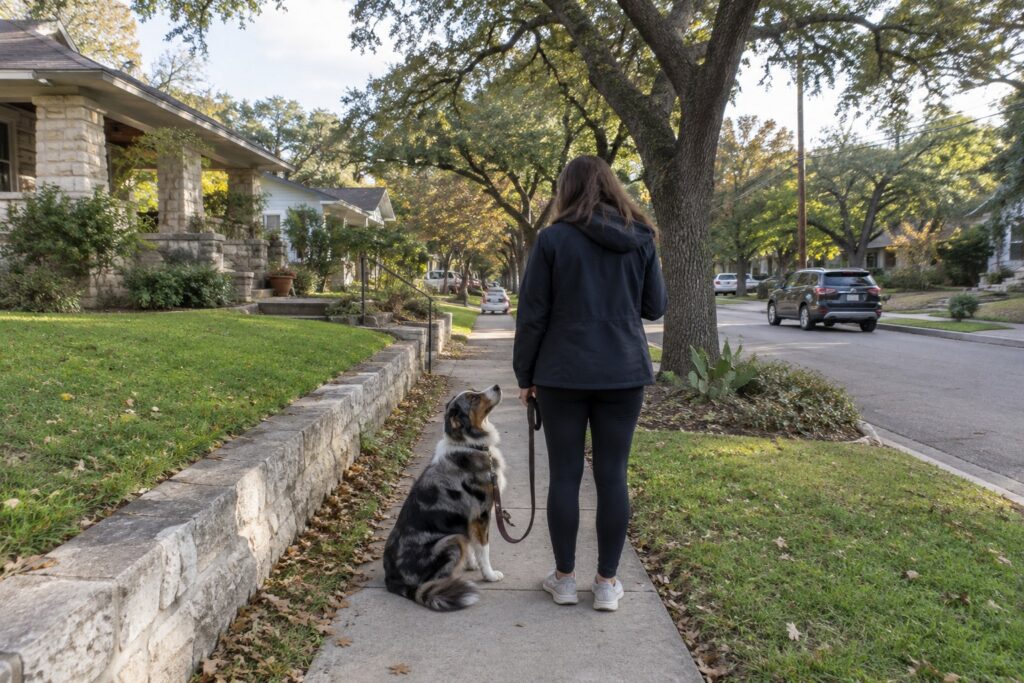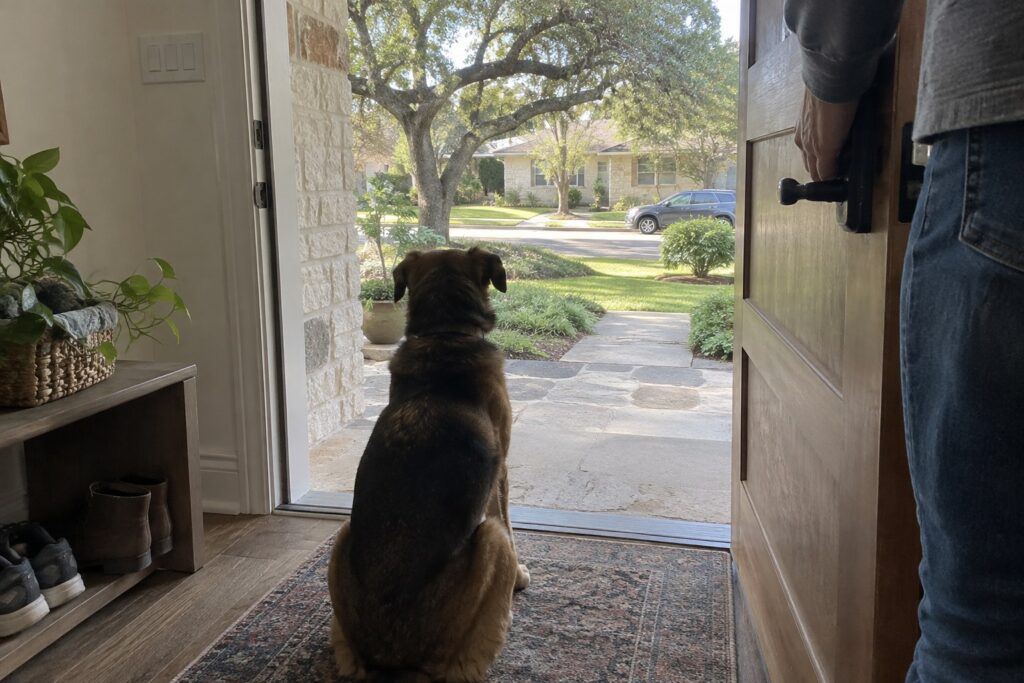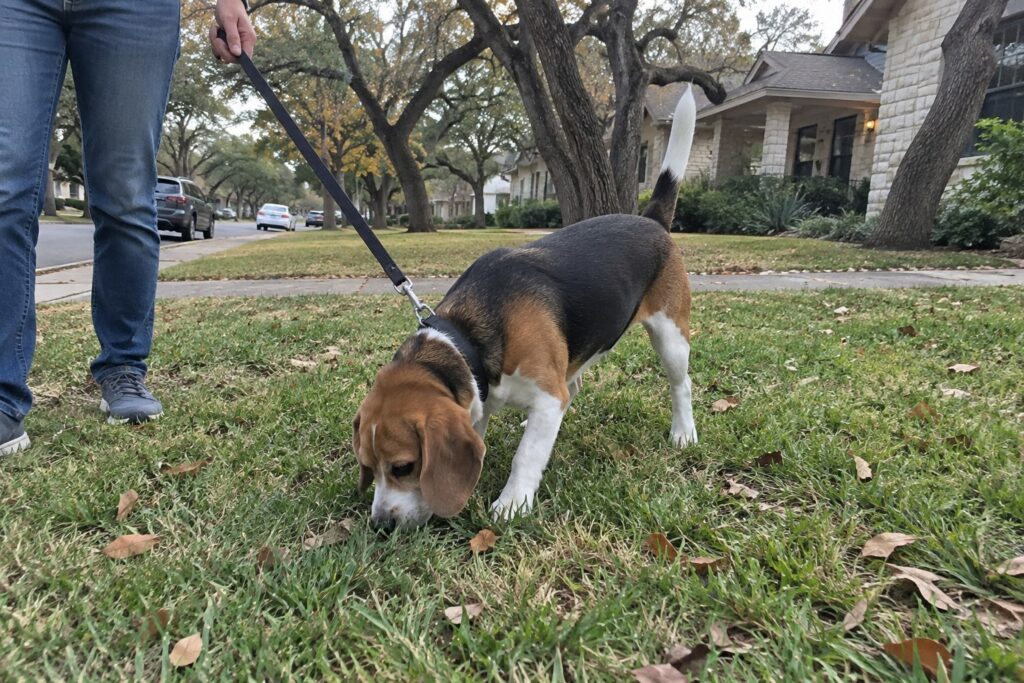

Husky training in Austin looks different than it does in Minnesota or Alaska. Siberian Huskies were bred to pull sleds over long distances in brutal cold, and that same drive to run, explore, and think for themselves comes with them to a Central Texas backyard where afternoon temperatures can stay hot well into fall.
At All Dogs Unleashed Dog Training Austin, we work with high-energy, independent breeds every week, and huskies are a category of their own. They are smart, social, and athletic, but they also test fences, ignore recall when something interesting moves, and overheat faster than many owners expect. The good news is that a husky who gets the right structure, at the right time of day, can be a calm and reliable companion here.
Ready to give your husky the structure it needs? Our Austin team can help you build a plan that fits your dog and the climate.
Key Takeaways
- Huskies are high-energy working dogs, so in Austin the best training and exercise happen in the early morning and after sunset, not in the afternoon heat.
- Recall is the hardest skill for most huskies because of their independence and strong prey drive, so it needs long-line practice before any off-leash freedom.
- Digging and escaping are breed tendencies that call for secure fencing, supervision, and an outlet for energy rather than punishment after the fact.
- A husky’s double coat helps insulate against heat, so the AKC advises against shaving double-coated dogs; regular brushing to remove the shed undercoat is the better choice.
- Our two-week Board and Train program gives huskies daily, structured practice and ends with a turnover session so you can keep the results going at home.
What Makes Huskies Different From Other Breeds
Before you can train a husky well, you need to understand what the breed was built to do. Huskies were developed to run in teams, cover miles at a steady pace, and make decisions on the trail. Those traits explain almost every frustration owners bring to us.
Energy That Does Not Switch Off
The AKC describes the Siberian Husky as an active, athletic working dog that needs a lot of exercise. A short walk around the block will not satisfy most of them. When that energy has nowhere to go, it shows up as howling, chewing, jumping, and pacing.
In Austin, the challenge is that the hours when your husky most wants to move are often the hours when it is least safe to do so. That is why exercise planning is part of training, not a separate topic.
Independence Is a Feature, Not Stubbornness
Sled dogs had to think for themselves when the musher could not see the trail ahead. Your husky inherited that problem-solving streak. It often understands a command perfectly and simply decides whether following it is worth the effort.
This is why huskies respond best to clear, consistent rules, short sessions, and rewards that matter to them. Repeating a command five times teaches a husky that the first four are optional.
Prey Drive and Curiosity
According to the AKC, huskies are naturally inquisitive, prone to escaping and digging, and have a strong prey drive. Squirrels, cats, rabbits, and even blowing leaves can pull a husky’s attention away from you in an instant. Training has to account for that reality instead of hoping it goes away.
| Husky Trait | What It Looks Like at Home | Training Focus |
|---|---|---|
| High energy | Pacing, howling, destructive chewing | Scheduled cool-hour exercise plus mental work |
| Independence | Ignoring known commands | Short, consistent sessions with clear follow-through |
| Prey drive | Lunging at squirrels and cats | Impulse control, “leave it,” and focus around distractions |
| Escape instinct | Digging under or climbing fences | Secure containment, supervision, and boundary habits |
| Social nature | Vocal, jumpy greetings | Calm greeting manners and “place” |
How Austin Heat Shapes Husky Training
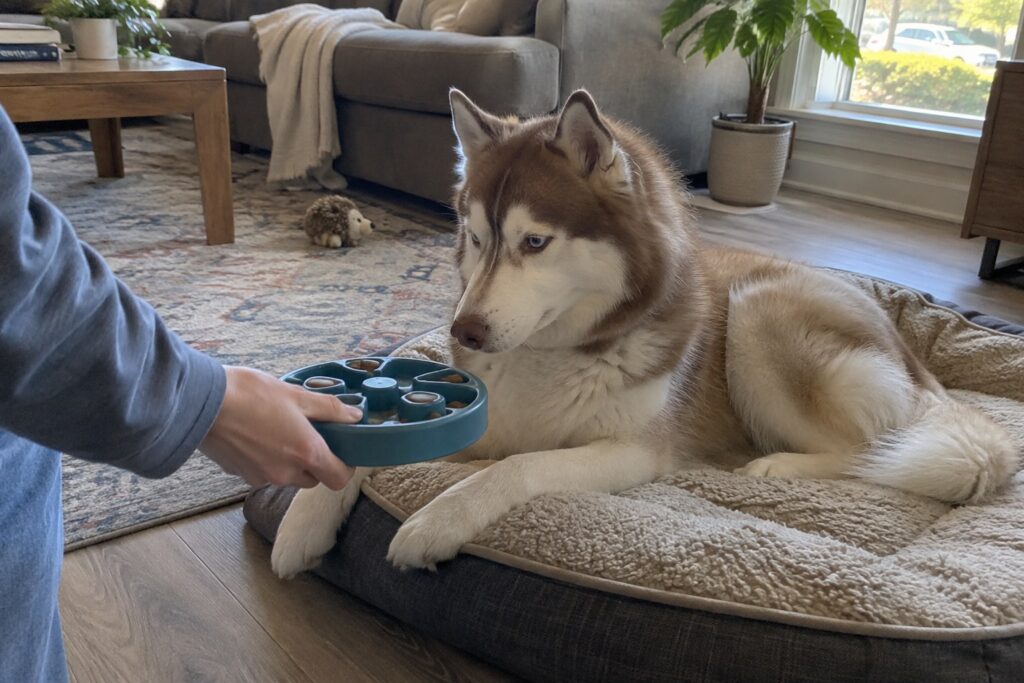
A husky’s coat and body were designed for cold, dry air. Central Texas brings long, hot summers and warm weather that often lingers into October. That does not mean a husky cannot live happily here, but it does change how, when, and where you train.
Timing Your Training and Exercise
Plan your most active sessions for early morning, before the pavement and air heat up, and for the later evening after sunset. Midday is better used for indoor work: short obedience drills, puzzle feeders, and “place” practice in an air-conditioned room.
A simple rule we give owners is to press the back of your hand to the pavement for several seconds. If it is too hot for your hand, it is too hot for paws. Grass and shaded trails are kinder surfaces than asphalt or sidewalks.
Shorter Sessions, More Often
Instead of one long run, break your husky’s day into several short sessions. Five to ten minutes of focused obedience, a cool-hour walk, and a mental game in the afternoon will tire most huskies more effectively than a single exhausting outing in the heat.
Mental work matters more than many owners realize. Asking a husky to hold a “down” while you walk around it, or to wait at a doorway, burns energy without raising body temperature much. For more on how the local climate affects behavior in general, read our post on how Austin’s climate and lifestyle affect your dog’s behavior and training.
The Coat Question
Many new husky owners in Texas assume shaving will keep their dog cooler. The AKC explains that a double coat actually helps a dog regulate temperature by trapping air between the layers and shielding the skin from the sun. Shaving can remove that protection.
A better approach is regular brushing during shedding seasons to clear out the loose undercoat so air can move through the coat. If you have concerns about your husky’s skin or coat, talk to your veterinarian.
| Time of Day | Typical Austin Conditions | Best Husky Activities |
|---|---|---|
| Early morning | Coolest part of the day | Walks, long-line recall practice, leash work |
| Midday and afternoon | Hottest air and pavement | Indoor obedience, puzzle toys, “place” and calm practice |
| After sunset | Cooling but pavement may stay warm | Shaded or grassy walks, short training games |
Recognizing Heat Stress and Heatstroke in Huskies
Every husky owner in Central Texas should know the warning signs of overheating. Huskies are enthusiastic and will often keep going long after they should stop, so it is your job to watch for trouble.
Signs to Watch For
The AVMA’s warm weather pet safety guidance lists anxiousness, excessive panting, restlessness, excessive drooling, unsteadiness, abnormal gum and tongue color, and collapse as signs of heat stress that call for emergency veterinary care. The AKC also notes rapid breathing, bright red gums, skin that feels hot to the touch, and difficulty keeping balance.
What to Do Right Away
If you see these signs, stop all activity, move your husky into shade or air conditioning, offer small amounts of water, and contact a veterinarian immediately. Heatstroke is a medical emergency, and only a vet can properly assess and treat it.
Prevention Built Into Training
Prevention is far easier than treatment. Carry water on every outing, plan routes with shade, and never leave a dog in a parked car. Teaching a reliable “settle” or “place” also helps, because a husky that knows how to relax is less likely to burn itself out chasing every distraction on a warm evening.
Want help building calm, focused behavior in your husky? Our two-week program gives your dog daily structure from trainers who understand high-energy breeds.
Building Recall With an Independent Husky
Recall is the skill husky owners ask about most, and for good reason. A husky that bolts after a squirrel near a busy street is in real danger. Reliable recall is possible, but it takes patience and the right progression.
Start on a Long Line
Begin practicing “come” on a long line in a low-distraction space, such as your backyard or a quiet, shaded park in the morning. The line lets you guide your husky back if it ignores you, so it never learns that running off works. Reward generously every time it arrives.
Add Distractions Gradually
Once your husky responds reliably at home, add mild distractions, then stronger ones. Practice near other dogs, around squirrels, and in new places. Many owners make the mistake of jumping straight from the living room to an open field. Our post on teaching your Austin dog to come when called every time walks through more recall tips.
Be Honest About Off-Leash Freedom
Some huskies never become fully trustworthy off leash around wildlife, and that is a normal breed trait rather than a training failure. Keep your husky leashed in unfenced areas and around places like the Ann and Roy Butler Hike and Bike Trail at Lady Bird Lake, where leash use is expected and squirrels are everywhere. Off-leash reliability is part of our advanced off-leash training, and it starts with a solid foundation.
Managing Prey Drive, Digging, and Escapes
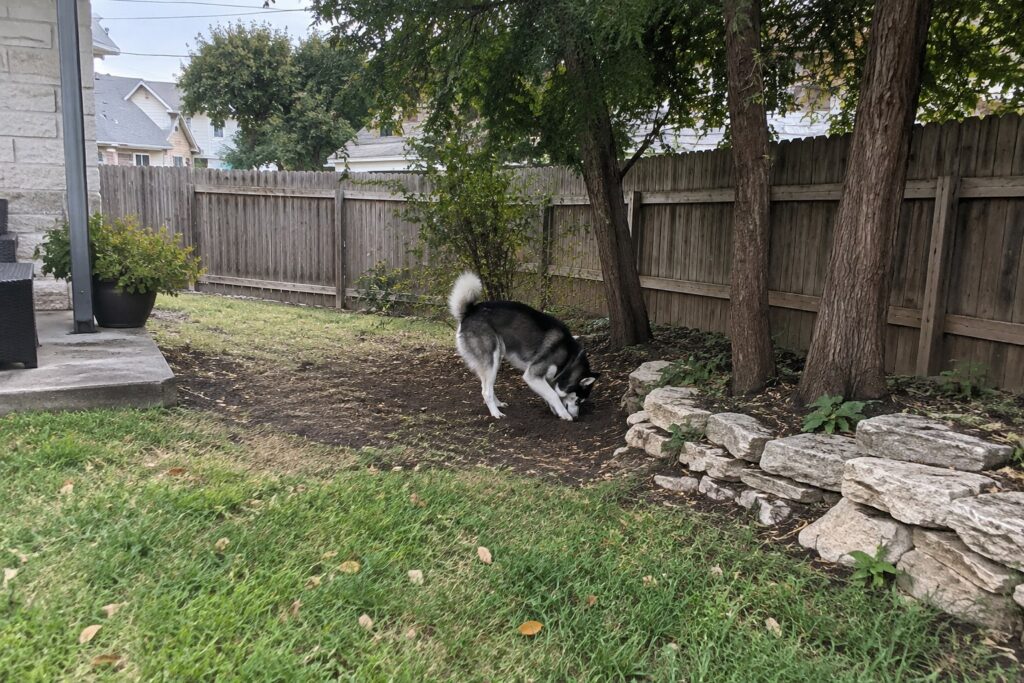
Huskies have a well-earned reputation as escape artists. They dig under fences, climb over them, slip out of doors, and squeeze through gaps you did not know existed. Training helps, but management has to come first.
Secure the Yard
Walk your fence line regularly and check for gaps, loose boards, and soft ground near the base. In many Austin yards, rocky limestone soil makes digging harder in some spots and easier in others, so look closely at areas near flower beds and drainage paths. Never leave a husky alone outside for long periods, especially in the heat.
Give Digging an Outlet
Digging is an instinct, and huskies sometimes dig to reach cooler soil. Instead of punishing it after the fact, give your husky a shaded spot where digging is allowed, interrupt digging elsewhere, and redirect it. Supervision and enough exercise reduce digging far more than scolding.
Door Manners and Impulse Control
Many husky escapes happen at the front door. Teach a “wait” at every doorway and gate, and reward your husky for staying put while the door opens. Pair that with “leave it” for squirrels and cats on walks. If leash pulling is part of the picture, our post on why dogs pull on the leash and how to stop it is a helpful next read.
| Escape Behavior | Management Step | Training Step |
|---|---|---|
| Digging under the fence | Check the fence base, supervise yard time | Redirect to an approved dig spot |
| Bolting out the door | Use a gate or leash near entry points | Practice “wait” at every doorway |
| Chasing animals | Keep a leash on in unfenced areas | Build “leave it” and focus around distractions |
| Climbing or jumping fences | Never leave the dog outside unattended for long | Burn energy with structured exercise first |
Why Two-Week Board and Train Works Well for Husky Training
Consistency is the single biggest factor in husky training, and it is also the hardest thing for busy households to maintain. That is where a residential program helps.
Daily Structure in a Controlled Setting
Our two-week Board and Train program is a fixed program where your dog stays at our facility and trains with our team every day. Dogs are housed individually in secure, climate-controlled kennels, which matters for a heat-sensitive breed. Every enrollment begins with an evaluation so we can shape the approach around your husky’s temperament.
Turnover Session and Written Instructions
We do not offer observation of training sessions, because a distraction-free setting helps your dog learn. At the end of the program, we hold a turnover session where you learn how to handle your husky and keep the training going, along with written instructions to follow at home.
Guaranteed Results and Lifetime Support
Board and Train comes with guaranteed results and lifetime support at no additional charge. If a habit resurfaces months later, you can reach out to our team. Affirm financing is available if you prefer to spread out the cost. You can compare options on our dog training programs page.
When In-Home Lessons Make Sense
Some owners prefer to work side by side with a trainer, or want follow-up help in their own home and neighborhood. Our in-home dog training and private lessons let you practice recall, door manners, and leash skills in the exact places your husky struggles. If you are still comparing trainers, our list of questions to ask before hiring a dog trainer in Austin can help.
| Option | Best For | What You Get |
|---|---|---|
| Two-week Board and Train | Huskies needing daily structure, recall, and impulse control | Daily training, turnover session, written instructions, guaranteed results, lifetime support |
| In-home private lessons | Owners who want hands-on coaching at home | Training in your own home and neighborhood |
Questions about your husky? Call our Austin team at (512) 963-6017 and we will help you choose the right next step.
About All Dogs Unleashed Dog Training Austin
All Dogs Unleashed Dog Training Austin helps Central Texas owners turn energetic, independent dogs into calm, reliable companions. Our fixed two-week Board and Train program gives huskies and other working breeds daily structure in secure, climate-controlled kennels, followed by a turnover session and written instructions, with guaranteed results and lifetime support. We also offer in-home private lessons, boarding, and refresh training. Whether your husky digs, bolts, or tunes you out, our team builds habits that last in Austin’s climate.
Frequently Asked Questions
Can huskies live comfortably in Austin, Texas?
Yes, many huskies live well in Austin when owners plan around the heat. Keep your husky indoors with air conditioning during the hottest hours, schedule exercise for early morning and after sunset, and provide shade and fresh water at all times. Watch closely for heat stress, and talk to your veterinarian about your individual dog’s needs.
Should I shave my husky for the Texas summer?
The AKC advises against shaving double-coated dogs like huskies, because the coat helps regulate body temperature and protects the skin from sun. Shaving can remove that protection. Regular brushing during shedding seasons removes the loose undercoat and helps air move through the coat. Ask your veterinarian if you notice skin or coat problems.
Why won’t my husky come when called?
Huskies are independent and have a strong prey drive, so a squirrel or new smell can easily outweigh your call. Most recall problems come from practicing too little or moving off leash too soon. Start with “come” on a long line in quiet areas, reward every success, and add distractions slowly before trusting your husky in open spaces.
How do I stop my husky from digging and escaping the yard?
Start with management by checking your fence line, reinforcing weak spots, and supervising yard time. Make sure your husky gets enough exercise and mental work during cooler hours, since boredom fuels digging. Offer a shaded spot where digging is allowed, redirect digging elsewhere, and practice “wait” at doors and gates to prevent bolting.
What are the signs of heatstroke in a husky?
The AVMA lists excessive panting, drooling, restlessness, anxiousness, unsteadiness, abnormal gum and tongue color, and collapse as signs of heat stress. The AKC adds rapid breathing, bright red gums, and hot skin. If you notice any of these, stop activity, move your husky somewhere cool, offer water, and contact a veterinarian right away.
Is Board and Train a good fit for huskies?
For many huskies, yes. Our fixed two-week Board and Train program gives your dog daily, consistent practice on recall, impulse control, and manners in a structured setting. It begins with an evaluation and ends with a turnover session where you learn to handle your dog, plus written instructions, guaranteed results, and lifetime support.
Smart husky training in Austin comes down to working with the breed instead of against it: train in the cool hours, build recall slowly, manage escapes, and know the signs of heat stress. If you want expert help, call our Congress Ave team at (512) 963-6017 or reach out online. You can also visit us at 111 Congress Ave. #201 in downtown Austin or at 3704 Mountain View Ave, where you can reach the team directly at (512) 253-8819.
Ready to Get Started with All Dogs Unleashed Dog Training Austin?
Give your husky the structure and skills it needs to thrive in Central Texas. Call (512) 963-6017 (Congress Ave) or (512) 253-8819 (Mountain View Ave) to talk with our team about Board and Train or in-home lessons.