
Finding a qualified dog trainer in Austin is not as simple as searching online and picking the first name that appears. Texas has no licensing requirements for dog trainers, which means anyone can call themselves a professional trainer regardless of their education, experience, or the methods they use. That reality makes it especially important for dog owners to know how to evaluate a trainer before committing to a program.
This guide walks through the key factors to consider when choosing a dog trainer in Austin, including credentials to look for, training methods to understand, and red flags that should prompt you to keep looking.
Why Credentials Matter When No License Is Required
Because Texas does not regulate the dog training industry, credentials from professional organizations serve as one of the most reliable indicators of a trainer’s knowledge and commitment to ethical practices.
Look for trainers who hold certifications from respected industry organizations, such as:
- CPDT-KA (Certified Professional Dog Trainer – Knowledge Assessed): Issued by the Certification Council for Professional Dog Trainers, this credential requires documented training hours and passing a comprehensive exam covering animal behavior, learning theory, and instructional skills.
- KPA CTP (Karen Pryor Academy Certified Training Partner): A rigorous hands-on program focused on positive reinforcement techniques.
- CDBC (Certified Dog Behavior Consultant): For dogs with more serious behavioral issues, a certified behavior consultant brings additional expertise in assessing and addressing complex problems.
Trainers who hold these credentials have been evaluated against industry standards and are required to complete ongoing education to maintain certification.
Understanding Training Methods

The method a trainer uses matters as much as their credentials. Dog training approaches generally fall along a spectrum based on how much they rely on reward-based reinforcement versus aversive corrections.
Modern, science-based training is grounded in how dogs actually learn. Positive reinforcement, the practice of rewarding behaviors you want to see repeated, is widely supported by animal behavior science and veterinary organizations as the most effective and humane approach for most dogs.
Training methods that rely heavily on physical corrections, intimidation, or devices like prong collars or shock collars can suppress behavior in the short term but often increase stress, anxiety, and fear in dogs. In some cases, these methods can make behavioral problems worse rather than better.
When speaking with a trainer, ask directly:
- What methods do you use to teach new behaviors?
- How do you handle a dog that is not responding to training?
- What tools do you use and why?
A trainer who cannot clearly explain their approach or who avoids the question is worth approaching with caution.
Types of Training Programs to Consider
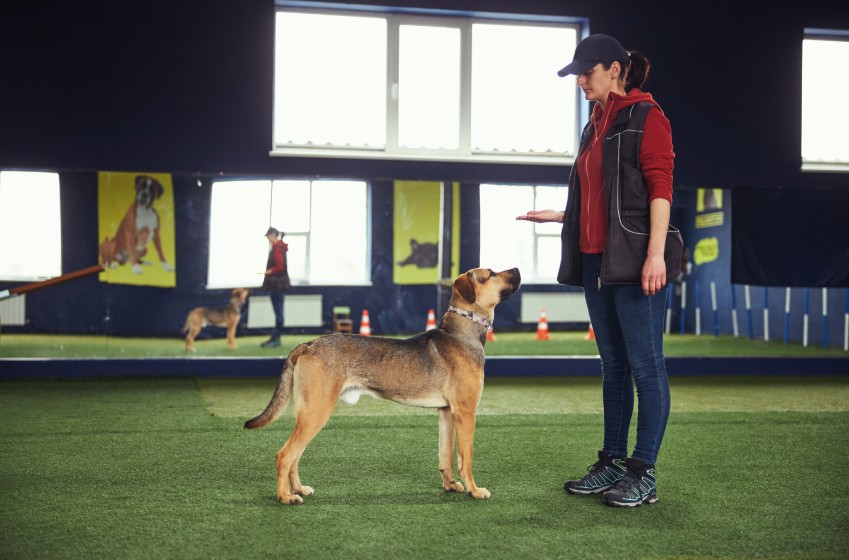
Dog trainers in Austin typically offer a range of program formats, and the right one depends on your dog’s specific needs and your own schedule.
- Group classes: Well-suited for puppies and dogs that need socialization practice alongside basic obedience skills. These are often the most affordable option.
- Private sessions: Offer focused attention on specific behaviors or issues in a one-on-one setting. Useful for dogs that do not do well in group environments.
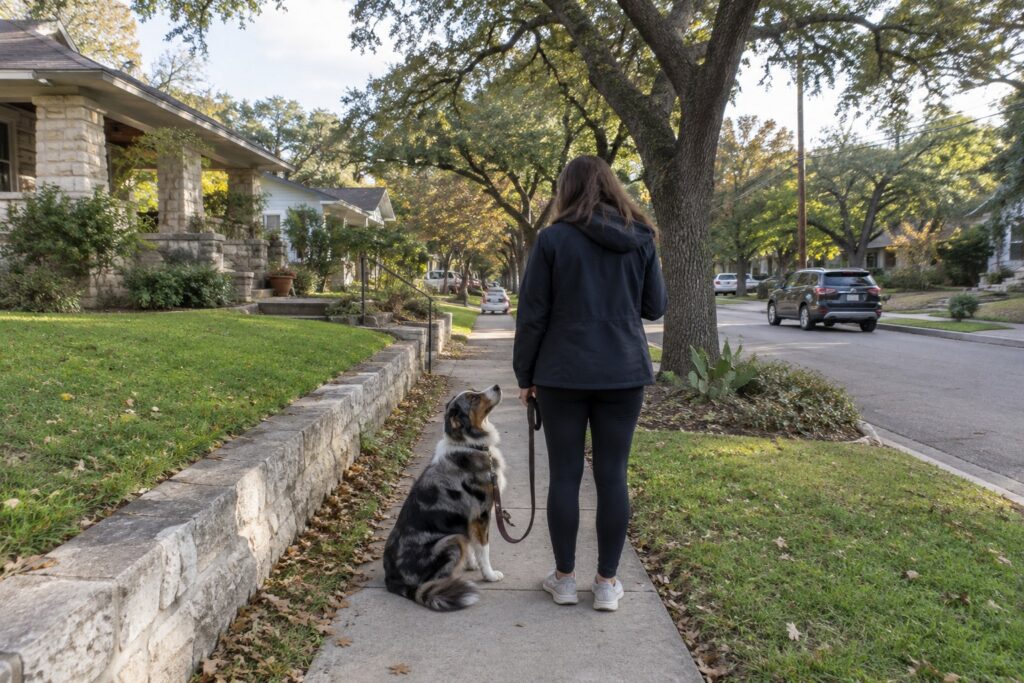
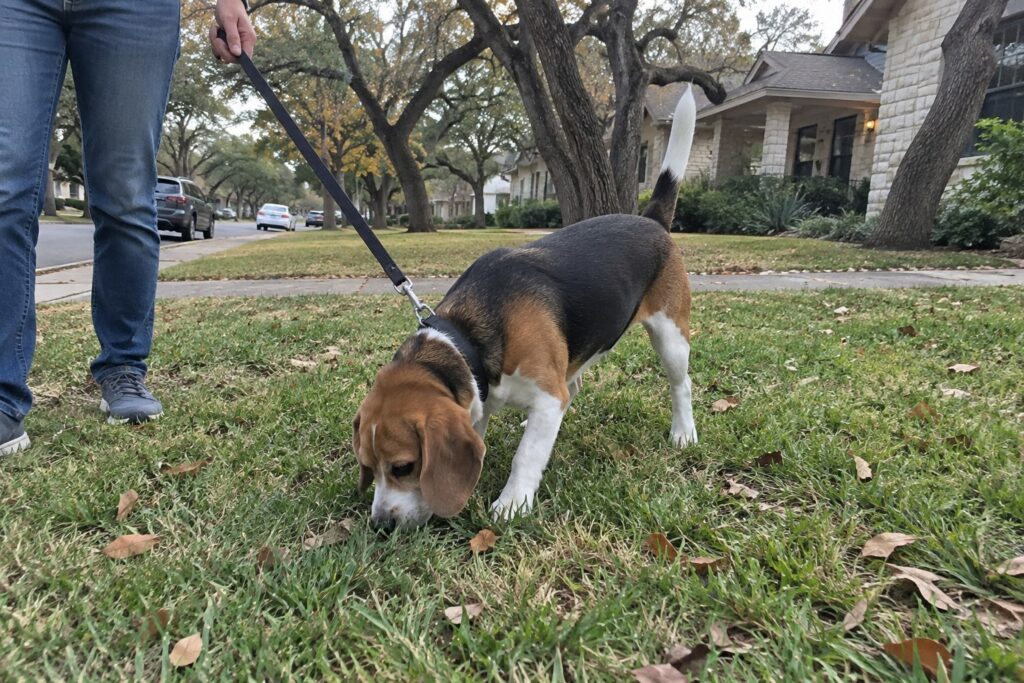
- In-home dog training: Brings training directly into your home and neighborhood, which is often the most effective format for dogs with separation anxiety, household-specific behaviors, or leash reactivity on familiar routes.
- Board and train programs: Your dog stays with the trainer for an intensive training period, typically one to three weeks. This format works well for dogs that need consistent daily work, as well as for owners with limited time to practice between sessions.
Each format has its strengths. A good trainer will help you identify which option fits your dog’s temperament and your household’s needs, rather than defaulting to a single format regardless of the situation.
Questions to Ask Before You Hire a Dog Trainer
Before committing to a training program, take time to have a real conversation with the trainer. The answers you get will tell you a lot about their approach and professionalism.
- What is your training philosophy and what certifications do you hold?
- How do you handle aggression or fear-based behaviors?
- Can you provide references from past clients?
- What does the training program include and what is expected of me as the owner?
- What happens if my dog does not make progress?
A qualified trainer will welcome these questions. They will be transparent about their background, honest about what is realistic, and clear about the role the owner needs to play in the process. If a trainer discourages questions or makes guarantees that sound too good to be true, treat that as a warning sign.
Red Flags to Watch For
Not every trainer offering services in Austin meets a professional standard. Some red flags to watch out for include:
- No verifiable credentials or professional affiliations
- Vague or evasive answers about training methods
- Guarantees of fixed timelines or permanent results without an evaluation
- Heavy reliance on punishment, dominance-based language, or outdated theories like “alpha” or “pack leadership”
- Unwillingness to explain or demonstrate techniques before you commit
- No client references or reviews available
Your dog cannot tell you if a training experience is causing stress or harm. That makes your due diligence before selecting a trainer especially important.
The Owner’s Role in Dog Training
Even the most skilled trainer cannot produce lasting results without engagement from the dog’s owner. Training is not something done to a dog in isolation. It requires the owner to understand the techniques, practice consistently, and apply what was learned across different environments and situations.
Before enrolling in any program, be realistic about the time you can commit to daily practice. A good trainer will coach you alongside your dog and ensure that you leave each session with clear, actionable steps to continue the work at home.
Frequently Asked Questions
How do I know if a dog trainer in Austin is qualified?
Look for certifications from recognized organizations such as the Certification Council for Professional Dog Trainers (CPDT-KA) or Karen Pryor Academy. Ask about their methods, experience with your dog’s specific issues, and whether they can provide client references.
Is positive reinforcement training effective for all dogs?
Positive reinforcement is effective for the vast majority of dogs and is supported by animal behavior science and major veterinary organizations. Some dogs with complex behavioral histories may need a more tailored approach, but reward-based training is typically the appropriate starting point for any dog.
What is the difference between board and train and in-home training?
Board and train involves your dog staying with the trainer for an intensive period of daily training. In-home training brings the trainer to your environment, which is useful for addressing behaviors that are specific to your home or neighborhood. Both formats can be highly effective depending on the dog and the goals.
How long does dog training take?
It depends on the dog’s age, temperament, prior history, and the specific behaviors being addressed. Basic obedience for a young puppy may take a few weeks of consistent practice. Behavioral issues like reactivity or anxiety typically require longer, more consistent work over several months.
Should I be present during training sessions?
In most formats, owner participation is important. Even in board and train programs, a quality trainer will spend time teaching you how to maintain the behaviors your dog learned before the program ends. Training only sticks long-term when the owner can reinforce it consistently.
What should I expect at a first training consultation?
A professional trainer should observe your dog, ask questions about your dog’s history and current behaviors, discuss your goals, and explain their recommended approach before any training begins. This evaluation is where a good training plan starts.
Work with a Trusted Dog Training Team in Austin
Choosing the right dog trainer takes time and careful consideration, but it makes a significant difference in outcomes for your dog. At All Dogs Unleashed, the team works with Austin-area dog owners to understand their dogs’ individual needs and match them to the right training format and program.
To get started or ask questions, contact All Dogs Unleashed Austin at (512) 253-8819 or visit the facility at 3704 Mountain View Ave, Austin, TX 78734.