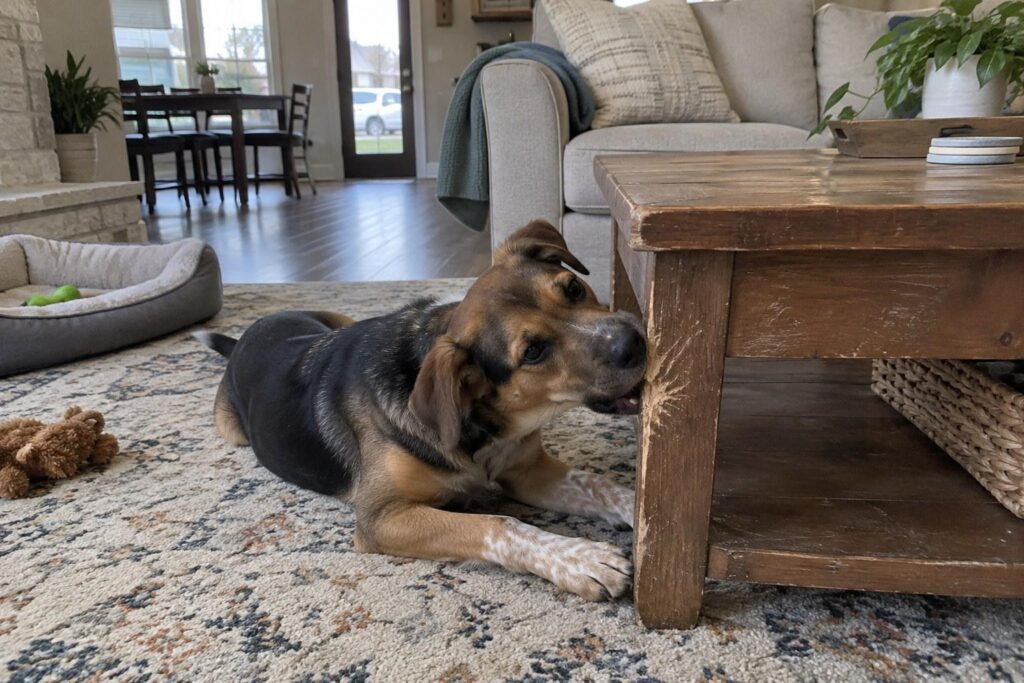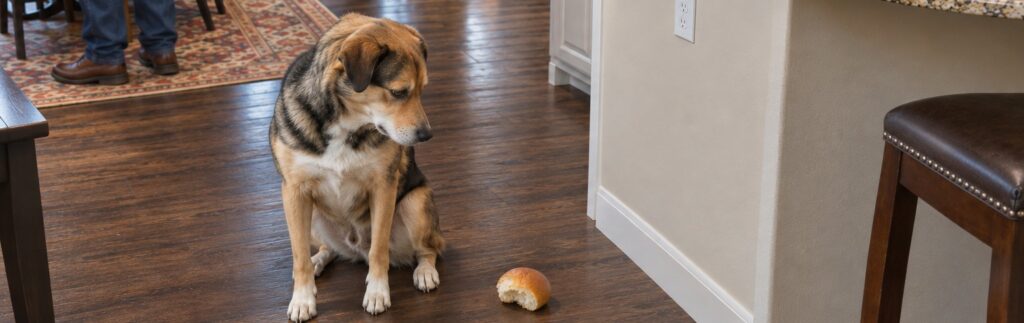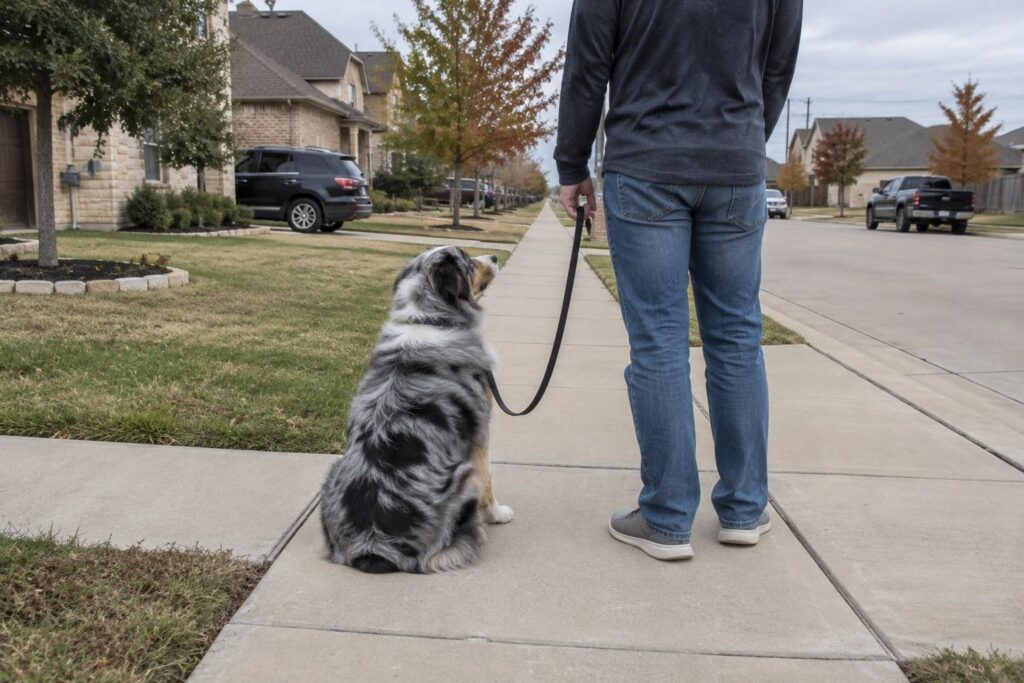

Yorkie training trips up more owners than almost any other small breed, and it is rarely because the dog is not smart. Yorkshire Terriers are quick learners with big opinions, and they will happily train you if you let them. The good news is that the problems we see most often, like house training accidents, barking at every sound, and a tiny dog acting like the boss of the house, all respond well to clear, consistent structure.
At All Dogs Unleashed, we work with small dogs from all over Dallas and the DFW Metroplex. Below we break down why Yorkies behave the way they do and how to build a calm, well-mannered companion, one routine at a time.
Want a plan built around your Yorkie? Talk with our team today.
Key Takeaways
- Yorkies are true terriers at heart, so their confidence, alertness, and stubborn streak need structure rather than coddling.
- House training a toy breed takes extra supervision, a tight schedule, and a plan for rainy days and hot Texas afternoons.
- Barking is usually a response to a trigger that has been rewarded, and it improves when you teach a quiet alternative and manage the environment.
- Small dog syndrome is a set of habits that people create by holding small dogs to lower standards, and it can be reversed with the same rules you would use for a large dog.
- Our two-week Board and Train program gives Yorkies daily structured practice, and owners learn how to keep the results going at home.
Understanding the Yorkshire Terrier Before You Train
Good training starts with knowing what you are working with. A Yorkie is not a stuffed animal that happens to bark. It is a working terrier in a very small package.
What the AKC Says About the Breed
According to the American Kennel Club breed profile, Yorkshire Terriers stand about 7 to 8 inches tall, weigh around 7 pounds, and have a life expectancy of 11 to 15 years. The AKC also describes the breed as a feisty, old-time terrier that earned its living as a ratter in mines and mills before it became a lapdog.
That history matters. A dog bred to hunt rats in noisy workplaces needed to be alert, bold, and quick to react. Those same traits show up today as a Yorkie who announces every delivery truck in your Lakewood driveway and refuses to back down from a dog five times its size.
Why Yorkies Are Smart but Selective Learners
Yorkies pick up patterns fast. The catch is that they learn the patterns you do not intend to teach just as quickly as the ones you do. If barking at the door makes you pick them up, they learn that. If refusing to come inside on a cold morning gets them five extra minutes in the yard, they learn that too.
That is why consistency beats intensity with this breed. A Yorkie notices every inconsistency and tests it.
Why Size Changes the Training Approach
A 7-pound dog is easy to scoop up, carry, and redirect physically. That convenience is exactly what makes many Yorkies harder to train. When you can solve every problem by lifting the dog, the dog never has to learn to solve it on its own.
| Yorkie Trait | How It Shows Up at Home | Training Focus |
|---|---|---|
| Alert terrier instincts | Barking at noises, people, and other dogs | Quiet cue, trigger management, calm rewards |
| Quick learner | Learns bad habits as fast as good ones | Consistent rules from every family member |
| Tiny body | Gets carried instead of taught | Ask for behaviors on all four feet |
| Bold attitude | Challenges larger dogs and guests | Impulse control and structured socialization |
| Small bladder | Frequent accidents indoors | Tight potty schedule and supervision |
House Training a Yorkie the Right Way
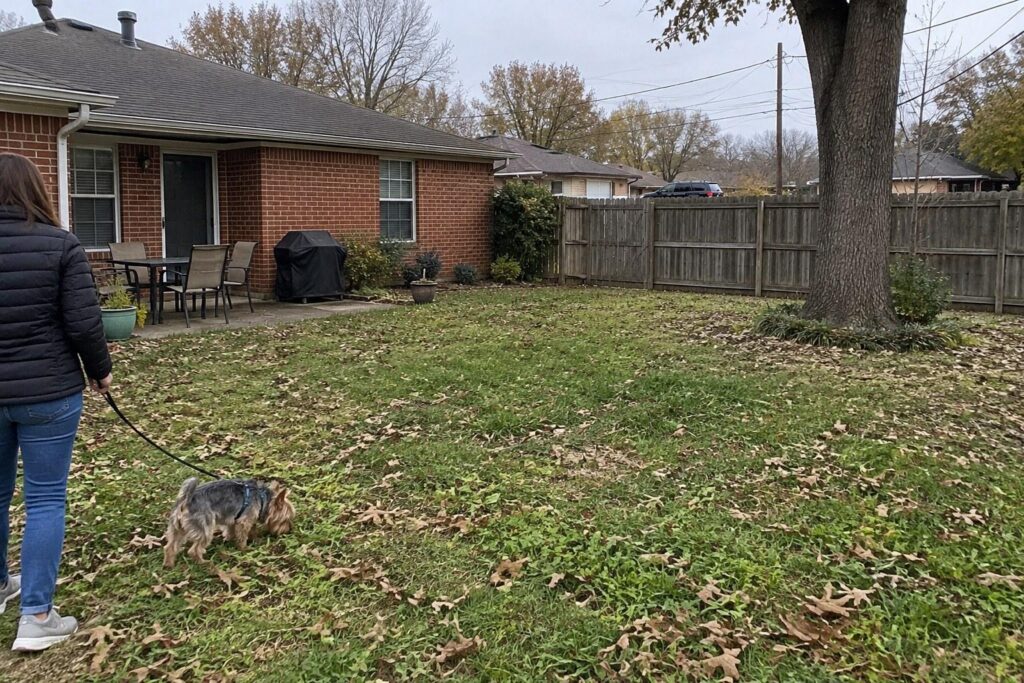
House training is the number one complaint we hear from Yorkie owners. Small dogs have small bladders, and their accidents are easy to miss behind a couch or under a dining table. Missed accidents mean the habit quietly grows.
Why Toy Breeds Struggle With Potty Training
A Yorkie peeing in a back bedroom might go unnoticed for days, and every missed accident teaches the dog that indoors is an acceptable spot.
Weather plays a role too. Many small dogs dislike rain and cold mornings, so a Yorkie may refuse to go outside on a stormy Dallas day and then go the moment it is back on the carpet.
Build a Predictable Potty Schedule
Structure is the fastest fix. Take your Yorkie out first thing in the morning, after every meal, after naps, after play, and right before bed. Young puppies need even more frequent trips. Go to the same spot each time and use a short, consistent phrase.
When your dog goes outside, reward right away with calm praise or a small treat. Timing matters. Rewarding after you walk back inside teaches the dog that coming inside is the good part, not the potty break. For a deeper look at schedules, our post on potty training a puppy in your Dallas home walks through the full routine.
Use a Crate and Supervision Together
Most dogs avoid soiling the area where they sleep, which makes a properly sized crate a helpful tool. For a Yorkie, the crate should be just large enough to stand, turn around, and lie down. Too much space lets the dog use one corner as a bathroom.
When your Yorkie is out of the crate, keep it in the same room as you. A leash clipped to your belt or a baby gate around the kitchen keeps accidents visible. If you catch your dog starting to go, interrupt calmly and carry it outside to finish. Our tips on why crate training works explain how to make the crate a calm, positive space.
Handle Accidents Without Punishment
Punishing an accident after the fact does not teach anything useful. Your dog may simply learn to hide when it needs to go, which makes the problem harder.
Clean accidents thoroughly with an enzymatic cleaner so the scent does not draw your dog back to the same spot. Then tighten the schedule and supervision. If accidents suddenly increase in a dog that was doing well, check with your veterinarian to rule out a medical cause.
| Approach | What Happens | Better Choice |
|---|---|---|
| Free roam of the whole house | Hidden accidents in back rooms | Gates, leash, and supervised areas |
| Potty breaks only when the dog asks | Missed signals and accidents | Scheduled breaks around meals, naps, and play |
| Scolding after an accident | Dog learns to hide while going | Calm interruption and better management |
| Treat given back inside | Dog values coming in, not going | Reward right at the potty spot |
How to Stop a Yorkie From Barking at Everything
Yorkies bark. It is part of the terrier package. The goal is not a silent dog but a dog that can alert once and then settle when you ask.
Figure Out What Triggers the Barking
Before you can fix barking, you need to know what starts it. Common triggers include the doorbell, people walking past the window, other dogs on neighborhood walks, being left alone, and wanting attention. Spend a few days noting when your Yorkie barks, how long it lasts, and what you did in response.
A dog barking at walkers on an Oak Cliff sidewalk is reacting to a visual trigger, while one barking at your dinner plate is asking for something. Our post on why Dallas dogs bark excessively covers more of the common causes.
Teach a Quiet Cue
Start in a calm setting. When your dog barks once or twice, wait for a brief pause, say your quiet word, and reward the silence. Gradually ask for longer quiet before the reward. Practice with mild triggers first, like a knock you make yourself, before working up to real visitors.
Stop Rewarding the Noise
Many Yorkie owners accidentally pay for barking. Picking the dog up, offering a treat to distract it, or letting it out of the crate while it yaps all teach that noise works. Wait for a moment of quiet before you give attention, open the crate, or put down the food bowl.
Manage the Environment
Management buys time while training takes hold. Closing blinds on a front window or moving your dog’s bed away from the street reduces triggers, and a mentally tired terrier barks less than a bored one.
Ready to get real structure in place for your small dog? Our two-week residential program builds these habits with daily practice.
Small Dog Syndrome and Why It Happens
Small dog syndrome is not an official diagnosis. It is a name for the collection of pushy behaviors that show up when a small dog is held to lower standards than a large dog would be.
What Small Dog Syndrome Looks Like
You may see jumping on guests, growling when moved off the couch, lunging at bigger dogs on leash, demanding to be picked up, or guarding a favorite person. Together they create a dog that feels in charge and often anxious about it.
How Owners Accidentally Create It
Most of these habits grow from kindness. People laugh when a Yorkie jumps, lift it whenever it whines, and let it skip commands that a Labrador would be expected to follow. A 70-pound dog jumping on a guest gets corrected immediately. A Yorkie doing the same thing gets cuddled.
The dog does not know it is small. It only knows which behaviors earn attention. Our post on why dogs jump on people explains how this cycle builds and how to break it.
Set the Same Rules You Would for a Big Dog
The fix is simple to say and takes discipline to follow. Expect the same manners from your Yorkie that you would from any dog. Ask for a sit before meals, doorways, and being picked up. Keep all four paws on the floor when greeting people. Use furniture as a privilege the dog is invited onto, not a throne it claims.
Let your dog walk instead of being carried whenever it is safe. Walking a loop around the neighborhood or a quiet stretch near White Rock Lake gives a small dog real exercise and real practice following you.
| Common Habit | What the Yorkie Learns | What to Do Instead |
|---|---|---|
| Picking up the dog when it barks | Barking gets me lifted | Wait for quiet, then calmly move |
| Allowing jumping on guests | Jumping earns attention | Reward four paws on the floor |
| Free access to all furniture | The couch belongs to me | Invite up only after a sit |
| Skipping commands because it is small | Rules are optional | Practice sit, stay, and come daily |
Building Obedience and Confidence in Your Yorkie
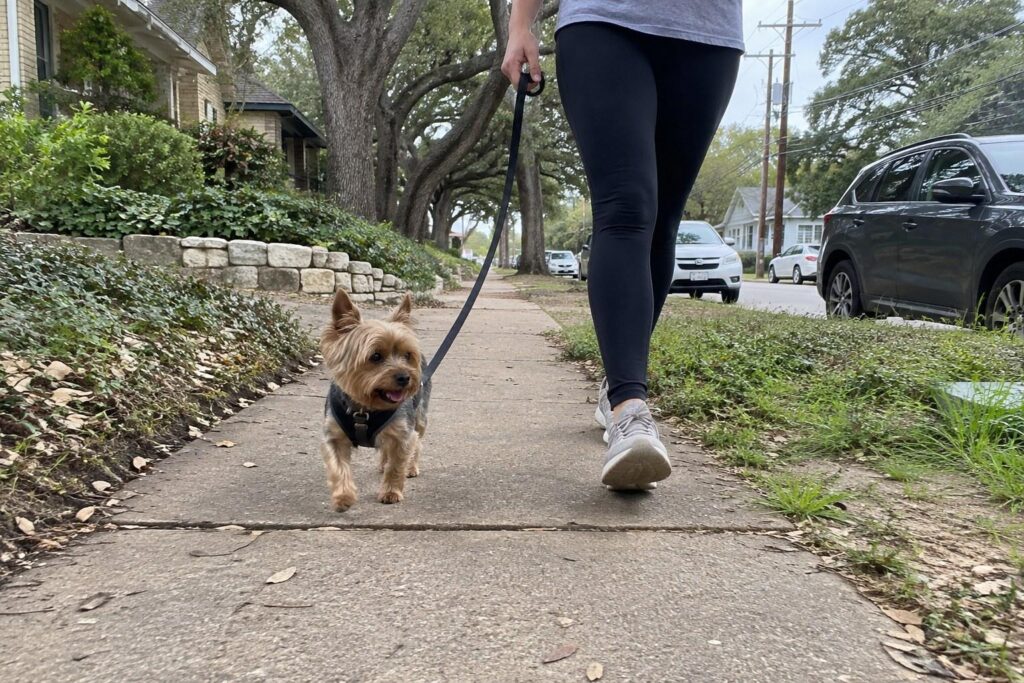
A well-trained Yorkie is a more relaxed Yorkie. Clear obedience gives a small dog a set of predictable answers to stressful situations, which lowers the need to bark, guard, or lunge.
Core Commands Every Yorkie Should Know
Focus on sit, down, stay, come, place, and leave it. These cover most everyday situations, from greeting visitors to ignoring something dropped on the kitchen floor. Keep sessions short and practice in different rooms. Our list of must-know obedience commands from Dallas trainers is a helpful checklist.
Leash Manners for a Tiny Dog
Leash training matters as much for small dogs as for large ones. A Yorkie that zigzags in front of you is a tripping hazard and can be hurt. Use a well-fitted harness or collar that your dog cannot back out of, and reward your dog for walking near your leg on a loose leash.
Start in low-distraction places like your street before trying busier spots such as the Katy Trail or Klyde Warren Park. Hot pavement is a real concern in Dallas summers, so walk in the early morning or evening and test the ground with your hand.
Structured Socialization
Yorkies often bark or snap at larger dogs because they feel vulnerable. Socialization should be calm and controlled, not a free-for-all at a busy dog park. Let your dog watch other dogs from a comfortable distance and reward calm behavior. Gradually close the distance only when your dog stays relaxed.
Learning to read your dog’s signals helps you step in before a reaction. Our post on understanding canine body language covers the stiff posture, lip licks, and other early warning signs to watch for.
When to Bring In Professional Yorkie Training Help
Many Yorkie habits improve with a solid routine at home. Some do not, especially when they have been practiced for years or when they involve growling, snapping, or serious anxiety. That is the right moment to get a trainer involved.
Signs Your Yorkie Needs More Than Home Practice
Consider professional help if house training has stalled for months, if barking is causing problems with neighbors or apartment management, if your dog growls or bites when handled or moved, or if leash reactions make walks stressful.
How Board and Train Helps Small Dogs
Our Board and Train program is a fixed two-week program with daily structured instruction. Every dog starts with an initial assessment so we can build a customized plan. The program covers obedience, barking, jumping, house training, leash pulling, and biting, along with structured socialization. Our advanced level adds off-leash reliability, distance commands, and impulse control.
At the end, you learn how to handle your dog so the progress continues at home. Board and Train includes guaranteed results and lifetime support at no additional charge, and Affirm financing is available.
Private Lessons for Household Habits
Some Yorkie problems live in a specific space, like barking at the front window or claiming the couch. Private in-home dog training lets us work on boundaries right where they happen, such as staying off furniture, waiting at doorways, and staying calm when guests arrive. Every family member learns the same handling, and you get follow-up support between sessions. Lessons are also available at our Carrollton facility.
| Option | Best For | What You Get |
|---|---|---|
| Board and Train | Busy owners and dogs with several problem behaviors | Two weeks of daily structured training, owner handling instruction, guaranteed results, and lifetime support |
| Private Lessons | Household boundaries and family consistency | Hands-on sessions at home or our facility, plus follow-up support between sessions |
If you are unsure which option fits your Yorkie, give us a call at (972) 484-3647 and we will help you choose.
About All Dogs Unleashed
All Dogs Unleashed helps Dallas area owners raise calm, well-mannered dogs of every size, including spirited toy breeds like the Yorkshire Terrier. Our two-week Board and Train program gives dogs daily structured practice on obedience, barking, house training, and impulse control, with guaranteed results and lifetime support. We also offer private lessons at our Carrollton facility or in your home across the DFW Metroplex, so small dogs learn good habits where they actually live.
Frequently Asked Questions
Are Yorkies hard to train?
Yorkies are intelligent and learn quickly, but their terrier independence can make them seem stubborn. The real challenge is consistency. Because they are small, owners often let rules slide, and the dog learns that commands are optional. With short daily sessions, clear expectations, and the same rules from every family member, most Yorkies respond very well to structured training.
How long does it take to potty train a Yorkie?
Every dog is different, and timelines depend on age, history, and how consistent the routine is. Toy breeds often need more supervision than larger dogs because their accidents are easy to miss. A tight schedule, crate use, prompt rewards outside, and thorough cleanup of accidents make the biggest difference. Talk to your veterinarian if accidents increase suddenly.
Why does my Yorkie bark so much?
Yorkies were developed as alert terriers, so barking at noises and movement comes naturally. Excessive barking usually means the behavior has been rewarded with attention, being picked up, or the trigger leaving. Identify what sets your dog off, manage those triggers, teach a quiet cue, and only give attention once your dog is calm and silent.
What is small dog syndrome in Yorkies?
Small dog syndrome describes pushy habits like jumping on guests, growling when moved, demanding to be held, and lunging at bigger dogs. It is not a medical condition. It usually develops when a small dog is held to lower standards than a large dog. Applying the same rules and obedience expectations you would give any dog helps reverse it.
Can an adult Yorkie still be trained?
Yes. Adult Yorkies can learn new commands and replace old habits, although long-practiced behaviors may take more repetition to change. Start with clear routines, reward the behavior you want, and stop rewarding the behavior you do not. For stubborn problems like barking or house training setbacks, structured professional training can speed up progress and give you a clear plan.
Is Board and Train a good fit for a Yorkie?
It can be a strong fit, especially for Yorkies with several problem behaviors. Our two-week Board and Train program begins with an assessment and includes daily structured instruction on obedience, barking, house training, and impulse control. At the end, you learn to handle your dog at home, and the program includes guaranteed results and lifetime support.
Consistent yorkie training turns a bossy, barking little terrier into a confident companion who is a pleasure to live with. If you want help, call (972) 484-3647 or reach out online. Our training facility at 2401 Luna Rd in Carrollton serves Dallas and the entire DFW Metroplex.
Ready to Get Started with All Dogs Unleashed?
Your Yorkie is ready to learn, and we are ready to help. Call (972) 484-3647 to talk with our team about the right training plan for your small dog. You can also visit All Dogs Unleashed at 2401 Luna Rd, Carrollton, TX 75006.