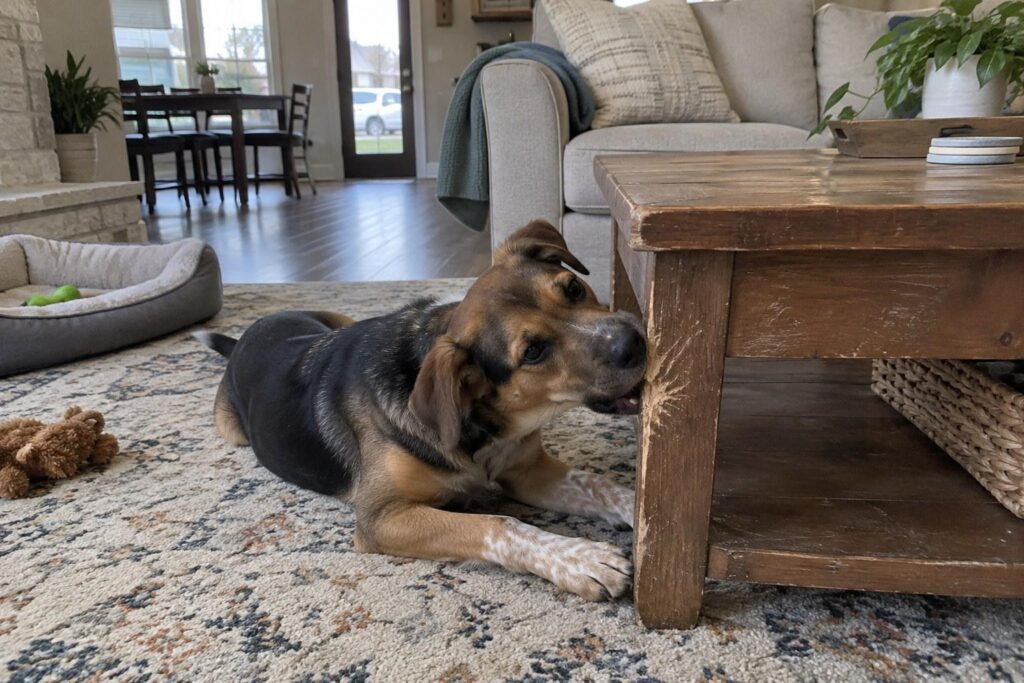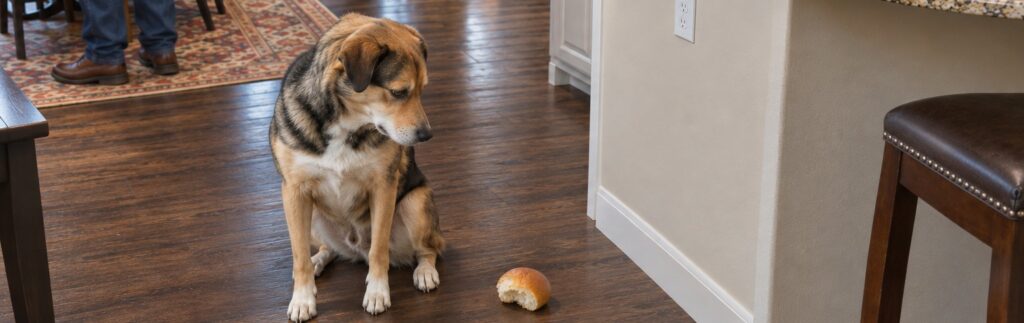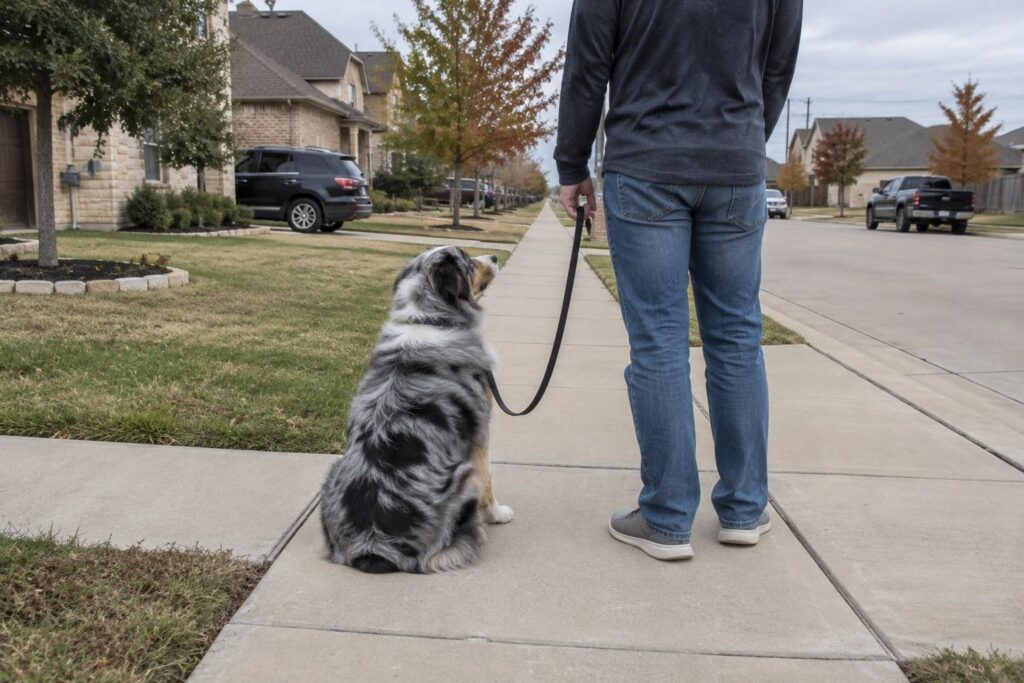

Australian Shepherd training asks more of you than training a typical family dog. Aussies were developed to work livestock all day, so they arrive with a sharp mind, a strong herding drive, and energy that does not switch off just because you live in a suburban neighborhood with a small backyard.
At All Dogs Unleashed Dog Training Frisco, we work with dogs of every breed, and herding dogs bring their own pattern of strengths and challenges. Below, we explain what makes Aussies different, which problems show up most often in busy family homes, and how structured training turns all that drive into a dog you can actually live with.
Living with an Aussie who runs the house? Our team can help you take it back.
Key Takeaways
- Australian Shepherds are a herding breed, so chasing, circling, and nipping at moving feet are instincts to redirect, not signs of a bad dog.
- Mental work matters as much as exercise, because a tired body with a bored mind still finds trouble.
- Impulse control skills like “place”, “wait”, and “leave it” do more for an Aussie than extra laps around the block.
- Kids, bikes, scooters, and passing joggers can trigger herding behavior, so practice around motion has to be built step by step.
- Our two-week Board and Train program gives your Aussie daily structured sessions and ends with hands-on owner transfer sessions so the results carry over at home.
What Makes Australian Shepherds Different
Every dog is an individual, but breed history shapes what a dog finds rewarding and what it does when it is bored. The AKC’s Australian Shepherd breed profile describes Aussies as intelligent, energetic working dogs with a strong herding background. That combination is wonderful on a ranch and demanding in a busy household.
Built to Work, Not to Wait
A herding dog’s job is to watch movement, anticipate it, and control it. That means your Aussie is constantly scanning the room, the yard, and the street. When nobody gives that brain a task, it invents one. Common choices include guarding the window, rounding up the kids, or chewing the corner of the couch.
Aussies also tend to learn fast. That cuts both ways. They pick up good habits quickly, but they learn bad ones just as quickly, including the fact that barking at the door makes you come running.
Sensitive and Reserved With Strangers
Many Aussies are deeply loyal to their own family and more cautious with new people. That reserve is normal for the breed, but without guidance it can turn into barking at guests, hovering between the kids and visitors, or reacting to people on walks. Calm, steady exposure early on helps. Our post on socializing your dog for confident, friendly behavior covers the basics.
How Aussies Compare to Other Family Breeds
Owners who have had retrievers before are often surprised by how different an Aussie feels. Retrievers usually want to carry things and greet everyone. Aussies often want to manage things and keep an eye on everyone. The table below sums up the most common differences.
| Trait | Typical Australian Shepherd | Typical Retriever |
|---|---|---|
| Core instinct | Watching and controlling movement | Carrying and retrieving objects |
| Reaction to running kids | May chase, circle, or nip at heels | May join in or bring a toy |
| Attitude toward strangers | Often reserved or watchful | Often openly friendly |
| Boredom behavior | Pacing, barking, inventing “jobs” | Chewing, mouthing, stealing items |
| Training priority | Impulse control and calm settling | Manners and mouth control |
Common Aussie Challenges in Suburban Homes
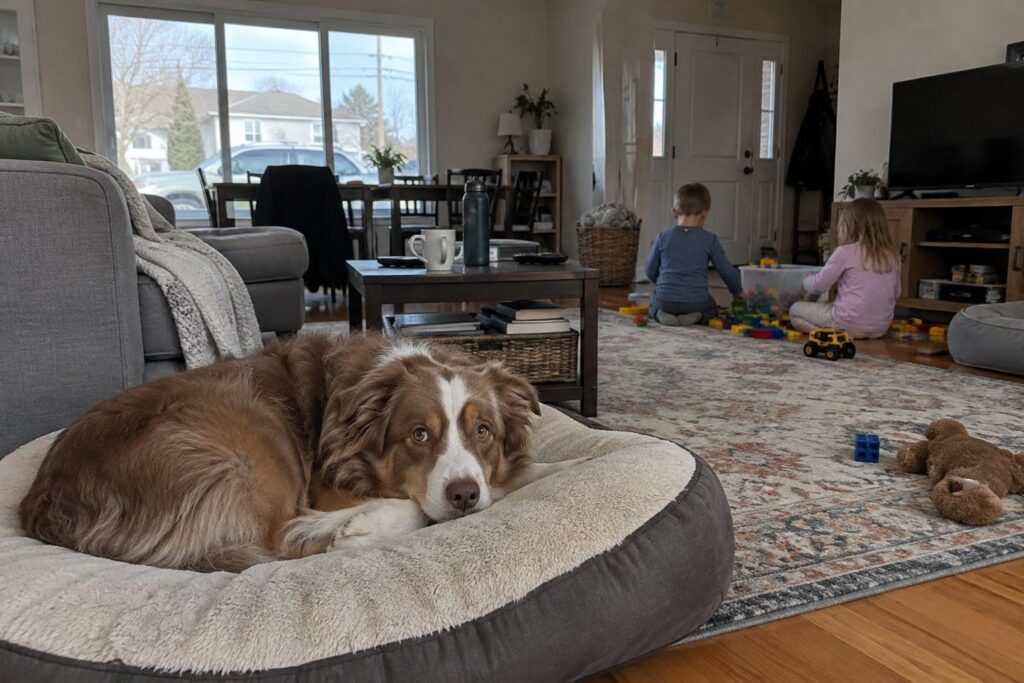
Frisco neighborhoods are full of things that move. Kids on bikes, scooters on the sidewalk, delivery trucks, and joggers on the trail all look like a job to a herding dog. Here are the problems we see most often with Aussies and other herding breeds in family homes.
Nipping at Heels and Herding the Kids
Nipping at ankles is herding behavior, not random aggression, but it still needs to stop, especially with young children in the house. Kids who run and squeal make the behavior more exciting for the dog. The fix is twofold. Teach your Aussie a calm default behavior, like going to a bed or mat, and teach your kids to stop and stand still instead of running when the dog gets wound up.
If the nipping ever comes with stiff posture, growling, or hard bites, treat it as more than play. Our post on fear aggression signs can help you tell the difference, and a professional evaluation is the right next step.
Chasing Cars, Bikes, and Anything With Wheels
Many Aussies lock onto moving vehicles. On leash, that looks like lunging and barking. Off leash, it can be dangerous. Building focus around motion takes time, and it starts far away from the trigger so your dog can succeed before you move closer.
Barking and Fence Patrol
A watchful breed in a yard with a shared fence line often turns into a full-time security guard. Fence running and alert barking can wear on you and your neighbors quickly. Our post on how to stop excessive barking walks through the management side.
Trouble Settling Down
Some Aussies seem unable to lie down and relax, even after a long walk. That is often a skill gap, not an energy problem. A dog that has never been taught to switch off will keep looking for the next thing to do. Teaching an “off switch” is one of the most valuable parts of Australian Shepherd training.
| Problem Behavior | What Is Driving It | Training Focus |
|---|---|---|
| Nipping at heels | Herding instinct triggered by motion | Calm default behavior, “leave it”, family rules |
| Chasing bikes and cars | Fixation on moving objects | Focus at a distance, gradual exposure |
| Fence running and barking | Watchfulness plus boredom | Supervision, “quiet”, structured yard time |
| Pacing and restlessness | No learned way to switch off | “Place”, crate routines, calm rewards |
| Barking at guests | Reserve with strangers | Door manners, controlled greetings |
How Australian Shepherd Training Should Be Structured
Effective work with an Aussie looks less like “wear the dog out” and more like “give the dog a job and clear rules.” The goal is a dog that can think, wait, and relax on cue.
Mental Work Before Physical Work
Physical exercise matters, but a dog with a fit body and a bored mind just becomes a fitter troublemaker. Short training sessions, food puzzles, scent games, and practicing commands in new places all tire a herding dog’s brain. Ten minutes of focused training often settles an Aussie better than an extra half hour of fetch.
Impulse Control Is the Core Skill
The commands that change life with an Aussie are the ones that ask the dog to hold back. Practice “wait” at doors and before meals, “leave it” around tempting objects, and “place” when the household gets busy. Each one teaches your dog that calm behavior pays off.
A reliable recall belongs on that list too. If your dog treats “come” as optional, build it in stages, starting indoors and adding distance and distraction slowly.
Add Motion Slowly
Because movement is the trigger, practice around it gradually. Start with a family member walking slowly across the yard while your dog holds a “sit”. Build to jogging, then to a bike at a distance, and only later to busier places. If your dog cannot respond, you have moved too fast, so go back a step.
Keep Rules Consistent Across the Family
Aussies notice inconsistency. If one person allows jumping on the couch and another does not, your dog will test both. Agree as a family on house rules and the words you use for each command, and write them down if needed.
Want trainers to build these skills with your Aussie every day? Our Board and Train program is built for exactly that.
Exercise and Enrichment Through a North Texas Year
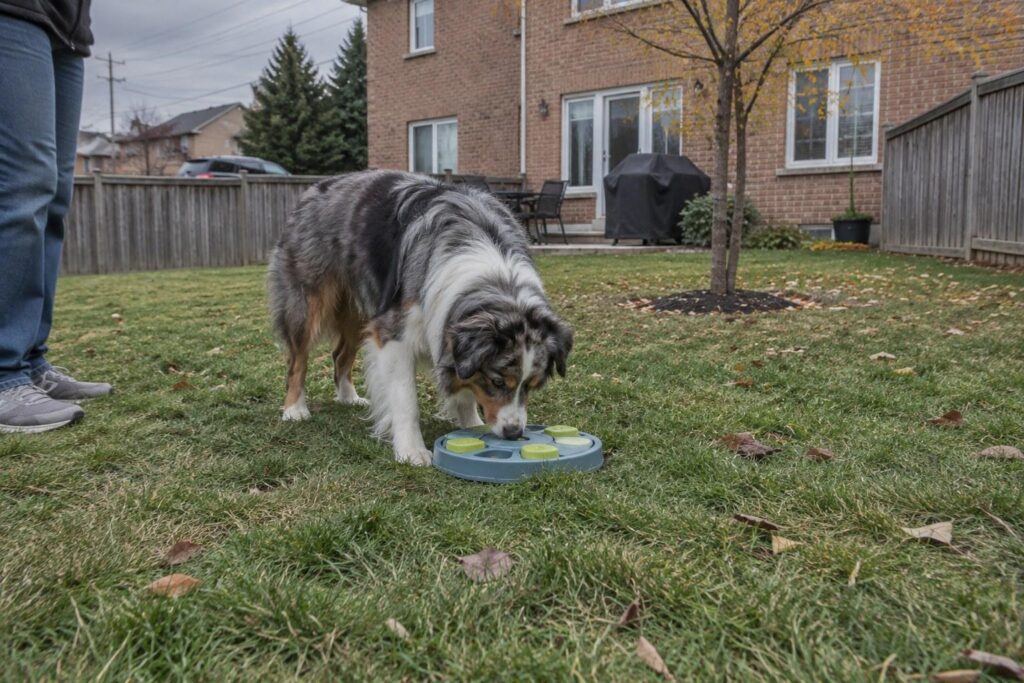
Training and exercise work together. An Aussie that gets the right kind of activity is far easier to teach, and a well-trained Aussie is easier to take places.
Working Around the Heat
North Texas heat can linger well into fall, and Aussies carry a thick double coat. The AVMA’s warm-weather pet safety guidance recommends limiting exercise on hot days and watching for signs of heat stress. On warm days, move the hard exercise to early morning or evening and lean on indoor brain games during the afternoon. Never shave a double coat without asking your veterinarian first.
Cooler Months Bring Busier Outings
Once the weather cools down, parks, trails, and neighborhood sidewalks get busier. That is great for practice, as long as your dog has the basics first. Our roundup of dog parks and trails in Frisco for active dogs offers ideas for places to work as your Aussie progresses.
Holiday Gatherings and Visitors
The holiday season brings guests, open doors, and dropped food. With Thanksgiving coming up each November, the weeks before are a good time to practice door manners and “place” before the house fills up. Keep your Aussie away from the table, and remember that some holiday foods are unsafe for dogs. Ask your veterinarian if your dog eats something it should not.
| Activity | Body or Brain | Good For |
|---|---|---|
| Structured leash walk | Both | Daily routine and focus around motion |
| Short training sessions | Brain | Impulse control and new commands |
| Food puzzles and scent games | Brain | Hot afternoons and rainy days |
| Fetch in a fenced yard | Body | Burning energy, practicing “drop it” |
| Practicing “place” during family time | Brain | Learning to relax in a busy home |
Puppies vs Adult Aussies
Australian Shepherd training changes depending on when it starts. Both puppies and adults can learn well, but the priorities shift.
Starting With an Aussie Puppy
Puppies need house training, crate routines, bite inhibition, and gentle, positive exposure to the sights and sounds of a busy suburb. Early structure keeps herding habits from becoming the default. Our puppy training guide covers the first months in more detail.
Working With an Adult or Rescue Aussie
Adult Aussies may come with established habits like chasing, fence running, or nervousness around strangers. They can absolutely improve, but old patterns usually need more repetition and consistency to replace. Patience and clear structure matter more than speed.
How Board and Train Helps High-Drive Dogs
Many families love their Aussie but simply cannot fit hours of daily structured practice into school runs, work, and activities. That is where professional training earns its keep.
What the Two-Week Program Includes
Our standard Board and Train program runs for two weeks. Each placement begins with an individual evaluation so trainers can focus on your dog’s specific challenges, and trainers work with your dog daily. Obedience commands such as “sit”, “stay”, “come”, and “heel” are built through repetition under increasing distraction. Every breed is welcome, and Affirm financing is available.
Bringing the Training Home
Training only lasts if you can keep it going. Before your dog comes home, you take part in hands-on owner transfer sessions where you learn how to give commands, reinforce them, and keep structure in place. Board and Train graduates also receive guaranteed results and lifetime support at no additional cost. Curious how it works? Read what to expect from Board and Train.
Private Lessons and Other Options
If you want to work side by side with a trainer, in-home private lessons let you tackle problems like heel nipping or door rushing where they actually happen. We also offer boarding and refresh training for dogs who need a tune-up later on.
| Option | Format | Best For |
|---|---|---|
| Board and Train | Two-week stay with daily training and owner transfer sessions | High-drive dogs needing consistent daily structure |
| Private Lessons | One-on-one sessions with you and your dog | Owners who want hands-on coaching at home |
| Refresh Training | Scheduled with our team | Dogs whose skills have slipped over time |
Ready for a calmer, more focused Aussie? Call (972) 573-1715 to talk with our team.
About All Dogs Unleashed Dog Training Frisco
All Dogs Unleashed Dog Training Frisco helps families across Frisco and Collin County turn energetic, smart dogs into calm, reliable companions. Our two-week Board and Train program leads our training, starting with an individual evaluation, continuing with daily sessions, and ending with hands-on owner transfer sessions. We accept every breed, including demanding herding dogs like Australian Shepherds. We also offer private lessons, boarding, and refresh training, and every Board and Train graduate receives guaranteed results and lifetime support.
Frequently Asked Questions
Are Australian Shepherds hard to train?
Aussies are usually quick learners, which makes them rewarding to train. The challenge is that they learn bad habits just as fast as good ones and get bored with repetitive, unclear sessions. Short, varied practice with clear rules works best. Most difficulties come from too little structure or mental work, not from a lack of intelligence.
How do I stop my Australian Shepherd from nipping at my kids?
Start by managing situations where kids run and play near the dog, since motion triggers herding behavior. Teach your Aussie a calm alternative such as going to a mat, and reward it often. Teach your children to stop and stand still if the dog starts chasing. If nipping is hard or comes with growling, get a professional evaluation.
How much exercise does an Australian Shepherd need?
Aussies generally need daily physical activity plus regular mental work, though the right amount depends on age and health. A mix of walks, play, and short training sessions usually works better than one long outing. On hot North Texas days, exercise early or late and use indoor brain games. Ask your veterinarian about a plan for your dog.
At what age should I start training my Aussie puppy?
You can start gentle training the day your puppy comes home. Name recognition, crate routines, house training, and simple commands like “sit” are all appropriate early. Positive exposure to people, sounds, and surfaces matters a lot for a breed that can be reserved with strangers. Talk to your veterinarian about vaccinations before visiting busy public places.
Can Board and Train help an adult Australian Shepherd?
Yes. Adult Aussies with habits like chasing, barking, or trouble settling often benefit from the daily consistency of a residential program. Our two-week Board and Train starts with an individual evaluation, includes daily sessions with trainers, and finishes with hands-on owner transfer sessions so you can keep the progress going once your dog is back home.
Will my Aussie still listen after training ends?
Results last when you keep using the skills. That is why Board and Train ends with owner transfer sessions where you practice the commands yourself before your dog returns home. Keep rules consistent, practice short sessions often, and give your dog daily mental work. Graduates also receive lifetime support at no additional cost if problems come back later.
Turn Your Aussie’s Drive Into Focus
Australian Shepherd training works best when you respect what the breed was built to do. Give your Aussie mental work, clear rules, and plenty of practice holding back, and that drive becomes focus instead of chaos. If you want help, call (972) 573-1715 or reach out online, or visit our location at 6136 Frisco Square Blvd, Suite 400, Frisco, TX 75034.
Ready to Get Started with All Dogs Unleashed Dog Training Frisco?
A calmer, more focused Aussie is within reach. Call (972) 573-1715 to ask about our two-week Board and Train program and find the right fit for your dog. You can also find All Dogs Unleashed Dog Training Frisco at 6136 Frisco Square Blvd, Suite 400, Frisco, TX 75034.