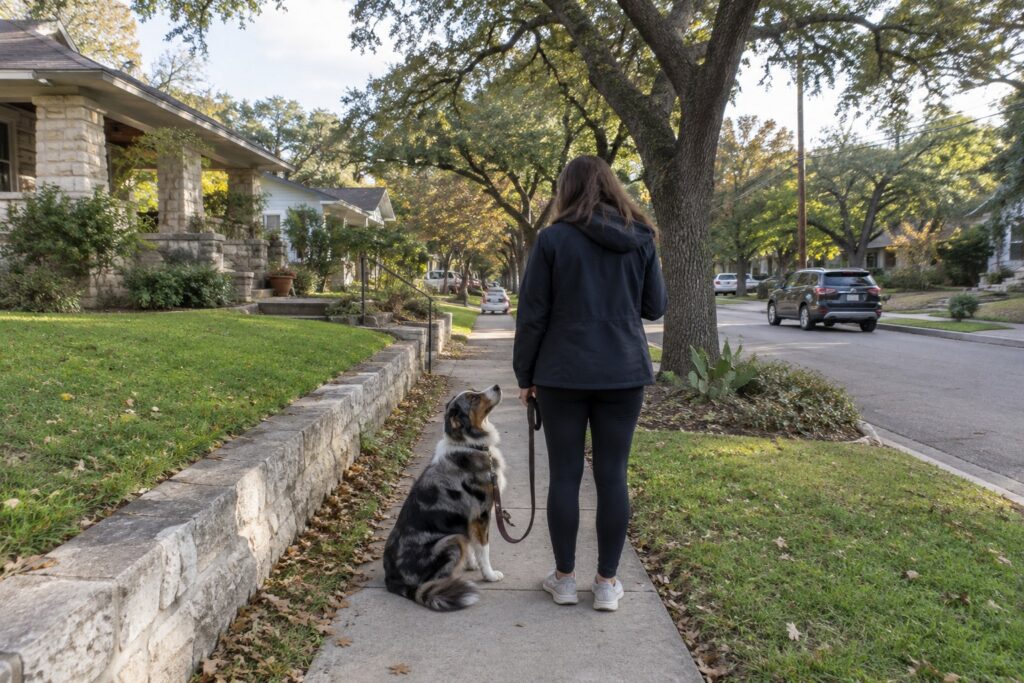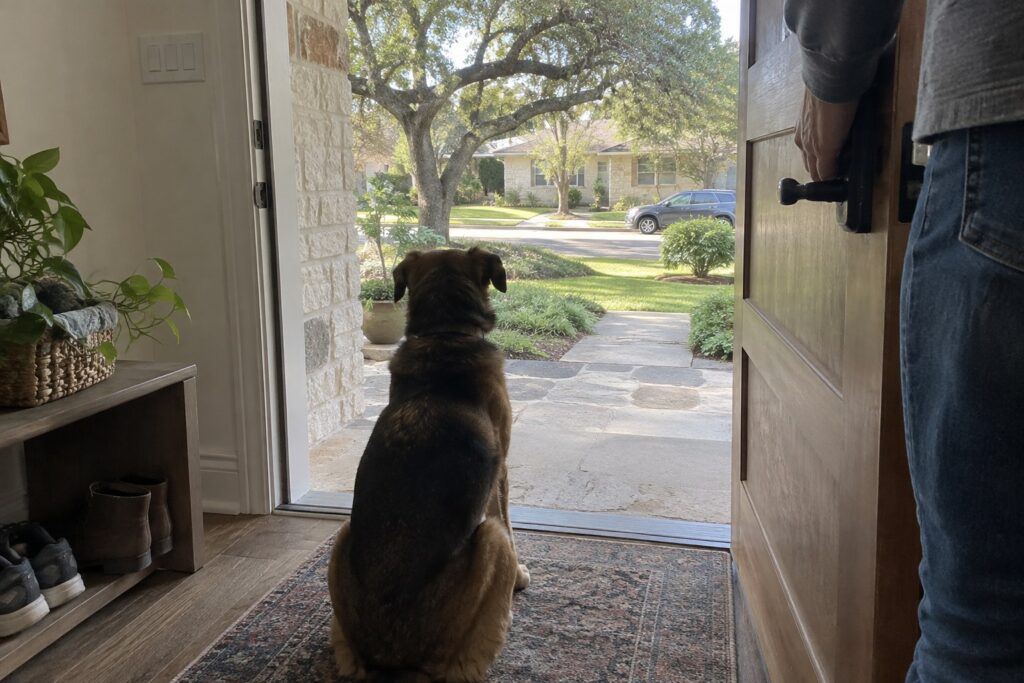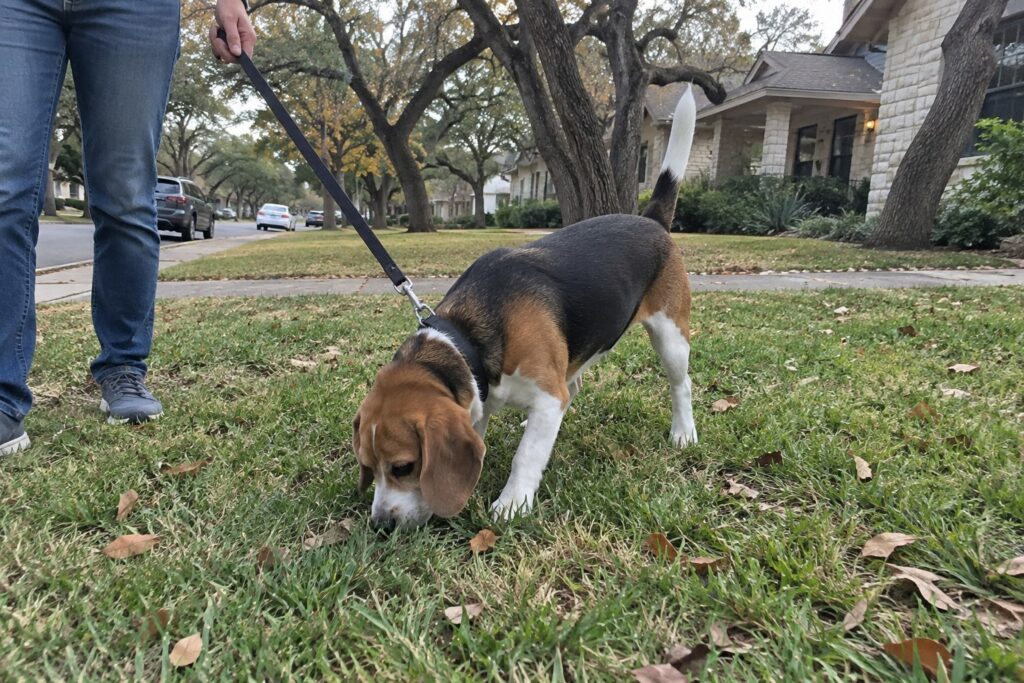

Crate training is one of the most misunderstood tools in dog ownership. Many pet owners in Carrollton, TX assume that putting a dog in a crate is unkind or punitive, but the reality is quite the opposite. When introduced properly, a crate becomes a dog’s personal sanctuary, a calm, secure space they seek out on their own when they want to rest or decompress.
Understanding why crate training works requires a brief look at how dogs are wired. Unlike humans, dogs are den animals by nature. In the wild, dogs and their ancestors sought out enclosed, sheltered spaces for rest and security. A properly sized crate mimics that instinct, offering a space that feels safe, predictable, and protected from household chaos.
Whether you have a new puppy or an adult rescue, crate training is a skill worth investing in. The team at All Dogs Unleashed incorporates crate training guidance into many of their programs throughout the Carrollton and DFW area because it forms such a strong foundation for overall obedience and household manners.
The Benefits of Crate Training
When done correctly, crate training delivers benefits that extend far beyond just containing your dog. Here is what consistent crate training provides:
- Faster house training: Dogs instinctively avoid soiling their sleeping area, so the crate leverages that instinct to accelerate potty training
- Reduced destructive behavior: A crated dog cannot chew furniture, raid the trash, or get into dangerous items while unsupervised
- Stress reduction during disruptions: Dogs with solid crate training have a safe retreat during thunderstorms, parties, holiday gatherings, or any chaotic household event
- Easier travel: Dogs comfortable in a crate adjust more readily to car trips, vet visits, and boarding situations
- Faster post-surgical recovery: If your dog ever needs to limit activity after a procedure, a crate-trained dog handles confinement with far less stress
The crate is not a place for punishment. Once a dog associates the crate with negative experiences, that association is difficult to undo. From the very first introduction, the goal is to build a positive, voluntary connection with the space.
How to Introduce the Crate
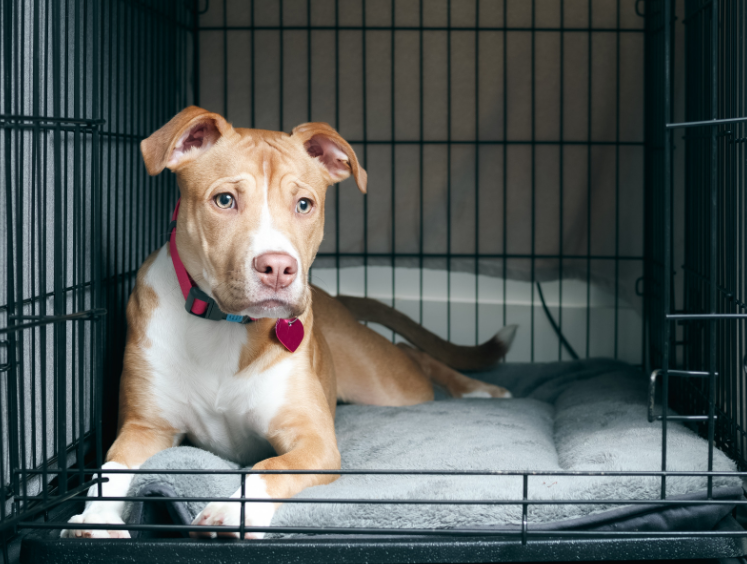
The pace of crate introduction matters. Rushing the process often leads to anxiety and setbacks that take much longer to resolve than a patient introduction would have.
Follow these steps for a smooth start:
- Choose the right size: The crate should be large enough for your dog to stand, turn around, and lie down comfortably, but not so large that they can use one end as a bathroom
- Start with the door open: Let your dog explore the crate freely without any pressure to go inside. Toss treats near and then inside the crate to build curiosity
- Feed meals near or inside the crate: This builds a strong positive association through a daily activity your dog already loves
- Add a cue word: Once your dog is comfortable going in voluntarily, add a word like “crate” or “kennel” and reward each entry
- Close the door briefly: Begin with just a few seconds, gradually extending the duration as your dog remains calm
- Build duration slowly: Do not jump from five minutes to four hours. Progress in increments your dog can handle without stress
Common Crate Training Mistakes
Even well-meaning dog owners make these mistakes that slow progress or create negative associations with the crate:
- Using the crate as punishment: Sending a dog to the crate after scolding them teaches them the crate is where bad things happen
- Crating too long at once: Adult dogs can generally hold their bladder for four to six hours. Puppies need much more frequent breaks. Crating beyond those limits causes accidents and distress
- Ignoring persistent crying: While some initial fussing is normal, prolonged distress signals the process has moved too fast
- Inconsistency: Allowing crate-free time some days while enforcing it others confuses dogs and slows progress
- Wrong crate placement: A crate in a lonely corner of the garage creates isolation anxiety. Position it where the family spends time, especially overnight
Crate Training and Separation Anxiety
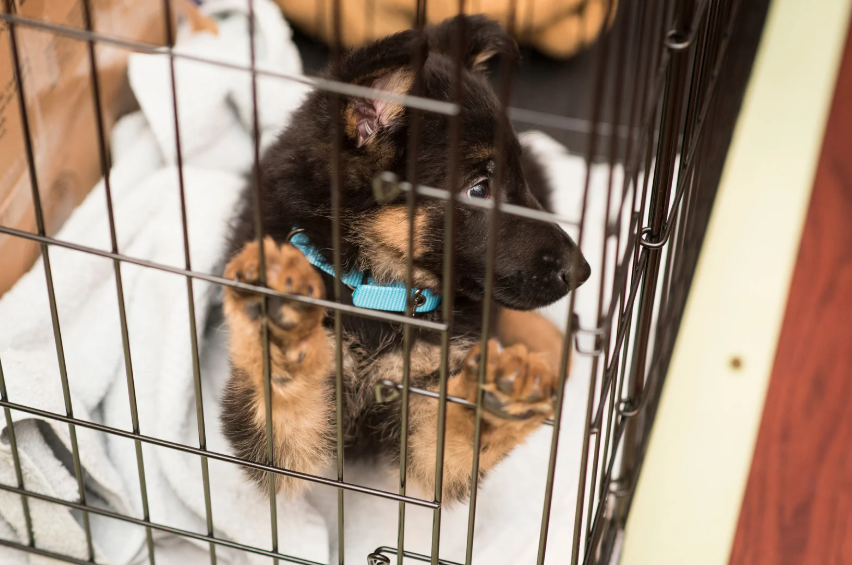
Dogs that struggle with being alone often need a more structured approach to crate training. For these dogs, the crate alone is not a solution. It needs to be paired with a broader plan for building independence and comfort with owner absence.
If your dog shows significant distress when crated, or when left alone in general, a training program that addresses the underlying anxiety will be far more effective than crate work alone. In some cases, board and training provides the intensive, structured environment needed to establish new behavioral patterns quickly.
Frequently Asked Questions
At what age should I start crate training?
The earlier, the better. Puppies as young as eight weeks can begin gentle crate introduction. Adult dogs can also be successfully crate trained, though the process may take a bit longer if they have no prior crate experience.
How long should a dog be in a crate each day?
This depends on age and the individual dog. As a general guideline, puppies should not be crated longer than their age in months plus one hour at a stretch. Adult dogs can typically handle four to six hours. Overnight crating is appropriate for most dogs once they are fully house trained.
My dog whines every time I close the crate door. What should I do?
Step back in the process. If your dog is distressed when the door closes, they are not yet ready for that step. Return to working with the door open, build more positive associations with the enclosed space, and then reintroduce door closing gradually.
Can older dogs be crate trained?
Yes. Adult and senior dogs absolutely can learn to use and enjoy a crate. The process may take a bit more patience, particularly for dogs with negative crate histories, but it is entirely achievable.
Build Better Habits Starting Today
Crate training is a foundational investment that pays dividends throughout your dog’s life. Whether you are just starting out with a new puppy or revisiting the concept with an older dog, the right approach makes a significant difference. Reach out to the team at (972) 484-3647 and let All Dogs Unleashed help you build a crate training plan that works for your dog and your household.