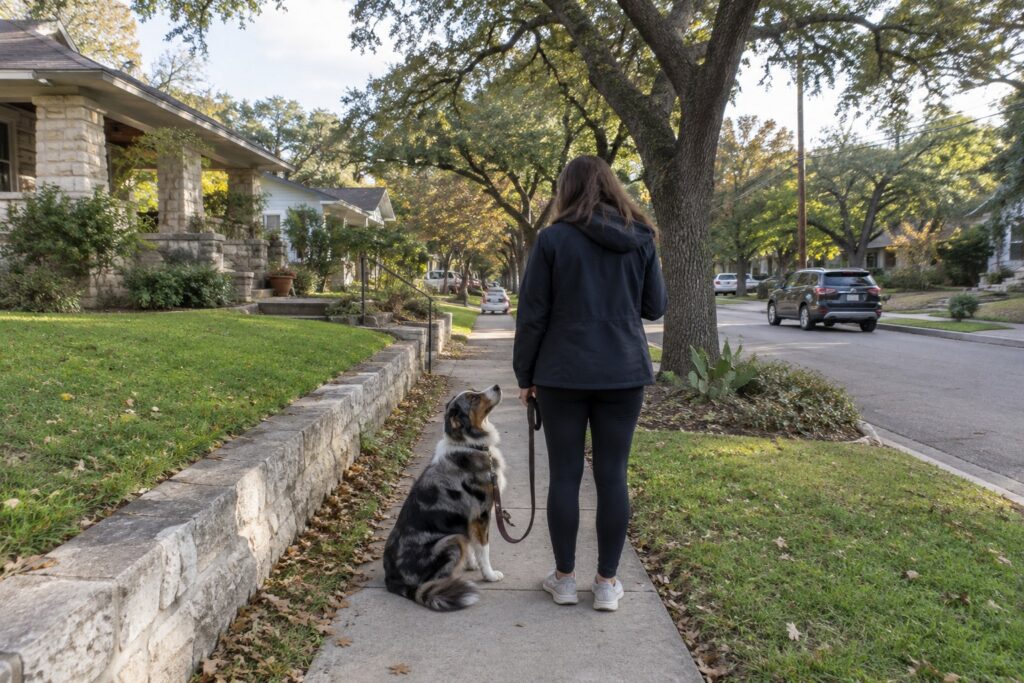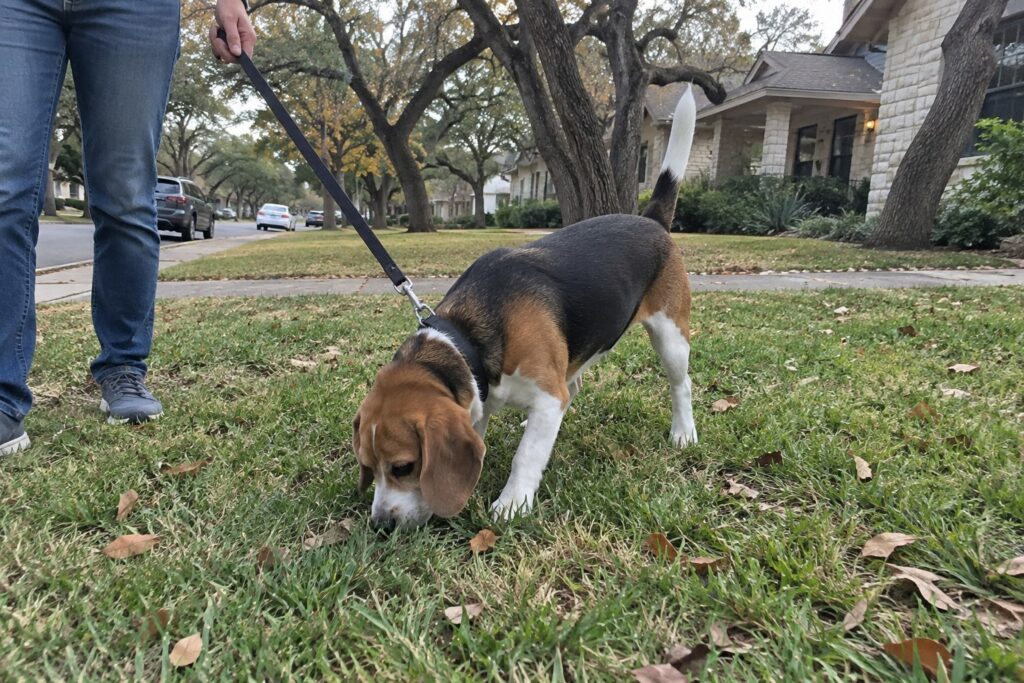

Dogs communicate constantly, through their posture, facial expressions, tail position, ear placement, and subtle muscle tension. The challenge is that most humans are not trained to read these signals accurately. Misreading a dog’s body language is one of the most common reasons bites occur, conflicts between dogs escalate, and behavioral problems go unaddressed for too long.
For dog owners in Carrollton, TX, developing the ability to read your dog’s communication is one of the most valuable skills you can build. Whether your dog is at the dog park, interacting with guests at home, or simply resting after a walk in the neighborhood, every posture and expression is telling you something. Learning to listen to that language changes your relationship with your dog in profound ways.
All Dogs Unleashed helps Carrollton dog owners understand not just what to teach their dogs, but how to read and respond to their dogs more effectively. Here is a practical guide to canine body language that every dog owner in the DFW area should know.
The Relaxed, Happy Dog
A relaxed dog is easy to miss because they are not doing anything dramatic. But learning to recognize what calm looks like helps you identify when your dog shifts away from it. Signs of a relaxed, content dog include:
- Loose, wiggly body posture with no muscle tension
- Soft, slightly open mouth, sometimes with a relaxed pant
- Ears in their natural position (not pinned back or rigidly forward)
- Tail wagging in a relaxed, mid-height arc
- Soft, blinking eyes with no fixed gaze
This is your baseline. When your dog’s body changes from this state, pay attention to the direction of that change.
Play Signals
Dogs have specific signals they use to invite play and to communicate that the rough stuff is still friendly and voluntary. Recognizing play signals helps you distinguish genuine fun from escalating tension:
- Play bow: Front end lowered, rear end raised, tail up. This is a universal “let’s play” invitation.
- Bouncy, exaggerated movements: Play often involves over-the-top, clumsy-looking behavior that signals non-seriousness.
- Role switching: In healthy play, dogs take turns chasing, pinning, and being chased. If one dog is always the one being chased and cannot disengage, the play is no longer balanced.
- Self-handicapping: Larger or more powerful dogs will often voluntarily limit their strength when playing with smaller or less confident dogs. This shows social awareness.
Stress and Anxiety Signals
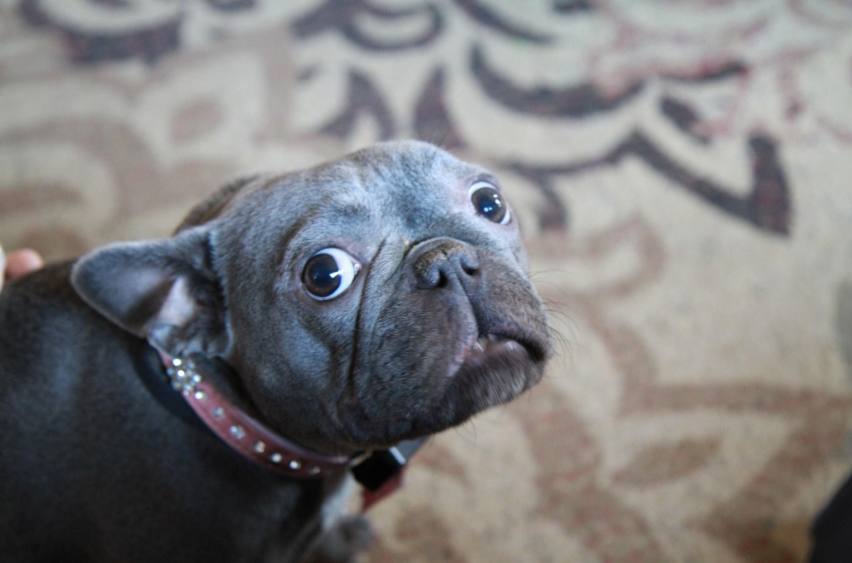
Stress signals are often subtle and easy to miss, especially in dogs that have learned to suppress obvious reactions. Being able to spot these early signals allows you to intervene before stress escalates to a behavioral incident:
- Yawning in a non-sleepy context: A stress yawn is often slow and exaggerated, happening during a vet visit, a walk past something scary, or a training session that has become too intense.
- Lip licking or nose licking: When not near food, this is often a calming or stress signal.
- Whale eye: When a dog shows the whites of their eyes by turning their head away while keeping their gaze fixed on something, this indicates discomfort or tension.
- Piloerection (hackles raised): The hair along the spine standing up can indicate arousal, which may be from excitement, fear, or aggression. Context matters.
- Stiff, slow movement: A dog that was moving freely and suddenly becomes still and deliberate in their movement is communicating a warning.
- Low tail tuck: The tail pulled tightly between the legs signals fear or extreme submission.
Warning Signals That Should Never Be Ignored
Some body language signals are direct warnings. These should always be taken seriously:
- Stiff body with fixed gaze: The dog is focused intently on something and is not relaxed about it.
- Closed, tense mouth: A dog with a tightly closed mouth and hard eyes is communicating discomfort.
- Growling: Growling is communication. It is a warning that the dog is uncomfortable and wants the situation to change. Punishing growling removes the warning without addressing the underlying discomfort.
- Showing teeth (snarling): A direct escalation of the growl. The dog is telling you very clearly they do not want to continue the interaction.
- Air snapping or snapping without contact: One step before a bite. Take this seriously every time.
How Body Language Informs Training
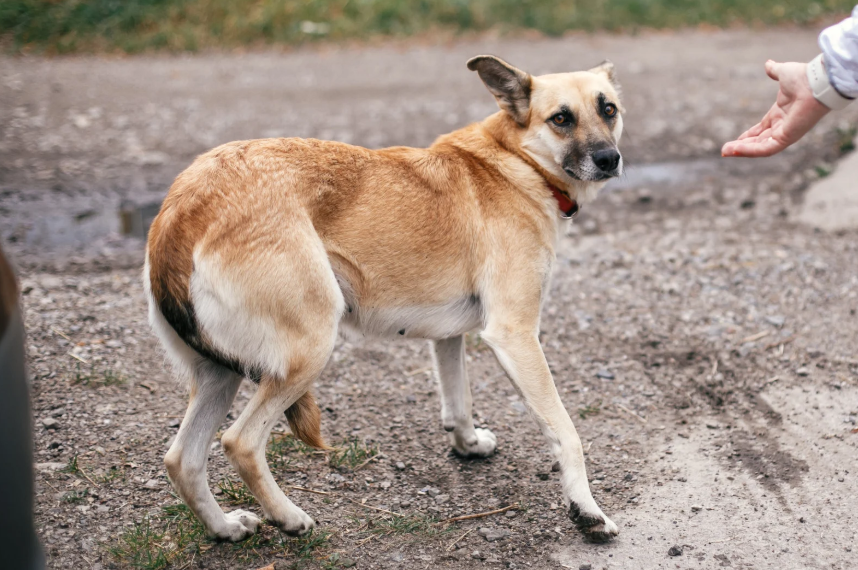
Understanding your dog’s body language makes you a better trainer because you can read whether your dog is engaged and learning, overwhelmed and shutting down, or frustrated and about to disengage. Training sessions that push dogs past their comfort level without the trainer noticing stress signals produce slower results and can damage trust.
If your dog is yawning, looking away, or moving in slow motion during training, they are telling you the session is too long, too difficult, or too stressful. Scaling back, ending on a successful easy repetition, and giving your dog a break is the right response.
For owners who want to deepen their understanding of how body language connects to training and behavior modification, working with a professional trainer provides a guided framework. The training programs at All Dogs Unleashed incorporate these principles into every session.
Frequently Asked Questions
Can I teach my dog to signal when they need a break?
Yes. Many trainers teach a “consent check” where they pause during handling or grooming to see if the dog re-engages. If the dog moves away, the session ends. This teaches dogs that they have agency, which actually reduces stress-related behaviors over time.
My dog wags their tail but then bites. Why?
Tail wagging does not always mean happy. The height, speed, and stiffness of the wag all matter. A slow, high wag with a stiff body is a very different signal from a loose, whole-body wag. Always look at the whole dog, not just the tail.
Are some breeds harder to read?
Yes. Dogs with heavily wrinkled faces, docked tails, or floppy ears can be harder to read because some of their natural signaling mechanisms are obscured or absent. Owners of these breeds often need to rely more heavily on muscle tension, body posture, and movement patterns.
How do I know if my dogs are playing too rough?
Watch for one-sided dynamics where one dog cannot disengage, escalating intensity with no natural breaks, or one dog repeatedly showing stress signals while the other ignores them. Healthy play includes frequent pauses, role switching, and both dogs choosing to reengage freely.
Learn to Listen to Your Dog
At All Dogs Unleashed, we help Carrollton dog owners build a deeper understanding of their dogs and the communication happening in every interaction. Call us at (972) 484-3647 or come see us at 2401 Luna Rd, Carrollton, TX 75006 to learn more about our training approach.