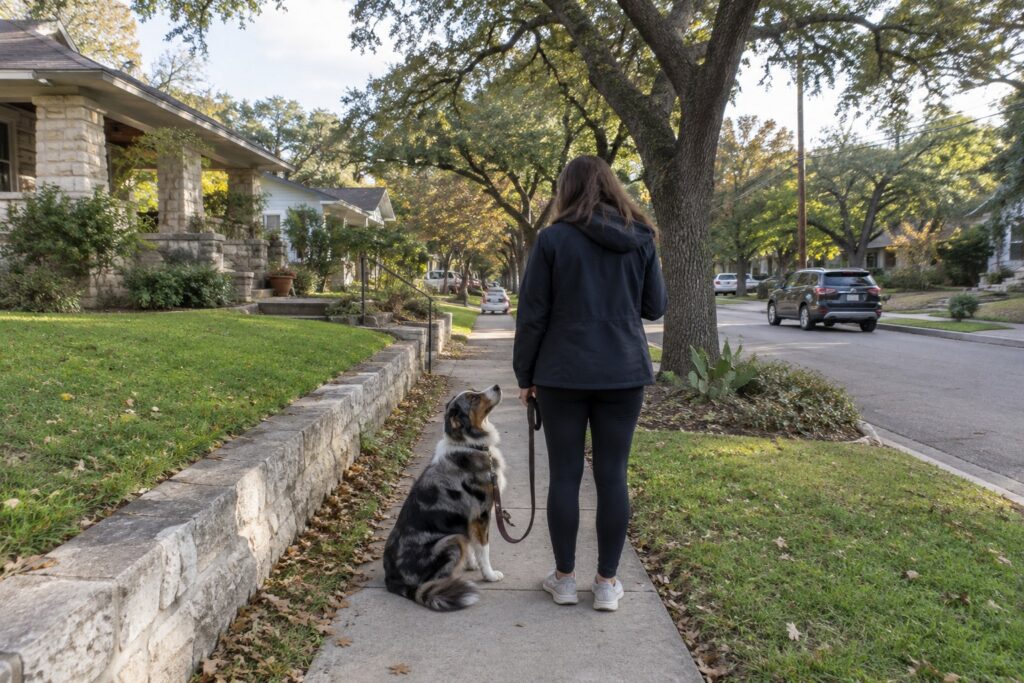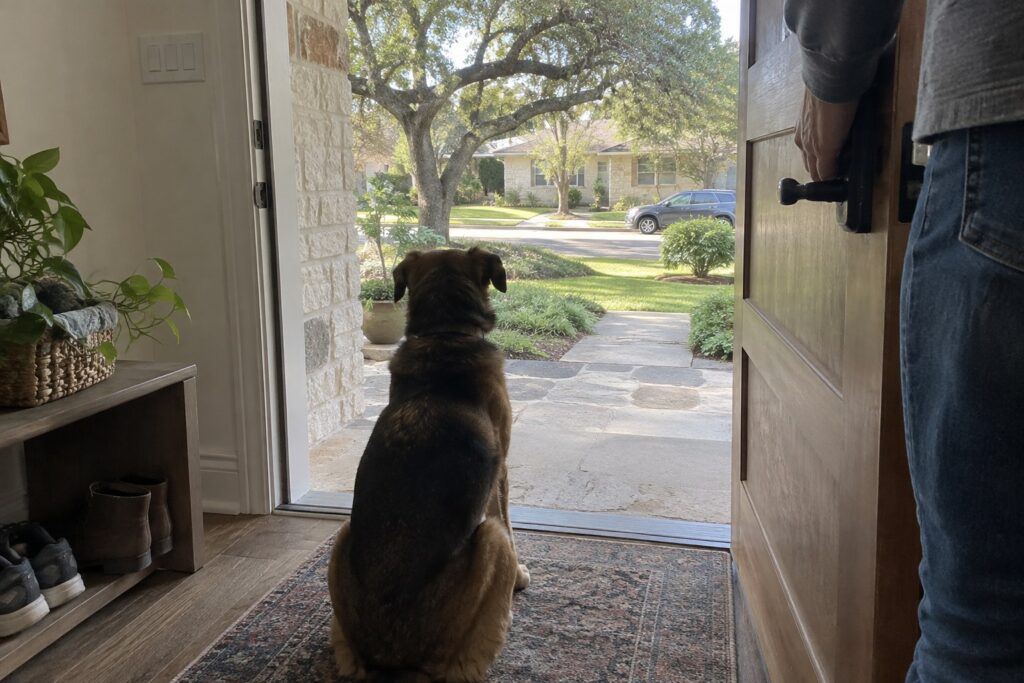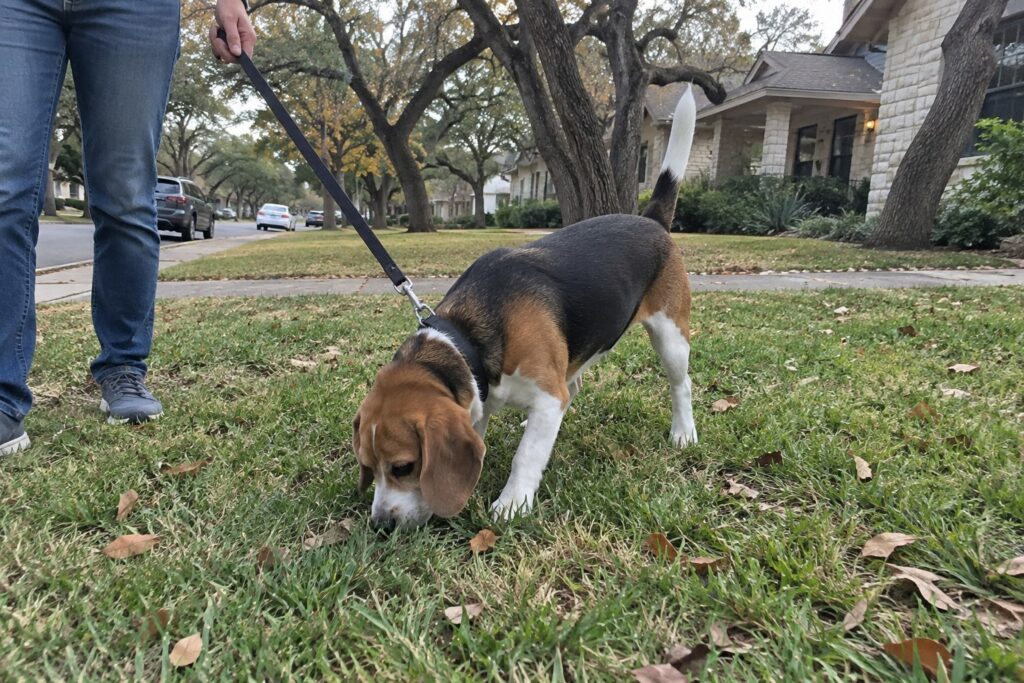

Group classes work great for many dogs. But some dogs need more. If your dog is reactive on the Cherry Creek Trail, shuts down around strangers, or just won’t listen when distractions hit, a group setting can actually slow progress. Private dog training puts the focus entirely on your dog and your specific situation.
At All Dogs Unleashed Dog Training Denver, we work one-on-one with you and your canine companion to target the exact behaviors holding you back. No generic curriculum, just a plan built around your dog and how your dog actually learns. Think your dog might need one-on-one attention? Let’s talk about the right program for you.
Key Takeaways
- Individualized training is often the better fit for reactive, anxious, or aggressive dogs who struggle in group settings.
- One-on-one lessons let your trainer focus on the exact behavior problems your dog is showing right now.
- Dogs in dense Denver neighborhoods face daily distractions that group class environments rarely replicate or prepare them for.
- Owner involvement is built into custom training programs, so you learn how to handle your dog, not just watch a trainer do it.
- Any dog with any problem can make real progress with the right one-on-one program behind them.
Does Your Denver Dog Struggle in Group Settings?
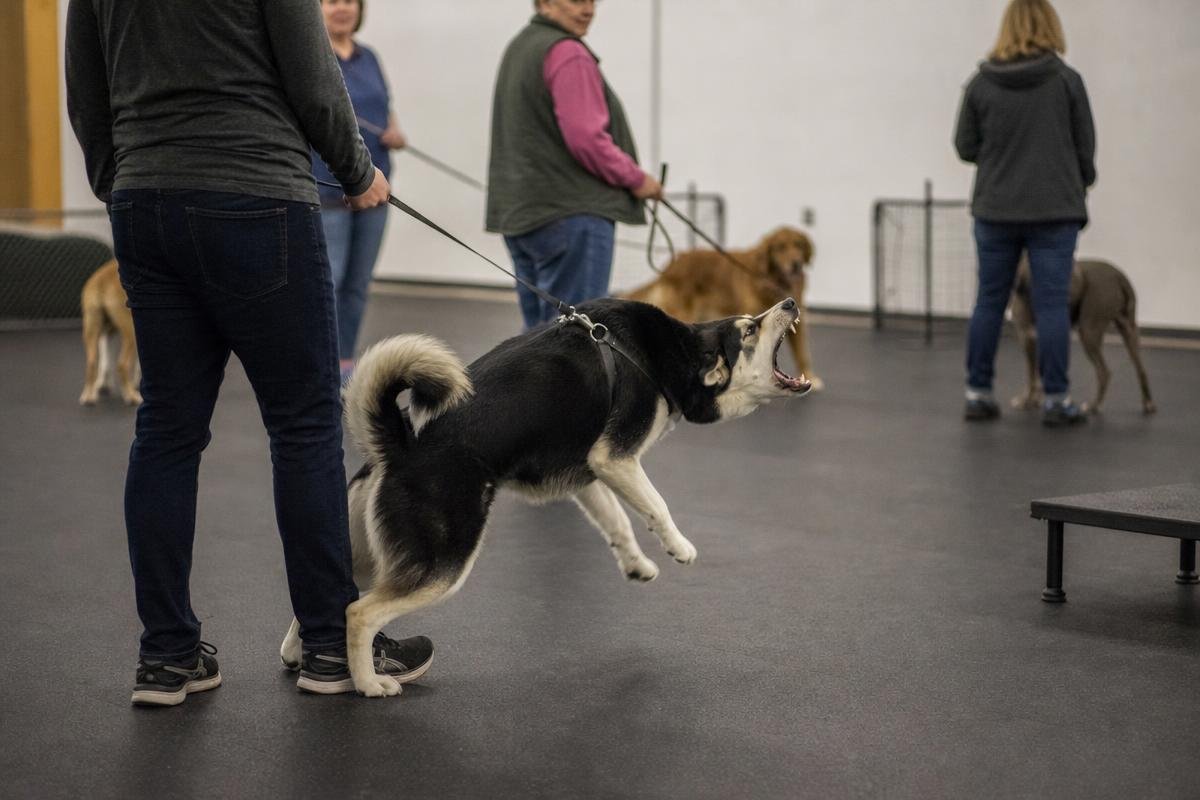
Picture this. You signed up for a group obedience class near Highland, excited and hopeful. But the moment you walked in, your dog spotted another dog across the room and lost it. Barking, lunging, refusing to focus. You spent the whole hour apologizing to the person next to you.
You are not a bad dog owner. Your dog is not broken. Some dogs just need a different format to actually learn. That is exactly what one-on-one dog training in Denver is built for.
Here are 8 specific signs that private dog training is the better fit for your dog. If any of them sound familiar, you are in the right place.
Why Group Classes Work Great, But Not for Every Dog
What Group Classes Are Designed to Do
Group classes are a solid choice for a lot of dogs. They teach foundational obedience: sit, stay, come, and leash manners in a structured setting with other dogs nearby. That peer environment is actually part of the point. It helps confident, socialized dogs learn to focus around mild distractions. For the right dog, group classes work really well.
Denver has no shortage of well-run group obedience programs. Many are legitimate and effective. We have no issue with them. The question is not whether group classes are good. The question is whether they are the right fit for your dog right now.
Where Group Settings Fall Short
A trainer managing six to ten dogs at once cannot build a plan around your dog’s specific triggers. That is just math. Every dog in the room gets a version of the same lesson. If your dog needs something different, that need goes unmet.
The bigger issue is this: reactive and anxious dogs often get worse in group settings, not better. When a dog is already over-threshold around other dogs or strangers, their nervous system is in survival mode. They cannot absorb new commands. Flooding them with triggers before they have coping skills can actually reinforce the reactive behavior you are trying to fix. This is exactly why how to decide between in-home and group dog training classes in Denver is a question worth thinking through carefully before you sign up for anything.
Dogs dealing with reactivity, anxiety, leash aggression, or specific problem behaviors need a one-on-one plan. That is where individualized training makes a real difference. The next section covers the eight clearest signs your dog is in that category.
When Should You Choose Private Dog Training Over Group Classes?
Choose private dog training whenever your dog’s behavior is driven by reactivity, anxiety, aggression, or a specific household problem that a group class cannot safely or effectively address. Not every dog that struggles is a “bad dog.” Most of the time, the format is just wrong. Here are the eight signs that working one-on-one with a trainer is the better fit for your dog right now.
Sign 1: Your Dog Is Reactive on Leash
Barking, lunging, or fixating on other dogs and strangers is leash reactivity. Group class puts your dog directly inside a room full of those exact triggers. That is not a training environment for a reactive dog. That is a stress test. One-on-one sessions use threshold distance, counter-conditioning, and systematic desensitization in a controlled setting. If your dog loses it on a narrow Capitol Hill sidewalk or a crowded stretch of the 16th Street Mall, one-on-one training in Denver is where real progress starts.
Sign 2: Your Dog Shuts Down or Hides in New Environments
Some dogs do not bark or lunge. They freeze, refuse treats, tremble, or press against your leg. That is anxiety, and flooding an anxious dog with group stimulation makes it worse. A custom training program meets your dog at their comfort level, often in your own home, at their pace. In-home dog training in Denver is especially useful here because your dog can learn in the one environment where they already feel safe.
Sign 3: Your Dog Has Shown Aggression
Snapping, growling with intent, or resource guarding makes a group setting unsafe for everyone in the room. This is not something to manage in a class with six other dogs and their owners nearby. A trainer working one-on-one can assess the behavior, address the root cause, and help you manage it safely.
In dense Denver neighborhoods, where a leashed dog and an off-leash dog can meet within a few feet on any walk, that safety piece matters even more. Individualized training is the right format here, full stop. Worried about your dog’s reactivity or aggression? Get a custom training plan built for your dog’s specific triggers.
Sign 4: Your Dog Has One Specific Problem Behavior
Jumping on guests, counter-surfing, door-bolting, or excessive barking are specific habits. In Denver’s many condo and apartment buildings, HOA rules and shared walls turn nuisance barking into a real problem fast, and a noise complaint can follow. Group classes teach general obedience on a fixed curriculum. A custom training program builds a plan around the exact behaviors causing problems in your home.
If you want to dig into the common dog behavior problems Denver owners deal with indoors, you will recognize your dog quickly. One-on-one sessions target those issues directly instead of working around them.
Sign 5: Your Puppy Has No Foundation Yet
Puppies between 8 and 16 weeks are still figuring out the world. The pace and stimulation of a group class can overwhelm them before they have learned anything. Denver’s off-leash culture adds pressure here too, since a young puppy meeting a bounding off-leash adult dog at a busy park can pick up fear that lasts.
One-on-one puppy training builds name recognition, sit, down, crate comfort, and controlled early socialization at the puppy’s pace, in their home environment. Getting this foundation right early saves a lot of work later.
Sign 6: You Have Already Tried Group Class and It Did Not Work
If your dog was asked to leave a class, or you have completed two rounds of group sessions with no real improvement, the format is not the right fit. Working one-on-one is not a last resort. It is a different tool, and for many dogs, it is the right first one. The format change alone can unlock progress you have been waiting for.
Sign 7: Your Schedule or Living Situation Makes Group Class Impractical
Irregular work schedules, apartment living in RiNo or Cherry Creek, or a multi-dog household with complex dynamics all point toward one-on-one training. Sessions can be scheduled around your actual life and designed for your actual space. We also offer dog daycare for owners who need flexible, supervised care between training sessions. That flexibility is a real advantage, not just a convenience.
Sign 8: You Want to Be Part of Every Training Session
In a one-on-one program, you are in every session. You learn the commands, the timing, and the follow-through alongside your dog. That owner involvement is the biggest differentiator between private and group formats. Our team is known for being kind, caring, and reassuring with both dogs and their owners. The skills your dog learns stick because you are the one practicing them every day at home.
What Does One-on-One Private Dog Training Actually Look Like?
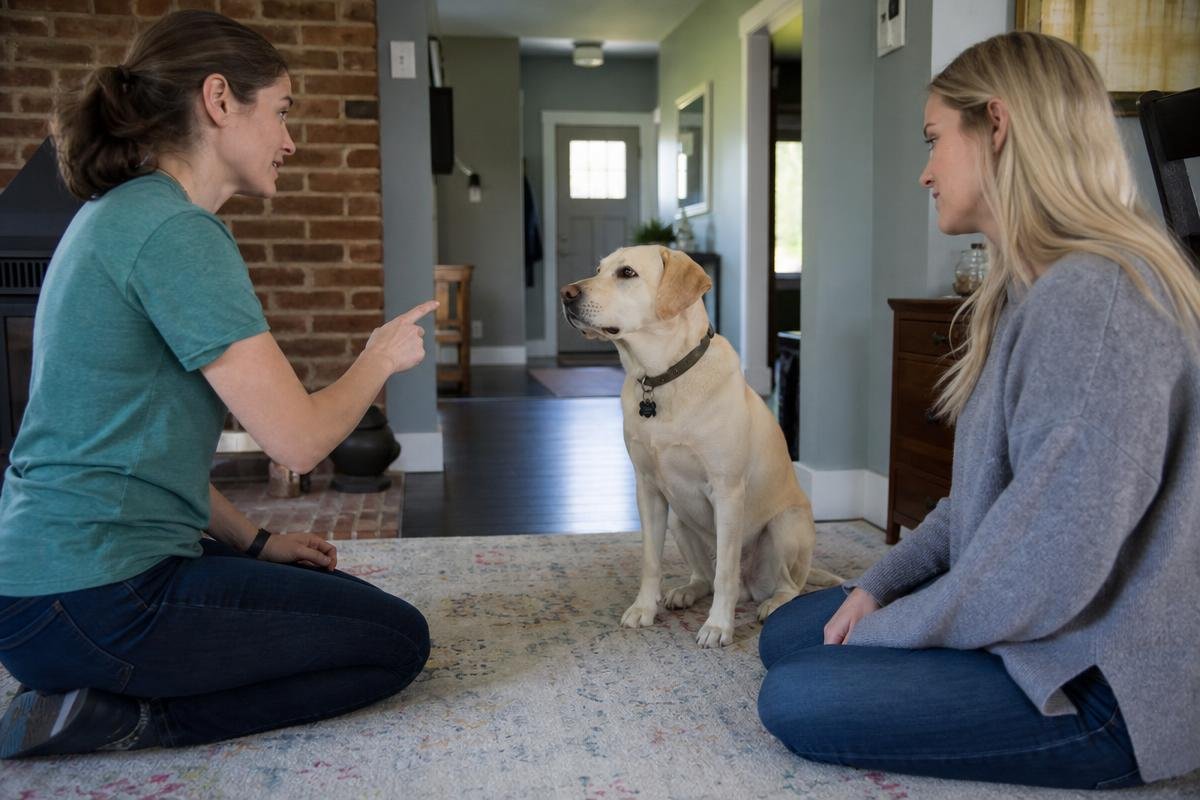
Private dog training is not one-size-fits-all. Sessions can happen at your home, at our training facility, or out in the real world, like a neighborhood sidewalk or a busy park. The format depends on your dog’s specific challenges and where those challenges actually show up.
Our team works with you directly in every session. You learn the skills alongside your dog. That owner involvement is what makes the results stick long after training ends.
In-Home Sessions vs. Facility-Based Training
No, you do not have to drive to a facility. A trainer can come to you. In-home sessions are especially useful when the problem behavior happens at home, door-bolting, jumping on guests, or resource guarding in the kitchen. Working in the actual space where the problem occurs gets faster results than practicing somewhere else.
If your dog lives in a Capitol Hill apartment or a smaller RiNo space, in-home training is often the best fit. Our trainers work in your real environment. Not a staged one. If you are still weighing your options, our guide on how to decide between in-home and group dog training classes in Denver breaks it down clearly.
Facility-based sessions offer a neutral, lower-distraction environment. This works well for dogs that need to build confidence and learn the basics before tackling busy real-world settings. Think of it as building a foundation before hitting the Cherry Creek Trail or Washington Park.
- In-home: best for door-bolting, guarding, household manners
- Facility: best for distraction-sensitive dogs building core skills
- Public settings: best for generalizing skills to real environments
Board and Train: When Immersive Training Makes Sense
Board and train is our most intensive format. Your dog lives with our professional trainers for one to two weeks and receives multiple training sessions every single day. It is a full environment reset, not just a lesson here and there.
One of our clients sent two goldendoodles through our two-week program. Before training, the dogs were out of control. They came back well-behaved. That kind of transformation happens because the dog is immersed in consistent training around the clock. Board and train works best for dogs with significant behavior challenges, or for owners with limited time to practice daily. Dogs that need supervised overnight care without the full training program can also explore our dog boarding service. As noted in the signs section, dogs dealing with reactivity or aggression often see the fastest progress in this format.
Ready to find the right format for your dog? Call us at (720) 310-7337 and we will help you figure out exactly where to start.
How Denver’s Environment Makes Private Training Even More Valuable
Denver’s outdoor lifestyle is one of the best things about living here. It also puts your dog in some of the most demanding situations imaginable. Crowded trails, off-leash dogs, cyclists, and wildlife all happen fast. A dog without a solid foundation will struggle, and group class skills often fall apart the moment real life kicks in.
High-Distraction Trails and Parks Demand a Solid Foundation
Washington Park, Sloan’s Lake, and City Park are not forgiving environments for an undertrained dog. Joggers come from nowhere. Off-leash dogs charge across the path. Squirrels do what squirrels do. Denver’s high altitude and dry air can also wear a dog down faster on a long summer walk, which shortens fuses on both ends of the leash. Your dog’s recall and leash manners need to work in those exact conditions, not just in a quiet training room.
One-on-one training lets us build those skills around the places you actually go. We work on the real distractions your dog faces, not a controlled classroom setup. If you want to know which spots reward a well-trained dog, check out our guide to the best off-leash dog trails in Denver once your pup is ready.
Denver’s Dog Culture Means Your Dog Will Be Tested
This city is serious about its dogs. Dog-friendly patios, breweries, and shops are everywhere, from Highland and RiNo to LoDo. That is great news for socialized, well-trained dogs. For a reactive or anxious dog, those same outings become stressful and unpredictable fast.
Training a reactive dog in Denver needs to account for dense urban foot traffic and close-quarters encounters with strangers and other dogs. Individualized training builds exactly those skills. Before your next outing, browse Denver’s best dog-friendly patios and spots so you know where to practice once your dog is ready to shine.
What to Look for in a Private Dog Trainer in Denver
Not every trainer offering one-on-one dog training in Denver is the same. The market has plenty of options, and the right fit matters. A good trainer welcomes your questions. A great one expects them.
Questions to Ask Before You Book
Before you commit, ask any trainer these five questions directly:
- Do you customize the plan to my dog’s specific behavior issues? A plan built for a reactive Shepherd should look different from one built for a nervous rescue.
- Will I be involved in every session? You should be. More on that below.
- What methods do you use? Understand whether the trainer uses positive reinforcement vs. balanced training so you know what to expect.
- Do you offer in-home sessions or board and train? Both have real value depending on your dog’s needs and your schedule.
- What happens if my dog does not make progress? A confident trainer has a clear answer. Vague answers are a red flag.
A qualified trainer does not deflect these questions. They answer them without hesitation. That transparency is a trust signal worth paying attention to in a city with this many options.
Why Owner Involvement Matters
Private dog obedience training in Denver works best when you are in the room. A dog that learns commands with a trainer but never practices those same cues with you will not generalize those skills at home, at the park, or on a crowded sidewalk.
The best trainers teach you alongside your dog. They show you the timing, the cues, and the follow-through. You leave each session knowing exactly what to practice before the next one.
Our team carries a 4.9-star average across 277 reviews, and one thing owners mention consistently is how supported they felt through the whole process, from first contact to the final session. That relationship between trainer, dog, and owner is what makes the results stick.
Frequently Asked Questions
How is private dog training different from group classes?
Private training is one-on-one. The plan is built around your specific dog, not a general curriculum shared with eight other dogs. Group classes work well for confident, socialized dogs. But if your dog has reactivity, anxiety, or specific problem behaviors, a group setting often makes things worse, not better.
What behavior problems does private dog training address?
Private training addresses reactivity, leash pulling, jumping, aggression, anxiety, excessive barking, and resource guarding. Your trainer focuses entirely on your dog and builds a targeted plan from the first session. You can read more about common dog behavior problems Denver owners deal with indoors to see if any sound familiar.
How long does private dog training take to show results?
Results depend on your dog’s age, the severity of the behavior, and how consistently you practice at home. Many dogs show real improvement within the first few sessions. Dogs with bigger challenges often do best in a board and train program, which moves faster.
Can private training help a reactive or aggressive dog?
Yes. Private training removes the group-setting triggers that make reactive behavior worse. Our trainers work on threshold management, counter-conditioning, and controlled exposure to address reactivity and manage aggression safely. Dogs in RiNo, Sloan’s Lake, and City Park face constant urban triggers on every walk, and one-on-one work builds the skills to handle them.
Is in-home private dog training available in Denver?
Yes. In-home dog training in Denver brings the session directly to your space, which is especially effective when problem behaviors show up at home. If you are unsure which format fits your situation, our guide on how to decide between in-home and group dog training classes in Denver breaks it down clearly.
What is the difference between private lessons and board and train?
Private lessons are scheduled sessions, typically once or twice a week, where you and your dog work with a trainer together. Board and train is an immersive program where your dog lives with professional trainers for one to two weeks and receives multiple daily sessions. Board and train is the better fit for dogs needing faster progress or owners with limited time to practice between sessions.
If you recognized your dog in any of these 8 signs, the next step is a conversation, not a commitment. Call All Dogs Unleashed Dog Training Denver at (720) 310-7337 to talk through what your dog is doing and which training format makes the most sense. We work with reactive dogs, anxious dogs, puppies, and dogs that have already tried group class without results. Our team is ready to build a plan around your dog, your schedule, and your home.
Ready to Get Started with All Dogs Unleashed Dog Training Denver?
Call (720) 310-7337 to speak with our team directly. We’re ready to answer your questions, walk you through your options, and help you find the right solution for your needs. Whether you’re just starting to plan or ready to move forward, we’ll make the process simple and stress-free.
Reach out today and let’s talk about how we can help.