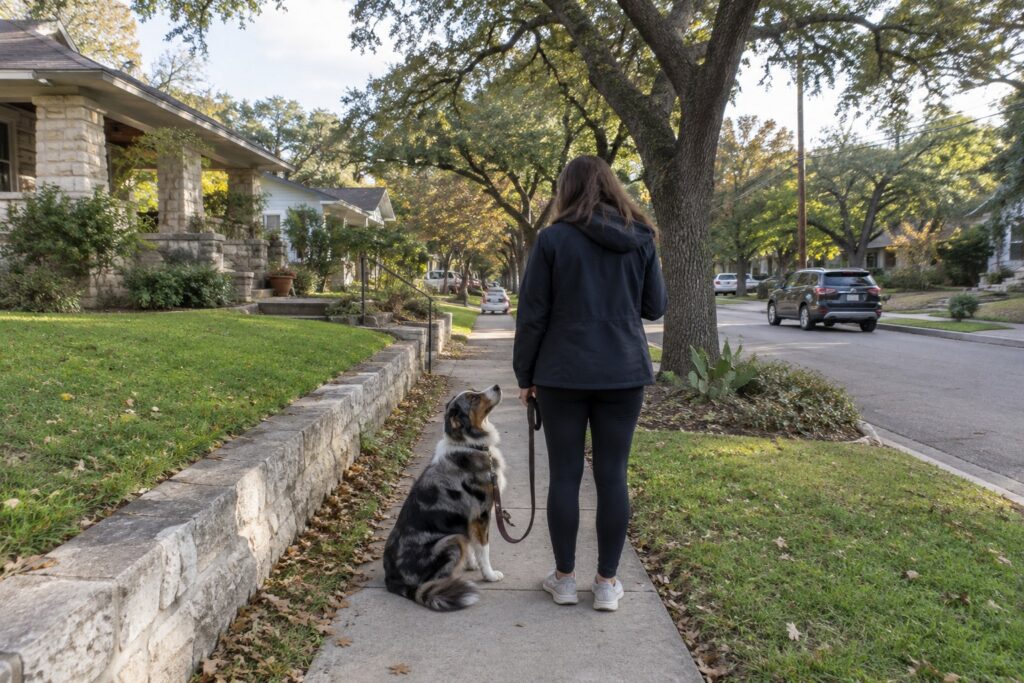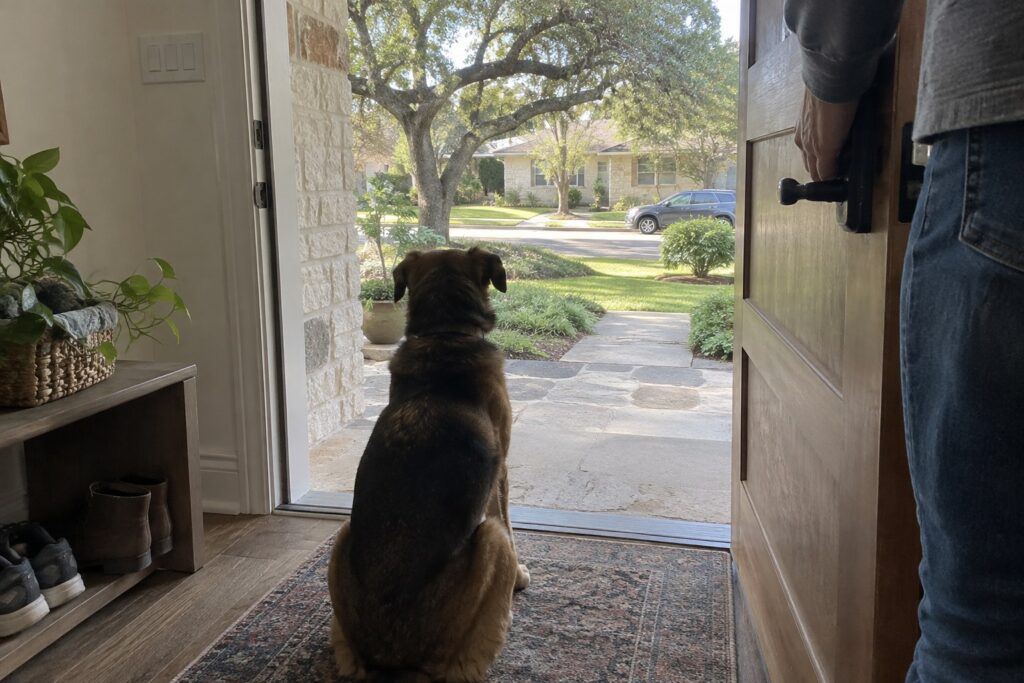

Can dogs eat turkey? The short answer is yes, in small amounts, as long as it is plain, boneless, skinless, and fully cooked. The longer answer is where most Thanksgiving trouble starts, because the turkey on a holiday platter is rarely plain, and the dog under the table rarely stops at one bite.
At All Dogs Unleashed DFW, we train dogs from Lakewood and the M Streets to Oak Cliff and Carrollton, and the holidays are when household manners get tested hardest. Below, we break down what veterinary sources say about turkey and other holiday foods, then cover the training that keeps your dog out of the kitchen, off the counters, and calm while guests eat.
Want a dog who waits politely while the table is full? Our trainers can help you build a plan before the holidays.
Key Takeaways
- A few bites of plain, boneless, skinless, fully cooked white turkey meat can be fine for many healthy dogs, but check with your veterinarian first if your dog has any health condition.
- Turkey skin, fat drippings, gravy, seasoning, stuffing with onion or garlic, cooked bones, and raw or undercooked meat carry real risks, including pancreatitis, stomach upset, and blockages.
- Onions, garlic, grapes, raisins, chocolate, xylitol-sweetened desserts, and raw yeast dough are Thanksgiving hazards, so keep them and your trash well out of reach.
- Our two-week Board and Train program builds impulse control and household manners like place, leave it, and calm waiting at meals, with guaranteed results and lifetime support.
- Private lessons in your Dallas home help the whole family practice kitchen and guest routines in the actual rooms where holiday problems happen.
Can Dogs Eat Turkey Safely?
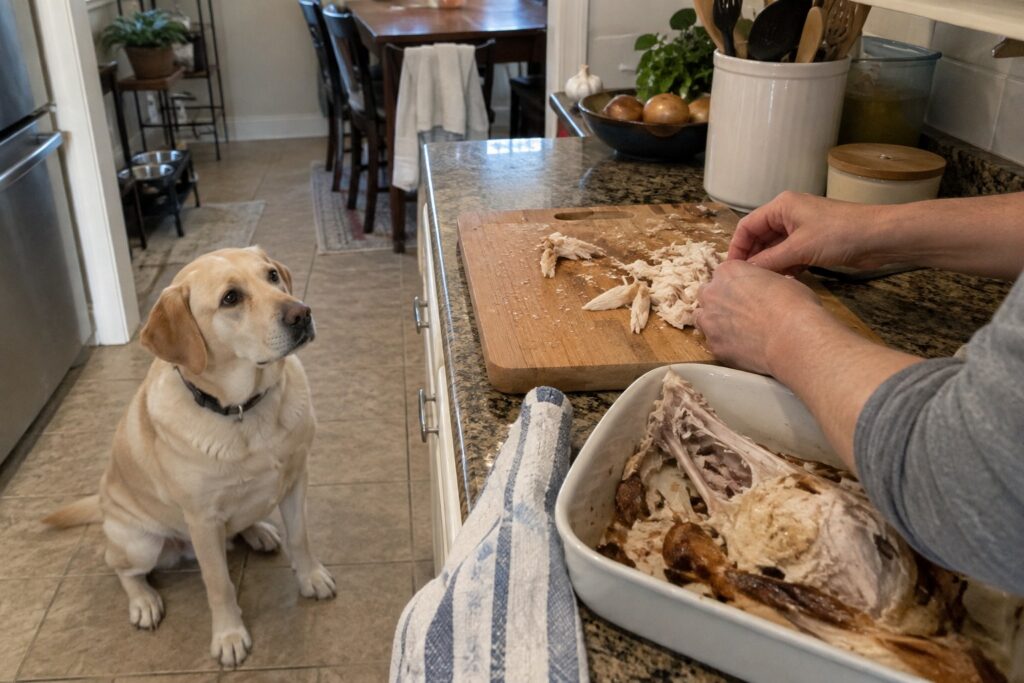
Turkey itself is not toxic to dogs. The American Kennel Club explains that turkey is a common ingredient in dog foods and is rich in protein, riboflavin, and phosphorus. The problem is preparation. Holiday birds get rubbed with butter or oil, packed with seasoning, and filled with stuffing, and those extras are what turn a harmless treat into a risk.
What Counts as “Safe” Turkey for a Dog
If you decide to share, keep it simple. Pull a small piece of white meat from the breast, remove every bit of skin, and check carefully for bone fragments. Set it aside before anyone adds gravy, salt, or seasoning. The ASPCA recommends sticking to your pet’s normal diet on Thanksgiving, and advises that any bite of turkey you do share should be boneless and fully cooked.
Portion matters as much as preparation. A treat-sized piece is plenty. A dog that normally eats kibble can get an upset stomach from a sudden rich meal, even if every ingredient is technically safe. The AKC suggests talking to your veterinarian before adding food scraps, especially for dogs with existing health issues.
Turkey Parts at a Glance
Here is a quick way to sort the holiday bird before anything reaches your dog’s bowl.
| Turkey Part or Prep | Generally OK or Risky? | Why |
|---|---|---|
| Plain, boneless, skinless white meat, fully cooked | Generally OK in small amounts | Lean protein with no added fat or seasoning; keep it treat-sized |
| Dark meat | Use caution | Higher in fat than white meat; small, plain portions only |
| Skin | Risky | High in fat and often coated in butter, oil, and seasoning |
| Pan drippings and gravy | Risky | Fatty and often salty; bouillon adds a lot of sodium |
| Stuffing or dressing | Risky | Commonly contains onion, garlic, raisins, or other harmful ingredients |
| Cooked bones, wings, and the carcass | Dangerous | Brittle bones can splinter, cause choking, or block or damage the digestive tract |
| Raw or undercooked turkey | Risky | May carry salmonella bacteria |
| Twine, foil, and roasting bags | Dangerous | Smell like meat and can cause blockages if swallowed; toss them in a secured trash can |
Why Fat and Bones Are the Big Concerns
Fat is the quiet problem. According to the AKC, one large helping of fatty food can be enough to trigger pancreatitis, a painful inflammation of the pancreas, and the day after Thanksgiving is one of the busiest days of the year for pancreatitis-related emergency vet visits. Signs can include repeated vomiting, a hunched back, belly pain, diarrhea, and loss of appetite.
Bones are the obvious problem. Cooked poultry bones are brittle and small, and the AKC notes they can obstruct the throat or intestines or even pierce the stomach or intestinal lining. A dog can swallow a stolen drumstick in seconds, which is why training matters as much as the menu.
Other Thanksgiving Foods That Cause Trouble
Turkey gets the attention, but the rest of the spread deserves a closer look. The ASPCA and AKC flag several other holiday foods as well. For a Texas-focused look at toxic foods and plants, see our post on hidden dangers for dogs in Texas.
The Holiday Hazard List
| Food | Where It Shows Up | Main Concern |
|---|---|---|
| Onions and garlic | Stuffing, gravy, green bean casserole, rubs | Can be toxic to dogs |
| Grapes and raisins | Stuffing, salads, fruit trays, baked goods | Can cause kidney damage |
| Chocolate | Pies, brownies, candy dishes | Vomiting, diarrhea, abnormal heart rhythm, tremors, seizures |
| Xylitol and other artificial sweeteners | Sugar-free desserts, gum, some peanut butters | Low blood sugar and liver damage; can be fatal |
| Raw yeast bread dough | Rolls rising on the counter | Expands in the stomach and produces alcohol |
| Bouillon and salty broths | Gravy and stock | High sodium can lead to stomach problems and even seizures |
| Raw cake batter with eggs | Dessert prep | May contain salmonella |
Safer Ways to Include Your Dog
You do not have to leave your dog out of the celebration. The AKC lists plain green beans, plain cooked sweet potato, and pure canned pumpkin (not pie filling) as reasonable options in small amounts. Set a few pieces aside before the butter, sugar, marshmallows, or salt go on. A stuffed food toy or long-lasting chew handed over on your dog’s bed during dinner gives them their own job while you eat.
When Something Goes Wrong
If your dog eats something harmful, call your veterinarian or a local emergency veterinary clinic right away. You can also contact ASPCA Animal Poison Control, which is staffed 24 hours a day, 365 days a year; its hotline number is listed on that page, and the ASPCA notes that a consultation fee may apply. Save your vet’s number and the nearest emergency clinic’s number in your phone before Thanksgiving week, since many regular clinics keep holiday hours.
The Training Side of a Dog-Safe Thanksgiving
Knowing which foods are risky only helps if your dog listens when a plate is within reach. Most holiday food emergencies are really impulse control problems: the counter surfer who grabs the carving board, the dog who dives for a dropped roll, or the pup who learns that the youngest guest at the table is an easy mark.
That is exactly what structured training addresses. Our two-week Board and Train program starts with an assessment at intake and builds a customized plan with daily structured instruction. It covers core obedience like sit, stay, come, and heel, along with problem behaviors like jumping and barking, and our advanced level includes impulse control, distance commands, and off-leash reliability. Board and Train comes with guaranteed results and lifetime support at no additional charge, and Affirm financing is available.
If you want your dog to handle a crowded kitchen calmly this season, a focused two-week program is the most direct way to get there.
Five Skills That Keep Dogs Out of the Holiday Food
These skills build on basic obedience. If your dog does not yet have a reliable sit and down, start with our list of must-know obedience commands recommended by Dallas trainers, then layer these on top.
1. Leave It
Leave it tells your dog to ignore something they want. Start with a treat under your hand on the floor, reward the moment your dog backs off, and gradually progress to uncovered food and dropped items. The AKC points out that the long-term goal is a dog who leaves dropped food alone and looks to you for permission, because you will not always see a fallen bone before your dog does.
2. Place
Place sends your dog to a bed or mat and asks them to stay there until released. It gives your dog a clear job during dinner instead of a vague “go away.” Practice short stays first, then build duration while you set the table, carve, and eat. A portable mat also works at a relative’s house or a friend’s apartment in Uptown.
3. Polite Waiting at Mealtime
A dog who waits at their own food bowl until released is learning the same self-control they need at your table. Ask for a sit, lower the bowl, and pick it back up if your dog lunges. Release only when they hold position. For a deeper look at stopping table habits, read our post on eliminating begging behavior in dogs.
4. Kitchen Boundaries
Teach your dog to stay outside an invisible line at the kitchen doorway while you cook. Reward them for holding position on the other side, and return them calmly if they drift in. Until the boundary is solid, use a baby gate or crate, because a hot oven, a dropped knife, and a dog underfoot do not mix.
5. Calm Greetings at the Door
Thanksgiving means a steady stream of arrivals. A dog who rushes the door can knock over a guest carrying a casserole or slip out onto a busy Dallas street. Practice door manners ahead of time, and see our post on why dogs jump on people if greetings get too enthusiastic.
Managing Guests, Scraps, and the Trash Can
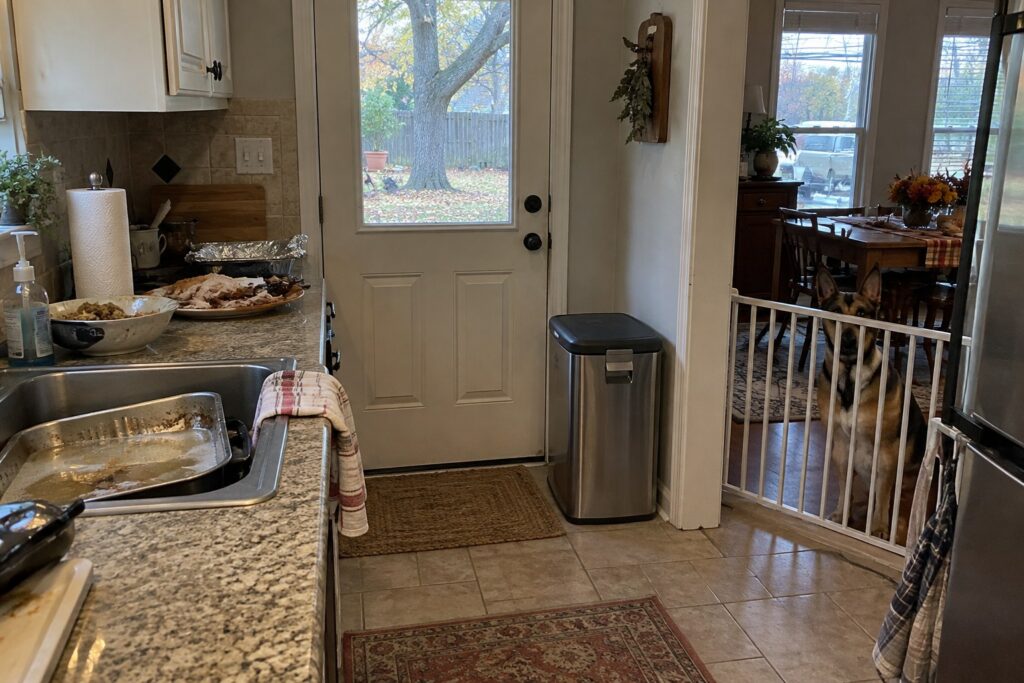
Even a well-trained dog needs a household plan when the house fills up. The goal is to make the right choice easy and the wrong choice impossible.
Set House Rules for Guests
The AKC recommends making sure your dinner guests know your preferences about feeding your dog. Tell everyone at the start of the meal that the dog does not get scraps, and give kids a better job, like tossing a kibble to the dog’s mat when the dog is lying down. One guest slipping a piece of skin under the table can undo weeks of practice and hand your dog a fatty bite.
The ASPCA also reminds hosts that visitors may carry medications in purses and coat pockets. Put bags and coats in a closed room, not on the couch or the floor.
Give Your Dog a Quiet Retreat
The ASPCA suggests giving pets a quiet place to curl up and relax away from the commotion, such as a bedroom with the door left open. For dogs who get overwhelmed, a crate in a back bedroom with a chew and some white noise can be kinder than a day of constant corrections. Practice short crate stays in the weeks before so the retreat feels normal.
Lock Down the Trash
After dinner, your trash can holds everything on the risky list at once: the carcass, bones, twine, fat, onion scraps, and chocolate wrappers. The ASPCA suggests emptying the trash throughout the day or keeping your dog away from the area where it sits. Use a lidded can with a secure latch, or take the bag straight to the outdoor bin. Clean carving boards and roasting pans promptly, too.
Plan Around the Busy Parts of the Day
Thanksgiving morning in Dallas often starts outside. The Dallas YMCA Turkey Trot downtown has welcomed leashed dogs on its 5K course (check this year’s leash rules before you go), and a long walk around White Rock Lake or through your Lakewood neighborhood can take the edge off before guests arrive. A tired dog settles on a mat far more easily.
Holiday Hosting Options for Your Dog
Hosting a full house over the long weekend calls for a plan, and our holiday gatherings behavior tips cover more on getting through the busy season.
Hosting With a Dog Who Needs More Structure
If your dog struggles with counter surfing, jumping on guests, or ignoring you when food is out, a structured program before the holidays gives you something to build on. Board and Train sets the foundation at our Carrollton facility, and you keep practicing those habits at home. Plan early and contact us about timing, since the goal is to have your dog home and settled well before the crowd arrives.
For owners who want coaching in their own space, private lessons at our facility or in your home are a strong support option. Household boundaries like waiting at doorways and staying calm when guests arrive are best practiced in-home, where those moments naturally happen, and every family member learns the same handling so the rules stay consistent on the big day.
Comparing Your Options
| Your Situation | Option to Consider | What It Helps With |
|---|---|---|
| Dog steals food, jumps, or ignores commands around distractions | Two-week Board and Train | Impulse control, obedience, and household manners with guaranteed results and lifetime support |
| Dog mostly behaves but the family needs a shared routine | Private lessons, in-home or at our facility | Boundaries, guest greetings, and consistent handling by everyone at home |
Not sure which option fits your dog? Call us at (972) 484-3647 and we will talk through your household and your holiday plans.
About All Dogs Unleashed DFW
All Dogs Unleashed DFW helps Dallas and DFW Metroplex owners build dogs who stay calm and responsive when real life gets busy, including a full Thanksgiving kitchen. Our two-week Board and Train program uses daily structured instruction and a customized plan to build obedience, impulse control, and household manners, backed by guaranteed results and lifetime support. We also offer private lessons at our Carrollton facility or in your home.
Frequently Asked Questions
Can dogs eat turkey on Thanksgiving?
Many healthy dogs can have a small piece of plain, boneless, skinless, fully cooked white turkey meat. Skip the skin, gravy, drippings, stuffing, and anything seasoned with onion or garlic, and never give cooked bones. Keep the portion treat-sized so it does not upset your dog’s stomach, and ask your veterinarian first if your dog has a health condition or a sensitive stomach.
What should I do if my dog ate a turkey bone?
Call your veterinarian or an emergency veterinary clinic right away and describe what your dog ate and how much. Do not try to make your dog vomit unless a veterinarian tells you to. Watch closely for gagging, vomiting, belly pain, lethargy, straining, or blood in the stool, because cooked bones can splinter and cause choking or a blockage.
Is turkey skin or gravy bad for dogs?
Yes, both are best avoided. Turkey skin is high in fat and is usually coated in butter, oil, and seasoning, while gravy is fatty and often salty from bouillon or drippings. The AKC notes that high-fat foods can trigger pancreatitis, a painful condition that can require veterinary care. Offer a plain piece of white meat instead if you want to share.
Can dogs eat turkey stuffing?
No. Stuffing and dressing often include onions, garlic, raisins, or heavy seasoning, and the ASPCA warns that onions and garlic can be toxic to pets. Bread-based stuffing can also be rich in butter and broth. Keep the stuffing dish on the counter away from the edge, and if your dog eats some, call your veterinarian for guidance.
How do I stop my dog from begging at Thanksgiving dinner?
Give your dog a clear alternative job, like staying on a mat or bed while everyone eats, and reward that calm behavior. Ask every guest not to share scraps, since one handout can restart the habit. Practice place and leave it in the weeks ahead, and use a crate or gate as backup when you cannot supervise closely.
Is there emergency help for pet poisoning on a holiday?
Yes. Your first call should be your veterinarian or the nearest emergency veterinary clinic. ASPCA Animal Poison Control is also available 24 hours a day, every day of the year, and its hotline number is posted on the ASPCA website. The ASPCA notes that a consultation fee may apply. Save those numbers in your phone before Thanksgiving week so you are not searching for them in a hurry.
So, can dogs eat turkey this Thanksgiving? A small, plain, boneless bite is usually fine for a healthy dog, but good manners around the table are what keep the risky stuff out of reach. If you want help building those habits before the holidays, call (972) 484-3647 or reach out online. Our training facility at 2401 Luna Rd in Carrollton serves Dallas and the DFW Metroplex.
Ready to Get Started with All Dogs Unleashed DFW?
A calmer holiday starts with a dog who knows what you expect. Call (972) 484-3647 today to talk about Board and Train or private lessons for the season ahead.