
The holiday season in Carrollton brings family visits, festive parties, and plenty of excitement, but for many dogs, it also brings stress. Changes in routine, unfamiliar guests, loud noises, and unusual decorations can trigger anxious behavior that surprises even experienced pet owners. Understanding why your dog reacts this way is the first step toward making the season enjoyable for everyone in your home.
Carrollton is a busy, family-oriented city in the DFW Metroplex, and many households here host Thanksgiving dinners, Christmas celebrations, and New Year’s parties that bring in relatives and friends from out of town. For dogs accustomed to a quieter routine, suddenly being surrounded by new people and unfamiliar smells can be disorienting and overwhelming.
All Dogs Unleashed in Carrollton understands how the holidays affect dogs and their families. With the right preparation and consistent training techniques, you can help your dog navigate the season with confidence rather than anxiety.
Why Dogs Get Stressed During the Holidays
Dogs are creatures of habit. They thrive on routine, familiar faces, and predictable environments. When the holidays disrupt those routines, many dogs respond with behaviors that signal stress:
- Excessive barking or whining when guests arrive
- Pacing, panting, or hiding in another room
- Jumping on guests or nipping out of excitement
- Destructive chewing of furniture or household items
- Accidents inside the home, even in housetrained dogs
These behaviors are not signs of a bad dog. They are signs of a dog that has not yet learned how to cope with the chaos of holiday gatherings. The good news is that these behaviors can be addressed with consistent training and proactive management.
Preparing Your Dog Before Guests Arrive
One of the best things you can do is prepare your dog before guests ever walk through the door. A few simple strategies can make a significant difference:
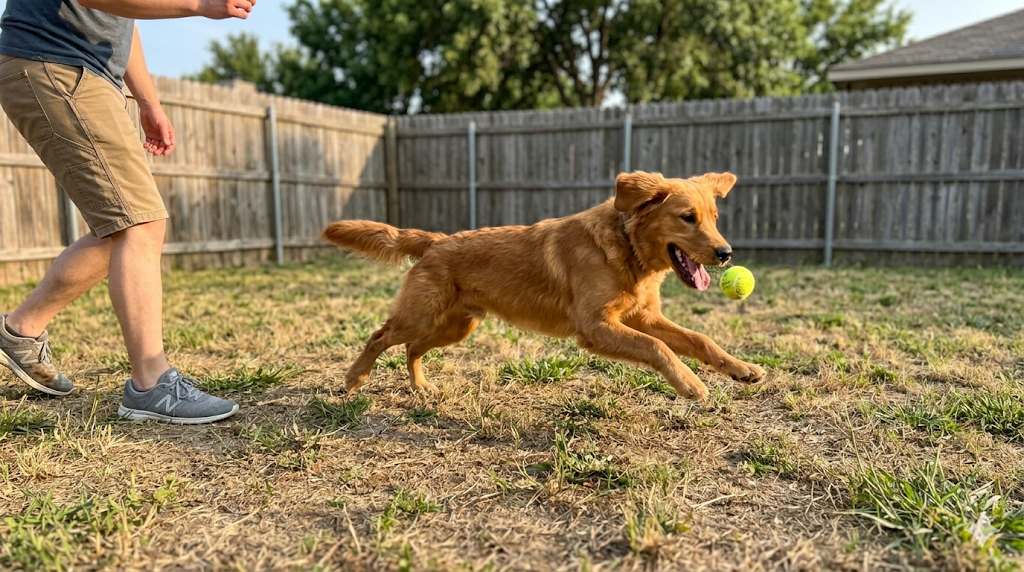
- Exercise beforehand: A long walk or active play session before guests arrive helps drain excess energy. A tired dog is a calmer dog, and a calmer dog is far less likely to jump, bark, or act out when new people show up.
- Create a safe retreat: Set up a quiet room or crate space where your dog can decompress if the gathering becomes too stimulating. Add familiar bedding, toys, and water. Give your dog the option to choose this space rather than forcing them into it.
- Refresh basic commands: Commands like “sit,” “stay,” “place,” and “down” are essential tools during gatherings. If your dog already knows these commands reliably, spend a few days refreshing them before your event. If your dog does not respond consistently to basic commands, consider reaching out to a training program before the holidays begin.
Managing Your Dog During Holiday Gatherings
Even with good preparation, the moment guests arrive can be a flashpoint for excited or anxious behavior. Here is how to manage those moments effectively:
- Use a leash or tether indoors. Keeping your dog on a leash or tethered near you during arrivals gives you physical control while also helping your dog feel more grounded. This prevents jumping, bolting out the door, and other impulsive behaviors.
- Greet guests calmly. Dogs read energy from their owners. If you rush excitedly to the door, your dog will match that energy. Approach arrivals in a calm, controlled manner and ask guests to ignore your dog until they settle down.
- Introduce guests gradually. Rather than allowing every guest to immediately approach your dog, let your dog observe from a comfortable distance first. Allow your dog to approach guests on their own terms, especially with shy or anxious dogs.
- Keep feeding rules consistent. Holiday gatherings often mean food within reach, and well-meaning guests who sneak table scraps can undermine training and cause digestive upset. Politely ask your guests not to feed your dog during the event.
Recognizing Stress Signals Before They Escalate
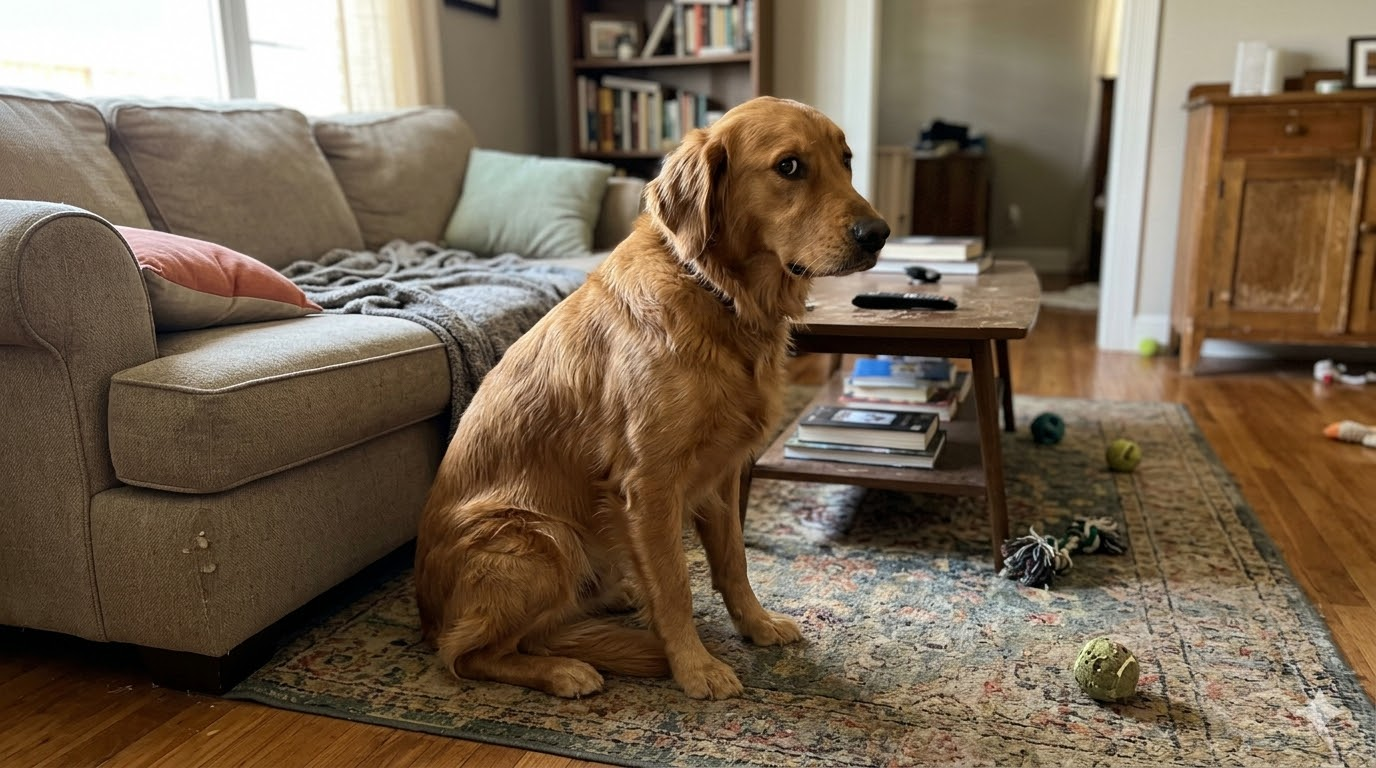
Knowing when your dog is stressed before that stress escalates into a behavioral outburst can prevent incidents during gatherings. Common early stress signals include:
- Yawning repeatedly in non-sleepy contexts
- Lip licking or nose licking when not near food
- Whale eye (showing the whites of the eyes)
- Ears pinned back or tail tucked under the body
- Stiffening of the body when approached
When you notice these signals, give your dog a break in their quiet space. Attempting to push a stressed dog through a social situation often intensifies the problem. Calm, brief retreats are far more effective than forcing the interaction.
Frequently Asked Questions
Is it okay to leave my dog in another room during holiday gatherings?
Yes, and for many dogs this is actually the kindest option. If your dog becomes stressed or overstimulated during gatherings, letting them rest quietly in a separate room with enrichment toys or a chew is far better than exposing them to a situation they cannot manage.
How early should I start preparing my dog for holiday gatherings?
Start at least two to three weeks in advance. This gives you time to work on commands, introduce your dog to any new decorations, and practice calm behavior around simulated guest arrivals.
My dog barks nonstop when guests arrive. What can I do?
Teach your dog an incompatible behavior, such as going to a designated mat when the doorbell rings. Once your dog reliably goes to that spot on cue, the barking and lunging at the door tends to reduce significantly. Consistent practice is key.
Can older dogs learn new holiday manners?
Absolutely. Dogs of all ages can learn new behaviors with proper training and consistency. Older dogs may take a little longer to adjust, but they are fully capable of learning new habits.
Ready to Help Your Dog Have a Calmer Holiday Season?
At All Dogs Unleashed, our team is here to help Carrollton dog owners build the skills they need to manage their dogs through the holidays and beyond. Give us a call at (972) 484-3647 or stop by at 2401 Luna Rd, Carrollton, TX 75006 to learn more about our training options.