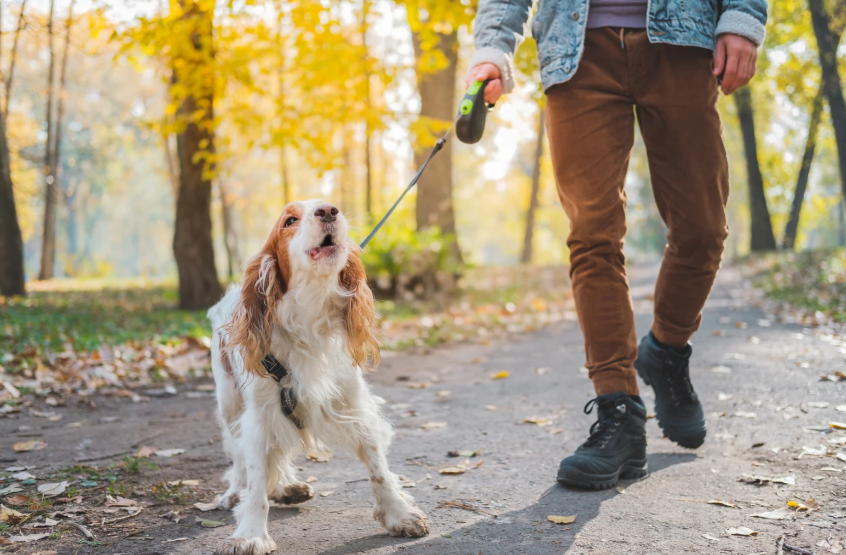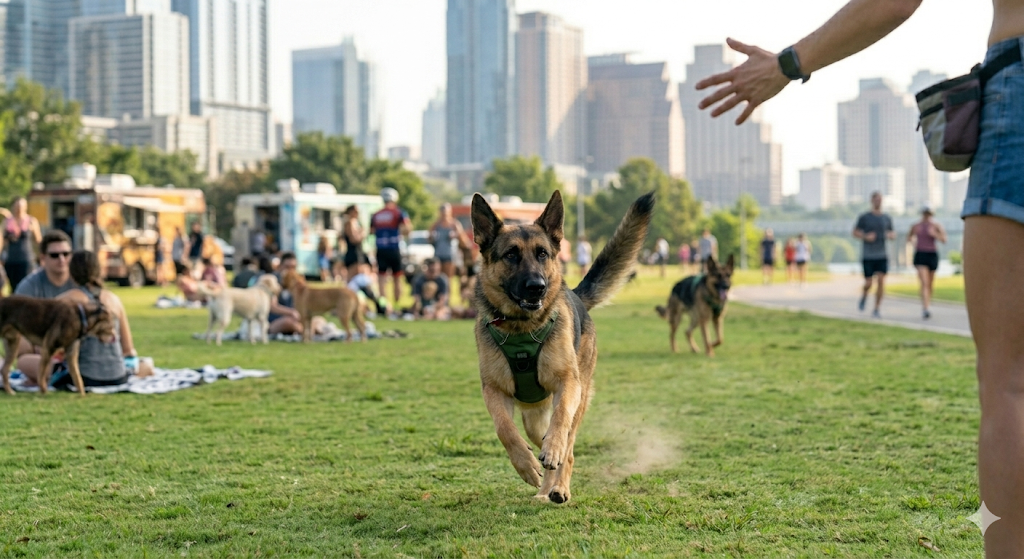

Picking a family dog in Denver is not the same as picking one in Phoenix, Seattle, or Atlanta. The Mile High City asks something specific of its dogs: stamina for weekend hikes in the Front Range, tolerance for dry air and high altitude, a coat that can handle a thirty-degree temperature swing in a single afternoon, and a temperament that stays steady whether you live in a LoDo apartment or a Highlands Ranch backyard. The right breed makes family life easier. The wrong one can leave a household exhausted and a dog under-stimulated.
The ten breeds below are widely loved by Denver families because they fit how people actually live here, balancing energy, size, grooming, and temperament. The list ranges from classic large breeds bred for adventure to smaller companions that thrive in urban condos. Each profile covers what makes the breed work for a Denver household and where families should think twice before committing.
What Makes a Dog Right for the Denver Lifestyle
Before scrolling to the breed list, it helps to know what Denver-friendly really means. Three factors come up in nearly every conversation with families choosing their next dog.
Climate range. Denver sees roughly 300 sunny days a year, but those days include single-digit winter mornings, summer afternoons in the upper 90s, and afternoon thunderstorms that drop temperatures by 20 degrees in an hour. Dogs that can layer up in winter and pant comfortably in summer do best. Short-snouted breeds and dogs with very thin coats can struggle on either end.
Activity matching. The average Denver household hikes, bikes, runs, skis, or walks more than households in flatter or wetter cities. A high-energy dog in a sedentary family becomes destructive. A low-energy dog dragged on a five-mile trail every weekend becomes anxious and sore. Honest activity matching is the single biggest predictor of whether a breed will work.
Living space. Denver mixes dense urban neighborhoods with suburban yards and semi-rural acreage. A breed that thrives on three acres in Parker may struggle in a 700-square-foot apartment in Capitol Hill, and vice versa. Size alone does not tell the story. Some large breeds settle well into small spaces, while some small breeds need yards.
With those filters in mind, here are ten breeds that consistently work for Denver families.
1. Labrador Retriever
The Labrador Retriever is the most popular family dog in Colorado for good reason. Labs are friendly with kids, eager to please, intelligent enough to train well, and built for the outdoor activities Denver families love. They swim in Cherry Creek Reservoir, hike Mount Falcon, and curl up at the foot of the bed without complaint.
Their double coat handles cold mornings, and their athletic build holds up to summer trails when properly hydrated. Expect daily exercise needs of 60 to 90 minutes, regular shedding (twice-yearly heavy blowouts), and a long puppyhood that benefits from early training. A well-socialized Lab is one of the most forgiving family breeds available.
2. Golden Retriever
Goldens share most of the Labrador’s family-friendly traits with a softer temperament and a longer coat that suits Denver winters. They tend to be gentler with small children and slightly more sensitive to harsh correction, which fits families that prefer reward-based training. Their adaptability is a real advantage: a Golden can settle into a downtown apartment if given enough daily exercise.
Grooming demands are higher than a Lab’s. Plan on weekly brushing, with daily brushing during shedding season. Goldens are prone to hip and elbow issues, so buying from a reputable breeder who screens for these conditions matters.
3. Bernese Mountain Dog
Bred in the Swiss Alps, the Bernese Mountain Dog is built for Colorado winters and has the calm, gentle temperament families love. They are excellent with children, patient with chaos, and content to spend an afternoon napping by the fireplace between hikes. For families in the foothills or anyone whose weekends revolve around snowshoeing, a Berner is hard to beat.
The trade-offs are real. Bernese Mountain Dogs have a shorter average lifespan, typically 7 to 10 years, and they struggle in summer heat. Families need to plan summer exercise for early mornings or evenings and provide shaded outdoor time. Their thick double coat sheds heavily year-round.
4. Australian Shepherd
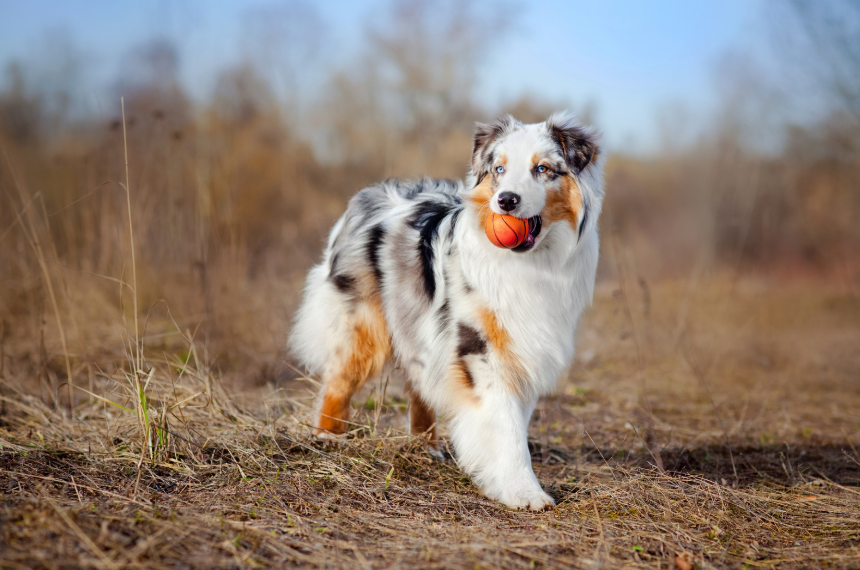
The Aussie is the breed of choice for Denver families who already trail-run, mountain bike, or compete in dog sports. They are intelligent, athletic, and bonded closely to their people. A well-exercised Aussie is one of the most trainable family dogs you can own, regularly placing in agility, herding, and obedience trials.
Aussies are not a beginner-friendly breed. Without 90 minutes to two hours of daily physical and mental exercise, they invent their own jobs, which often includes herding children, chewing furniture, or barking at every neighborhood noise. For active Front Range households, they are nearly unmatched.
5. Border Collie
Often ranked the most intelligent dog breed in the world, the Border Collie thrives in Colorado’s active lifestyle. They learn commands in fewer repetitions than almost any other breed, excel at off-leash work once trained, and form intense bonds with their families. A trained Border Collie on a Front Range trail is a beautiful thing to watch.
The intelligence is a double-edged sword. Border Collies need both physical exercise and mental work, often a structured training session daily on top of long walks. Households with young children and limited time often find a Border Collie’s intensity overwhelming. Families with older kids and outdoor routines tend to be the best match.
6. Vizsla
Vizslas are the runner’s dog. Bred as Hungarian hunting companions, they have stamina that matches almost any human pace, a short rust-colored coat that needs minimal grooming, and a deep attachment to their families. They earn the nickname “velcro dog” because they want to be touching their person at all times.
Their short coat handles Denver summers well but leaves them less suited to long winter exposure without a jacket. They are an indoor breed who exercises outdoors, not a backyard breed. Families that work from home or can include the dog in daily routines get the best from a Vizsla. Left alone too long, separation anxiety surfaces quickly.
7. Boxer
Boxers bring boundless energy, a sense of humor, and a protective instinct that suits suburban families. They are notably good with children, often described as patient and silly with kids they have grown up with. Their short coat makes grooming simple, and their athletic build keeps up with active families.
As a short-snouted breed, Boxers are more sensitive to summer heat than most dogs on this list. Exercise needs to shift to early mornings during July and August, and panting that does not resolve quickly is a sign to come indoors. They also do best in homes where a person is around for most of the day, since they crave engagement.
8. Bernedoodle
The Bernedoodle, a Bernese Mountain Dog and Poodle cross, has surged in popularity across Denver and Boulder. Families gravitate to the doodle’s lower-shedding coat, intelligence, and friendly temperament, especially households with mild allergies. Sizes range from mini to standard, which gives flexibility for apartments or houses.
Quality varies widely with hybrid breeds. The breeder matters more than with established breeds, since temperament and coat type can swing significantly from one litter to the next. A well-bred Bernedoodle from a reputable Colorado breeder combines the Berner’s calm with the Poodle’s longevity and trainability.
9. Cavalier King Charles Spaniel
For families in dense Denver neighborhoods like Capitol Hill, RiNo, or LoDo, the Cavalier King Charles Spaniel offers an excellent small-breed option. They are affectionate, gentle with children, and adaptable enough to handle apartment living without demanding intense daily exercise. A walk around the neighborhood and indoor play meets their needs.
Cavaliers prefer mild weather. They tolerate Denver summers well with adequate shade and water, but they need jackets and short outings during cold snaps. The breed is also prone to mitral valve disease and syringomyelia, so buying from a breeder who screens carefully is important.
10. Greyhound
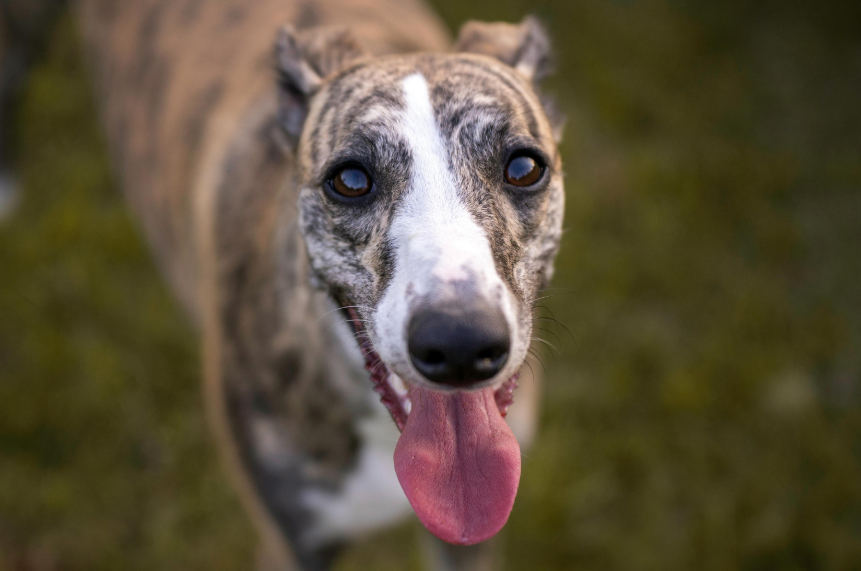
Greyhounds surprise most first-time owners with how calm they are. Often called the world’s fastest couch potatoes, they sprint hard for short bursts and then sleep for hours. Their low-key indoor temperament makes them excellent apartment dogs, and the strong adoption pipeline for retired racing dogs in Colorado means most families bring home an adult, not a puppy.
Their thin coat is the main climate consideration. Greyhounds need sweaters and coats for winter walks, and their lean build means they prefer warm spots indoors. Families willing to gear them up for outdoor time get a remarkably easy-going dog in return.
Quick Comparison of All 10 Breeds
| Breed | Size | Energy Level | Grooming | Climate Fit |
|---|---|---|---|---|
| Labrador Retriever | Large | High | Moderate shed | All seasons |
| Golden Retriever | Large | Medium-high | Heavy shed | Cool-to-mild |
| Bernese Mountain Dog | Extra-large | Medium | Heavy shed | Cold-loving |
| Australian Shepherd | Medium-large | Very high | Moderate shed | All seasons |
| Border Collie | Medium | Very high | Moderate shed | Cool-to-mild |
| Vizsla | Medium-large | Very high | Low shed | Warm-to-mild |
| Boxer | Medium-large | High | Low shed | Mild (sensitive to extremes) |
| Bernedoodle | Medium to large | Medium-high | Low shed | All seasons |
| Cavalier King Charles Spaniel | Small | Medium | Moderate shed | Mild |
| Greyhound | Large | Burst-and-rest | Very low | Warm indoors, layered outdoors |
Helping Your New Dog Thrive in Denver
Altitude acclimation. Dogs adjust to elevation faster than humans, but a dog brought to Denver from sea level may pant more, drink more water, and tire faster for the first one to two weeks. Avoid intense exercise during this window and watch for signs of altitude sickness, including lethargy or loss of appetite.
Paw care. Hot summer pavement and icy winter sidewalks both take a toll. Walking on grass during midday summer heat, using paw wax in winter, and checking pads for cracks after long hikes keeps dogs sound year-round.
Hydration in dry air. Denver’s dry climate dehydrates dogs faster than they show. Carrying water on hikes, refilling indoor water bowls more often than you would think necessary, and watching for sticky gums during exercise are basic precautions.
Training from day one. Every breed on this list benefits from early socialization and consistent training. Trail manners, recall, and calm behavior around other dogs are non-negotiable for Denver families who plan to bring their dog into public spaces. Working with a professional trainer in the first six to twelve months pays back many times over the life of the dog. Our team of experienced trainers offers several training pathways through our Denver dog training programs, including in-home dog training in Denver for families who prefer training in their own environment and Denver board and train for accelerated results.
If breed temperament and training questions are on your mind, our breakdown of how breed impacts disposition goes deeper into what genetics actually predict, and our guide to training stubborn breeds is worth reading before bringing home a high-drive working breed.
Frequently Asked Questions
What is the best family dog for an active Denver lifestyle?
For most active Denver families, the Labrador Retriever, Golden Retriever, and Australian Shepherd consistently rank at the top. Labs and Goldens balance trainability with patience around children. Aussies suit families that already run, hike, or bike daily and want a dog that keeps up. The right answer depends on your weekly activity level and how much time you can commit to training and grooming.
Can large breeds like Bernese Mountain Dogs live in Denver apartments?
Some can, but it requires honesty about exercise commitment. Bernese Mountain Dogs and Goldens can adapt to apartments when given two solid outings a day and weekend hikes. Breeds like the Border Collie or Australian Shepherd usually struggle in apartments unless their owners are exceptionally committed to daily mental and physical exercise. For dense Denver neighborhoods, Cavaliers and Greyhounds are easier matches.
How does altitude affect new dogs in Denver?
Dogs adjusting to Denver’s elevation usually need one to two weeks of lighter exercise, easy access to water, and time to acclimate. Most dogs adjust without issue. Brachycephalic breeds, like Boxers and French Bulldogs, may take longer and should avoid strenuous activity for the first few weeks. Watch for signs of altitude sickness, including persistent lethargy, vomiting, or loss of appetite, and consult a veterinarian if symptoms last more than a few days.
When should I start training my new puppy?
Socialization and basic training should begin the day your puppy comes home, typically between 8 and 12 weeks old. Early exposure to new people, surfaces, sounds, and other vaccinated dogs builds confidence that lasts a lifetime. Formal obedience training can start as early as 10 weeks with reward-based methods. For more guidance on what to do (and avoid) in the early months, see our puppy training tips.
Are doodle hybrids really hypoallergenic?
No dog is fully hypoallergenic, but doodle hybrids like Bernedoodles and Goldendoodles often produce fewer allergens than purebred Bernese Mountain Dogs or Golden Retrievers. Coat type varies even within a single litter, so families with significant allergies should spend time with the specific puppy before committing. A well-bred F1B or multigenerational doodle from a reputable Colorado breeder is usually the safer bet for allergy-sensitive households.
How much daily exercise does a Denver family dog need?
Most breeds on this list need 45 to 90 minutes of physical exercise daily, plus mental stimulation through training, puzzle toys, or sniff walks. High-drive working breeds like Border Collies and Australian Shepherds often need closer to two hours. Cavaliers and Greyhounds can be satisfied with 30 to 45 minutes if the rest of the day includes household engagement. Consistent daily exercise matters more than occasional weekend hikes.
About All Dogs Unleashed in Denver
All Dogs Unleashed serves families across Denver, from LoDo and RiNo to Highlands Ranch, Aurora, and the Front Range. Our experienced trainers work with every breed on this list and many more, helping families build the calm, confident, well-mannered dogs that match the Denver lifestyle. Whether you have a new puppy settling into a downtown apartment or an adolescent rescue learning trail manners, our programs meet you where you are.
Visit us at 2301 Blake St, Denver, CO 80205, call (720) 310-7337, or learn more about our Denver dog boarding and Denver dog daycare services for families who need reliable, hands-on care.
Schedule Your Denver Dog Training Consultation
Choosing the right breed is the first step. Setting your dog up to thrive in Denver is the next one. Our trainers can help with everything from puppy foundations to advanced off-leash work on the trails. Contact our Denver team or call (720) 310-7337 to schedule a consultation and start building a lasting bond with your new family dog.