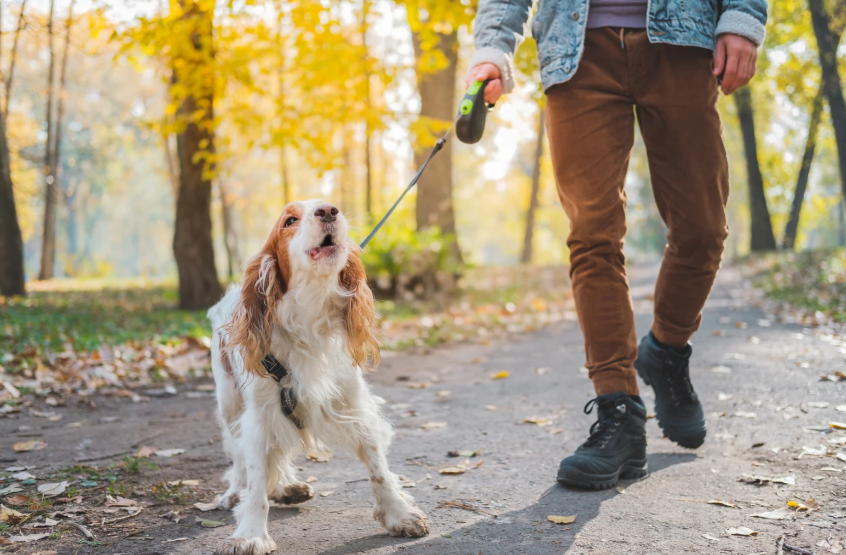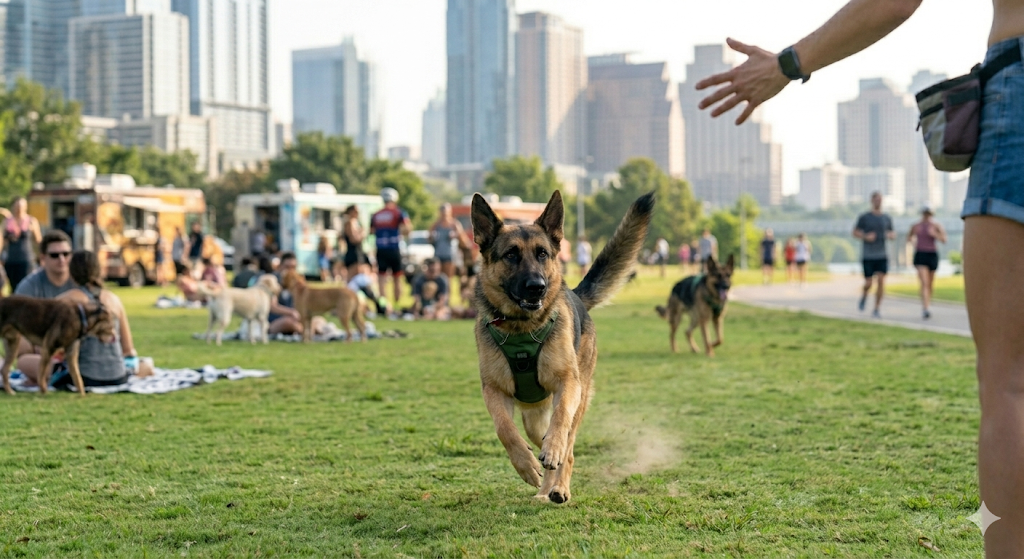

Denver’s apartment scene has exploded over the last decade. LoDo high-rises, Capitol Hill brownstones, RiNo lofts, and Cherry Creek mid-rises all share the same reality: dogs living in tight quarters with neighbors on the other side of every wall. Add altitude, dry air, sub-zero winter nights, and the occasional 90-degree summer afternoon, and the question of which dog actually fits Denver apartment life gets more interesting than it looks.
The best apartment dogs aren’t always the smallest ones. What matters is temperament, energy management, noise tendency, and how well a breed handles Mile High weather. The 12 breeds below check those boxes and tend to flourish in Denver buildings rather than tolerate them.
What Makes a Dog Apartment-Friendly in Denver
Before getting to the breeds, it helps to know what to look for. Four traits separate dogs that genuinely thrive in apartments from ones that merely survive.
Size and adaptability. Square footage matters less than how a dog uses it. A large breed that settles into long naps can work better than a small breed that ricochets off walls. Denver apartments range from 400-square-foot studios in older Cap Hill buildings to spacious LoDo lofts, and the right dog adapts to whatever space is available.
Energy management. Apartment dogs need to be content with structured exercise (two solid walks, a trip to a local park) rather than free-range yard time. Breeds that self-regulate indoors tend to do better than working breeds with high drive.
Noise tendency. Denver buildings vary wildly in soundproofing. Older Capitol Hill walk-ups have thin walls. New construction in RiNo and Five Points is denser but not silent. A dog that barks at every elevator ding or hallway footstep will generate complaints fast.
Climate tolerance. Denver swings from negative-digit windchills in January to 95-degree pavement in July, with thin, dry air year-round. Flat-faced breeds struggle with altitude. Thin-coated dogs need winter gear. Long-coated breeds can overheat in summer. Climate fit is non-negotiable.
With those traits in mind, here are the 12 breeds that consistently do well in Denver apartments.
1. Cavalier King Charles Spaniel
The Cavalier is a near-perfect apartment dog. Small enough for a studio, gentle enough for a building with kids and elderly neighbors, and quiet enough to keep on good terms with the unit next door. Cavaliers love proximity to their people and are happy on the couch between two daily walks. They handle Denver’s cold reasonably well with a sweater and tolerate elevator rides, lobbies, and dog-friendly patios without fuss.
2. French Bulldog
Frenchies have become one of Denver’s most common apartment dogs for good reason. They have low exercise demands, moderate noise levels, and a temperament built for indoor lounging. The caveat is real, though: as a brachycephalic (flat-faced) breed, Frenchies can struggle with Denver’s altitude and heat. Owners should plan walks for cooler parts of the day from June through August and watch for labored breathing on stairs and steep streets.
3. Bichon Frise
The Bichon is a compact, social, low-shedding breed that thrives in small spaces. They’re playful without being hyper, friendly with strangers (an asset in shared lobbies and elevators), and one of the better fits for owners with mild allergies. Denver’s dry air can be hard on their coat, so a humidifier and consistent grooming help.
4. Shih Tzu
Shih Tzus are calm indoor companions who don’t need a yard to be happy. Their exercise needs are modest, their personalities are affectionate, and they generally take apartment living in stride. Like the Frenchie, the Shih Tzu is brachycephalic, so altitude and heat warrant attention. Short, frequent walks tend to work better than long ones, especially during the first few weeks after moving to Denver.
5. Greyhound
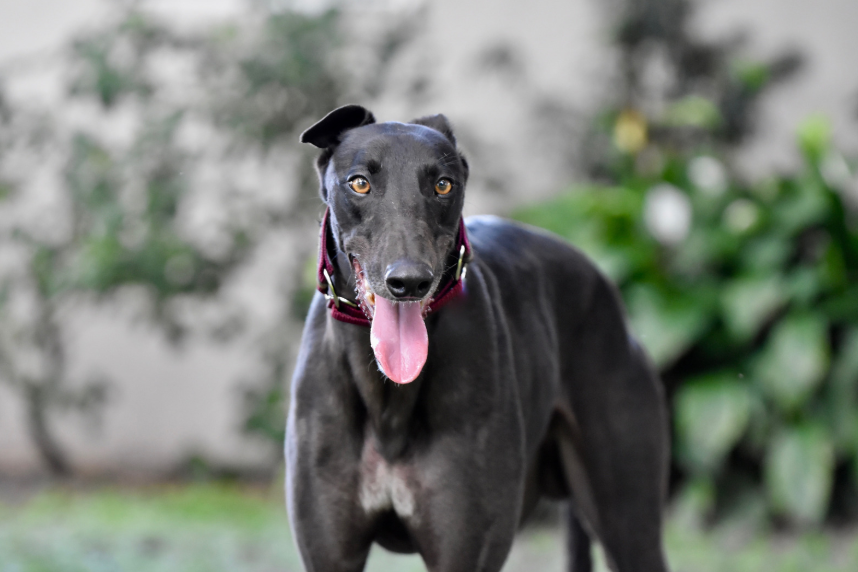
The Greyhound surprises most people. Yes, they’re large. No, they don’t need constant exercise. Greyhounds are often called “45-mph couch potatoes” because outside of a few short bursts of running per day, they sleep. Their thin coats mean serious winter gear in Denver, quality coats, fleece liners, sometimes booties for icy sidewalks, but they’re remarkably quiet, clean, and well-suited to elevator buildings.
6. Boston Terrier
Boston Terriers are friendly, adaptable, and moderately energetic without being demanding. They handle stairs, lobbies, and busy sidewalks well, and their size makes them easy to manage in tight spaces like 16th Street Mall or Larimer Square on a Saturday. They share some flat-faced breathing concerns with Frenchies and Pugs, so the same altitude and heat precautions apply.
7. Miniature Poodle
Mini Poodles are trainable, intelligent, low-shedding, and quiet by nature. They adapt easily to apartment routines and respond well to consistent structure, which makes them one of the easier breeds to integrate into building rules and elevator etiquette. Their coats need regular grooming but handle dry Colorado air better than most.
8. Maltese
Maltese dogs have a tiny footprint, modest exercise needs, and a temperament that fits older buildings with narrow hallways and small elevators. They bond closely with one or two people and tend to settle quickly into a routine. They get cold fast in Denver winters, so a layered approach to outdoor gear is the norm from November through March.
9. Pug
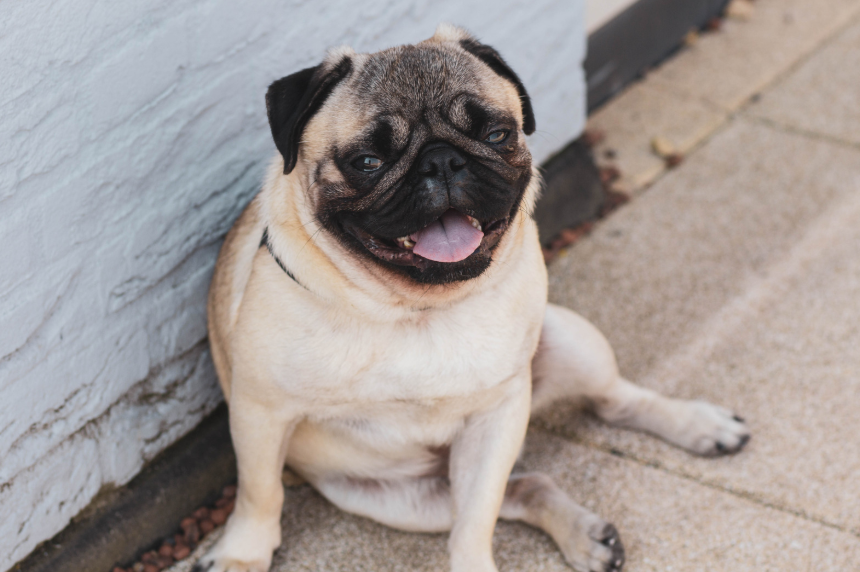
Pugs are affectionate, low-key at home, and rarely demanding about exercise. They’re popular in Denver apartments because they’re quiet companions and good with neighbors. Their brachycephalic build is the main consideration: altitude can affect their breathing, and they should never be walked on hot pavement. Indoor play and shaded morning walks work best in summer.
10. Basenji
Often called the “barkless dog,” the Basenji vocalizes through yodels and hums rather than barking. For Denver renters in buildings with thin walls or strict noise policies, that’s a significant advantage. Basenjis are energetic and independent, so they need engagement and structured training, but their quiet nature and clean grooming habits earn them a spot on this list.
11. Italian Greyhound
Italian Greyhounds are tiny, quiet, and low-shedding. They love warm laps and sunny windows and tend to stay out of trouble when given enough mental stimulation. They are extremely cold-sensitive, though. In Denver, they need coats from October through April and shouldn’t be out for long in single-digit temperatures. For owners who don’t mind dressing their dog, they’re one of the most apartment-perfect breeds available.
12. Havanese
The Havanese is a velcro dog, happy as long as they’re with their person. They adapt beautifully to small spaces, elevator buildings, and shared lobbies. They’re quiet, friendly, and low-shedding. Their long coats need regular grooming, but they handle Denver’s climate well overall, especially with a humidifier in winter.
Quick Comparison
| Breed | Size | Energy Level | Shedding | Noise Level | Denver Climate Fit |
|---|---|---|---|---|---|
| Cavalier King Charles | Small | Low-Moderate | Moderate | Low | Strong |
| French Bulldog | Small-Medium | Low | Low | Low | Watch heat/altitude |
| Bichon Frise | Small | Moderate | Very Low | Low-Moderate | Strong |
| Shih Tzu | Small | Low | Low | Low | Watch heat/altitude |
| Greyhound | Large | Low-Moderate | Low | Very Low | Needs winter gear |
| Boston Terrier | Small-Medium | Moderate | Low | Moderate | Watch heat/altitude |
| Miniature Poodle | Small-Medium | Moderate | Very Low | Low | Strong |
| Maltese | Very Small | Low | Very Low | Moderate | Needs winter gear |
| Pug | Small | Low | Moderate | Low | Watch heat/altitude |
| Basenji | Small-Medium | High | Low | Very Low (no bark) | Strong |
| Italian Greyhound | Very Small | Low-Moderate | Very Low | Low | Needs winter gear |
| Havanese | Small | Moderate | Very Low | Low | Strong |
What to Consider Before Choosing an Apartment Dog in Denver
Building rules and breed restrictions. Many Denver apartments have weight limits (typically 25 to 50 pounds) and breed restrictions that exclude certain large or guardian breeds. Read the pet addendum before falling in love with a breed your building won’t allow.
Daily walk logistics. Capitol Hill and LoDo have walkable density and plenty of pocket parks. RiNo and Five Points have wider, less green corridors. Cherry Creek has Cherry Creek Trail access. Where you live shapes what daily exercise looks like, and some breeds adapt better to sidewalk-only routines than others.
Climate gear. Most apartment-friendly breeds in Denver need some seasonal gear. Coats for winter, paw protection for hot pavement and salted sidewalks, possibly booties for icy alley access. Budget for it from day one.
Training expectations. Apartment dogs need solid foundations: quiet elevator behavior, calm leash manners through busy lobbies, no reactivity to other dogs in tight hallways. Even the most apartment-suited breeds benefit from structured training early. Our guide to The Basics of Leash Training covers the fundamentals that make city life manageable.
Breed isn’t destiny. While certain breeds skew toward apartment-friendly traits, individual personality matters more. Two Cavaliers from different litters can have noticeably different energy levels and noise habits. Our post on Does Breed Really Impact a Dog’s Disposition is a useful starting point if you’re weighing options, and Puppy Training: What NOT to Do helps new owners avoid the most common early mistakes.
Frequently Asked Questions
Is there a weight limit for dogs in Denver apartments?
Most Denver apartment buildings set their own pet weight limits, commonly between 25 and 50 pounds, with some allowing larger dogs on a case-by-case basis. Always check the pet addendum and ask whether the limit is firm or negotiable before signing a lease.
How much exercise does an apartment dog need in Denver?
Most apartment-friendly breeds do well with two 20- to 30-minute walks per day, plus some indoor play or mental stimulation. Denver’s altitude can make new arrivals tire faster than expected for the first few weeks, so build up gradually.
Which breeds bark the least in apartments?
Basenjis are the quietest by a wide margin since they don’t bark in the traditional sense. Greyhounds, Cavaliers, French Bulldogs, and Havanese are also among the calmer breeds, though individual temperament matters more than breed averages.
Do flat-faced breeds struggle in Denver?
Brachycephalic breeds like French Bulldogs, Pugs, Boston Terriers, and Shih Tzus can have more trouble at altitude, especially during exercise or in heat. Most adjust well over a few weeks, but owners should watch for labored breathing and avoid strenuous activity on hot days.
What’s the best apartment dog for first-time Denver owners?
Cavalier King Charles Spaniels, Havanese, and Bichon Frises tend to be forgiving choices for first-time owners. They’re affectionate, trainable, and adapt easily to apartment routines without high-maintenance care.
How do I keep my apartment dog from disturbing neighbors?
Early training is the biggest factor. Teach calm elevator and hallway behavior, address barking triggers (knocks, footsteps, other dogs) before they become habits, and provide enough exercise and mental stimulation to prevent boredom-related noise.
About All Dogs Unleashed Denver
All Dogs Unleashed works with apartment owners across Denver, from LoDo and Capitol Hill to RiNo, Five Points, and Cherry Creek, building the calm, well-mannered city dogs that make small-space living work. Our training approach focuses on real-world behavior in the environments dogs actually live in: elevators, lobbies, busy sidewalks, dog-friendly patios, and tight quarters with neighbors close by.
Visit us at 2301 Blake St, Denver, CO 80205, or call (720) 310-7337 to learn more about how our trainers can help your apartment dog thrive.
Ready to Set Your Apartment Dog Up for Success?
Whether you’re bringing home a new puppy or refining the manners of an adult dog already in your apartment, our Denver Dog Training Programs are built for city life. We offer In-Home Dog Training for owners who want to train in their actual living environment, Board and Train for accelerated results, and Dog Daycare and Dog Boarding for the days when your dog needs more activity or overnight care than apartment life can provide. Contact Us or call (720) 310-7337 to get started.