
Hiking with a dog in Colorado is its own kind of test. Trails climb fast, terrain shifts from packed dirt to scree to snow within a single mile, temperatures can swing 30 degrees from trailhead to summit, and the air thins as elevation rises. Add wildlife (moose, mountain lions, rattlesnakes) and long water gaps, and the difference between a dog who thrives on Colorado trails and one who suffers becomes obvious by the third or fourth outing.
The best hiking dogs share a specific blend of traits: endurance, weather tolerance, sturdy paws, and the kind of off-leash reliability that keeps them safe on remote terrain. The nine breeds below consistently handle Colorado hiking better than most, and the right one depends on the kind of mileage, elevation, and seasons you spend on the trail.
What Makes a Dog Built for Colorado Trails
Before getting to the breeds, five traits separate true trail dogs from house dogs who hike occasionally.
Endurance. Colorado hikes regularly run 8 to 15 miles with 2,000 to 4,000 feet of elevation gain. Dogs need cardiovascular fitness and lean body composition, not just willingness to move.
Paw durability. Granite, scree, ice, hot rock, sharp basalt, Colorado terrain destroys soft paws fast. Breeds with thick, naturally tough pads handle long days without booties, while sensitive-pawed breeds need protection on most trails.
Weather tolerance. A summer hike in the foothills can hit 90 degrees while a trail above 11,000 feet stays in the 40s. The best hiking dogs handle a wide range of conditions, or at minimum match the season you hike most.
Off-leash reliability. Most Colorado backcountry trails allow off-leash dogs under voice control, but wildlife encounters, cliff edges, and unfamiliar hikers make recall non-negotiable. A breed’s natural trainability and prey drive both factor in.
Altitude resilience. Some breeds adjust to high elevation more easily than others. Brachycephalic (flat-faced) dogs and breeds with cardiovascular limitations struggle above 8,000 feet. The breeds below all handle altitude well with proper conditioning.
With those traits in mind, here are the nine breeds that consistently thrive on Colorado trails.
1. Australian Shepherd
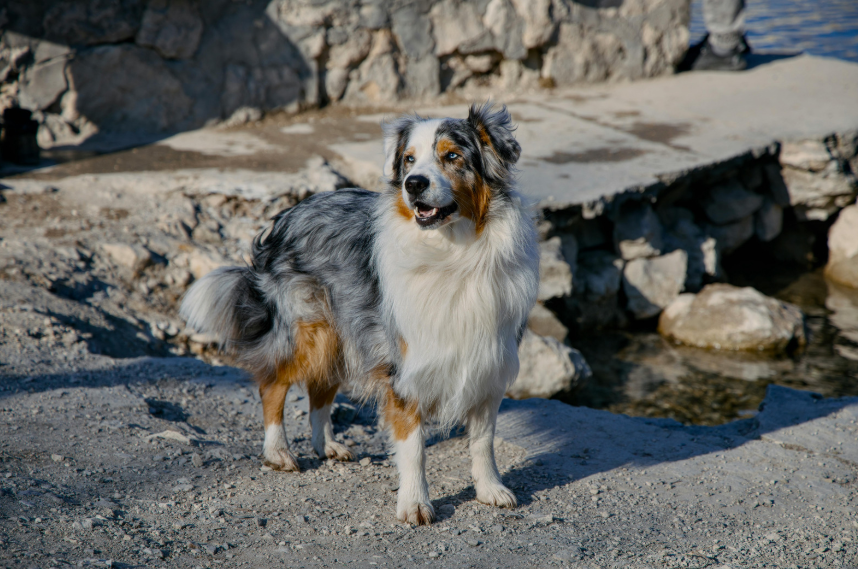
Aussies are arguably the most versatile trail dogs in Colorado. They have the endurance for long-mileage days, the intelligence to handle technical terrain, and a weather-resistant double coat that performs in both summer heat and winter snow. Their trainability makes off-leash reliability achievable with consistent work, and their herding instincts translate well to staying close on remote trails. The trade-off is high mental and physical exercise needs, Aussies who don’t get enough trail time tend to invent their own jobs at home, often destructively.
2. Vizsla
Vizslas are lean, athletic, and built for tireless movement. They cover ground efficiently, handle long days without fading, and form intense bonds with their owners that translate to strong off-leash performance. Their short coat suits warm-weather hiking but limits cold tolerance, so summer and shoulder-season trails fit them better than winter outings. Vizslas need significant daily exercise, they’re not weekend warriors. Owners who hike regularly will see them flourish; owners who hike occasionally will see them bounce off the walls.
3. Siberian Husky
Huskies are endurance machines bred for pulling sleds across Arctic terrain, which translates beautifully to Colorado winter and shoulder-season hiking. They have thick double coats, tough paws, and the kind of cardiovascular base that handles long days at altitude. The caveat is heat, Huskies struggle badly above 75 degrees, so summer hiking should stay at high elevation and start before dawn. Recall is the other watch item; Huskies have strong independent streaks and a notable history of taking off if not trained reliably. Off-leash training is essential before trusting a Husky in the backcountry.
4. Labrador Retriever
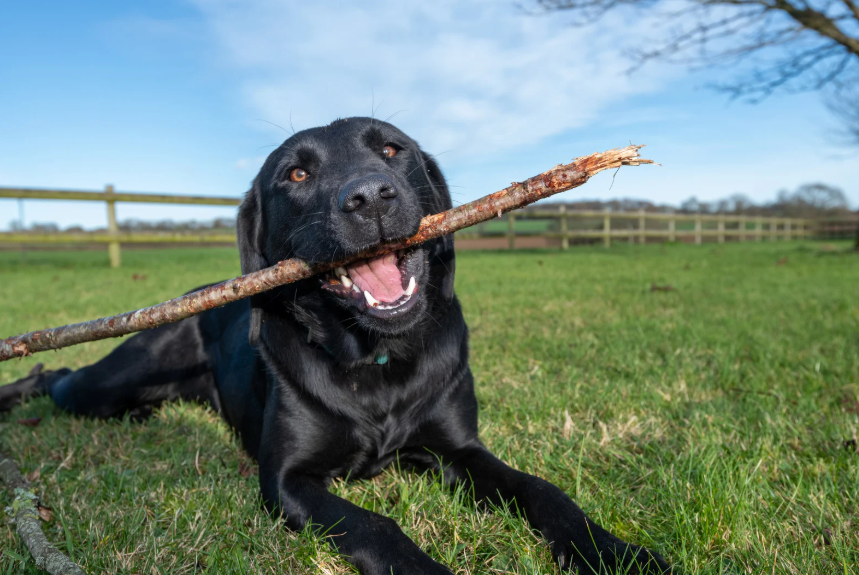
Labs are the all-around trail dog. They handle most terrain, most weather, and most distances within reason. Their double coat insulates against cold without overheating in summer, their paws are naturally sturdy, and their trainability makes them one of the easier breeds to develop into a reliable backcountry partner. Labs aren’t the fastest or the most enduring, but they’re consistently capable across a wider range of hiking conditions than almost any other breed. The main concern is joint health, Labs are prone to hip dysplasia, so building endurance gradually and maintaining lean body weight matters.
5. Border Collie
Border Collies bring extreme athleticism and intelligence to the trail. They move fast, navigate technical terrain instinctively, and learn route-finding behaviors quickly. Their double coat handles Colorado weather across seasons, and their natural focus on their handler supports strong off-leash performance. Like Aussies, they need substantial mental and physical exercise, a Border Collie understimulated for a week becomes a different dog. Training high-drive breeds requires more structure than the average dog, but the trail payoff is significant.
6. German Shorthaired Pointer
GSPs combine endurance with a weather-resistant coat that performs better than other short-coated breeds in cold conditions. They’re athletic, lean, and built for long-mileage days. Their hunting background gives them strong off-leash drive, which is both an asset (focus, drive) and a watch item (prey drive on wildlife). Recall training needs to be airtight before backcountry trips. GSPs do best with owners who hike or run frequently, they need real activity, not casual walks.
7. Rhodesian Ridgeback
Ridgebacks were bred to hunt large game across rough African terrain, which translates well to Colorado’s high desert and foothills. They have tremendous endurance, sturdy paws, and the kind of athletic build that handles steep elevation gain without strain. Their short coat suits warm-weather hiking far better than winter, and they need significant gear for cold-season trails. Ridgebacks are also independent and require firm, consistent training from puppyhood to be reliable off-leash.
8. Bernese Mountain Dog
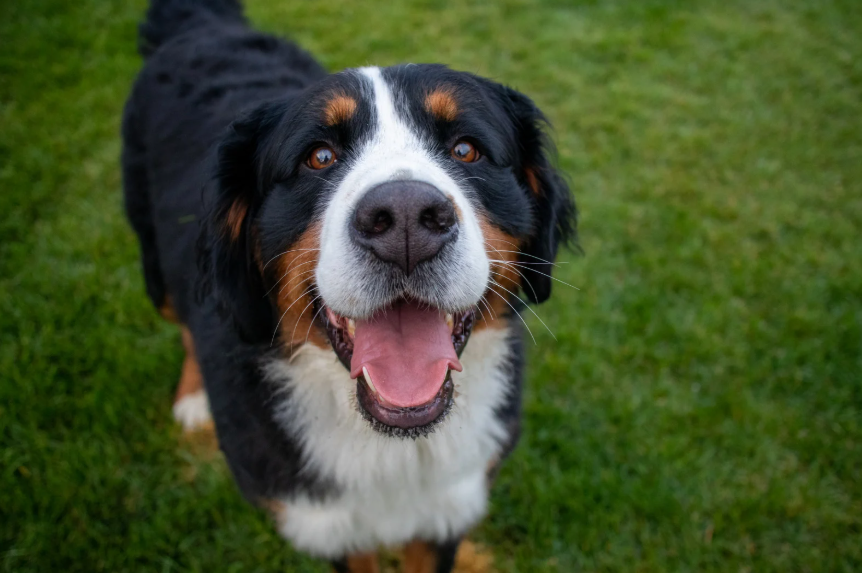
Berners are the cold-weather specialists on this list. They were bred for Swiss alpine work and handle snow, cold, and steady elevation gain beautifully. The trade-off is heat, Berners overheat quickly above 70 degrees, so summer hiking should stay at high elevation and short distances, or shift to early-morning starts. They’re also large, slow-growing dogs prone to joint issues, so mileage needs to build gradually and stay reasonable through their first two years. For owners who hike primarily in winter, spring, and fall, few breeds match a Berner’s combination of stamina and weather tolerance.
9. Catahoula Leopard Dog
Catahoulas are less common in Colorado but are exceptional trail dogs for those who know the breed. They’re agile, athletic, and built for rough terrain, with natural climbing instincts that suit rocky and technical trails. Their short to medium coat handles a wide temperature range, and their independent streak makes them more like working partners than companion dogs. Catahoulas need experienced handlers, they’re not for first-time owners, but in the right hands, they’re among the most capable backcountry dogs available. Strong recall training is essential given their independence and prey drive.
Why Some Popular Breeds Struggle on Colorado Trails
Owners regularly try to take breeds hiking that aren’t built for it, and the results range from inconvenient to dangerous. Brachycephalic breeds, French Bulldogs, Pugs, Boston Terriers, Bulldogs, struggle badly at altitude because their compressed airways can’t move enough air during exertion. Even short hikes can leave them gasping or, in serious cases, in respiratory distress.
Very small breeds (Yorkies, Maltese, Chihuahuas) can hike short, easy trails but lack the endurance, ground clearance, and weather tolerance for typical Colorado terrain. Short-legged breeds like Dachshunds and Corgis face joint strain on steep elevation and have trouble clearing rocks and roots that bigger dogs step over without thought.
This doesn’t mean these breeds can’t enjoy the outdoors, paved paths, flat trails, and short outings work well. But the kind of mileage and elevation that defines real Colorado hiking demands a different physical build.
Quick Comparison
| Breed | Size | Endurance | Weather Tolerance | Paw Durability | Off-Leash Trainability | Altitude Fit |
|---|---|---|---|---|---|---|
| Australian Shepherd | Medium | High | Both seasons | High | High | Strong |
| Vizsla | Medium | Very High | Warm seasons | Moderate | High | Strong |
| Siberian Husky | Medium | Very High | Cold seasons | Very High | Moderate (high drive) | Strong |
| Labrador Retriever | Medium-Large | High | Both seasons | High | Very High | Strong |
| Border Collie | Medium | Very High | Both seasons | High | Very High | Strong |
| German Shorthaired Pointer | Medium-Large | Very High | Both seasons | Moderate-High | High (with training) | Strong |
| Rhodesian Ridgeback | Large | High | Warm seasons | High | Moderate (with training) | Strong |
| Bernese Mountain Dog | Large | Moderate | Cold seasons | High | Moderate-High | Strong (cooler temps) |
| Catahoula Leopard Dog | Medium-Large | Very High | Both seasons | Very High | Moderate (with training) | Strong |
What Every Trail Dog Needs Before Hitting Colorado Hikes
Gradual altitude conditioning. Dogs new to high elevation should start with shorter hikes at moderate altitude before attempting summit trails. Watch for excessive panting, slowed pace, or disorientation, all signs of altitude stress.
Paw protection. Even dogs with tough paws benefit from booties on extreme terrain, sharp basalt, hot summer rock, or icy winter trails. Build tolerance for booties at home before relying on them in the backcountry.
Hydration logistics. Colorado is dry, and high-altitude air pulls water from dogs faster than from humans. Pack at least one liter of water per dog for every two hours of moderate hiking, more for hot days or strenuous routes. Collapsible bowls are standard gear.
Recall and trail manners. Reliable recall keeps dogs safe near cliff edges, wildlife, and unfamiliar hikers. Trail manners (giving way to other parties, ignoring chipmunks and squirrels, staying close on switchbacks) make hikes pleasant for everyone. Our post on Recall: The Foundation of Dog Training covers the foundational work, and How to Train Your Dog to Walk Off Leash: Important Milestones walks through the progression to true off-leash reliability.
Wildlife awareness. Moose are common on Colorado trails and dangerous, particularly with calves. Mountain lions occasionally appear at dawn and dusk. Rattlesnakes are present on lower-elevation summer trails. Dogs need to stay close and respond to recall when wildlife appears.
Altitude sickness recognition. Dogs can develop altitude sickness above 8,000 feet, especially during their first high-elevation outings. Signs include excessive panting, lethargy, loss of coordination, vomiting, or refusing to walk. Descend immediately if these appear.
Frequently Asked Questions
How long does it take for a dog to adjust to Colorado altitude?
Most dogs adjust to moderate altitude (5,000 to 9,000 feet) within a few days to two weeks. Higher elevations may take longer. Dogs visiting from sea level should start with short, low-elevation hikes and build up gradually, watching for signs of altitude stress like excessive panting or loss of coordination.
When can puppies start hiking in Colorado?
Most veterinarians recommend waiting until a puppy’s growth plates have closed before serious hiking, which varies by breed but typically means 12 to 18 months for medium and large breeds. Short, flat walks are fine earlier; long mileage and steep elevation gain should wait. Pushing growing joints too hard can cause lifelong damage.
Are dogs allowed off-leash on Colorado trails?
Rules vary by jurisdiction. Open Space and Mountain Parks (Boulder), most National Forest trails, and many state lands allow off-leash dogs under voice control. National Parks (Rocky Mountain National Park most notably) require leashes everywhere, and many open space systems require leashes on certain trails. Check the specific trail before assuming.
Do hiking dogs need paw protection in Colorado?
Most breeds with naturally tough paws handle Colorado terrain without booties on moderate trails. Extreme conditions, sharp scree, hot summer rock, icy winter trails, and long-distance days warrant booties. Build tolerance for booties at home before relying on them in the backcountry.
How much water does a hiking dog need?
A general guideline is one liter per dog for every two hours of moderate hiking, with more for hot days or strenuous routes. Colorado’s dry, high-altitude air increases water loss significantly compared to coastal climates. Build water stops into the hike rather than waiting for the dog to show thirst.
What training does a hiking dog need before hitting Colorado trails?
The non-negotiable foundation is reliable recall, coming when called regardless of distractions. Beyond that, dogs need solid leash manners for crowded trailheads, tolerance for other hikers and dogs passing close, and the ability to settle calmly during rest breaks. Wildlife awareness training (impulse control around deer, squirrels, and other animals) prevents most off-leash mishaps.
About All Dogs Unleashed Denver
All Dogs Unleashed trains the kind of reliable, well-mannered dogs that handle Colorado’s demanding outdoor lifestyle. Our work focuses on real-world performance, strong recall in distracting environments, calm behavior around wildlife and other trail users, and the kind of off-leash reliability that keeps dogs safe in the backcountry. Beyond core training, our Denver location also offers in-home dog training, board and train, dog boarding, and dog daycare for families who need full-service support.
Visit us at 2301 Blake St, Denver, CO 80205, or call (720) 310-7337 to learn more about how our trainers can prepare your dog for the trail.
Ready to Train Your Trail Dog?
A capable breed is a strong starting point, but training is what turns a high-potential dog into a true trail partner. Our Denver Dog Training Programs build the foundations Colorado hiking dogs need: airtight recall, off-leash reliability, and confidence in unfamiliar environments. We offer in-home dog training for owners who want to train in their own environment first, and board and train programs for accelerated results. Contact us or call (720) 310-7337 to get started.