
Allergies and apartment living aren’t a great combination, especially in Denver. Tight indoor spaces concentrate dander. Dry mountain air worsens skin flaking for both humans and dogs. Shared HVAC systems in apartment buildings can pull allergens from one unit into another. For Denver renters who want a dog without the daily congestion, the breed selection process matters more than it would in a single-family home.
The good news is that several breeds produce significantly less dander and shed far less than the average dog, making them workable companions for mildly allergic owners. The eight best hypoallergenic dogs for Denver apartment living are below, along with practical context on what “hypoallergenic” actually means and how Denver’s climate affects allergy symptoms.
What Hypoallergenic Actually Means
No dog is truly hypoallergenic. Every dog produces some level of dander (microscopic skin flakes), saliva proteins, and urine proteins that can trigger allergic reactions. The term “hypoallergenic” refers to breeds that produce noticeably less of these allergens, typically because they:
- Shed very little, keeping dander on the dog rather than scattered across the apartment
- Have hair (continuously growing) rather than fur (cyclical shedding)
- Carry a single coat instead of a double coat
- Drool minimally, reducing saliva-based allergens on surfaces
Allergy sufferers usually react more strongly to dander than to hair itself, which is why low-shedding breeds tend to be tolerable even when no dog is fully allergen-free. Individual reactions vary, so spending time with a specific breed before adopting is the only reliable way to test compatibility.
Why Denver’s Climate Affects Allergy Symptoms
Denver’s environment magnifies dog allergy issues in ways coastal climates don’t.
Dry air pulls moisture from skin. Both humans and dogs lose more skin cells in low humidity, increasing dander production. Denver’s average humidity hovers around 30%, often dropping into the teens in winter.
Indoor heating concentrates allergens. Forced-air heating circulates dander through entire apartments, and many older Denver buildings have heating systems that share ductwork between units.
Closed windows for nine months a year. From October through April, most Denver apartments stay sealed against cold, recirculating the same indoor air rather than venting allergens outside.
High altitude affects respiratory tolerance. Allergies that feel manageable at sea level can feel sharper at 5,280 feet, particularly during exercise or sleep.
A low-shedding breed combined with good apartment habits (filtration, humidification, regular grooming) makes Denver apartment dog ownership viable for most mild-to-moderate allergy sufferers.
1. Poodle (Standard, Miniature, or Toy)
Poodles are the gold standard of hypoallergenic dogs. Their tightly curled, single-layered coats trap shed hair and dander rather than releasing it into the apartment, and regular grooming removes both. The size flexibility is a major advantage for Denver apartment dwellers: Standard Poodles work in larger units, Miniatures fit most one-bedrooms, and Toys suit even the tiniest studios. All three sizes share the same low-allergen coat and the same trainable, calm temperament.
2. Bichon Frise
Bichons have dense, tightly curled coats that shed minimally and trap loose hair close to the body. They’re small, social, and well-suited to small-space living, with energy levels that match a couple of solid daily walks. The coat requires consistent grooming, typically every four to six weeks, to keep dander production low and prevent matting that can worsen allergens.
3. Maltese
Maltese dogs have hair rather than fur, meaning they shed very little and produce comparatively low dander. Their tiny size (usually under seven pounds) fits the strictest weight limits in Denver apartment buildings, and they bond closely with one or two people. The white silky coat needs regular brushing and occasional trims, but the trade-off is one of the lowest-allergen experiences available in a companion dog.
4. Yorkshire Terrier
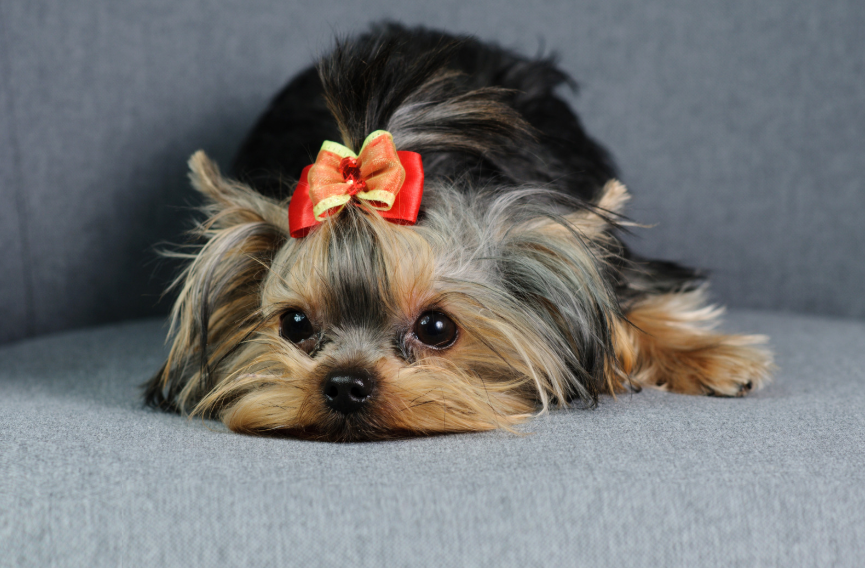
Yorkies are single-coated with hair that grows continuously, similar to a Maltese. They shed almost imperceptibly and produce low levels of dander. Their compact size makes them workable in even the smallest Capitol Hill walk-ups, and their alert personality fits city living well. Grooming is the main commitment, long Yorkie coats need daily brushing or a shorter “puppy cut” every six to eight weeks.
5. Havanese
The Havanese has a long, silky double coat that sheds far less than the typical double-coated breed. They’re playful, affectionate, and adapt well to apartment routines and elevator buildings. Havanese dogs tend to bond intensely with their owners (the breed is often called “velcro dogs”), which works in their favor for apartment training and quiet behavior around neighbors.
6. Shih Tzu
Shih Tzus have hair instead of fur and a relatively low-allergen coat that needs regular grooming to stay manageable. Their calm, affectionate temperament fits apartment life well, and their small size suits most building weight limits. The brachycephalic (flat-faced) build is the main Denver-specific consideration, altitude and heat can stress their breathing, so walks should be short and timed for cooler parts of the day in summer.
7. Miniature Schnauzer
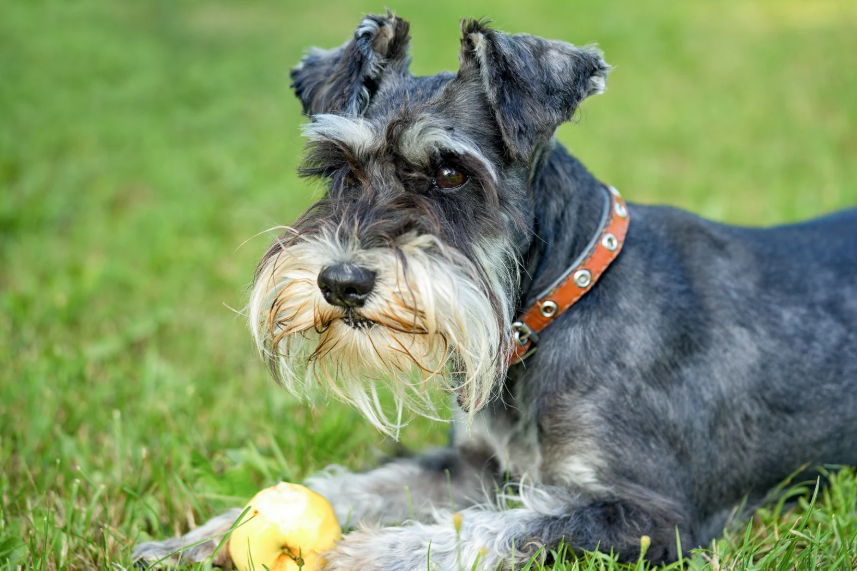
Mini Schnauzers have wiry double coats that shed very little when maintained with regular hand-stripping or trimming. They’re alert, intelligent, and trainable, which makes them a good fit for apartment owners willing to invest in early training to manage their natural watchdog tendencies. Their grooming needs are moderate, but the payoff is a low-dander coat and a confident, manageable city dog.
8. Soft Coated Wheaten Terrier
The Wheaten is a single-coated breed with a soft, silky coat that sheds minimally. They’re friendlier and more outgoing than many terriers, which suits the social demands of apartment life, where dogs encounter neighbors, lobby traffic, and elevator strangers daily. Wheatens are mid-sized (around 30 to 40 pounds), so they fit best in buildings with flexible weight limits, but they’re a strong option for owners who want a hypoallergenic dog larger than a lapdog.
Quick Comparison
| Breed | Size | Coat Type | Shedding Level | Energy Level | Grooming Needs | Denver Climate Fit |
|---|---|---|---|---|---|---|
| Poodle (Toy/Mini/Standard) | Tiny-Large | Curly, single | Very Low | Moderate-High | High | Strong |
| Bichon Frise | Small | Curly, double | Very Low | Moderate | High | Strong |
| Maltese | Very Small | Silky hair | Very Low | Low | Moderate | Needs winter gear |
| Yorkshire Terrier | Very Small | Silky hair | Very Low | Moderate | Moderate-High | Needs winter gear |
| Havanese | Small | Silky, low-shed double | Low | Moderate | High | Strong |
| Shih Tzu | Small | Silky hair | Low | Low | High | Watch altitude/heat |
| Miniature Schnauzer | Small | Wiry, double | Very Low | Moderate | Moderate | Strong |
| Soft Coated Wheaten Terrier | Medium | Silky, single | Low | Moderate-High | Moderate | Strong |
Managing Dog Allergies in a Denver Apartment
A hypoallergenic breed is the foundation, but Denver’s climate means a few extra habits go a long way.
Run a HEPA air purifier. A quality HEPA filter in the living area and bedroom catches dander that escapes regular cleaning. Replace filters more frequently than the manufacturer suggests, Denver’s dry, dusty air clogs them faster.
Use a humidifier in winter. Adding humidity reduces dander production from both you and the dog. Aim for 30 to 50 percent humidity from October through April.
Stick to a grooming schedule. All eight breeds above need consistent grooming. A weekly brushing routine plus professional grooming every four to six weeks dramatically reduces allergen load in the apartment.
Vacuum with a HEPA-equipped machine. Standard vacuums recirculate dander. A vacuum with a sealed HEPA system actually removes allergens from carpets and upholstery instead of pushing them into the air.
Bathe the dog regularly. Weekly baths with a gentle, dog-specific shampoo cut allergens significantly. Denver’s dry air makes over-bathing a real risk for skin health, so balance frequency with moisturizing conditioners.
Create a dog-free zone. Keeping the bedroom off-limits gives your immune system a meaningful break each night. Even allergy sufferers who tolerate their dog well during the day often sleep better with this rule.
For more on managing coat health and shedding seasonally, our post on Shedding Season Grooming Tips for Dogs This Fall covers the basics that apply year-round in dry climates.
What to Know Before Choosing a Hypoallergenic Dog
Breed averages don’t always predict individual reactions. Two Poodles from different litters can produce noticeably different allergen levels, and human allergy profiles vary widely. Before committing to a specific dog:
- Spend extended time (at least 30 minutes, ideally a few hours) with the individual dog you’re considering, not just the breed
- Visit a breeder or rescue and observe your reaction over multiple days if possible
- Be honest about the grooming time and cost, most hypoallergenic breeds need professional grooming every four to six weeks, which adds up
- Remember that temperament still matters in an apartment; a low-allergen dog that barks constantly won’t last in a city building
Our post on Does Breed Really Impact a Dog’s Disposition covers how to weigh breed averages against individual personality when making a decision.
Frequently Asked Questions
Is any dog truly 100% hypoallergenic?
No. All dogs produce some level of dander, saliva proteins, and urine proteins that can trigger allergic reactions. Hypoallergenic breeds produce significantly less of these allergens, which makes them workable for many allergy sufferers, but no breed is entirely allergen-free.
Which hypoallergenic dog is best for severe allergies?
Standard Poodles and Bichon Frises tend to produce the lowest measurable dander among popular hypoallergenic breeds, but individual reactions vary. Anyone with severe allergies should spend extended time with a specific dog before adopting and consider allergy testing with their physician.
How often do hypoallergenic dogs need grooming?
Most hypoallergenic breeds need professional grooming every four to six weeks, plus regular at-home brushing, daily for long-coated breeds like Yorkies and Maltese, weekly for curly-coated breeds like Poodles and Bichons. Consistent grooming is essential to keeping dander production low.
Does Denver’s dry air make dog allergies worse?
Yes. Low humidity increases skin shedding for both humans and dogs, releasing more dander into the air. Running a humidifier in winter and bathing the dog regularly helps offset this effect, especially in older apartments with forced-air heating.
Are hypoallergenic breeds smaller than other breeds?
Most popular hypoallergenic breeds are small to medium, but exceptions exist. Standard Poodles, Soft Coated Wheaten Terriers, and Portuguese Water Dogs are mid-to-large hypoallergenic options. The Standard Poodle, in particular, offers the same low-allergen coat as smaller varieties in a larger body.
Do hypoallergenic breeds train differently than other dogs?
Not fundamentally. Hypoallergenic breeds run the full range of intelligence, drive, and trainability. Poodles and Schnauzers are highly trainable, while terriers like the Yorkie can have an independent streak. Consistent training matters regardless of breed, especially for apartment manners like quiet elevator behavior and leash work in busy lobbies.
About All Dogs Unleashed Denver
All Dogs Unleashed trains dogs of every breed and coat type for the real demands of city apartment life. We work with hypoallergenic breeds across Denver buildings, from Capitol Hill walk-ups to LoDo high-rises, helping owners build the kind of calm, well-mannered city dogs that thrive in small spaces.
Visit us at 2301 Blake St, Denver, CO 80205, or call (720) 310-7337 to learn more about how our trainers can help your apartment dog thrive.
Ready to Train Your Apartment Dog?
A well-chosen hypoallergenic breed is a strong starting point, but training is what makes apartment life actually work. Our Denver dog training programs build the foundations city dogs need: quiet manners around neighbors, leash control in busy lobbies, and calm behavior in elevators and shared spaces. We offer in-home dog training for owners who want to train in their actual living environment, board and train for accelerated results, and dog daycare and dog boarding for high-energy days or overnight care. Contact us or call (720) 310-7337 to get started.