
Adopting a rescue dog is one of the most rewarding decisions an Austin family can make. The Austin area has a strong rescue and shelter community, with organizations like Austin Pets Alive, the Austin Animal Center, and dozens of breed-specific rescues placing thousands of dogs into new homes each year. December is historically one of the busiest adoption months as families make the decision to welcome a new dog before the new year.
What most adoption counselors do not fully prepare new owners for is how long and variable the adjustment period actually is. Rescue dogs arrive in new homes carrying the emotional weight of their past, whether that past was loving and stable or unstable and neglectful. Understanding the adjustment arc helps Austin dog owners set realistic expectations and respond to their new dog’s behavior in ways that accelerate the transition rather than complicate it.
At All Dogs Unleashed, we work regularly with recently adopted rescue dogs and the families navigating this period. Professional training is not just for dogs with serious behavior problems. It is one of the most effective investments a new rescue owner can make from the first weeks in the home.
The 3-3-3 Rule: A Framework for Rescue Adjustment
The 3-3-3 rule is widely referenced in rescue and training communities because it accurately captures the three phases most rescue dogs move through in their first several months:
The first 3 days are typically marked by shock and shutdown. A newly adopted dog may not eat, explore, play, or interact much at all. Some shut down completely and barely move. Others become hyperactive and anxious, pacing or vocalizing excessively. Neither response is abnormal. The dog’s nervous system is processing an enormous amount of change.
The first 3 weeks are when the dog begins to relax enough to show its actual personality. This is also when many behavioral challenges surface for the first time. Dogs that seemed perfectly calm and gentle at the shelter may reveal anxiety, resource guarding, house-training gaps, or reactivity at home. Owners are often caught off guard because the dog seemed like a different animal at adoption.
The first 3 months complete the adjustment for most dogs. By this point, a dog with a stable home and consistent routine will have established a clear sense of security and predictability. Behavioral patterns become more ingrained during this window, which is exactly why professional training started early produces better outcomes than waiting until problems are established.
Common Behavioral Challenges in the Early Adjustment Period
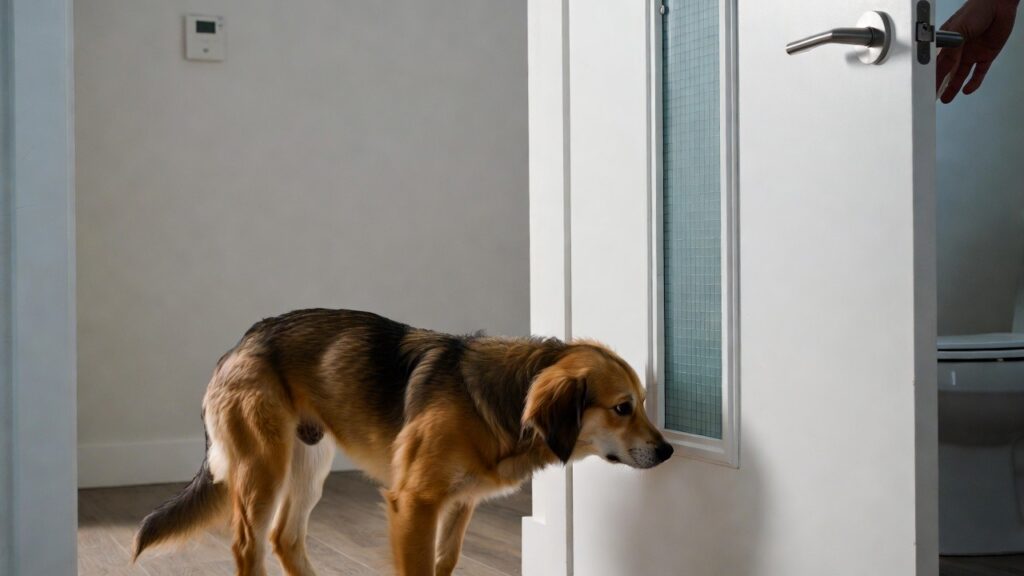
The behavioral challenges that surface during rescue adjustment vary widely by dog, but several patterns appear frequently in the Austin dogs we work with:
- House-training regression: Even dogs that were house-trained in prior homes may have accidents in a new environment. The new smells, layout, and schedule mean the dog has not yet mapped its bathroom routine to this specific home. Establishing a consistent outdoor schedule and managing access during the transition prevents accidents from becoming habits.
- Separation anxiety: Dogs that bonded quickly to a new owner, or that experienced abandonment before adoption, often struggle intensely when left alone. Signs include howling, destructive chewing, house soiling that only occurs when the owner is away, and attempts to escape. This is one of the most common reasons Austin rescue owners reach out to All Dogs Unleashed.
- Leash reactivity: Many rescue dogs have had inconsistent or negative experiences on leash. Reactivity toward other dogs, strangers, bicycles, or vehicles often emerges once the dog has settled enough to engage with the environment.
- Resource guarding: Dogs that experienced food scarcity or instability before adoption may guard food, toys, or resting places from people or other animals. This behavior requires structured professional intervention rather than confrontation or punishment.
- Fear-based behaviors: Crouching, cowering, tail tucking, and excessive submission can indicate prior abuse or inadequate socialization. These dogs need careful, confidence-building work rather than high-pressure training approaches.
Why the Adjustment Period Is the Best Time to Start Training
There is a common misconception that rescue dogs need time to “settle in” completely before training begins. The thinking is that training too early adds pressure to a dog already under stress. This is partially true but largely misleading.
What rescue dogs in the adjustment period genuinely need to avoid is harsh, compulsive training that relies on corrections and pressure. What they benefit enormously from is structured, positive-reinforcement-based guidance that helps them understand what the rules of their new home are. Structure and predictability are actually calming for dogs in transition. Clear expectations reduce anxiety, not increase it.
Starting in-home dog training in Austin within the first few weeks of adoption gives new owners several critical advantages:
- A professional assessment of the dog’s temperament, triggers, and behavioral tendencies before they become entrenched patterns.
- A customized training plan built around this specific dog’s needs rather than a generic program.
- Guidance on house rules, management strategies, and handling techniques that prevent behavioral problems from developing.
- A clear communication framework between owner and dog from the earliest days of the relationship.
Early intervention also means problems like resource guarding, separation anxiety, and leash reactivity can be addressed while they are still malleable rather than after months or years of reinforcement.
What Professional Training Looks Like for a Rescue Dog
At All Dogs Unleashed, our approach to rescue dog training begins with a thorough evaluation of the dog’s history (to the extent it is known), temperament, and specific behavioral patterns. This informs everything that follows.
For many rescue dogs, the most impactful early work involves basic obedience: sit, stay, down, come, and place commands. These commands are not just conveniences. They establish the communication channel between dog and owner that makes everything else possible. A dog that understands and trusts its owner’s cues has a mechanism for managing its stress in new situations.
For dogs with more significant behavioral challenges, such as severe separation anxiety or leash reactivity, our board and train program in Austin provides an immersive training environment that accelerates behavioral change significantly. Dogs in our board and train stay at our facility, work with trainers multiple times daily, and return to their owners with a solid foundation and a detailed transition plan for maintaining progress at home.
Training programs at various levels are available depending on the dog’s needs and the owner’s schedule. Our team will recommend the right starting point after an initial assessment.
Building a Stable Home Environment That Supports Training
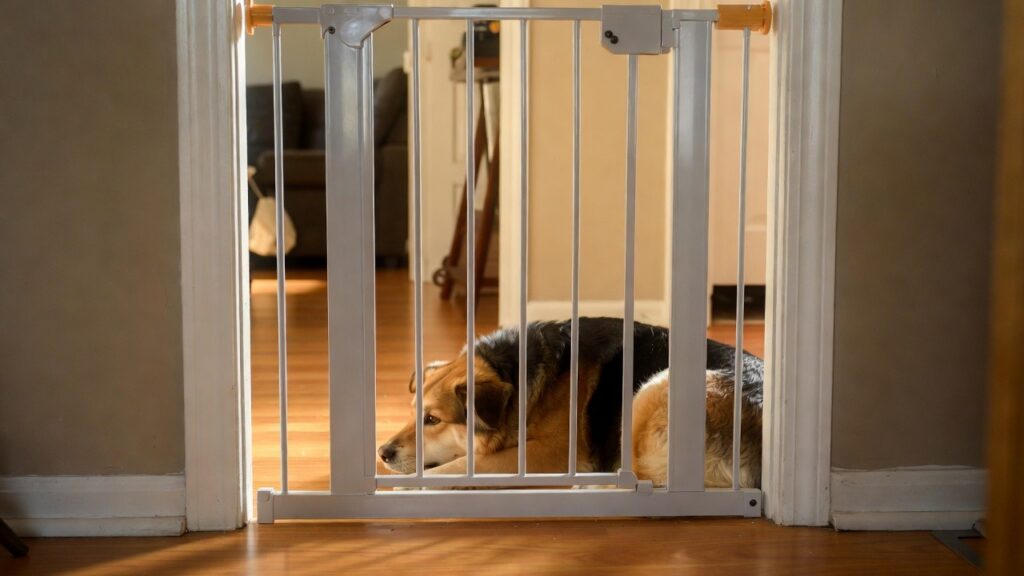
Training does not happen only during sessions with a professional trainer. The daily home environment plays an enormous role in how quickly a rescue dog adjusts and how well training transfers.
Several environmental strategies consistently support rescue dog adjustment:
- Consistent schedule: Feeding, walks, play sessions, and rest periods at predictable times each day reduce anxiety by eliminating the need for the dog to guess what comes next.
- Limited freedom early on: Many new owners give rescue dogs full run of the house immediately. Limiting the dog’s access to one or two rooms initially, using gates and crates, reduces opportunities for accidents, destructive chewing, and other mistakes while the dog learns the rules of the home.
- Crate training: A properly introduced crate provides a rescue dog with a safe, predictable refuge. Far from being punitive, crates satisfy a dog’s natural denning instinct and provide a go-to safe space during stressful periods.
- Exercise and mental enrichment: Adequate physical exercise and daily mental stimulation, through puzzle feeders, training sessions, and sniff games, reduce anxiety and problem behaviors across virtually all behavioral profiles.
- Clear, consistent rules from all household members: Rescue dogs pick up on inconsistency quickly. If one family member allows the dog on the couch and another corrects it, the dog cannot learn what the actual rule is. Agreement on house rules before the dog arrives makes the early adjustment period smoother.
Help Your Austin Rescue Dog Thrive From Day One
Rescuing a dog is the beginning of a relationship that benefits enormously from the right start. With realistic expectations, a structured home environment, and professional training support, even dogs with complicated histories can become confident, well-behaved members of the family.
All Dogs Unleashed is proud to support Austin’s rescue community. If you have recently adopted or are planning to adopt a rescue dog in the Austin area, call (512) 963-6017 to discuss how our training programs can help your dog settle in quickly and successfully.
Frequently Asked Questions
How long does it really take a rescue dog to adjust to a new home?
The 3-3-3 guideline is a useful framework, but individual dogs vary significantly. Some dogs settle into a stable behavioral baseline within a few weeks. Others, particularly those with trauma histories or significant anxiety, may take six months or longer to feel genuinely secure. Consistent routine, professional training, and patient handling all accelerate the timeline.
My rescue dog seemed perfect at the shelter but is showing behavior problems at home. Is this normal?
Yes, this is extremely common and well-documented. Shelter environments often suppress dog behavior through stress, which means the dog you saw at the shelter may not reflect the dog’s actual personality and behavioral tendencies. As the dog relaxes in your home and begins to feel safe enough to engage fully, its true behavioral patterns emerge. This is not a sign of a “bad dog.” It is a sign that the dog is becoming comfortable enough to be itself.
Should I adopt a rescue dog during the holiday season?
The holiday season is not the ideal time to bring home a new rescue dog for most families. The disrupted schedules, increased household activity, and unfamiliar guests create additional stress for a dog already working through a major transition. If you do adopt during December, plan to significantly limit the dog’s exposure to holiday chaos during the first several weeks and prioritize routine over festivity.
Is in-home training or board and train better for rescue dogs?
Both formats can be highly effective. In-home training is well-suited for dogs without severe behavioral issues whose primary needs are basic obedience and owner guidance. Board and train is particularly valuable for rescue dogs with more significant challenges, including severe separation anxiety, resource guarding, or leash reactivity, because it delivers intensive, consistent training in a structured environment before habits become entrenched.
How do I know if my rescue dog’s behavior is manageable with training or requires professional intervention?
Any behavior that involves aggression, resource guarding, severe anxiety, or reactivity toward people or other dogs should be assessed by a professional trainer. These behaviors are not hopeless, but they require structured, knowledgeable handling rather than trial and error at home. The earlier professional guidance is sought, the more manageable the outcome.
Does All Dogs Unleashed work with rescue dogs specifically?
Yes. We work regularly with rescue dogs and the families navigating the adoption adjustment period. Our Austin trainers are experienced with the full range of behavioral challenges that commonly emerge after adoption, and our programs are designed to build the skills and confidence these dogs need for long-term success.
About All Dogs Unleashed
All Dogs Unleashed is a professional dog training company located at 111 Congress Ave. #201, Austin, TX 78701 serving the Austin, TX area. We offer a full range of services including dog boarding, daycare, grooming, in-home training, and structured board and train programs.
Business Name: All Dogs Unleashed
Address: 111 Congress Ave. #201, Austin, TX 78701
Phone: (512) 963-6017
Website: https://www.alldogsunleashed.com/austin/