
Has your senior dog started pacing at night, staring at walls, or forgetting house rules they have known for years? These are early signs of dog cognitive dysfunction, a brain aging syndrome that affects many older dogs in Bossier City. At All Dogs Unleashed Bossier City, we work with aging dogs and their owners to build routine-based training plans that support mental sharpness as the brain changes. Structured mental work matters just as much as vet care, and our team has helped hundreds of Bossier City families keep their senior pets engaged, calm, and confident in their final years.
Worried about changes in your senior dog? Call us at (318) 562-6536 for guidance built around your dog.
Key Takeaways
- Dog cognitive dysfunction is a brain aging syndrome, often spotted through changes in sleep, orientation, and social behavior.
- Common signs include nighttime pacing, house-training accidents, staring at walls, and not recognizing familiar people.
- Structured routines and mental enrichment can slow decline and keep your senior dog engaged longer.
- Early action matters, talk to your vet and a trainer as soon as you read the warning signs.
When the Late-Night Pacing Starts: What You're Actually Seeing
It’s 2 a.m. and your 12-year-old lab is standing in the hallway, staring at the wall. Last week she got stuck behind the recliner she’s walked around for years.
If that sounds familiar, you’re not imagining it. These are classic early signs of dog cognitive dysfunction, and yes, it can be serious.
Here’s what this guide will do for you. We’ll help you spot the signs, explain the brain changes in plain language, and give you practical training and enrichment you can start this week in your Bossier City home. If you want to see the full range of services we offer for senior and adult dogs, ourdog training programs page covers everything we run.
Our team off Benton Road works with senior dogs every week, so we know what these behaviors look like up close, and what actually helps.
What Is Dog Cognitive Dysfunction Syndrome?
Canine cognitive dysfunction syndrome (CDS) is a brain disease in older dogs, similar to Alzheimer’s in people. It comes from real physical changes inside the brain, not just old age. Studies show about 28% of dogs ages 11 to 12 have signs, and that jumps to 68% by ages 15 to 16.
How the Aging Brain Changes in Dogs
Inside your dog’s head, a few things start going wrong:
- Beta-amyloid plaques build up. These are sticky protein clumps that block normal brain signals.
- The cerebral cortex shrinks. That is the thinking part of the brain.
- Neurotransmitters drop. These are the chemical messengers nerves use to talk to each other.
- Oxidative damage hits neurons. Think of it as rust on the brain cells.
These senior dog brain changes show up most often after age 11. Larger breeds can start showing signs as early as age 8.
CDS vs. Normal Senior Slowdown
Here is the question we hear most from Bossier City owners: is this dementia or just old age? The difference matters.
Normal aging dog behavior changes look like this:
- Slower walks and stiffer joints
- More naps during the day
- Less interest in long play sessions
- Still knows the house, the family, and the routine
CDS looks different:
- Getting stuck in corners or behind furniture
- Forgetting cues your dog has known for years
- Losing housetraining
- Pacing at night, sleeping all day
- Staring at walls or not recognizing family
If your senior dog is showing the second list, structured routines and gentle mental work help. OurIn-Home Training option fits older dogs well because we work in the home your dog already knows.
The DISHA Signs of Canine Cognitive Dysfunction to Watch For
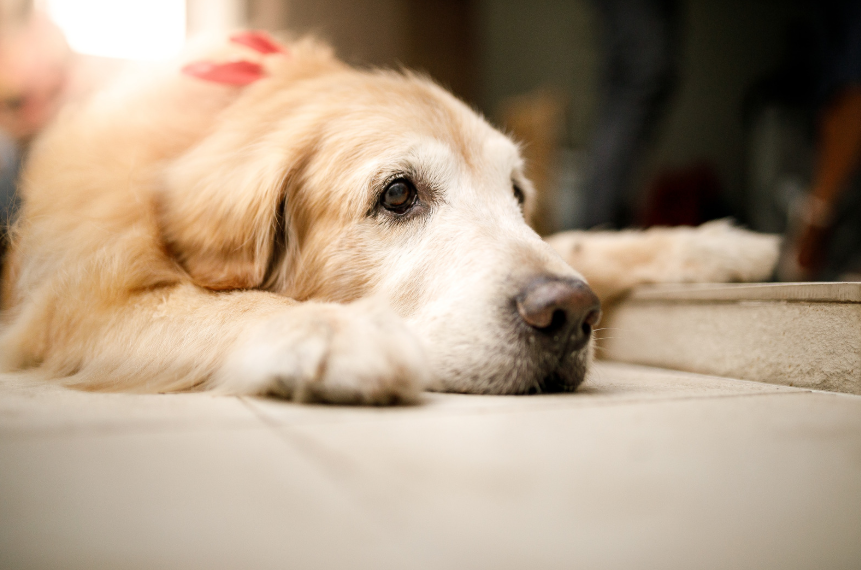
Vets use the DISHA acronym to track canine cognitive dysfunction syndrome: Disorientation, Interactions altered, Sleep-wake cycle changes, Housetraining loss, and Activity/Anxiety shifts. If your senior dog checks two or more of these boxes, it’s time to pay attention. Here’s what each category looks like in real Bossier City homes.
Disorientation and Spatial Confusion
This is usually the first sign owners spot. Your dog walks into a corner and just stands there. He can’t figure out how to back up.
Other red flags:
- Staring at walls, ceilings, or blank spots in the room
- Getting stuck behind furniture or on the wrong side of a door
- Not recognizing you, the kids, or a longtime visitor
- Acting lost in the same backyard he has known for ten years
- Forgetting familiar walking routes through your neighborhood
Interactions, Sleep, and Housetraining Changes
Your dog may stop greeting you at the door. He might pull away from petting he used to love. Some dogs get clingy instead. Either direction is a change worth noting.
Sleep-wake disruption is the one that wears owners out. If your dog is pacing, panting, or vocalizing between midnight and 4 a.m. and sleeping hard all day, that’s a classic dementia pattern. The internal clock has flipped.
Housetraining accidents come next. Before you call it behavioral, get a vet to rule out a UTI, kidney issues, or arthritis pain. Once medical causes are off the table, repeated accidents in the house point to cognitive decline.
Activity Level and Anxiety Shifts
Watch for activity that looks purposeless. Pacing the same loop in the kitchen. Licking the floor or a paw over and over. Circling for no reason.
You may also see:
- New separation anxiety in a dog who used to be fine alone
- Reduced interest in food, toys, or favorite people
- Intensified resource guarding around bowls, beds, or chews
- Startling at sounds that never bothered him before
- Trembling or hiding in spots he never used
Track which signs you see and when. That list becomes the roadmap for your vet and our training team.
How to Read Your Dog's Behavior at Home Before the Vet Visit
Your vet needs data, not guesses. Two weeks of written notes beats a ten-minute appointment description every time. Start tracking before you pick up the phone.
Keeping a Simple 7-Day Symptom Log
A 7-day log turns vague worry into something your vet can act on. Use a notebook or your phone notes app. Keep it short so you actually do it.
Log these every day:
- Time and length of nighttime pacing or whining
- Housetraining accidents, including where they happened
- Staring or "stuck" episodes (behind furniture, at walls, in corners)
- Changes in eating, drinking, or sleep timing
- Greeting behavior with you and other household members
Note context too. Bossier City summer heat and thunderstorm season can spike anxiety in senior dogs. If your dog moved houses recently, environmental stress can mimic cognitive decline, so settling routines after a move matters before you assume the worst.
What to Bring to Your Veterinarian
Bring four things to the appointment:
- Your 7-day log
- A 30 to 60 second phone video of the behavior
- A list of current medications and supplements with doses
- Your dog's diet and feeding schedule
Your vet will rule out other causes first: hypothyroidism, high blood pressure, brain tumor, and urinary tract infection. Bloodwork, urinalysis, and blood pressure checks usually come first. A formal CDS diagnosis often uses a validated cognitive assessment questionnaire. Solid notes on aging dog behavior changes make that scoring far more accurate.
Need help building a dog cognitive decline training plan that works with your vet’s care? Call our Bossier City team at (318) 562-6536.
Training and Enrichment Strategies That Slow Cognitive Decline
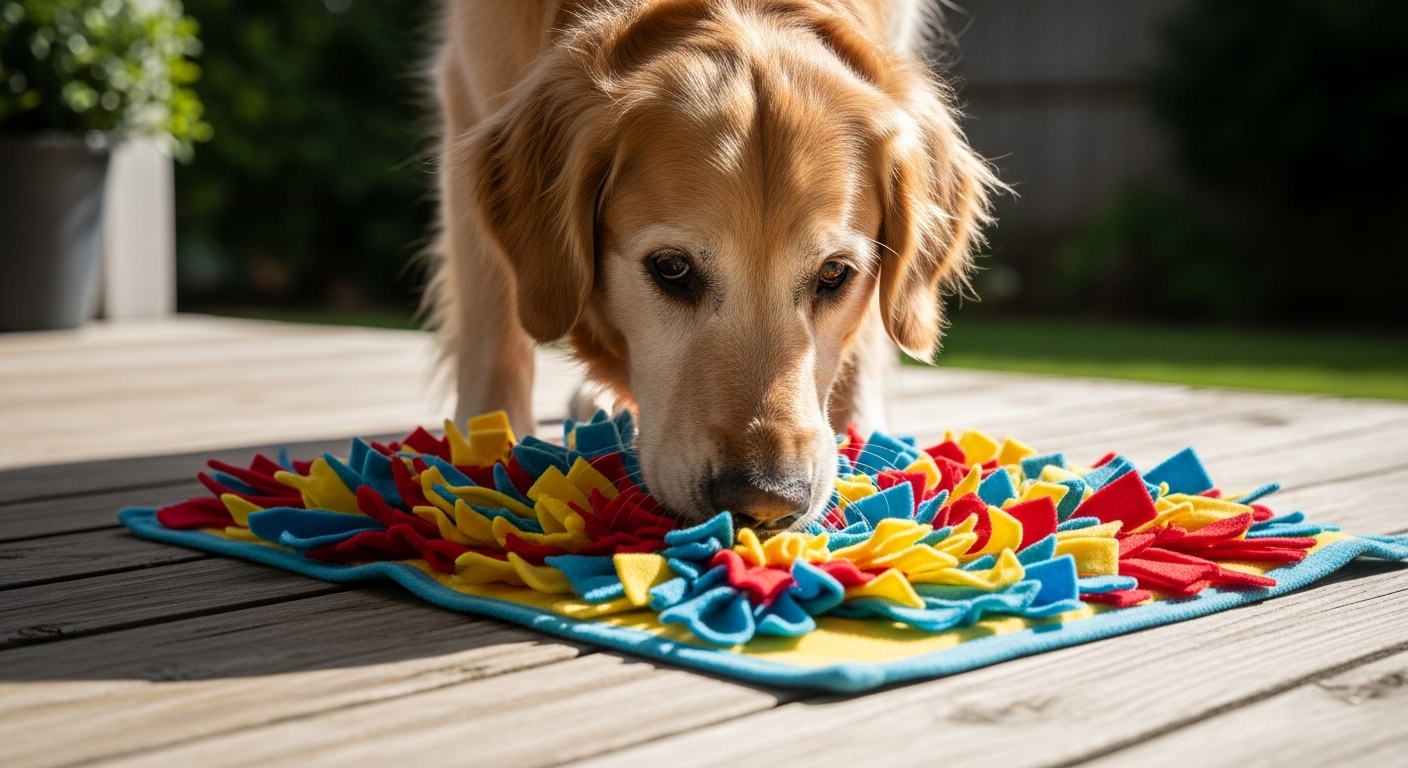
You cannot reverse cognitive dysfunction syndrome. You can slow it down. The aging brain responds to consistent mental work, novel sensory input, and a predictable home setup. We see real results in Bossier City senior dogs when owners commit to small daily routines.
Mental Stimulation Exercises for Senior Dogs
Short and frequent beats long and hard. Two 5-minute sessions a day work better than one 20-minute session for a dog with cognitive decline.
- Nose-work games: hide 6 to 8 treats around one room and let your dog search
- Scatter feeding: toss kibble in the grass instead of using a bowl
- Arthritis-friendly puzzle feeders with shallow cups and soft edges
- Snuffle mats during meal time to slow eating and engage the nose
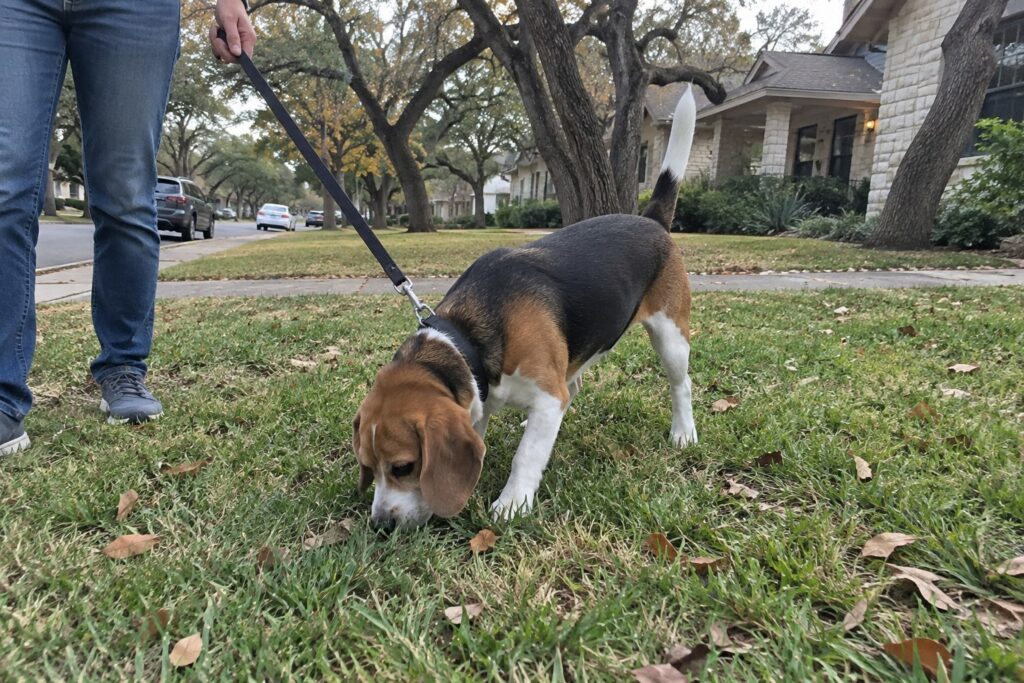
Sniffing is the most underrated tool for dog cognitive decline training. It lights up the brain without taxing sore joints.
Reinforcing Familiar Commands to Keep the Brain Active
Yes, work your senior dog. No, do not teach complex new tricks. Cognitively impaired dogs get frustrated fast when they cannot figure out a new behavior.
Stick with cues your dog already knows. Run 3 to 5 reps per session of sit, down, stay, and name recall. Pay every correct response. This preserves the neural pathways your dog spent a lifetime building.
Our trainers Kelvin, Kelden, and Laurel build custom routines for senior clients across the Bossier City and Haughton area. We focus on what your dog still does well and reinforce it daily. For dogs that need a deeper reset of routine and structure, ourBoard and Train program can be adapted for senior dogs at a slower, gentler pace.
Environmental Enrichment Inside and Outside the Home
Outside the home, novelty matters. A short, slow walk on a new route gives the aging brain fresh smells and sights without physical strain. Try a quiet block off Benton Road or a slow loop near the Red River levee. Our guide to local walking routes around Bossier City is good extra reading.
Inside the home, set things up to prevent the 2 a.m. confusion episodes:
- Night lights in hallways and near water bowls
- Baby gates blocking stairs
- Keep furniture in the same spots, do not rearrange
- Feed, walk, and sleep on a consistent daily schedule
Predictability lowers anxiety. A calm senior dog sleeps better and shows fewer DISHA symptoms overnight. Regular handling also matters, and a low-stress visit to ourdog grooming team keeps coats, nails, and ears in shape without overwhelming an older dog.
What Bossier City Dog Owners Need to Know About Diet, Supplements, and Vet Treatments
Diet and medical support work alongside training. Your vet handles the medical side. We handle the daily routine and brain work. Together you give your senior dog the best shot at staying sharp.
Nutrients and Diets That Support Brain Health
Feed a senior dog with cognitive decline a diet built for brain support. Look for AAFCO-certified senior formulas that call out cognitive health on the label. Your vet can also write a script for a prescription cognitive-support diet.
Key nutrients with research behind them:
- Antioxidants: vitamin E, vitamin C, and beta-carotene
- MCTs (medium-chain triglycerides) as an alternate brain fuel
- Omega-3 fatty acids, specifically DHA and EPA
- L-carnitine and alpha-lipoic acid
These ingredients show up in studies on canine cognitive dysfunction syndrome. They are not a cure. They help slow the changes you read about in the DISHA signs.
Medications and Supplements Your Vet May Recommend
Selegiline (Anipryl) is the only FDA-approved medication for dog cognitive dysfunction. Only your vet can prescribe it. Do not self-medicate your senior dog.
Other options your vet may bring up:
- SAMe for cognitive support
- Melatonin for sleep-wake cycle disruption
- Omega-3 fish oil at a therapeutic dose
- CBD products, with vet guidance, as evidence is still emerging
Bring a symptom list to your next vet visit in Bossier City. Ask which options fit your dog’s age, weight, and other meds. If you travel and worry about leaving a senior dog with cognitive decline at home, ourdog boarding team keeps routines, medications, and feeding schedules steady while you are away.
If your senior dog is showing confusion, restless nights, or forgetting cues he has known for years, our team can help. We build a daily training and enrichment routine that keeps his brain engaged. Call us at (318) 562-6536 or book senior dog training support at our Benton Road office for an in-home session built around your dog’s ability.
Frequently Asked Questions
At What Age Should I Start Worrying About Dog Cognitive Dysfunction?
Most veterinarians begin screening for dog cognitive dysfunction in dogs around 8 years of age, though larger breeds can show signs as early as 6 or 7. That said, some dogs show no symptoms until well into their teens. Starting enrichment and mental stimulation early, before symptoms appear, is one of the best ways to protect brain health as your dog ages.
Can a Dog With Cognitive Dysfunction Still Benefit From Training?
Yes, and in many cases structured training sessions genuinely slow the progression of symptoms. All Dogs Unleashed Bossier City works with senior dogs using short, reward-based sessions that match their current ability level rather than expecting the same pace as a younger dog. The goal is not to teach new complex skills but to keep familiar neural pathways active and reduce anxiety through predictable routines.
Is Dog Cognitive Dysfunction Ever Misdiagnosed as a Behavior Problem?
This is a common situation. Nighttime restlessness, sudden house soiling, and increased barking are often labeled as willful misbehavior when cognitive decline is actually the cause. A thorough veterinary exam combined with a detailed behavior history can separate the two, which is why documenting specific incidents with dates and times matters so much before any appointment.
Does Dog Cognitive Dysfunction Get Worse Quickly, or Is It a Slow Decline?
The progression varies considerably from dog to dog. Some owners notice a gradual worsening over one to two years, while others see a more rapid decline within months of the first symptoms. Consistent enrichment, appropriate veterinary treatment, and diet changes have all been shown to slow progression in many cases, though the condition is not reversible.
Can Stress or a Major Life Change Trigger or Worsen Symptoms?
Stressful events like moving, the loss of another pet, or a change in the owner’s schedule can accelerate visible symptoms in a dog already in early cognitive decline. The aging brain handles disruption less efficiently, so even moderate stress can cause a noticeable spike in confusion or anxiety. Keeping routines as consistent as possible and working with a trainer familiar with senior dog behavior can help buffer these effects.
Is It Safe to Use Puzzle Toys With a Dog That Has Cognitive Dysfunction?
Puzzle toys are generally safe and encouraged, but the difficulty level matters. A dog with cognitive decline can become frustrated quickly by puzzles that were once easy, which can increase anxiety rather than reduce it. Start with the simplest feeders and toys available, and supervise early sessions to make sure your dog is engaged rather than stressed.
How Do I Know When Quality of Life Has Declined Enough to Talk to My Vet About End-of-Life Options?
Veterinarians often recommend tracking the ratio of good days to difficult days over a two-week period as a practical guideline. When a dog consistently shows signs of distress, stops engaging with people or food, or can no longer rest comfortably, that pattern is worth an honest conversation with your vet. This is a deeply personal decision, and your veterinarian can walk you through quality-of-life assessment tools designed specifically for senior dogs with cognitive conditions.
Ready to Get Started with All Dogs Unleashed Bossier City?
Call (318) 562-6536 to speak with our team directly. Reach out today and let’s talk about how we can help.