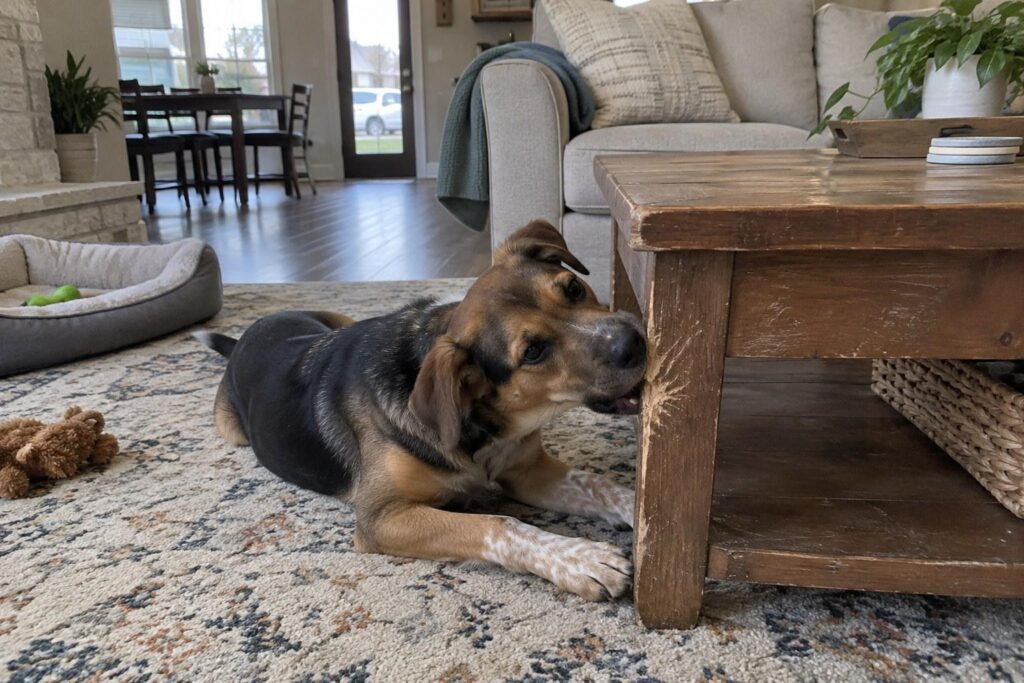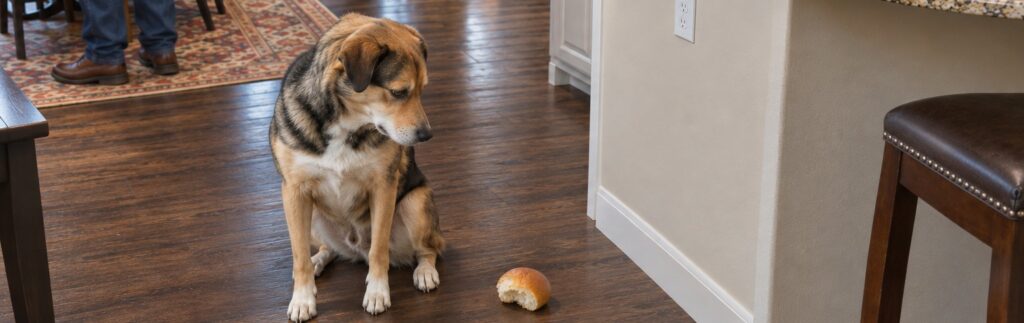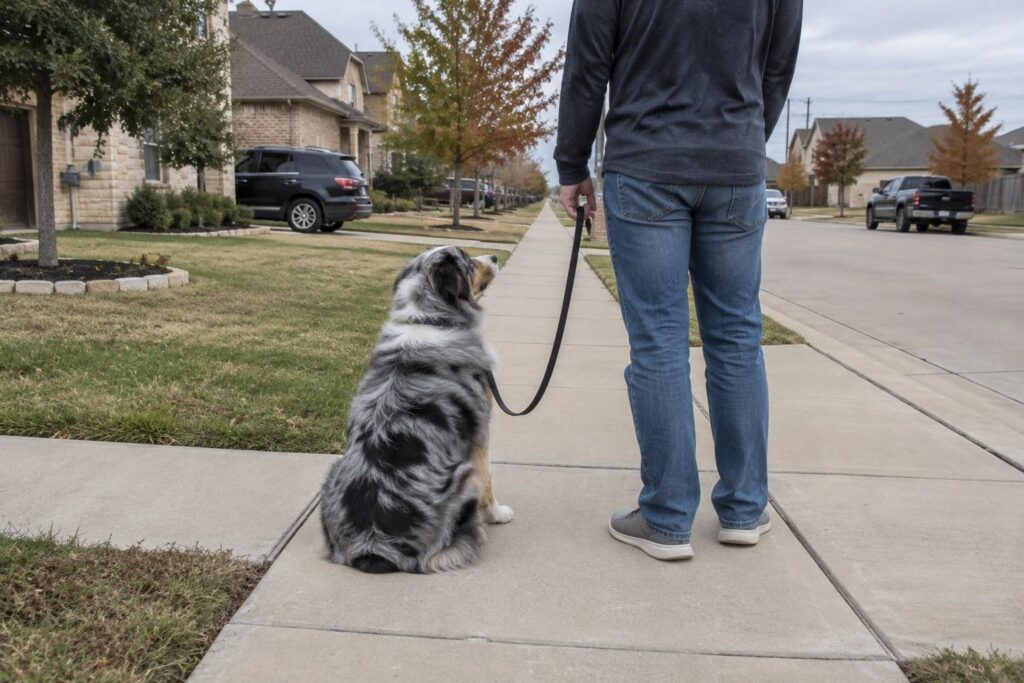

A dog running out the door is one of the most common and most dangerous habits we see in Des Moines homes. One second you are signing for a package, and the next your dog is halfway down the block, heading toward traffic, other dogs, or a snowy street where footing is poor for both of you.
At All Dogs Unleashed Dog Training Des Moines, we help families turn the front door from an escape hatch into a calm, predictable spot. The fix is not complicated, but it does take structure, repetition, and a few simple safety habits that protect your dog if something goes wrong.
If your dog already treats every open door as a starting gate, our team can help you build control that lasts.
Key Takeaways
- Door dashing is a safety problem first, so management like baby gates and leashes should start the same day you notice it.
- A threshold “wait” teaches your dog that an open door is not permission to leave, and you release them with a clear word.
- A reliable “come” is your backup plan when a dog does slip out, so practice it long before you need it.
- Current ID tags and a registered microchip give a lost dog a much better chance of getting home, according to the AVMA.
- Our two-week Board and Train program and in-home lessons both work on door manners where the habit actually happens.
Why Dogs Bolt Through Open Doors
Before you can stop the habit, it helps to understand what drives it. Most dogs who dash are not trying to run away from you. They are chasing something that the outdoors has taught them is exciting.
The Door Predicts Fun
For many dogs, the door is the gateway to walks, car rides, squirrels, and neighbor dogs. Every time the door opens and something good happens, the urge to get through it first grows stronger. Over months, that anticipation turns into a split-second lunge the moment the latch clicks.
Arousal and Visitors
Doorbells and knocks spike your dog’s energy. A dog who is already worked up is far more likely to push past legs and slip through a gap. If your dog also barks and spins when guests arrive, our post on how to teach a dog to stop barking at the door covers the noise side of that problem. Here, we focus on keeping your dog inside.
It Has Worked Before
Every successful escape is a reward. If your dog got out last week and enjoyed a romp around the yard or down the sidewalk before you caught them, they learned that bolting pays off. That is why prevention matters as much as training.
Start With Management So Your Dog Cannot Practice Escaping
Training takes time, but safety cannot wait. Management means setting up your home so your dog does not get the chance to rehearse escaping while you teach better habits.
Simple Barriers That Work
A baby gate or exercise pen in the entryway creates a buffer zone between your dog and the front door. Many older Des Moines homes open straight into the living room with no mudroom or foyer, so a gate across that space can make a big difference. Closing an interior door before you open the exterior one works too.
Leash Up Before Busy Moments
When you expect deliveries, guests, or a lot of family traffic, clip on a leash or put your dog in a crate or quiet room. It is not a punishment. It simply removes the chance to make a mistake while the skill is still new.
Get the Whole Household on Board
One family member who holds the door wide open while carrying groceries can undo a week of practice. Agree on a household rule: check where the dog is before opening any exterior door, including the garage and the back door to the yard. Kids need extra coaching here, and our post on mistakes families make training dogs around kids has more ideas for getting young helpers involved safely.
| Management Tool | Best For | Watch Out For |
|---|---|---|
| Baby gate or exercise pen | Front doors that open straight into living space | Jumpers who can clear a short gate |
| Leash inside the house | Guests arriving, deliveries, holidays | Never leave a leash on an unsupervised dog |
| Crate or quiet room | Parties, contractors, lots of foot traffic | Build crate comfort before relying on it |
| Interior door closed first | Garage and mudroom entries | Everyone in the home must follow the habit |
How to Stop a Dog From Running Out the Door With a Threshold “Wait”
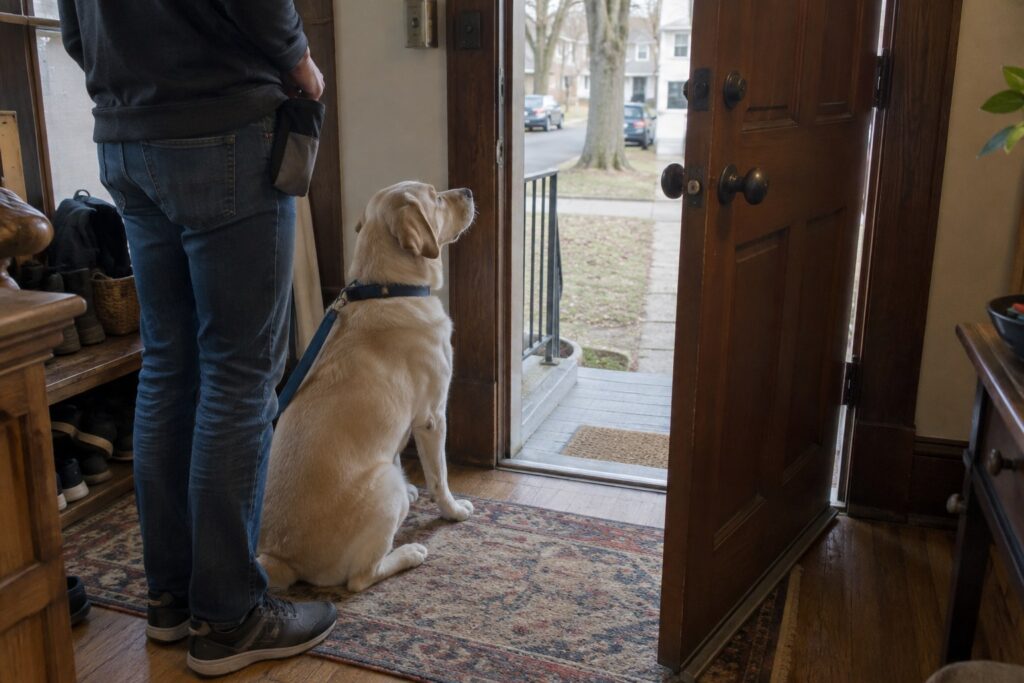
The most useful skill for door manners is a threshold “wait.” It means your dog stays on the inside of the doorway until you give a release word, even when the door is wide open. It is different from a formal “stay” because your dog can shift or sit, as long as they do not cross the line.
Step 1: Start With the Door Closed
Put your dog on a leash and stand near the door. Say “wait” and reach for the handle. If your dog stays back, mark it with “yes” and reward with a treat delivered away from the door. If your dog moves forward, simply take your hand off the handle and reset. The door only opens when your dog holds position.
Step 2: Open the Door a Crack
Once your dog holds the “wait” with your hand on the handle, open the door an inch or two. If your dog moves toward the gap, calmly close it before they reach it. Most dogs figure out quickly that pushing forward makes the door shut and staying back makes good things happen.
Step 3: Build Distance, Duration, and Distraction
Gradually open the door wider, hold it longer, and step through yourself while your dog waits. Then add real-life distractions like a family member on the porch or the sound of a car door. Always end with a clear release word such as “okay” or “free,” and sometimes release your dog away from the door instead of through it so waiting never becomes a countdown to bolting.
Choose the Right Rewards
The outdoors is very competitive, so use rewards your dog truly values during early sessions. Our post on the best high-value dog treats for training can help you pick options that hold your dog’s attention near the door.
| Cue | What It Means | When to Use It |
|---|---|---|
| “Wait” | Do not cross the doorway until released | Every time a door, gate, or car door opens |
| “Stay” | Hold your exact position until released | Longer holds, like greeting a guest at the door |
| “Place” | Go to a mat or bed and remain there | When visitors come in and you need both hands |
| “Come” | Return to you right away | Your safety net if your dog gets outside |
If you want a trainer to build door control with daily, structured repetitions, our two-week residential program is designed for exactly this kind of real-world skill.
Build a Reliable “Come” as Your Safety Net
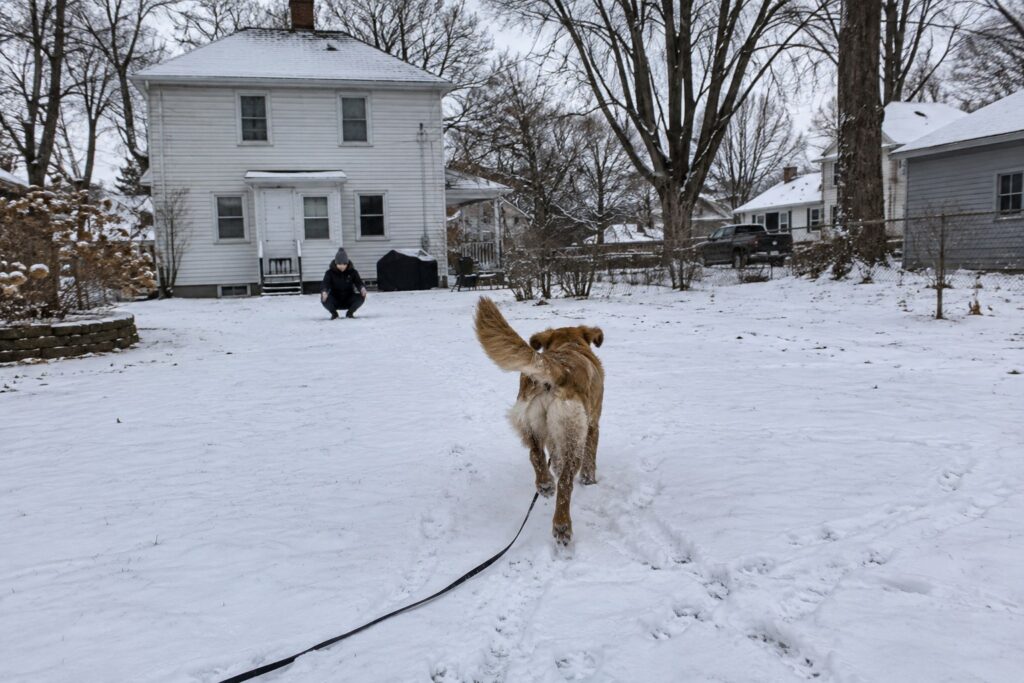
Even the best “wait” can fail when a door blows open or a guest forgets the rules. A strong recall is the skill that brings your dog back before a small slip turns into a real emergency.
Make Coming Back Worth It
Practice “come” indoors first, then in a fenced yard, then on a long line. Reward generously every single time, and never call your dog to you for something they dislike, like a bath or the end of playtime. If “come” always means something good, your dog will choose you over the street.
Do Not Chase
If your dog does get out, chasing usually turns the moment into a game of keep-away. Instead, call “come” in a happy voice, turn, and move away from your dog, or crouch down. Many dogs will follow movement away from them faster than they will wait to be grabbed.
Practice in Realistic Conditions
Iowa winters make this harder. Snowbanks, icy sidewalks, and early darkness can hide a loose dog and make catching them risky for you. Practice recall on a long line in different seasons so your dog responds whether the ground is green or covered in snow.
ID Tags, Microchips, and Other Safety Habits
Training lowers the odds of an escape. Identification raises the odds that a dog who does get out comes home. Both matter.
Keep ID Current
Your dog should wear a well-fitted collar with an ID tag that has your current phone number. Check that the collar is snug enough that it will not slip over your dog’s head when they pull away, but loose enough to be comfortable. If you are weighing collar styles, our post on dog training collar options for new owners walks through the basics.
Microchip and Register It
A microchip is a permanent form of ID that cannot fall off like a tag can. The American Veterinary Medical Association notes that microchips help reunite lost pets with their families, but only when the chip is registered and your contact information is kept up to date. Ask your veterinarian to scan your dog’s chip at the next visit to confirm it works, and update the registry any time you move or change phone numbers.
Check Your Yard and Gates
Many escapes happen from the backyard, not the front door. Walk your fence line regularly and look for gaps, loose boards, and latches that do not catch. Snowdrifts in winter can also pile up against a fence and give a dog an easy way over it.
| Safety Habit | How Often | Why It Matters |
|---|---|---|
| Check ID tag phone number | Any time your number changes | An outdated tag cannot get your dog home |
| Confirm microchip registration | Yearly and after any move | The chip only helps if the registry has your info |
| Walk the fence line | Monthly and after storms or snow | Finds gaps before your dog does |
| Check collar fit | Monthly, more often for growing puppies | Prevents a dog from slipping out of the collar |
Common Mistakes That Keep Door Dashing Going
Most families are close to solving the problem but fall into a few patterns that keep the habit alive.
Training Only When It Is Convenient
If you practice “wait” on calm afternoons but let your dog push past you during the morning rush, your dog learns the rule only applies sometimes. Short, consistent practice at every door is more effective than long sessions once a week.
Rushing the Difficulty
Jumping from a cracked door straight to a door propped open with guests on the porch sets your dog up to fail. Increase difficulty in small steps and go back a step if your dog struggles.
Punishing a Dog Who Comes Back
It is frustrating to chase your dog around the neighborhood. But scolding them when they finally return teaches them that coming back is a bad idea. Calmly praise, leash up, and go inside.
Forgetting Puppies and Older Dogs
Young puppies are quick and curious, and senior dogs can become confused or lose hearing, which makes a recall less reliable. Our puppy training in Des Moines starts good door habits early, and our post on training an older dog covers adjustments for seniors.
How Professional Training Helps With Door Manners
Some dogs respond to a few weeks of home practice. Others have a long history of bolting, get extremely excited around visitors, or live in busy homes where consistency is hard. That is where structured training can help.
Two-Week Board and Train
Our Board and Train program in Des Moines is a fixed two-week program. Your dog stays at our facility and works with our trainers every day on core commands like “sit,” “stay,” “down,” “come,” and “heel,” practiced in varied settings so the skills transfer home. Every dog that completes Board and Train is backed by guaranteed results and lifetime support.
In-Home Lessons at Your Own Door
Because door dashing happens at your doorway, working on it in your home can be very effective. Our in-home dog training sessions target problems in the spaces where they show up, including threshold behavior at your front entrance, and teach the whole household how to stay consistent.
| Option | How It Works | Good Fit For |
|---|---|---|
| Board and Train | Fixed two-week program with daily training at our facility | Dogs with a strong bolting habit or several behavior goals |
| In-Home Lessons | Private sessions in your home or at our facility | Families who want to practice at their own doors |
| Puppy Training | Early foundation skills and management | Puppies still learning house rules |
If you are ready to stop worrying every time the doorbell rings, call (515) 480-7977 and talk with our team about the best fit for your dog.
About All Dogs Unleashed Dog Training Des Moines
All Dogs Unleashed Dog Training Des Moines helps families across the metro build calm, reliable dogs through a fixed two-week Board and Train program, private in-home lessons, puppy training, refresh training, and boarding. Our trainers work on everyday skills like threshold “wait,” “come,” and calm greetings so your dog stays safe at home and around the neighborhood. Board and Train graduates are backed by guaranteed results and lifetime support, so you always have a resource as your dog’s needs change.
Frequently Asked Questions
How do I stop my dog from bolting out the front door?
Start with management so your dog cannot practice escaping, such as a baby gate in the entryway or a leash during busy times. Then teach a threshold “wait” by opening the door only when your dog holds position and closing it if they move forward. Reward calm waiting away from the door and use a clear release word.
How long does it take to train a dog not to run out the door?
It depends on your dog’s history, energy level, and how consistent your household is. Some dogs improve within a few weeks of daily practice, while dogs with a long bolting habit often need more structure. Short sessions at every door, every day, tend to work better than occasional long sessions. A trainer can help you set realistic goals.
What is the difference between “wait” and “stay”?
“Wait” usually means do not cross a boundary, like a doorway, until released, and your dog can shift position as long as they stay on your side. “Stay” means hold the exact position until you release them. Both are useful at the door, but “wait” is quick and practical for everyday comings and goings.
What should I do if my dog gets out?
Stay calm and avoid chasing, since running after your dog often turns it into a game. Call “come” in a happy voice, then turn and move away or crouch down to encourage your dog to follow. When your dog returns, praise and leash them calmly. Afterward, check that their ID tag and microchip information are current.
Does my dog need a microchip if they wear an ID tag?
A microchip is a helpful backup because collars and tags can come off. The AVMA notes that microchips help reunite lost pets with their owners, but only if the chip is registered with current contact information. Ask your veterinarian to scan the chip at your next visit and update the registry whenever you move or change numbers.
Can a board and train program help with door dashing?
Yes. Our fixed two-week Board and Train program includes daily work on core commands like “stay” and “come” in varied settings, which supports calm door behavior. At the end, you learn how to keep those skills going at home. Every dog that completes Board and Train is backed by guaranteed results and lifetime support.
A dog running out the door does not have to be a daily worry. With good management, a solid threshold “wait,” a dependable “come,” and current ID, you can make your entryway a calm place again. If you want expert help, call (515) 480-7977 or reach out online, and visit our Walnut Street location in downtown Des Moines.
Ready to Get Started with All Dogs Unleashed Dog Training Des Moines?
Our team is ready to help your dog learn calm, safe door manners that hold up in everyday life. Call (515) 480-7977 today to talk about Board and Train, in-home lessons, or puppy training.