
Unleash Your Dog’s Potential with the right reward in your hand. Picking the best dog treats for training can make or break a session, especially when you’re working on focus around Des Moines distractions like Gray’s Lake or the dog park crowd at Raccoon River. We train ANY dog, ANY problem at All Dogs Unleashed Dog Training Des Moines, and we’ve tested just about every treat on the market with real client dogs. Below we share what actually works to keep your dog locked in and learning fast.
Need hands-on help building focus and obedience? Call us today at (515) 480-7977.
Key Takeaways
- High-value rewards like freeze dried liver beat standard kibble for fast learning and strong focus.
- The best dog treats for training are pea-sized, soft, smelly, and easy to chew quickly.
- Match treat value to difficulty: easy commands get low-value food, hard skills get premium rewards.
- Single-ingredient chicken and beef options keep sensitive stomachs happy during long sessions.
- Treats are a tool, not a bribe; pair them with clear structure for lasting results.
Unleash Your Dog’s Potential With the Right Treat in Your Hand
Here’s the truth most owners miss: it’s not a dog problem, it’s a treat problem. Your dog isn’t stubborn. The reward in your pouch just isn’t worth the work you’re asking for.
We’re the professional trainers at All Dogs Unleashed Dog Training Des Moines, and we run into this every single week. Owners buy a bag off the shelf, the dog yawns, and training stalls.
This guide fixes that. You’ll learn:
- How to match the reward to the situation, from living room sits to off-leash recalls at Gray’s Lake
- Why size and smell beat brand name every time
- Which treat categories actually move the needle (freeze dried, liver, chicken, beef)
- How to read your dog’s drive and pick accordingly
This works for ANY dog and ANY problem. Basic obedience, leash reactivity, off-leash work, the works. The best dog treats for training are the ones your dog will actually fight for.
Why the Right Treat Makes or Breaks a Training Session
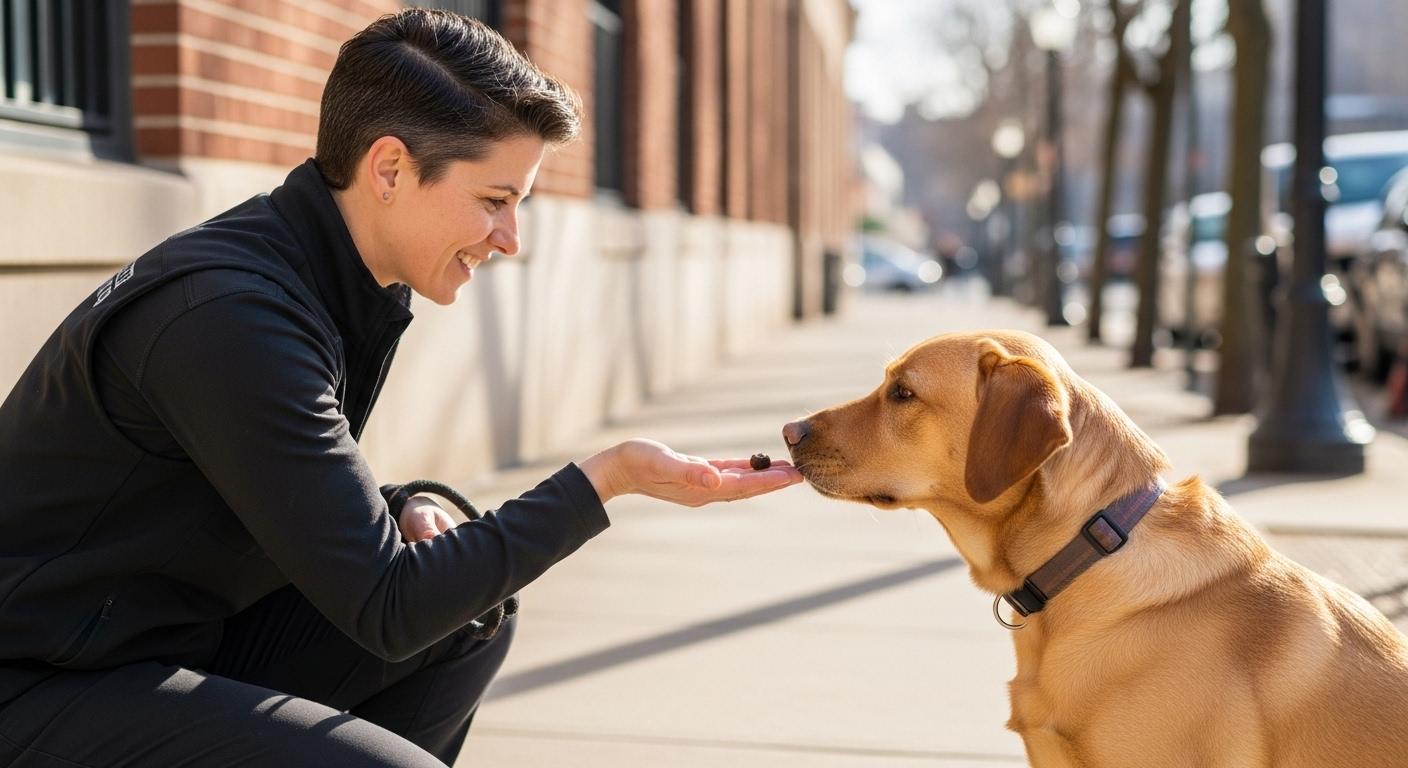
The treat in your hand is the paycheck. If the paycheck is too small for the job, your dog quits. That is the single biggest reason home training falls apart the moment you step outside.
Treat Value Is Relative to Your Dog
Value is set by your dog, not the bag. A $20 organic biscuit means nothing if your dog spits it out. A piece of plain chicken from last night’s dinner might be gold.
Three things set the value:
- Rarity. If your dog eats chicken in his bowl every night, chicken stops being special. Reserve the good stuff for training only.
- Smell and texture. Soft, smelly, meaty wins. Think freeze dried liver, real beef, string cheese, hot dog coins.
- Your dog’s personal taste. Some dogs flip for fish. Others want nothing but beef. Test it.
This is why your dog ignores the same treat outside that worked in the kitchen. The kitchen has no squirrels. Ingersoll Avenue has squirrels, strollers, patio smells, and other dogs. The distraction went up, so the paycheck has to go up too.
When to Use Low-Value vs. High-Value Treats
Think of it like cash. You pay a kid a dollar to take out the trash. You do not pay a dollar to paint your house. Match the pay to the difficulty.
Use low-value treats for:
- Known commands your dog already nails
- Quiet home practice in the kitchen or backyard
- High-rep drills where you need volume without filling him up
- Plain kibble works fine here
Pull out the high-value stuff for:
- Brand new commands he has never seen before
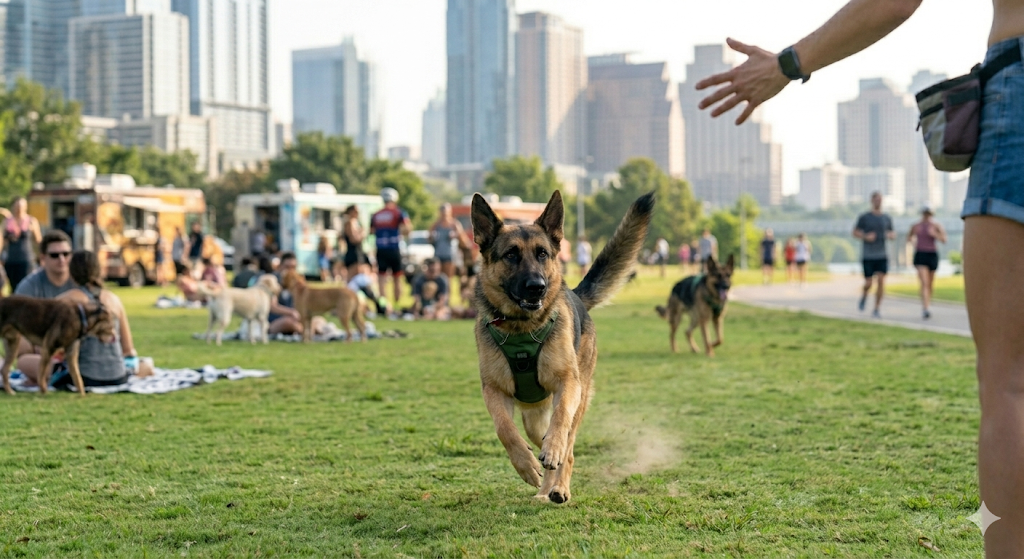
- Recall work, always. Coming back to you must pay better than running off
- Reactivity sessions, like the work we do at safe distances around Gray’s Lake Park
- Distraction training on busy Beaverdale sidewalks or outside Valley Junction shops
- Any new environment your dog has not worked in yet
When clients ask about the best treats for dog obedience training, the honest answer is: it depends on where you are and what you are asking for. A reliable recall in a distracting park is the gold standard, and it is one of the signs your dog is ready to move off-leash in public. You do not get there on stale biscuits.
What Makes a Dog Treat ‘High-Value’? The 4 Criteria That Matter
A high-value treat hits four marks: it smells strong, it’s tiny, it disappears fast, and the ingredient list is short. Miss one and your reward loses power the second a squirrel runs by. Here’s the checklist we actually use in sessions.
Smell: The Most Powerful Variable
Your dog leads with the nose. In a busy spot like Waterworks Park or the Gray’s Lake trail, the treat has to out-smell ducks, geese, and other dogs. That’s why freeze dried dog treats training pros reach for first.
Freeze drying pulls the moisture out but keeps the protein, fat, and aroma locked in. Freeze dried liver, chicken, and beef hit harder than any bagged biscuit. If you can’t smell it through the bag, your dog barely can either.
Size: Smaller Is Almost Always Better
Training treats should be pea-sized or smaller. A solid session runs 30 to 50 reps. Feed grape-sized chunks and your dog is full and checked out in five minutes.
Use dog training treats small pieces every time. Cut them down before you start. We tell every client the same thing: if you think it’s small enough, cut it in half again. Tiny rewards keep the reps coming and the calories in check, which matters even more for puppies working through the 7 puppy training milestones to hit in the first 16 weeks.
Texture and Speed: Soft Beats Crunchy Every Time
Soft treats get swallowed in under 2 seconds. Crunchy biscuits take 5 to 10 seconds of chewing. That’s 5 to 10 seconds your dog is staring at the ground instead of looking at you for the next cue.
Fast chew time keeps the feedback loop tight. Reward, mark, reset, repeat. Save the crunchy stuff for the cookie jar at home.
Ingredients: Real Meat First, Fillers Last
Flip the bag over and read the label. The first ingredient should be a real protein: chicken, beef, liver, salmon, or duck. Single-ingredient treats are the gold standard.
Skip these every time:
- Corn, wheat, and soy as the first ingredient
- Added sugar, corn syrup, or molasses
- Artificial colors (Red 40, Yellow 5, Blue 2)
- Long preservative lists you can’t pronounce
- Generic “meat by-products” with no source named
A treat loaded with filler trains your dog’s gut to react more than it trains the behavior you want. Short ingredient list, real food, strong smell, tiny size. That’s the formula. Get those four right and the treat does half the work for you.
The Best Types of Dog Treats for Training: A Trainer’s Breakdown
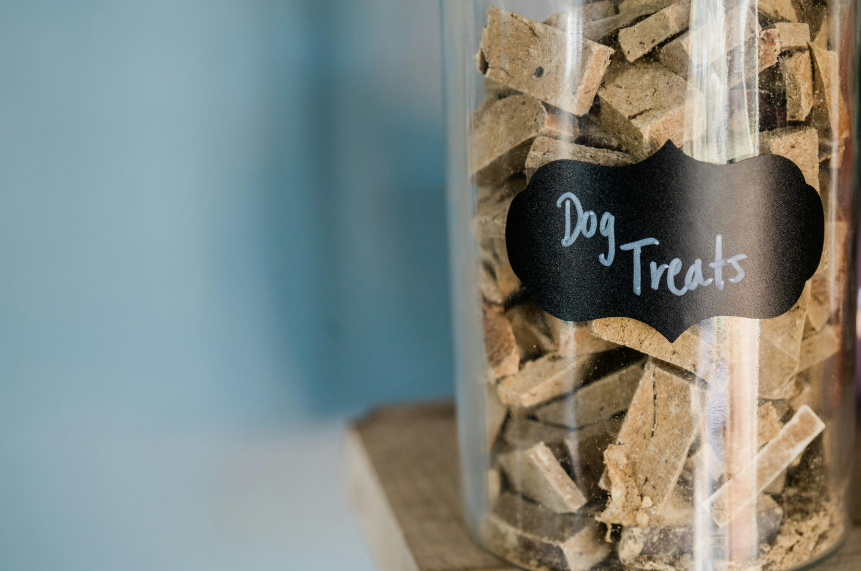
These are the categories we actually load into our pouches during Board and Train programs and in-home sessions across the metro. No fluff, no brand pitches. Just what works on real dogs in real sessions.
Freeze Dried Liver and Organ Treats
If you ask us for the single best training treat for a new dog, this is it. Freeze dried beef liver sits at the top of the hierarchy. The smell is intense, the shelf life is long, and you can crumble a single piece into five or six pea-sized rewards.
Beef liver outranks chicken liver on scent, which matters when your dog is distracted. Chicken hearts are a close second. We use these freeze dried dog treats for training around heavy distractions, new environments, and any time we are teaching a brand new behavior.
Boiled or Baked Chicken Pieces
Yes, boiled chicken is genuinely good enough for most training. It is affordable, almost every dog loves it, and you can prep a week of rewards in twenty minutes.
A few rules:
- Plain chicken breast only, no seasoning
- No bones, no skin, no garlic, no onion
- Cut into pea-sized cubes after it cools
- Refrigerate up to 3 days or freeze in small batches
Many of the families we coach through our 7 benefits of in-home dog training for Des Moines pet owners sessions use boiled chicken as their daily driver and save freeze dried for harder reps.
Beef-Based Treats: Jerky, Meat Rolls, and Cheese Options
When you want variety in the pouch, this is your tier:
- Low-sodium beef jerky with no xylitol and no heavy seasoning. Tear into small pieces.
- Commercial meat rolls that you slice yourself. You control the size, which is huge for puppies.
- Plain mozzarella string cheese for dogs that are not meat-motivated. A pinch goes a long way.
Rotating these high value dog treats for training keeps your dog guessing and keeps drive up.
Commercial Soft Training Treats: What to Look For on the Label
Here is how to read a training treat label and spot a bad one in ten seconds:
- Ingredient #1 must be real meat, not corn, wheat, or “meat meal”
- Under 3 calories per piece so you can deliver high reps without overfeeding
- No xylitol, ever
- No artificial colors or dyes
- Ingredient list under 10 items you can pronounce
Most shelf “training treats” fail this test. They are mostly grain, starch, and filler shaped like a bone. Flip the bag over before you buy.
When the Treat Is Right and Training Still Stalls
If you have the right reward in your pouch and training still is not clicking, the gap is almost always timing, mechanics, or the plan itself. That is what we fix. Call our team at (515) 480-7977 to talk through your dog’s specific situation, and we will tell you straight whether in-home training or a Board and Train program is the better fit.
Frequently Asked Questions
Can I Use My Dog’s Regular Kibble as a Training Treat?
Yes, kibble can work as a low-value reward for simple, low-distraction practice at home, especially if your dog is food motivated and slightly hungry before a session. However, most trainers at All Dogs Unleashed Dog Training Des Moines reserve kibble for very basic reinforcement because it lacks the smell and texture that drive strong engagement. For new skills or high-distraction environments, upgrading to a soft, meat-based treat will get you noticeably faster results.
How Many Treats Is Too Many in a Single Training Session?
A common guideline is to keep training treats to no more than 10 percent of your dog’s daily calorie intake across all sessions combined. Using very small, pea-sized pieces helps you reward frequently without overfeeding. If your dog starts losing interest mid-session, low energy from fullness is often the cause, so shorter sessions with fewer repetitions tend to produce better focus than marathon practice.
Are Training Treats Safe for Dogs With Food Allergies?
Dogs with known allergies or sensitivities need treats with a short, single-protein ingredient list so you can identify and avoid triggers. Freeze-dried single-ingredient options like rabbit, duck, or venison are popular choices for sensitive dogs because they contain no fillers, additives, or common allergens like chicken or beef. Always introduce a new treat in small amounts first and watch for any signs of digestive upset or skin reactions before using it regularly in training.
Should I Use Different Treats for Puppies vs. Adult Dogs?
Puppies benefit from very soft, easy-to-chew treats because their teeth and jaws are still developing, and hard crunchy treats can slow down the rapid reward timing that puppy training requires. Adult dogs can handle a wider variety of textures, though soft treats still tend to outperform crunchy ones during active training for the reasons All Dogs Unleashed Dog Training Des Moines trainers consistently observe in sessions. The core criteria of smell, size, and real meat content apply at every life stage.
Can I Use Human Food Like Hot Dogs or Cheese Instead of Commercial Treats?
Hot dogs and cheese are actually among the most effective high-value training rewards and are used regularly by professional trainers, including those at All Dogs Unleashed Dog Training Des Moines. Hot dogs should be cut into very small pieces and used sparingly due to their sodium content, while cheese works best for dogs that tolerate dairy without digestive issues. As long as portion sizes stay small and the food contains no toxic ingredients like onion, garlic, or xylitol, these options are a practical and affordable choice.
How Should I Store Homemade or High-Value Treats to Keep Them Fresh During a Session?
Soft or homemade treats like boiled chicken or liver pieces should be stored in an airtight container in the refrigerator and brought to room temperature before a session, since cold treats are less aromatic and therefore less motivating. A small treat pouch worn on your belt or waistband keeps rewards accessible without requiring you to fumble, which preserves the timing of your reward delivery. For longer training days or outdoor sessions, a small insulated bag with an ice pack keeps perishable treats safe for several hours.
Will My Dog Become Too Dependent on Treats and Refuse to Listen Without Them?
Treat dependency is a myth when treats are used correctly as a reinforcement tool rather than a bribe held in plain sight before the behavior happens. The standard approach used at All Dogs Unleashed Dog Training Des Moines involves gradually fading treat frequency once a behavior is reliably learned, shifting to intermittent rewards that actually strengthen the behavior over time, similar to how a slot machine keeps people engaged. Dogs trained this way generalize their skills well and continue to respond even when treats are not visible or immediately available.
Ready to Get Started with All Dogs Unleashed Dog Training Des Moines?
Call (515) 480-7977 to speak with our team directly, or reach out using the form below.
Reach out today and let’s talk about how we can help.