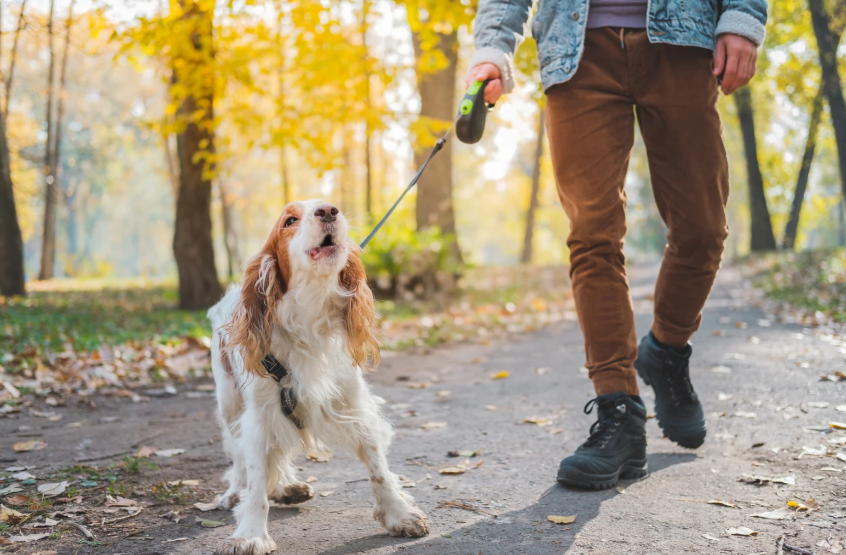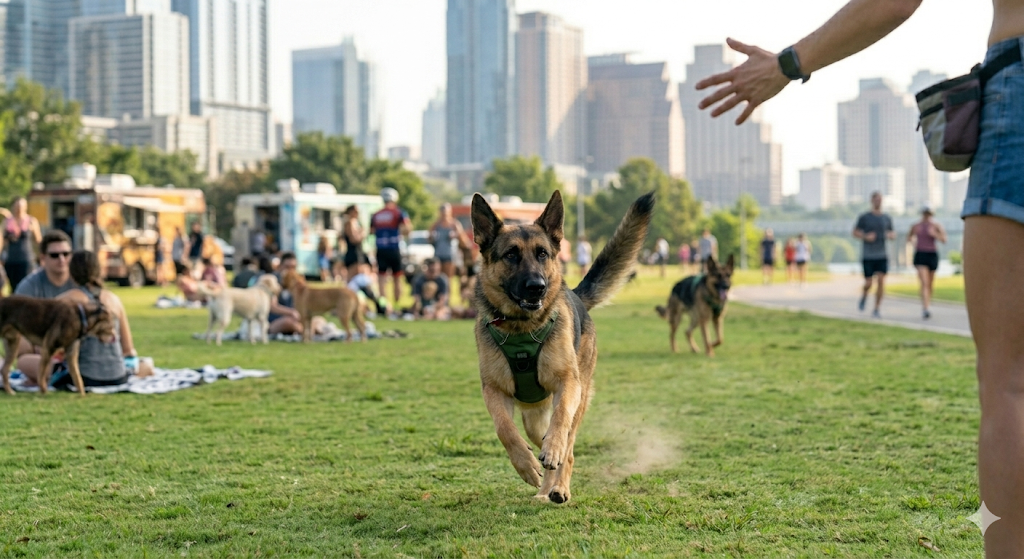

Unleash Your Dog’s Potential at ANY age. Older dogs can absolutely learn new behaviors, drop bad habits, and become the well rounded pet you want. Our team at All Dogs Unleashed Dog Training Des Moines works with adult and senior dogs every week, and the results speak for themselves. Older dog training comes down to the right structure, clear communication, and daily practice, not your dog’s birthday. If your adult dog pulls on the leash, ignores commands, or reacts to other dogs, we can fix it.
Ready to see what your older dog can really do? Call (515) 480-7977 today.
Key Takeaways
- Older dogs learn obedience training just as well as puppies when the method fits the dog.
- Daily practice of basic commands is what makes new behaviors stick with adult dogs.
- Most behavior problems in older dogs come from missing structure, not stubbornness or age.
- Board and Train and In-Home Training both work for older dog training in Des Moines.
Old Dogs, New Tricks: Why Adult Dog Training Works Better Than You Think
Your 5-year-old Lab can absolutely learn to stop pulling on the leash. The myth that older dogs can’t be trained is just that, a myth. Adult dogs often learn faster than puppies.
Why? Longer attention spans. Lower impulsivity. They can actually sit still and focus for more than 30 seconds.
Puppies are tiny sponges with the bladder control of a leaky faucet. Adult dogs come to the table ready to work. They want a job. They want structure. They just need someone to show them the rules.
Sound Familiar?
You probably fit one of these:
- You adopted a rescue and have no idea what life looked like before you got them.
- Your dog is 4 or 5 and never had formal training, so bad habits piled up.
- You’ve got a dog that drags you down the path at Gray’s Lake every morning.
- Guests walk through the door and your dog turns into a furry pogo stick.
All of that is fixable. Age has nothing to do with it.
In this article, we’ll cover why adult dog brains respond so well to training, the methods that actually work, the common mistakes owners make, and the real results we see every week with local clients. Pulling, jumping, ignoring commands, all of it can change with the right adult dog obedience training plan.
Can You Really Train an Older Dog? The Science Says Yes
Yes. Adult dogs learn new behaviors at any age. The brain keeps building new pathways for life. This is called neuroplasticity, and it works the same way in a 9-month-old as it does in a 9-year-old.
Here is the catch. Old habits are deeply worn-in grooves. Your dog has practiced them hundreds of times. New behaviors need consistent repetition to become the new automatic response.
How Adult Dog Brains Handle Learning Differently Than Puppies
Adult dogs actually have one big advantage over puppies: focus. A puppy’s attention span is short. An adult dog can lock in for 10 to 15 minute sessions and absorb real information.
That means basic commands for older dogs often come together faster than people expect:
- Sit, down, and place stick quickly because adult dogs sit still longer
- Stay builds fast since adult dogs have better impulse control
- Heel clicks once your dog understands the pressure of the leash
- Recall sharpens with daily reps in low-distraction settings first
When people ask us how to train an older dog, we tell them the truth. Age is not the problem. Inconsistent handling is.
What ‘Bad Habits’ Actually Are (and Why They Can Be Undone)
Your dog is not stubborn. Your dog is not spiteful. Your dog is doing what worked before.
Counter surfing got a sandwich once. Barking made the mailman leave. Pulling on leash got him to the smell faster. Every “bad habit” is a practiced behavior that produced a payoff. That is why correction alone fails, and it is a big reason dogs ignore commands at home even when owners are frustrated.
To retrain an adult dog, we replace the automatic response with a new one. We do not just suppress the old behavior. Suppression makes dogs anxious and confused. Replacement gives them a clear job.
Clear instruction for what TO do always beats correction for what NOT to do. Instead of yelling “off” at the counter, we teach “place” and reward it until place becomes the new default. That is how real change sticks.
The Biggest Mistakes Owners Make When Training Adult Dogs
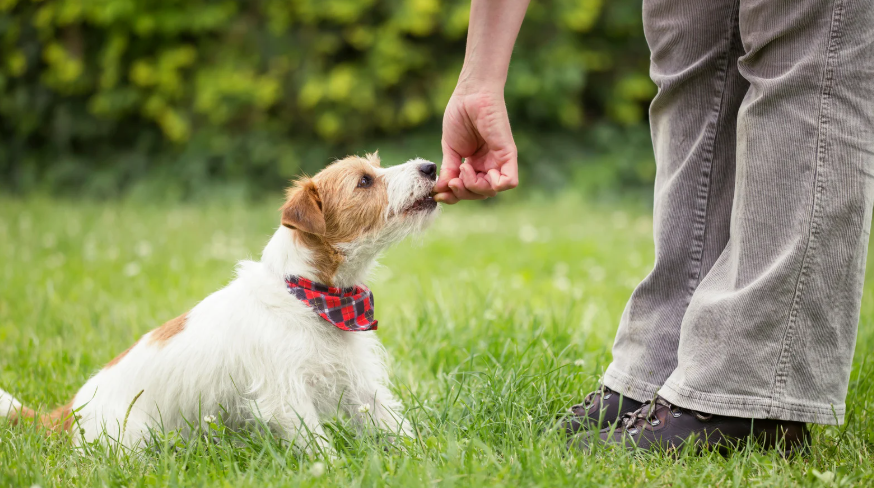
Most owners aren’t failing because their dog is too old. They’re failing because of three fixable mistakes we see every week.
Inconsistency: The #1 Reason Older Dogs Don’t Retain Training
If you say “down” and your spouse says “lay down” and the kids say “get off,” your dog hears three different things. That’s not stubbornness. That’s confusion.
Consistency rules to follow when you retrain adult dog behavior:
- One word per command. Pick it and stick with it.
- Same rules in every room. No couch on Tuesday, couch on Saturday.
- Everyone in the house uses the same words and rules.
- Daily practice, even just 10 to 15 minutes.
Skip a few days and you reset progress. Drill it daily and the new habit sticks.
Expecting Puppy-Speed Progress From a Dog With Years of Habit
A 6-year-old dog who has pulled on leash his whole life has thousands of reinforced reps telling him pulling works. You need enough new reps to outweigh that history. That takes weeks, not days.
We worked with a Lab in Ankeny who used to drag its owner through Waterworks Park every morning. After a few weeks of structured daily practice, he walks at heel without tension on the line. Not three days. A few weeks. That’s the realistic timeline, and our blog post on stopping leash pulling breaks down the exact steps.
Measure progress in weeks. If you quit at day four, you’ll never see it click.
Using the Wrong Reinforcement Timing
This one is huge. Reward or correction must land within 1 to 2 seconds of the behavior. After that, your dog has no idea what you’re reacting to.
Example: your dog sits, you fumble for a treat, he stands up, and you hand it over. You just rewarded standing. Older dogs have a longer history of competing behaviors crammed into that small window, so your timing has to be sharper than it would be with a puppy.
One of the most useful senior dog training tips we give clients in West Des Moines and Urbandale: mark the moment with a clear “yes” the instant the behavior happens. Then deliver the reward. The marker buys you time.
Tired of guessing what works? Let our trainers build a plan that fits your dog. Call (515) 480-7977.
Which Training Methods Actually Work for Older Dogs
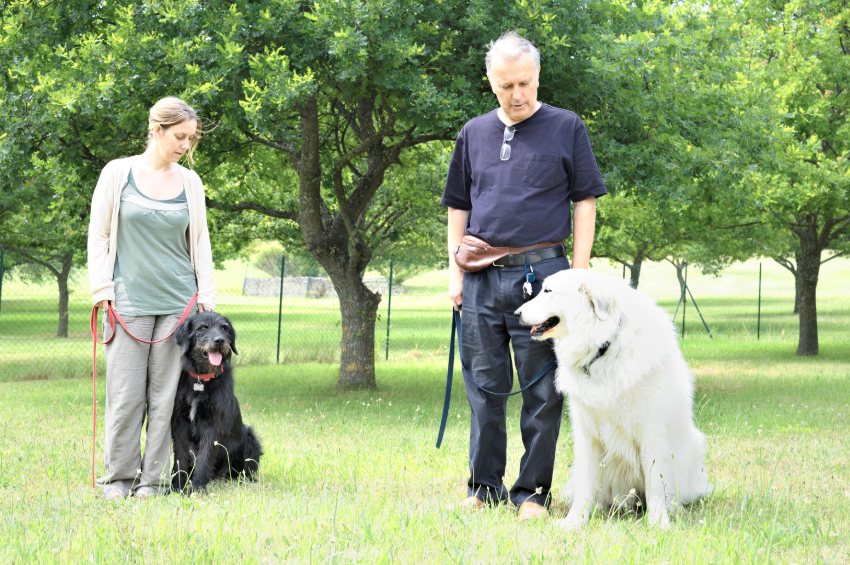
The best method for adult dog obedience training is the one that gives your dog clear, instant feedback. Older dogs have years of habits to overwrite. They need precise communication, not more nagging.
Marker Training: The Clearest Communication Method for Adult Dogs
Marker training tells your dog the exact second it did the right thing. You use a clicker or a verbal “yes” to bridge the 1-2 second gap between behavior and reward. Without that marker, your dog is guessing what you liked.
The sequence is simple:
- Cue (“sit”)
- Behavior (dog sits)
- Mark (“yes” or click)
- Reward
This is how we retrain the basic commands for older dogs: sit, down, stay, come, place. The dog finally understands what you actually want.
Why Structure Matters More Than Treats Alone
If your dog only listens when you have food in your hand, you have not trained obedience. You have trained a vending machine routine. We see this constantly with adult dogs.
Food is a tool, not the whole program. We phase the lure out fast and replace it with structure:
- Place command to build duration and calmness
- Leash pressure and release for real-world reliability
- Clear rules at thresholds, doors, and furniture
- Marker work so the reward is information, not a bribe
Structure beats snacks every time. A dog that respects boundaries listens whether you have treats or not. If you want a deeper read on building this at home, our team’s page covers the 7 benefits of In-Home Training and how structure transfers to your house.
When to Use Board and Train for Faster Results
Board and Train is the fastest path for an adult dog with stacked-up bad habits. We pull your dog out of the environment that reinforces those habits and place them with our trainers in a structured setting all day, every day.
What owners tell us after pickup:
- Their dog responds to word commands “as if they have been doing so their entire lives”
- Pulling, jumping, and door-bolting are gone
- Recall actually works off the food
Here is the honest part. Board and Train at All Dogs Unleashed Dog Training Des Moines accelerates the work, but you still have to hold the line at home. We send your dog back with the skills. You keep them sharp by practicing daily and staying consistent with the rules we set.
How to train an older dog comes down to this: clear marker, real structure, and a program that matches the size of the problem.
How to Build a Daily Training Routine That Sticks
Here’s the truth most owners miss. Ten focused minutes twice a day beats one 40-minute session per week. Adult dogs learn through short, frequent reps, not marathon sessions.
The 10-Minute Daily Practice Framework
Every session should follow the same simple structure. This keeps your dog engaged and ends on a win.
- 2 minutes warm-up: Run through known commands like sit, down, and touch. Build confidence.
- 5 minutes target behavior: Pick ONE thing per session. Loose-leash walking, place, or recall. Not all three.
- 2 minutes distraction proofing: Add mild distractions like a tossed toy or someone walking by.
- 1 minute ending on success: Ask for an easy, known command. Reward big. Done.
Always end on a correct response. If your dog blows the last rep, back up to something easy and finish there. The emotional state at the end of a session sets the tone for the next one. That’s one of the most overlooked senior dog training tips we share with owners.
How to Set Up Your Home Environment for Success
Training fails when your dog gets to practice the bad behavior between sessions. Every time he bolts the front door toward East Village foot traffic or lunges at another dog on the Meredith Trail, that pattern gets stronger. Management buys you time to build the new behavior.
Use these tools in the house:
- Baby gates to block off the front door and high-traffic zones
- Leash tethers to keep your dog near you and out of trouble while you cook or work
- Crates for downtime and when guests arrive
- Place command to give your dog a clear job during chaos like the doorbell ringing
Place is the game-changer for door-charging dogs. Pair it with the basic commands for older dogs you already practice daily. If door barking is your main issue, our blog post on teaching a dog to stop barking at the door walks through the full setup.
If your adult dog pulls on every walk, ignores recall, or jumps on every guest, that pattern is fixable. Call our training team at (515) 480-7977 to talk through in-home sessions, group work, or a Board and Train stay. Most owners are surprised at how fast things change once training is consistent.
Frequently Asked Questions
How Long Does It Take to See Results With Older Dog Training?
Most owners working with All Dogs Unleashed Dog Training Des Moines report noticeable improvements in their dog’s behavior within two to four weeks of consistent daily practice. Deeply ingrained habits may take two to three months to fully replace, depending on how long the behavior has been reinforced. The timeline varies by the specific behavior being addressed and how reliably the owner follows through between sessions.
Is Board and Train Safe for an Older Dog With Anxiety?
Board and train programs can be safe and highly effective for anxious older dogs when the facility uses structured, positive methods and experienced trainers. A reputable program like the one at All Dogs Unleashed will assess your dog’s temperament before placement and adjust the environment to reduce stress. In many cases, the structured routine of a board and train setting actually helps anxious dogs feel more settled than an unpredictable home environment.
Can an Older Dog Learn Off-Leash Reliability?
Yes, older dogs can develop solid off-leash reliability, though it typically requires a strong foundation of on-leash obedience first. The key is proofing commands across multiple environments and distractions before removing the leash entirely. Adult dogs often have better impulse control than puppies, which can actually work in your favor once the underlying obedience is established.
Does Age Affect Which Commands an Older Dog Can Learn?
Age alone does not prevent an older dog from learning any standard obedience command, including sit, down, heel, place, and recall. Physical limitations such as arthritis or joint pain may make certain positions uncomfortable, so it is worth consulting your veterinarian if your dog hesitates on commands like down or sit. A skilled trainer at All Dogs Unleashed can modify exercises to work within your dog’s physical comfort range.
What Should I Do if My Older Dog Regresses After Training?
Regression after training almost always points to a gap in consistency, a change in the home environment, or a health issue worth ruling out with your vet. Returning to short daily practice sessions and simplifying commands back to basics usually restores the behavior within one to two weeks. All Dogs Unleashed recommends scheduling a follow-up session if regression persists beyond two weeks despite consistent effort at home.
Is Older Dog Training More Expensive Than Puppy Training?
Pricing for older dog training at All Dogs Unleashed is generally comparable to puppy programs, though the specific package you choose, group classes versus private sessions versus board and train, will affect the total cost. Older dogs with long-standing behavioral issues may benefit from a more intensive program, which carries a higher upfront investment but often resolves problems faster than extended weekly classes. Contacting All Dogs Unleashed directly is the best way to get an accurate quote based on your dog’s individual needs.
Can I Train My Older Dog Alongside Getting a New Puppy?
Training an older dog while introducing a new puppy to the household is possible, but it requires keeping the two dogs on separate schedules initially to avoid reinforcing bad habits in either direction. The older dog’s training should be well established before the puppy is allowed to observe or participate, since puppies tend to mirror the behavior of adult dogs in the home. All Dogs Unleashed can help you create a plan that addresses both dogs without letting the puppy undermine the progress your older dog is making.
Ready to Get Started with All Dogs Unleashed Dog Training Des Moines?
Call (515) 480-7977 to speak with our team directly, or reach out using the form below.
Reach out today and let’s talk about how we can help.