
If you want to know how to teach a dog to sit, the good news is that most dogs learn the basic motion in a few short sessions. The harder part is getting a “sit” that holds up at the front door, at the vet’s office, and on a busy sidewalk when another dog walks by. That is where a plan matters more than a handful of treats.
At All Dogs Unleashed Dog Training Bossier City, “sit” is one of the first skills we build because so many good manners grow out of it. Below you will find the exact steps we use, the mistakes that slow dogs down, and a simple practice schedule you can follow at home in Bossier Parish.
Want help getting your dog’s manners on track? Our team is happy to talk with you.
Key Takeaways
- Start in a quiet room, lure your dog’s nose up and back, and reward the instant its rear touches the floor.
- Pair “sit” with a release word so your dog learns to hold the position until you say it is done.
- Build duration, distance, and distractions one at a time instead of raising all three at once.
- Use “sit” as a polite default for doors, meals, leash clipping, and greeting guests.
- Our fixed two-week Board and Train program builds reliable obedience with daily structured sessions and handler transition training.
Why a Reliable Sit Matters So Much
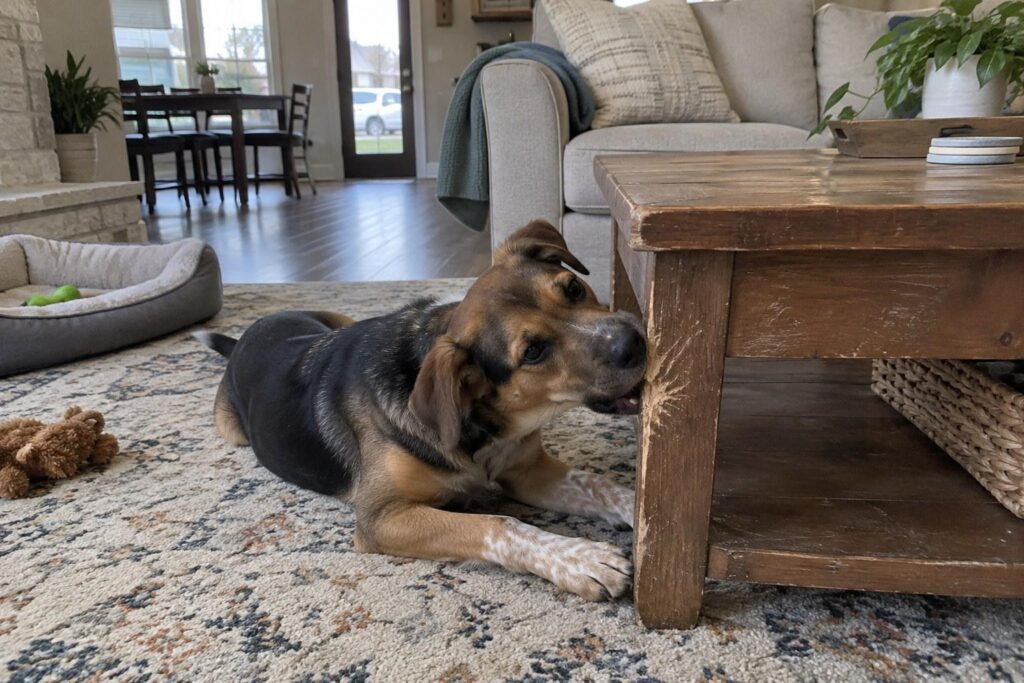
“Sit” looks like a beginner trick, but in daily life it does real work. A dog that sits cannot jump on a visitor, bolt through an open door, or lunge at a plate on the coffee table at the same moment. It gives your dog something clear to do instead of guessing.
It Replaces Problem Behaviors
Many common frustrations, like jumping, pushing past you at doorways, and mugging you for food, can be reduced by teaching a behavior that cannot happen at the same time. Sitting is the easiest one to teach and the easiest one for your dog to understand. Once your dog knows that sitting is how it earns attention, those pushy habits often fade.
It Builds Self-Control
Holding a “sit” while something interesting happens teaches your dog to pause before acting. That pause is the foundation for calm greetings, polite leash walking, and later skills like “stay” and “place.” Dogs that learn to wait tend to settle more easily in general.
It Keeps Everyday Handling Safer
Clipping on a leash, wiping muddy paws after a rainy Bossier City afternoon, or letting a veterinarian look in your dog’s ears all go more smoothly when your dog can hold still. A reliable “sit” gives you a calm starting point for all of those moments.
How to Teach a Dog to Sit Step by Step
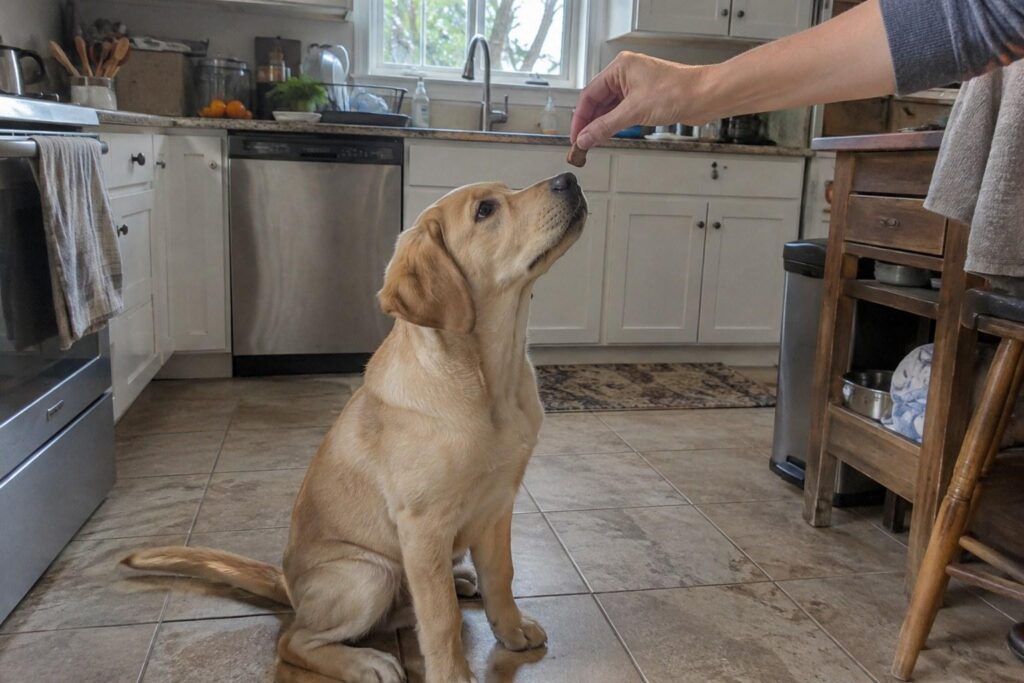
This is the method we recommend for most dogs, and it lines up with the lure and reward approach described by the American Kennel Club in its guide to teaching your dog to sit. Keep sessions short, about three to five minutes, and stop while your dog is still eager.
Step 1: Pick the Right Setting and Reward
Choose a quiet room with few distractions, such as a living room or kitchen after the household has settled. Use small, soft treats your dog loves and can eat quickly. Pieces about the size of a pea work well. If your dog is food-motivated, you can use part of its regular meal so you are not adding extra calories.
Step 2: Lure the Position
Hold a treat right at your dog’s nose. Slowly move it up and slightly back over your dog’s head. As the nose follows the treat upward, the rear end naturally lowers toward the floor. The moment it touches down, say “yes” or another marker word and give the treat. Do not push on your dog’s hips. Let the dog figure out the motion on its own.
Step 3: Add the Word
After your dog sits easily for the lure five or six times in a row, start saying “sit” just before you move your hand. Say it once, in a normal voice. Repeating the word over and over teaches your dog that the first few cues do not count.
Step 4: Fade the Lure
Next, make the same hand motion with no treat in that hand, and reward from your other hand or a treat pouch once your dog sits. Over several sessions, make the hand motion smaller until a slight upward gesture or the word alone is enough. This step is where many owners stall, so be patient and keep rewards generous.
Step 5: Teach a Release Word
Choose a word like “okay” or “free” that means the exercise is over. Reward your dog while it is still sitting, then say the release word and encourage it to get up. This teaches your dog that “sit” means stay seated until you say otherwise, not just touch the floor and pop back up.
| Stage | What You Do | Move On When |
|---|---|---|
| Lure | Guide the nose up and back with a treat | Your dog sits smoothly five or six times in a row |
| Add the cue | Say “sit” once, then lure | Your dog starts sitting as you speak |
| Fade the lure | Empty hand motion, reward from the other hand | A small gesture or the word works most of the time |
| Release | Reward in position, then say “okay” or “free” | Your dog waits for the release word before standing |
Building Duration, Distance, and Distractions
A dog that sits in your kitchen has learned the motion. A dog that sits anywhere has learned the meaning. Trainers often call the next phase the three Ds: duration, distance, and distractions. The key rule is to raise only one at a time.
Duration
Ask for a “sit,” count one second, reward, and release. Then try two seconds, then three. Mix easy reps with harder ones so your dog does not feel each rep is tougher than the last. If your dog stands before the release word, simply reset and ask again with a shorter wait. No scolding is needed.
Distance
Once your dog can hold a “sit” for ten seconds or so with you right in front, take one small step back, return, reward, and release. Build to a few steps away, then to the other side of the room. Always return to your dog to deliver the reward at first, which keeps the dog from creeping toward you.
Distractions
Start with tiny distractions, like shifting your weight, clapping softly, or dropping a sock. Then try a family member walking past, a ball rolling across the floor, or a knock on the door. When duration or distance is being added, make the setting easier. When distractions go up, shorten the hold.
Changing Locations
Dogs do not automatically transfer a skill from one room to another. Practice in the hallway, the backyard, the garage, the driveway, and then quiet spots around your neighborhood. Each new place may feel like starting over for a few reps, and that is normal. Our list of dog-friendly parks in Bossier City has ideas for practice spots once your dog is ready for more activity.
If you want a dog with obedience that holds up in busy places, our two-week program gives your dog structured practice every single day.
Common Mistakes That Slow Progress
When “sit” stops working, the cause is usually small and fixable. Here are the issues we see most often with Bossier City dogs.
Repeating the Cue
Saying “sit, sit, sit” teaches your dog to wait for the third or fourth request. Say it once. If your dog does not respond, help with a lure or step closer, then make the next rep a little easier.
Rewarding Too Late
Timing matters. If the treat arrives after your dog has already stood back up, you are rewarding standing. Mark the instant the rear touches the floor, and deliver the reward while your dog is still seated.
Pushing on the Hips
Pressing down on a dog’s back end can make some dogs brace against you or feel uneasy. It also keeps the dog from learning to do the motion on its own. Luring is gentler and usually faster.
Only Practicing When Things Are Calm
If you only ask for “sit” in the quiet kitchen, your dog may not connect it with the doorbell or a squirrel. Plan practice in gradually busier settings so the cue means the same thing everywhere.
Using the Cue to End the Fun
If “sit” always comes right before the leash goes on to leave the park or before a bath, your dog may start to drag its feet. Sprinkle in plenty of reps where sitting leads to something great, like a toss of a toy or the release to go sniff.
| Problem | Likely Cause | Quick Fix |
|---|---|---|
| Dog sits, then pops right up | No release word | Reward in position, then release with “okay” or “free” |
| Dog only sits when you hold food | Lure faded too slowly | Use an empty hand and reward from a pouch |
| Dog ignores the cue outside | Too big a jump in distractions | Practice farther from distractions with shorter holds |
| Dog creeps forward while sitting | Rewards delivered from a distance | Walk back to your dog to reward |
Using Sit as Everyday Manners
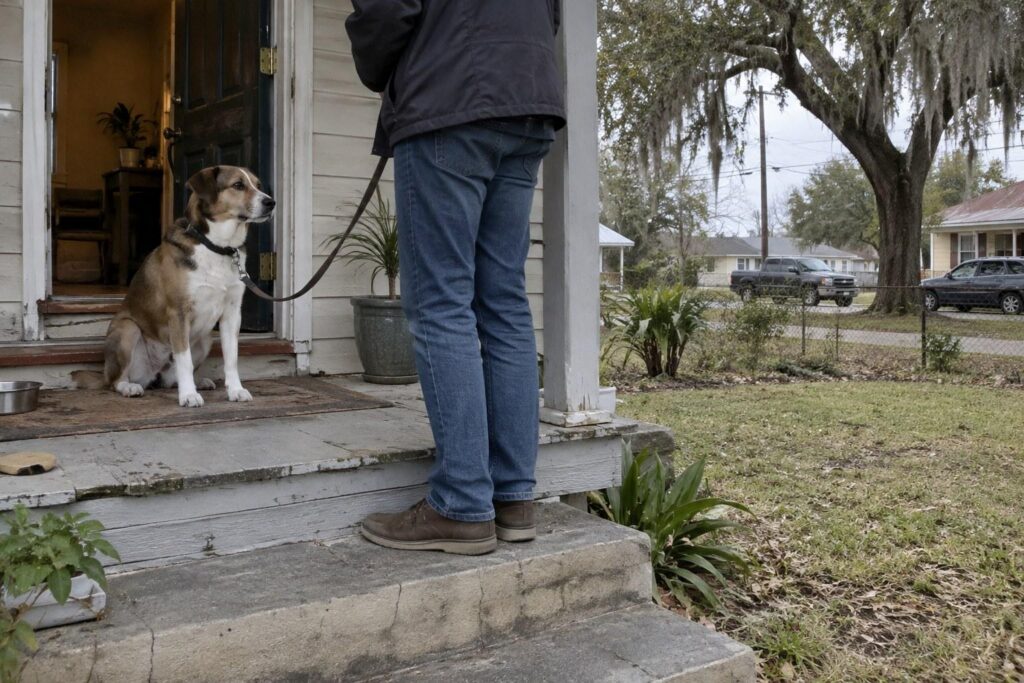
Once your dog understands the cue, put it to work. The more often “sit” shows up in real life, the more automatic it becomes.
Sit for Greetings
Ask guests to wait until your dog sits before they say hello. If your dog jumps, the visitor simply turns away and tries again in a moment. This is especially useful during the holidays, when Thanksgiving on November 26 can mean a full house and lots of excited greetings at the door.
Sit at Doors and Gates
Have your dog sit before you open the front door, the car door, or the backyard gate, and release it to walk through. This small habit can help prevent a dash into the street. Our tips for dog-proofing your yard in Bossier City pair well with gate manners.
Sit Before Meals
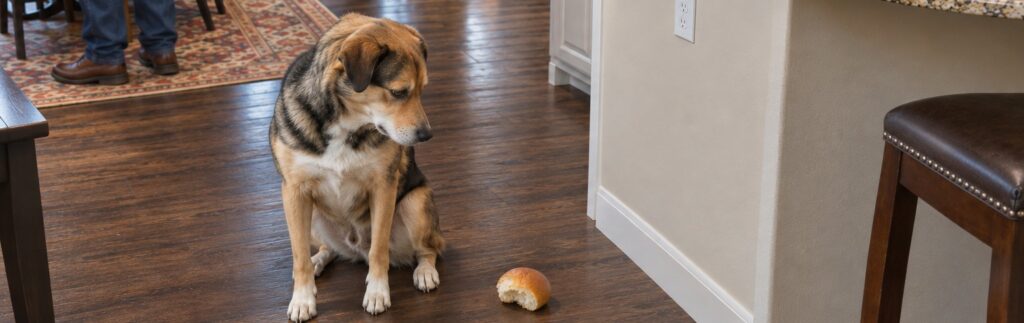
Ask for a “sit” while you set the bowl down, then release your dog to eat. If your dog shows any guarding around food, skip the waiting game and read our article on stopping food aggression in dogs or talk with a trainer.
Sit on Walks
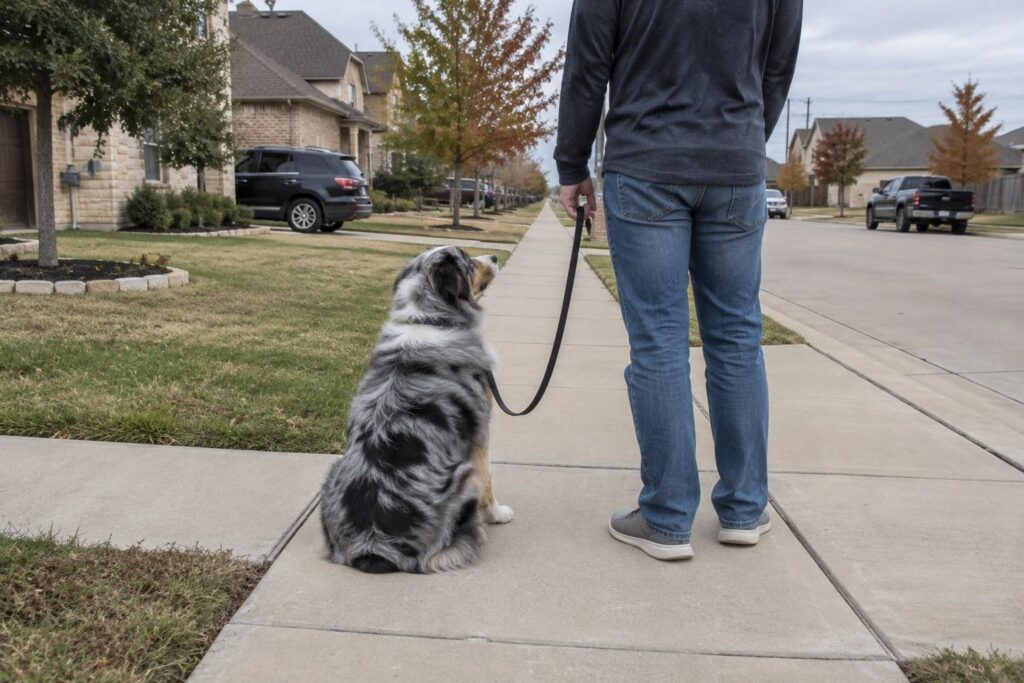
A quick “sit” at curbs or when another dog approaches gives your dog a job and keeps things calm. It also fits nicely into leash practice. Our step-by-step article on training a dog to walk on a leash in Bossier covers how to build that skill.
A Simple Weekly Practice Schedule
Short, frequent sessions beat one long session. Here is a sample plan you can adjust to your dog’s pace.
- Days 1 to 2: Lure “sit” in a quiet room, three short sessions a day.
- Days 3 to 4: Add the word before the lure and start fading the treat from your hand.
- Days 5 to 6: Introduce the release word and build holds of a few seconds.
- Day 7 and beyond: Add small distances and mild distractions, then new rooms and the yard.
Puppies, Adults, and Seniors
Young puppies have short attention spans, so keep sessions to a minute or two. Adult rescue dogs may need time to feel comfortable before they focus, and our first-week rescue dog training steps can help with that adjustment. Older dogs with stiff hips or joints may find sitting uncomfortable, especially on hard floors.
When Sitting Seems Painful
If your dog suddenly avoids sitting, sits crooked, or seems sore when lowering its rear, stop practicing and check with your veterinarian. Reluctance to sit can be a sign of discomfort rather than stubbornness. A nonslip mat or a softer surface may also help.
Watch the Treat Budget
Training treats add up. Use tiny pieces, count them as part of your dog’s daily food, and switch to praise, play, or real-life rewards as the behavior gets stronger. The AVMA has helpful information on keeping pets at a healthy weight.
When to Get Professional Help
Most owners can teach a basic “sit” at home. Getting it to work reliably around real distractions, while also working on leash manners, “leave it,” “come,” and calm behavior in the house, is a bigger project. Professional training gives you structure and a plan.
Two-Week Board and Train
Our Board and Train program is a fixed two-week program. Your dog stays at our facility and works through multiple structured sessions each day, and our trainers vary exercise settings so skills hold up in new places. In the final days, we focus on handler transition training so you learn the timing and technique to keep results going at home. Graduates receive guaranteed results and lifetime support at no additional cost, and Affirm financing is available.
In-Home Lessons
If you prefer to learn side by side with your dog, our in-home dog training lets us work on “sit” and other manners right where problems happen, like the front door and the kitchen.
Choosing the Right Option
| Option | Best For |
|---|---|
| Board and Train | Owners who want reliable obedience built through daily structured practice |
| In-Home Lessons | Owners who want hands-on coaching for specific household habits |
| Refresh Training | Program graduates who want to sharpen skills that have slipped |
Ready to give your dog solid everyday manners? Call us at (318) 562-6536 and we will help you choose the right next step.
About All Dogs Unleashed Dog Training Bossier City
All Dogs Unleashed Dog Training Bossier City helps owners across Bossier Parish and Northwest Louisiana build dogs that listen at home and in public. Our fixed two-week Board and Train program gives dogs multiple structured sessions every day, practice in varied settings, and handler transition training before they head home, so skills like “sit” carry over to your routine. We also offer in-home lessons, boarding, and refresh training. Board and Train graduates receive guaranteed results and lifetime support at no additional cost.
Frequently Asked Questions
How long does it take to teach a dog to sit?
Many dogs learn the basic motion within a few short sessions, especially when you use a food lure and good timing. Building a reliable “sit” that works around distractions and in new places takes longer, often several weeks of steady practice. Short daily sessions and lots of real-life repetitions usually produce the fastest progress for most dogs.
What is the easiest way to teach a dog to sit?
The lure method is the easiest for most dogs. Hold a treat at your dog’s nose, move it slowly up and back over the head, and reward the moment the rear touches the floor. Once your dog follows the lure easily, add the word “sit” and gradually fade the treat from your hand.
Why does my dog sit at home but not outside?
Dogs do not automatically generalize skills from one place to another, and the outdoors is full of smells, sounds, and movement. Practice in your yard and driveway first, keep holds short, and use higher-value rewards. Gradually move to busier places as your dog succeeds. Staying farther from distractions makes the job easier for your dog.
Should I push my dog’s rear down to make it sit?
We do not recommend it. Pressing on a dog’s hips can make some dogs uncomfortable or cause them to push back against your hand. It also prevents them from learning the motion on their own. Luring with a treat is gentler and usually faster, and it helps your dog understand exactly what earns the reward.
Can an older dog learn to sit on cue?
Yes. Adult and senior dogs can learn new cues, and many enjoy the mental work and attention. Keep sessions short and upbeat. If your older dog seems stiff, sore, or reluctant to lower its rear, check with your veterinarian before practicing, and consider a soft or nonslip surface to make sitting more comfortable.
Does Board and Train teach a reliable sit?
Basic obedience such as “sit” is part of the foundation we build. In our fixed two-week program, your dog works through multiple structured sessions each day in varied settings so skills hold up beyond one room. In the final days, you learn how to handle your dog. Board and Train graduates also receive guaranteed results and lifetime support.
Learning how to teach a dog to sit is one of the simplest and most useful things you can do for your dog. Start with a lure, add a release word, then build duration, distance, and distractions one step at a time. If you want help, call (318) 562-6536 or reach out online, and visit our facility at 4500 Benton Rd in Bossier City.
Ready to Get Started with All Dogs Unleashed Dog Training Bossier City?
A dog that sits on cue is easier to live with, easier to take places, and calmer at home. We can help you get there. Call (318) 562-6536 today to talk with our team about Board and Train or in-home lessons. Our facility is All Dogs Unleashed Dog Training Bossier City, 4500 Benton Rd, Suite 200, Bossier City, LA 71111.