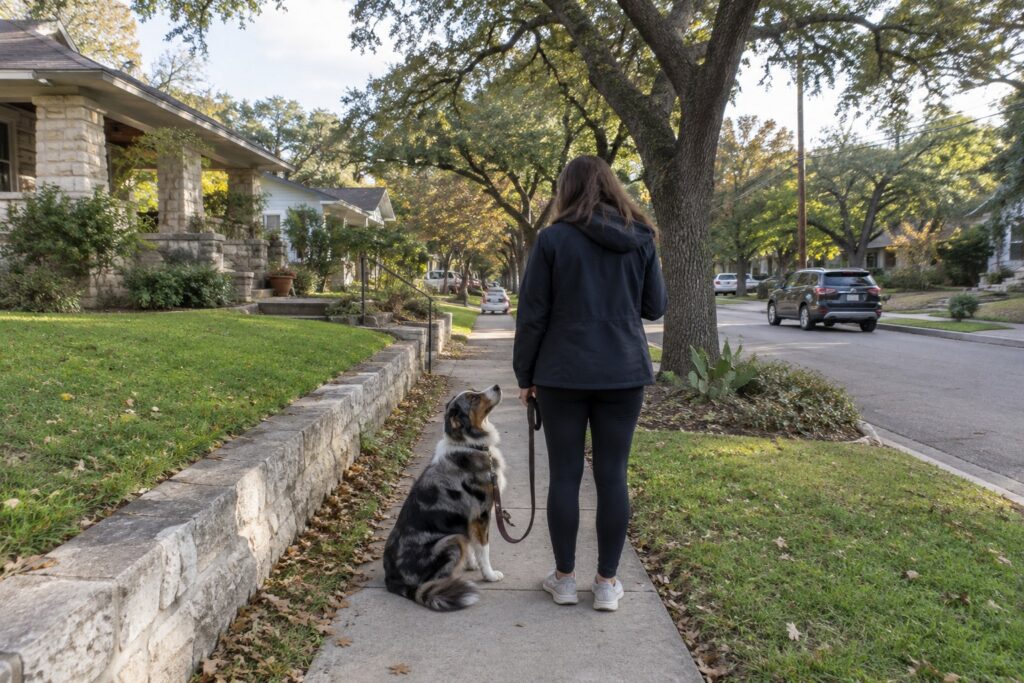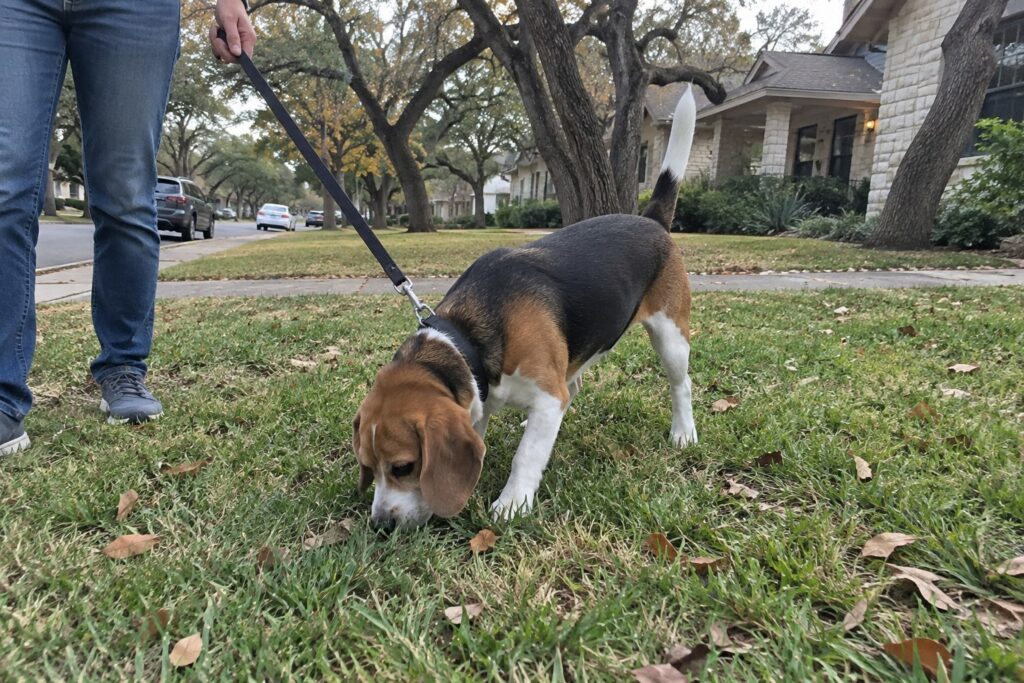

A safe yard means fewer escapes, fewer vet bills, and a calmer dog. We’re All Dogs Unleashed Bossier City, and we help Bossier City owners dog proof yard spaces with smart containment plus real boundary training. Fences alone don’t fix diggers, jumpers, or barkers. Pair the physical setup with solid obedience work and your yard becomes a place your pet can actually relax in, not test.
Ready to make your Bossier City yard safe and stress-free? Call us today at (318) 562-6536.
Key Takeaways
- A truly dog proof yard combines physical containment with trained boundaries, not just a taller fence.
- Diggers, climbers, and fence-fighters each need a different fix, so match the solution to the behavior.
- Common Bossier City yard plants, mulches, and lawn chemicals can poison dogs, so audit before you plant.
- Boundary training from our team helps your pet respect gates, pools, and gardens without constant supervision.
The Real Reason Your Bossier City Backyard Is a Mess
It’s late July in Bossier City. Your dog comes back inside with red clay caked up to the elbows, the kitchen tile looks like a crime scene, and there’s a fresh hole under the back fence near the gate.
Your yard isn’t broken. It’s just fighting a losing battle against 95-degree humid summers, the heavy clay subsoil running through most of Bossier Parish, and standing water that won’t drain after every pop-up storm. Add a bored dog to that mix and you get muddy paws, patchy grass, chewed fence boards, and escape routes.
This guide walks you through 8 practical steps to build a dog-friendly backyard that holds up to local weather and your dog’s habits. We’ll cover fencing, drainage, digging zones, safe plants, shade, and the training piece most people skip. If you want a head start on the training side before you finish the physical work, our full slate ofdog training programs covers everything from basic boundary work to advanced off-leash control.
Why Bossier City Yards Need a Dog-Specific Plan
Bossier City isn’t Dallas. It isn’t Atlanta. The mix of heat, clay, and bayou wildlife means a generic yard setup will get your dog hurt. A safe yard for dogs here has to account for paw burns, standing water, and snakes that live closer than most owners realize.
Physical fixes only go so far. Pair them with solid boundary training from our Bossier team and your dog stays safe inside the yard, not just contained by it.
Heat and Humidity
Yes, the Louisiana heat is dangerous for paws. Summer days hit 95 to 100°F with humidity that pushes surface temps even higher. Concrete patios, dark rubber mulch, and cheap artificial turf can climb past 140°F by 2pm.
Smaller lots along Barksdale Boulevard and Airline Drive often have minimal tree canopy. South and west-facing yards get cooked all afternoon. Plan shade structures, light-colored gravel zones, and shaded rest spots before you plant anything else.
Clay Soil and Drainage
Your yard gets muddy because Bossier Parish sits on heavy clay. Water doesn’t drain, it pools. That leads to three problems: constant mud zones, hot spots between paw pads, and mosquito breeding within a few days of any rain.
Raised areas, French drains, and pea gravel channels move water off the lawn. Dog-friendly landscaping Bossier City owners should also slope key play zones away from the house.
Local Wildlife and Pest Risks
Real threats in a Bossier Parish backyard:
- Copperheads in woodpiles, leaf litter, and along fence lines
- Coyotes near the I-220 corridor and Barksdale Air Force Base perimeter
- Fire ants in any sunny patch of grass
- Mosquitoes breeding in clay-soil puddles near Cypress Black Bayou drainage
Clear brush, seal fence gaps, and treat ant mounds before you let your dog roam.
Step 1: Choose the Right Fencing for Your Dog and Yard
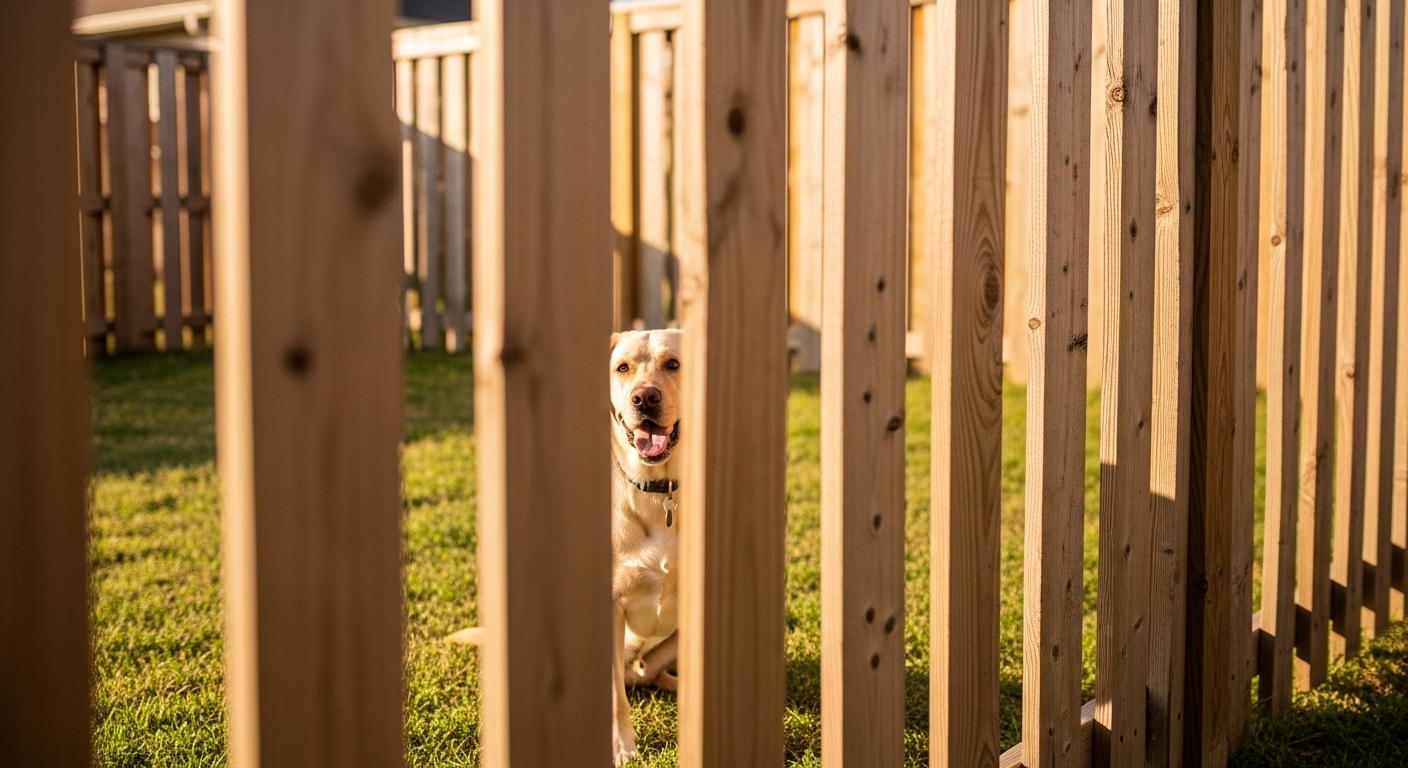
The fence is the foundation of a dog proof yard. Without the right one, nothing else matters.
Most Bossier City neighborhoods are full of 4-foot chain-link. That works for a Beagle. It does not work for a Lab, German Shepherd, or Belgian Malinois.
Height and Material
For a large dog, go 6 feet minimum. Athletic breeds clear 4 feet without trying. Privacy fencing also cuts down on fence-line barking because your dog cannot see every jogger and squirrel.
Your options for a backyard fence for dogs in Bossier City:
- Vinyl privacy (6 ft): Best long-term pick. Handles Louisiana humidity and does not rot like untreated wood.
- Wood privacy (6 ft): Affordable and solid, but plan on sealing it and replacing pickets over time.
- Chain-link (6 ft): Visible but climbable. Add lattice or slats up top.
- Invisible/electric fence: Not enough on its own. Coyotes, stray dogs, and snakes cross it freely, and a determined dog will run through the correction.
Dig Guards
Bossier City yards sit on loose topsoil over clay. Dogs dig through that fast. Stop it before it starts.
Two methods that actually work:
- L-footer: Bury hardware cloth 12 inches down along the fence, then bend it 12 inches outward under the dirt.
- Concrete footer: Pour a narrow concrete strip along the fence line. Permanent and tidy.
Step 2: Pick Ground Cover That Holds Up to Dogs
The best ground cover for a dog-friendly backyard in Bossier City handles heat, paw traffic, and urine spots without turning into a mud pit. Bossier sits in USDA Zone 8a, so your choices need to survive humid summers and the occasional January freeze. Pick the wrong grass and you will be reseeding every spring.
Grass Options
For Bossier City lawns with active dogs, two warm-season grasses outperform the rest:
- Bermuda: Tough, fast-spreading, recovers quickly from worn paths and potty spots.
- Zoysia: Dense blade, handles foot traffic well, holds up to urine better than softer varieties.
Skip St. Augustine and Centipede if your dog runs the yard daily. Both patch poorly under traffic and yellow fast where your dog pees. In October, overseed thin or damaged areas with perennial ryegrass. You will get green color through winter while your Bermuda or Zoysia is dormant.
Grassless Alternatives
A grassless yard for dogs is a smart move if you have heavy shade, drainage problems, or a digger who treats turf like a sandbox. Good options for our climate:
- Pea gravel or river rock: Drains well, stays cooler than concrete. Avoid lava rock, it holds heat and can burn paws in July.
- Decomposed granite: Compacts into a firm, paw-friendly surface that does not track into the house like sand.
- Artificial turf: Yes, it works in Louisiana heat, but only if it has an antimicrobial pile and proper drainage backing. Rinse it weekly or the smell will build fast.
- Cedar mulch: Natural, deters fleas and ticks, but plan to replace it every 12 to 18 months.
Mix surfaces by zone. Turf or gravel in the potty area, grass in the play area, mulch under trees.
Need help training your dog to use a specific potty zone in the yard? Call our team at (318) 562-6536.
Step 3: Remove Toxic Plants Before Your Dog Gets There
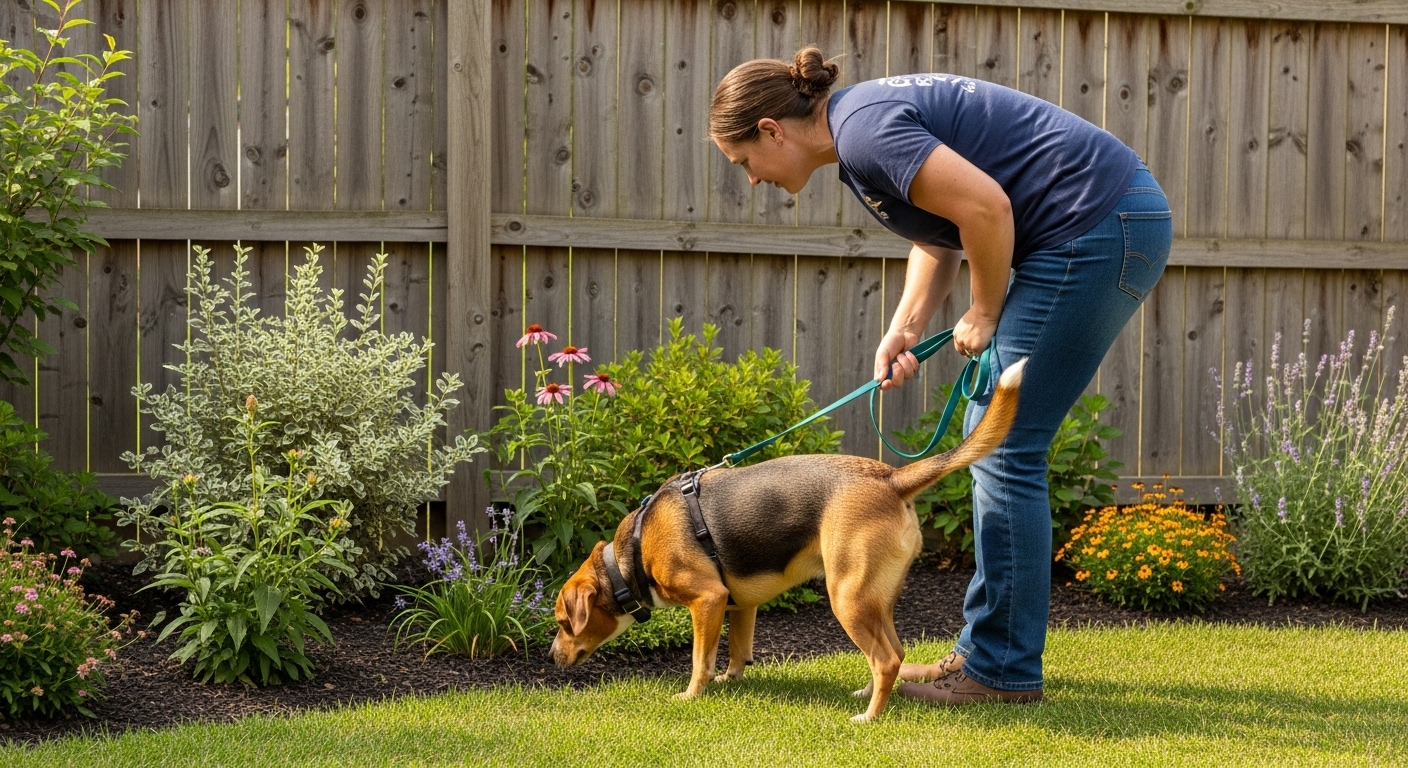
Several plants common in Bossier City landscaping are toxic to dogs. Walk your yard before you let your dog loose. Bag any clippings, dig out the roots, and check the fence line where neighbors’ plants may hang over.
Toxic Plants Common in Bossier Parish
Sago palm and azalea show up in half the yards across North Louisiana. Both are dangerous. Oleander is often used as a privacy hedge, and chinaberry has naturalized along fence lines and ditches across the parish.
If you think your dog ate one, photograph the plant and call ASPCA Animal Poison Control at (888) 426-4435. Then call your vet.
Safe Landscaping Alternatives
Bossier City sits in Zone 8a, so you have plenty of dog-friendly landscaping options that handle the heat.
- Pull out: sago palm, azalea, oleander, lantana, chinaberry, Japanese yew
- Plant instead: camellia, marigolds, sunflowers, rosemary, cast-iron plant
Rosemary doubles as a deterrent for digging in beds. Cast-iron plants survive shade under your patio where grass won’t grow. Build a safe yard for dogs first, then worry about curb appeal. If your dog spends a lot of time outdoors and comes back smelling like soil and rosemary every afternoon, ourdog grooming team can keep coats and paws clean between yard sessions.
Steps 4 Through 6: Controlling Hazards Inside the Fence
A fence keeps your dog in. These next three steps keep your dog safe once they are inside it. Work through them in order.
Step 4: Chemicals and Yard Hazards
Several common products sold at Bossier City hardware stores can poison your dog. Lock these up or swap them out:
- Cocoa mulch smells like chocolate and is toxic if eaten. Use pine or cedar instead.
- Iron-heavy fertilizers cause vomiting and organ damage.
- Metaldehyde snail bait can be fatal in small amounts.
- Fire ant granules are everywhere in Bossier Parish yards. Store in a sealed bin.
If you spray for mosquitoes, keep your dog off the grass for a full 24 hours of dry time. No exceptions. Yard routines like this reinforce the obedience work we do in ourboard and train programs, so the rules stay the same indoors and out.
Step 5: Build a Dedicated Dog Zone
Give your dog their own spot. A safe yard for dogs works better when the dog has a clear “go here” area.
Build a zone at least 10 feet by 20 feet. That is the minimum for a medium-size dog to stretch and turn. Include:
- A shade sail or covered corner for Louisiana heat
- A water station that stays full
- A chosen ground cover: pea gravel, mulch, or artificial turf
Place it away from the back fence line. Dogs that live on the fence bark at the fence.
Step 6: Eliminate Standing Water
Bossier City gets about 48 inches of rain a year, and the east side near the Red River corridor holds water longer. Mosquitoes breed in standing water within 72 hours. That raises heartworm risk fast.
To dog proof yard drainage:
- Grade the soil 1 inch per foot for the first 6 feet from the foundation
- Install a French drain in the lowest spot
- Build a dry creek bed with river rock to move runoff
- Dump buckets, kiddie pools, and saucers after every rain
Steps 7 and 8: Making the Yard Work With Your Dog's Behavior
A backyard fence for dogs only works if the gates work and the dog respects the line. This is where Bossier City yards usually fail. The fence is fine. The latch sticks, the hinge sags, or the dog learned to bolt past guests. If you travel and need a secure place for your dog while gate hardware or fence repairs are being done, ourdog boarding facility gives you a controlled environment so the yard project gets finished without escape risk.
Step 7: Gates, Latches, and Seasonal Checks
Bolters need a double-gate airlock. Two gates, a small holding zone between them. One closes before the other opens.
Back it up with hardware that does not fail:
- Self-closing hinges so the gate never sits open
- A spring latch plus a carabiner as a secondary latch
- Magnetic gate stops to keep wind from popping the latch
Walk the fence line every season. Louisiana humidity warps wood gates, swells panels in July, then shrinks them in January. Any gap over 4 inches is an escape point for a medium dog. Check the bottom of every panel for fresh dig spots, rotted pickets, and screws backing out of hinges. Summer heat cycles loosen everything.
Step 8: Training That Backs Up the Fence
A well-built yard holds a dog in. A well-trained dog respects the yard and the rules. You need both.
Recall, boundary work, and impulse control are what stop a gate-bolt during a thunderstorm or when a guest props the gate open with a cooler. No fence is tall enough to fix a dog that has never been taught to hold a line. That is the behavioral layer we add through our Board and Train andIn-Home Training programs at our Benton Road location in Bossier City.
Walk your yard this weekend with these 8 steps in hand. If you want help training your dog to actually respect the fence line, gates, and boundaries you built, call our Benton Road team at (318) 562-6536 or book a consultation through our Bossier City consultation page.
Frequently Asked Questions
How Much Does It Typically Cost to Dog Proof a Yard in Bossier?
Costs vary widely depending on yard size, fencing material, and how many hazards need to be addressed. A basic dig guard installation and gate latch upgrades might run a few hundred dollars, while full perimeter fencing with premium materials can reach several thousand. Getting quotes from local Bossier contractors alongside a consultation with All Dogs Unleashed Bossier City helps you prioritize where to spend first based on your specific dog’s behavior and escape habits.
Will a Dog Proof Yard Work for a Dog That Already Has Bad Outdoor Habits?
Physical barriers reduce opportunity, but they do not correct underlying behavior on their own. A dog that digs, jumps, or rushes gates will often find new ways around yard modifications if the behavioral root cause is not addressed. All Dogs Unleashed Bossier City recommends pairing yard improvements with structured training so your dog understands boundaries rather than simply being contained by them.
How Long Does It Take for New Sod or Ground Cover to Become Dog Safe After Installation?
Most sod varieties need two to three weeks of minimal foot traffic before they can handle regular dog use, though this timeline can stretch longer in Bossier’s summer heat. Grassless alternatives like decomposed granite or artificial turf are generally usable within a day or two once properly installed and settled. Always confirm with your installer whether any adhesives, sealants, or fertilizers applied during setup need a full cure period before pets are allowed access.
Can a Small Dog Escape a Yard That Is Properly Fenced for a Large Dog?
Yes, small dogs can slip through gaps, chain link openings, or under fence panels that would stop a larger breed entirely. A four foot fence that contains a Labrador may mean nothing to a Chihuahua or a Dachshund. When dog proofing for smaller breeds, focus on gap width at the base, fence post spacing, and any decorative cutouts in wood or metal panels that a small dog could squeeze through.
Is It Safe to Use Mosquito or Pest Spray Treatments in a Yard Where Dogs Play?
Many common mosquito barrier sprays and lawn pest treatments contain permethrin or organophosphates that are toxic to dogs, especially if the dog walks through treated grass and then licks its paws. Always check the label for pet safety warnings and keep dogs off treated areas for the full drying or reentry period listed by the manufacturer. In Bossier’s pest season, scheduling treatments when dogs will be indoors for several hours is a practical way to reduce exposure risk.
What Should I Do If My Dog Eats Something in the Yard and I Am Not Sure What It Was?
Contact your veterinarian or the ASPCA Animal Poison Control Center at (888) 426-4435 immediately, even if your dog shows no symptoms yet. Some plant toxins and chemical ingestions have delayed onset, so waiting to see whether symptoms appear is not a safe approach. Try to note any plant material, packaging, or substance your dog may have accessed so the vet can give targeted guidance rather than treating blindly.
How Often Should I Re-Inspect a Dog Proof Yard After the Initial Setup?
A full inspection at least once per season is a reasonable baseline, but Bossier’s summer storms and freeze-thaw cycles in winter can shift fence posts, erode soil near dig guards, and damage gate hardware faster than in milder climates. Walk the perimeter after any major storm and check latches, hinge screws, and ground contact points for rust or movement. All Dogs Unleashed Bossier City suggests tying seasonal checks to your dog’s annual vet visit so neither task gets overlooked.
Ready to Get Started with All Dogs Unleashed Bossier City?
Call (318) 562-6536 to speak with our team directly. Reach out today and let’s talk about how we can help.