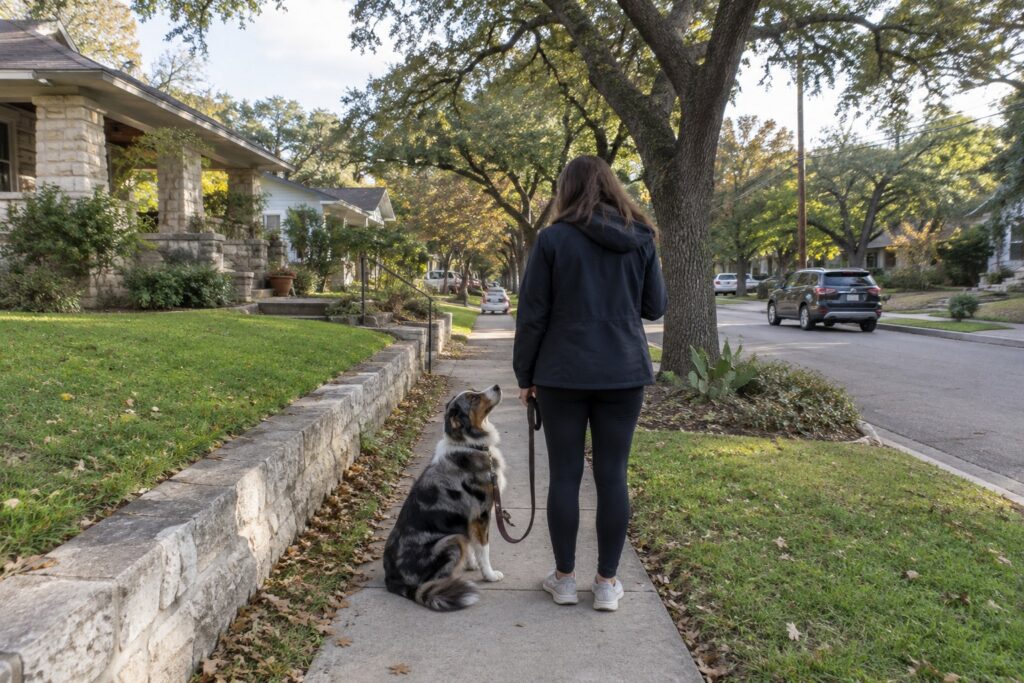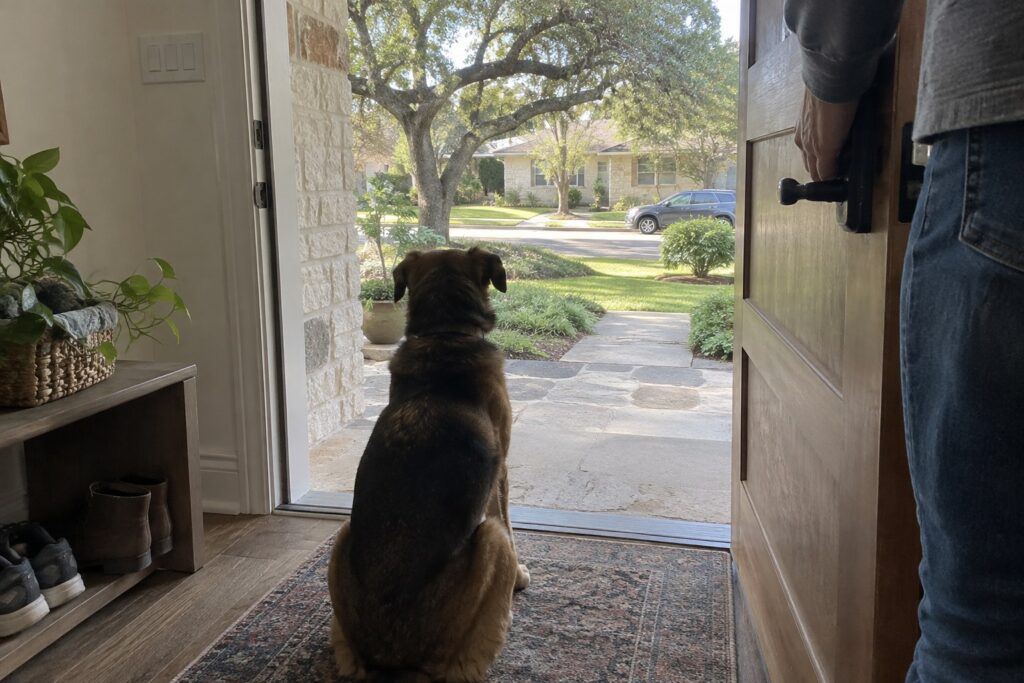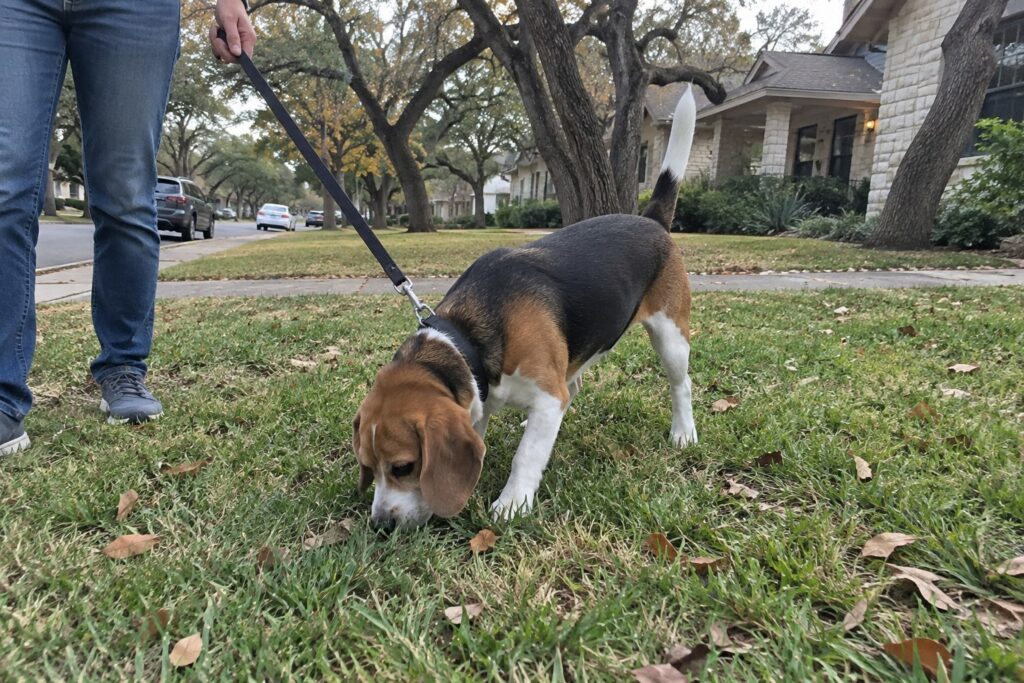

If your dog barks, lunges, or pulls intensely at other dogs or people during walks, you are not alone. Leash reactivity is one of the most common behavioral challenges among city dogs, and Austin is no exception. From the packed trails along Lady Bird Lake to the busy sidewalks on South Lamar Boulevard and Congress Ave, Austin dogs face constant stimulation that can push a reactive dog past its threshold quickly.
Understanding why leash reactivity happens and what to do about it is the first step toward calmer, more enjoyable walks for both you and your dog. Leash reactivity dog training in Austin TX is a specialty at All Dogs Unleashed, where trainers work with reactive dogs every day using science-backed methods.
What Is Leash Reactivity?
Leash reactivity refers to a dog’s heightened and often explosive response to specific triggers while on leash. Common triggers include:
- Other dogs, especially those approaching head-on
- Unfamiliar people, particularly those moving quickly or unpredictably
- Cyclists and skateboarders
- Loud vehicles or construction noise
- Small animals like squirrels or cats
The behavior typically looks like barking, growling, lunging, spinning, or hard pulling toward (or away from) the trigger. It can be alarming and embarrassing, and many dog owners assume their dog is aggressive. In most cases, however, leash reactivity is rooted in anxiety or frustration rather than true aggression.
Why Leash Reactivity Is So Common in Urban Dogs
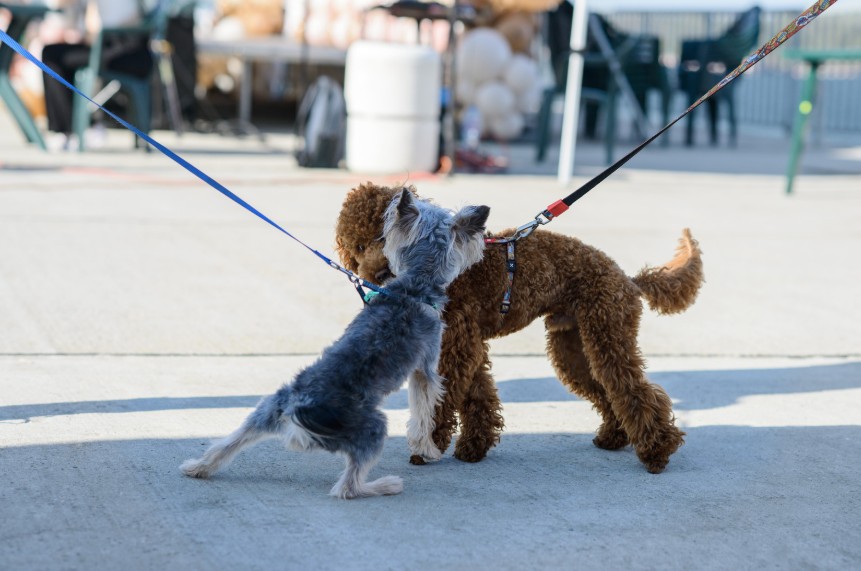
Dogs in cities like Austin experience a level of environmental stimulation that rural or suburban dogs simply do not encounter as frequently. The combination of tight spaces, unpredictable pedestrian traffic, and frequent close encounters with strangers and other dogs creates conditions where reactive behavior can develop or worsen over time.
Several factors contribute to leash reactivity in urban dogs:
- Barrier frustration: Dogs that are highly social may become frustrated that the leash prevents them from greeting or engaging freely. This frustration can escalate into reactive behavior.
- Fear and overexposure: Dogs that were not adequately socialized or that had a negative experience on leash may develop fear-based reactivity when they encounter familiar triggers.
- Leash tension: When an owner tenses up in anticipation of a trigger, that tension travels down the leash and signals to the dog that something threatening is approaching, which increases arousal.
- Reinforced patterns: Every time a reactive dog successfully drives away a trigger by barking and lunging, the behavior is reinforced. Over time, reactivity becomes the default response.
For dogs living in areas near the Lady Bird Lake trail or walking through neighborhoods off South Lamar Boulevard, daily exposure to bikes, joggers, dogs, and foot traffic means reactive episodes can occur multiple times per walk.
What Leash Reactivity Is Not
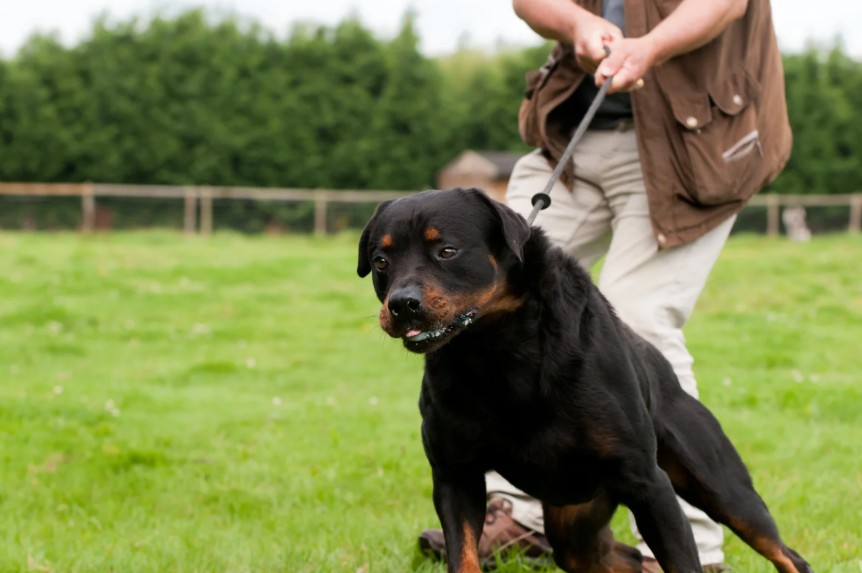
It is important to separate leash reactivity from aggression. While reactive behavior can look dangerous, most reactive dogs are not trying to attack. They are expressing stress, frustration, or fear through the only tool available to them. That distinction matters because the training approach for reactivity is fundamentally different from approaches used for dogs with genuine predatory or territorial aggression.
A qualified trainer can assess your dog’s behavior in context and help you understand what is driving it. This assessment is the foundation of any effective intervention.
How Leash Reactivity Is Addressed in Training
Effective leash reactivity training uses a combination of desensitization and counter-conditioning to help dogs build new emotional associations with their triggers. Rather than punishing the reaction after it occurs, which tends to increase anxiety and make the problem worse, skilled trainers work below the dog’s threshold to build calm, positive responses before the dog reaches a reactive state.
Core components of a leash reactivity program typically include:
- Threshold management: Teaching owners to identify and respect the dog’s trigger threshold, creating enough distance from triggers to allow the dog to think and respond calmly
- Look at That (LAT): A protocol that teaches dogs to notice triggers and look back at their handler for reinforcement, building a new association with the trigger
- Loose leash mechanics: Working on the physical skills of walking on a loose leash, which reduces tension and arousal during encounters
- Handler confidence: Coaching owners to stay calm and decisive, reducing the anxiety that transfers through the leash
Consistency is critical. Progress in leash reactivity training depends on how regularly and accurately the dog’s owner applies the techniques during everyday walks.
Training Programs at All Dogs Unleashed Austin
All Dogs Unleashed offers training programs in Austin TX specifically designed for reactive dogs. Whether your dog is mildly reactive on certain triggers or has been reactive for years, the team at All Dogs Unleashed can design a structured plan to help.
For dogs that need intensive support, board and train programs allow skilled trainers to work with the dog daily in controlled environments before transitioning the skills back to the owner. For owners who want hands-on coaching in their own home and neighborhood, in-home dog training in Austin brings the training directly to your environment, which is often the most effective setting for addressing leash reactivity since triggers are already present.
Managing Reactivity While Training Continues
Training takes time, and progress is rarely linear. In the meantime, there are practical steps Austin dog owners can take to reduce the frequency and intensity of reactive episodes:
- Walk during lower-traffic times, such as early mornings or late evenings, when the Lady Bird Lake trail and Congress Ave sidewalks are less crowded
- Use a management tool your trainer recommends, such as a front-clip harness, to reduce pulling without increasing arousal
- Cross to the other side of the street proactively when you see a trigger in the distance
- Avoid on-leash greetings with other dogs until your dog’s reactivity has improved significantly
- Practice focus exercises in low-distraction environments first, then gradually increase the level of distraction
These strategies are not replacements for training, but they help protect your dog’s progress and reduce stress for both of you while the training work unfolds.
Frequently Asked Questions
Is leash reactivity the same as aggression?
Not necessarily. Most leash-reactive dogs are reacting out of frustration or anxiety rather than true aggression. They may be completely relaxed off leash or at home, and their reactive behavior only surfaces when they are constrained by a leash near specific triggers. A professional evaluation can clarify what is driving your dog’s behavior and guide the appropriate training approach.
Can leash reactivity be completely eliminated?
In many cases, significant improvement or full resolution is possible, especially when training begins before the behavior becomes deeply ingrained. Some dogs with long-standing reactivity may always require proactive management, but consistent training can dramatically reduce the frequency and intensity of reactive episodes and make daily walks much more manageable.
How long does leash reactivity training take?
The timeline depends on the severity of the reactivity, the dog’s history, and how consistently the owner applies the training. Mild cases can show meaningful improvement within 4-8 weeks. More persistent or severe cases may take several months of consistent work. Early intervention generally produces faster and more durable results.
What if my dog has been reactive for years?
Long-standing reactivity is more challenging to address than newly developed reactivity, but improvement is still achievable. Dogs with years of practice at reactive behavior have deeply entrenched neural pathways, but those pathways can be changed with patient, consistent counter-conditioning work. Progress may be slower, but it is realistic to expect meaningful change with the right support.
Should I use a prong collar or e-collar to stop leash reactivity?
Punishment-based tools can suppress the outward signs of reactivity without addressing the underlying emotional state, and in some cases they make the underlying anxiety worse by adding a painful or startling experience to an already stressful trigger encounter. Evidence-based trainers generally recommend desensitization and counter-conditioning over suppression tools for reactive dogs.
Can puppies develop leash reactivity?
Yes, and early signs of reactivity in puppies should be addressed promptly rather than dismissed as a phase. Puppies that show anxiety or frustration on leash near other dogs or people can develop full reactivity if the behavior is not addressed. Early intervention is significantly easier than working with an adult dog that has been reacting for years.
Start Walking Calmly in Austin with Support from All Dogs Unleashed
Leash reactivity does not have to define every walk. With the right training approach, most reactive dogs can learn to move through Austin neighborhoods, trails, and busy streets with far less stress. All Dogs Unleashed in Austin provides structured, compassionate training for reactive dogs and the people who love them.
Call (512) 253-8819 or stop by at 3704 Mountain View Ave, Austin, TX 78734 to talk with the team about your dog’s specific challenges and get started with a training plan designed to make real, lasting change.