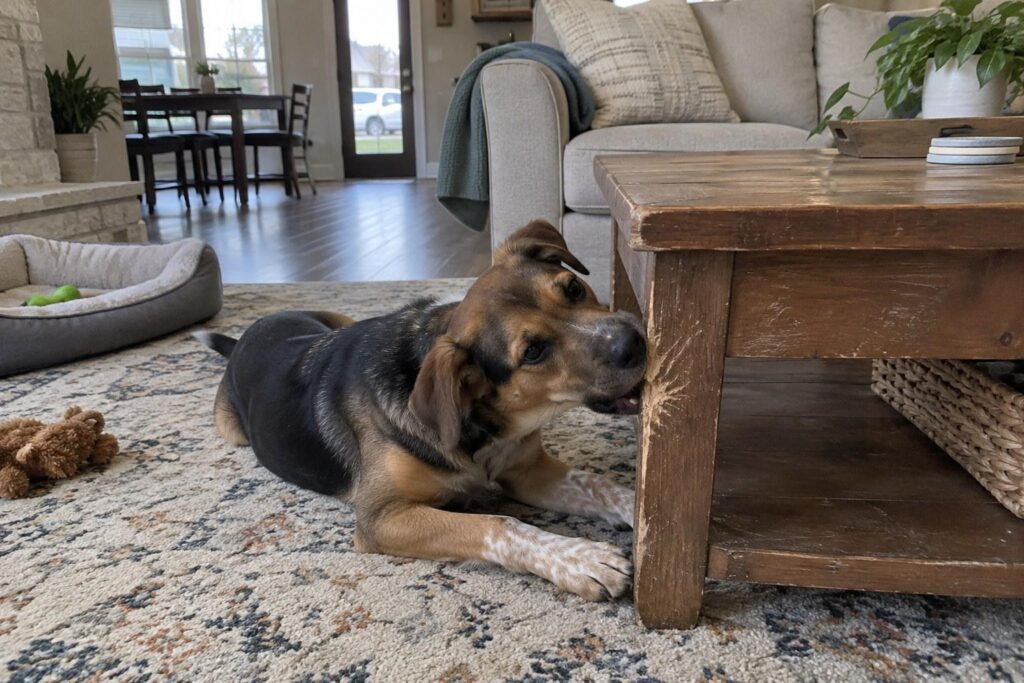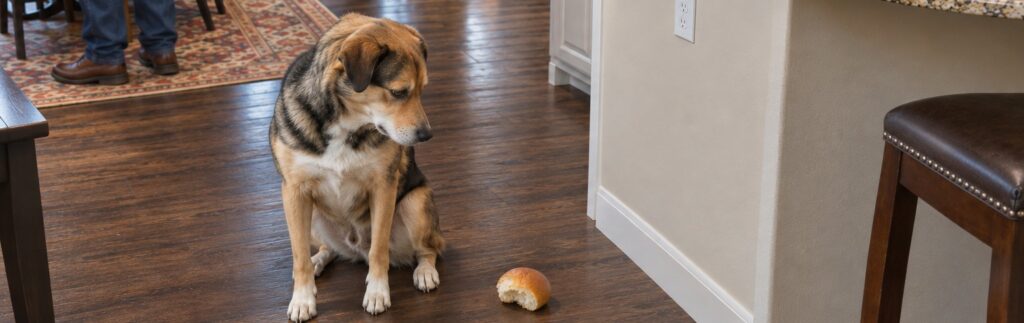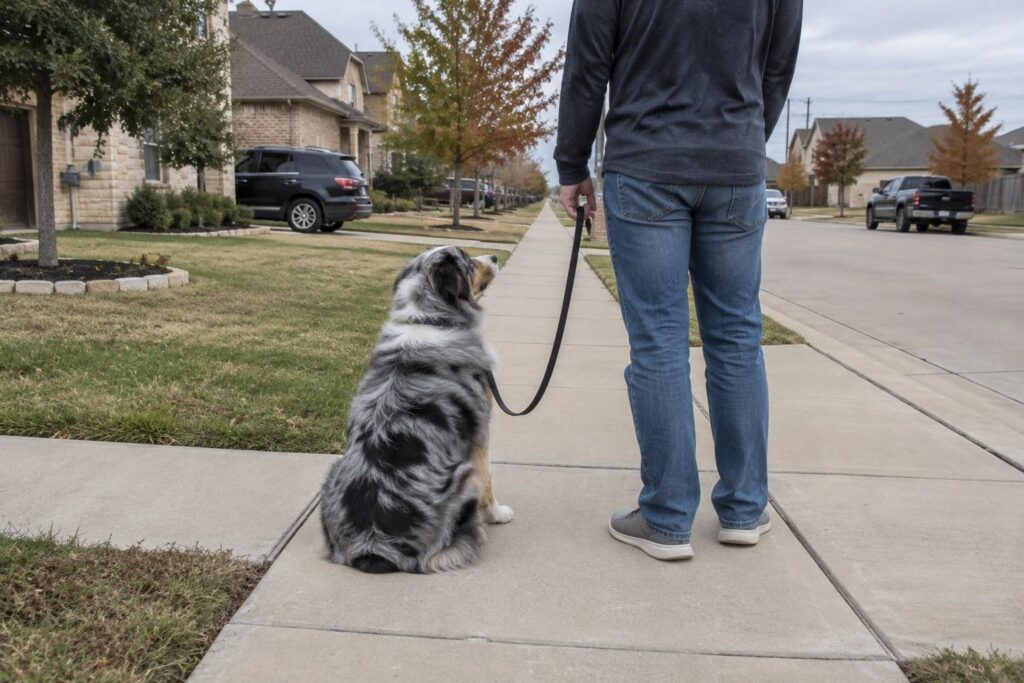

Good poodle training starts with one honest fact. Your Poodle is probably smarter than most dogs you have owned, and that brain needs a job. Standard, Miniature, and Toy Poodles learn quickly, but they also learn the wrong lessons quickly when nobody is guiding them.
At All Dogs Unleashed OKC, we work with Poodles of every size, from bouncy Standards in Edmond backyards to Toys that rule the couch in downtown apartments. Below, we break down how Poodles think, where owners usually get stuck, and the routines that turn a clever, sensitive dog into a calm and reliable companion.
Not sure where to start with your Poodle? Tell us about your dog and we will help you pick the right path.
Key Takeaways
- Poodles come in three sizes, but Standard, Miniature, and Toy Poodles share the same quick, people-focused mind and need the same clear structure.
- Boredom is the root of many Poodle problems, so daily mental work like short training games and puzzle feeders matters as much as walks.
- Poodles are sensitive to tone and timing, so calm, consistent handling and plenty of reward work better than harsh corrections.
- Small Poodles need the same manners as big dogs, and skipping basics like “sit,” “place,” and a reliable recall is a common mistake with Toys and Minis.
- A structured program such as two-week Board & Train can give a Poodle a strong foundation, followed by a handoff session so you can keep the habits going at home.
Understanding the Poodle Mind
Before you teach a single command, it helps to understand the dog in front of you. Poodles were not bred to be decorations. According to the American Kennel Club, the breed developed in Germany as a water retriever, a working dog expected to watch its handler, take direction, and solve problems in the field.
That history still shows up in your living room. A Poodle watches you closely, reads your body language, and connects cause and effect fast. That is a gift when you are teaching new skills and a challenge when you accidentally reward a habit you do not want.
One Breed, Three Sizes
The AKC recognizes Standard, Miniature, and Toy Poodles as varieties of one breed held to the same standard. The difference is height. Standards stand over 15 inches at the shoulder, Miniatures are over 10 and up to 15 inches, and Toys are 10 inches or under. Their personalities overlap more than most owners expect.
| Variety | Size (AKC) | Common Training Focus |
|---|---|---|
| Standard Poodle | Over 15 inches at the shoulder | Leash manners, jumping, impulse control, and channeling high energy |
| Miniature Poodle | Over 10 to 15 inches | Barking, door manners, recall, and steady confidence around new people |
| Toy Poodle | 10 inches or under | House training, handling, being carried less, and confidence on the ground |
Why Smart Dogs Can Be Harder to Live With
Intelligence cuts both ways. A Poodle that learns “sit” in a day can also learn in a day that barking at the treat jar gets results. Poodles notice patterns, so if you give in once, they remember it and try again.
They also get bored with repetition. Ten identical drills in a row can make a Poodle check out, sniff the floor, or start inventing its own game. Short, varied sessions keep that brain engaged and keep you in charge of the lesson.
Sensitivity Is a Feature, Not a Flaw
Many Poodles are emotionally tuned in to their people. They pick up on frustration in your voice and can shut down if training feels tense or unpredictable. This does not mean Poodles need to be babied. It means they do best with a calm, clear handler who sets rules and follows through without drama.
Common Behavior Problems We See in Poodles
Most Poodle owners who call us are not dealing with a bad dog. They are dealing with a smart dog that has filled empty time with its own ideas. These are the patterns we see most often.
Barking and Alert Behavior
Poodles notice everything, from a delivery truck to a leaf blowing across the driveway. Without guidance, that awareness turns into nonstop alert barking. The fix is not to shut down your dog’s attention but to teach a clear “quiet” cue, reward calm behavior at the window, and give your dog a better job, such as going to a “place” bed when the doorbell rings.
Jumping and Overexcitement
Standard Poodles are athletic and can clear a kitchen counter with ease. Minis and Toys jump too, and owners often let it slide because a small dog is easy to brush off. Consistency matters here. If jumping sometimes earns attention, your Poodle will keep testing it. Teach a solid “sit” for greetings and ask every guest to follow the same rule.
Clinginess and Trouble Being Alone
Because Poodles bond so closely with their people, some struggle when left alone. You may see pacing, whining, or destruction near the door. Building independence early with crate time, short departures, and calm returns makes a big difference. If the signs look more serious, read our breakdown of the signs of separation anxiety in Oklahoma City dogs and talk with your veterinarian to rule out medical causes.
Small Dog Habits in Toys and Minis
Toy and Miniature Poodles often get carried, lifted onto furniture, and excused for behavior a large dog would never get away with. Over time, that can create a dog that grumbles when moved, refuses to walk on a leash, or snaps when handled. Treat your small Poodle like a real dog with real rules, and you will usually see a more confident, relaxed companion.
| Problem | Common Cause | What Usually Helps |
|---|---|---|
| Alert barking | Boredom and no clear job | A “quiet” cue, a “place” routine, and more mental work |
| Jumping on guests | Inconsistent rewards for jumping | A greeting “sit” that everyone in the house enforces |
| Distress when alone | Too little practice with independence | Gradual alone time, crate comfort, and calm exits |
| Grumbling when handled | Being carried and excused instead of trained | Handling practice paired with rewards and clear rules |
If several of these sound familiar, our guide to common dog behavior problems Oklahoma City owners can fix fast walks through more practical fixes you can start this week.
Building a Training Plan That Fits Your Poodle
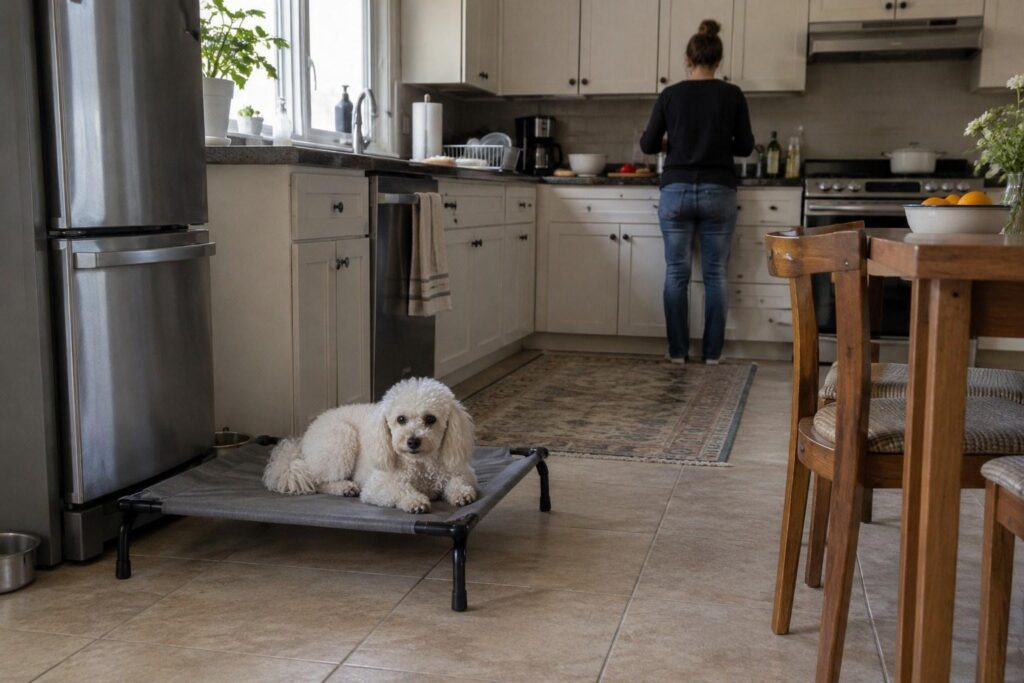
A good plan for a Poodle is less about long drills and more about frequent, focused practice. Think three to five short sessions a day instead of one long one. Each session should end while your dog still wants more.
Start With Core Obedience
Every Poodle, from a 5-pound Toy to a 60-pound Standard, benefits from the same core skills. Focus on “sit,” “down,” “place,” “come,” “leave it,” and walking on a loose leash. These commands give you a way to manage everyday life, from guests at the door to dropped food in the kitchen. Our post on building a well-behaved dog with obedience training in OKC covers the foundations in more detail.
Use Rewards Your Poodle Actually Cares About
Some Poodles work hard for food. Others care more about a quick game of tug or a burst of praise. Watch what makes your dog light up and use it. Rotate rewards so your Poodle stays curious about what comes next, and fade treats gradually once a behavior is reliable.
Keep Your Tone Calm and Your Rules Clear
Poodles respond best to a handler who is predictable. Use the same word for the same behavior every time, and make sure everyone at home does the same. If one person says “off” and another says “down” for jumping, your clever dog will notice the mixed message and pick whichever answer suits it.
Practice in Real Places
A Poodle that listens perfectly in your kitchen may forget everything on a busy sidewalk. Once a skill is solid at home, practice it in the yard, then on neighborhood walks, then in busier spots. Add distraction slowly so your dog keeps succeeding.
Want a head start on these skills? Our Board & Train program builds daily structure and obedience in a fixed two-week format.
Mental Work That Prevents Boredom
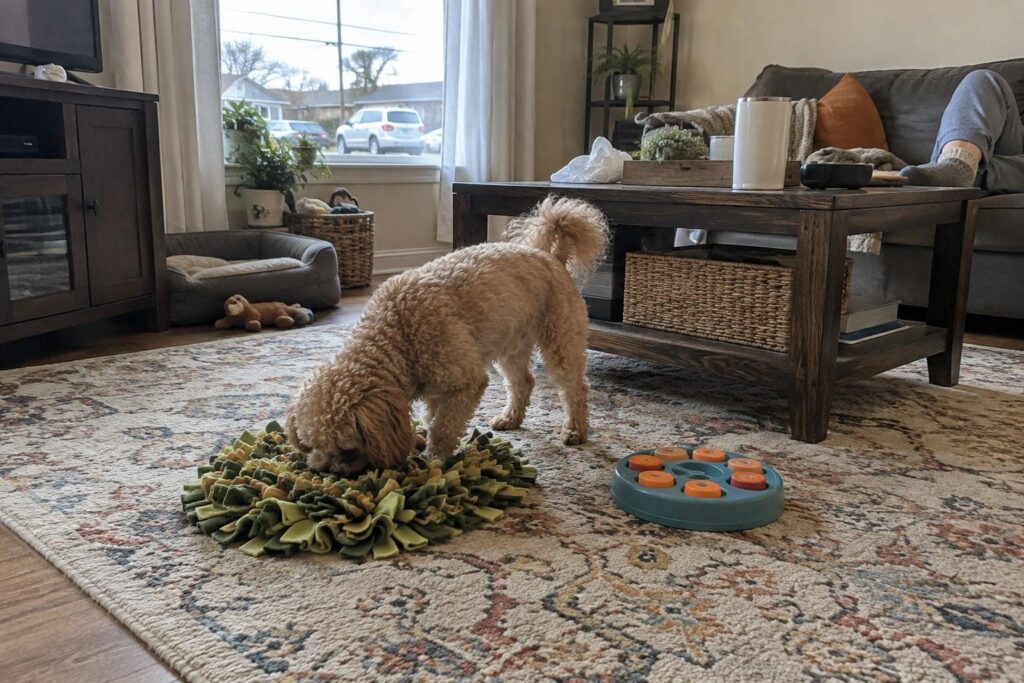
For a Poodle, a tired brain often matters more than tired legs. A long walk helps, but a dog that walked three miles and still has nothing to think about can come home ready to cause trouble. Mental work fills that gap.
Easy Daily Brain Games
You do not need fancy equipment to keep a Poodle sharp. A few minutes of focused activity, done a few times a day, goes a long way.
- Feed some meals from a puzzle toy or a snuffle mat instead of a bowl.
- Hide treats around a room and send your dog to “find it.”
- Teach a new trick each week, such as “spin,” “touch,” or “back up.”
- Practice “stay” with growing distance and distraction.
- Run short obedience circuits during walks, mixing “sit,” “down,” and “heel.”
Structured Downtime Matters Too
Smart dogs also need to learn how to switch off. Teaching your Poodle to settle on a “place” bed while you cook or work builds calm as a skill, not just an accident. Pair settle time with a chew or a stuffed food toy so quiet time feels rewarding.
Matching Exercise to Size and Season
A Standard Poodle usually needs more physical exercise than a Toy, but every size benefits from daily activity. Oklahoma summers get hot, so plan longer outings for cooler morning and evening hours, carry water, and check pavement with your hand before a walk. On hot or stormy days, shift more of your routine indoors with training games and puzzle feeding.
Poodle Puppies Versus Adult Poodles
The approach changes a bit depending on your dog’s age and history. Here is how we think about it.
Starting a Poodle Puppy
Puppies soak up information fast, which makes the first months a great time to shape good habits. Focus on house training, crate comfort, gentle handling, and positive exposure to new people, sounds, and surfaces. Keep sessions short and fun. Our week-by-week puppy training schedule lays out what to focus on as your puppy grows.
Training an Adult or Rehomed Poodle
Adult Poodles can absolutely learn new habits. The main difference is that you may be replacing old patterns instead of building from scratch. Expect some testing at first, stay consistent, and celebrate small wins. Rehomed Poodles may also need extra time to trust a new routine, so patience and predictability matter a lot.
Senior Poodles
Poodles often live long lives, and older dogs still enjoy learning. Adjust for joints and energy, keep sessions short, and lean on low-impact brain games. If you see sudden behavior changes in an older dog, schedule a visit with your veterinarian before assuming it is a training issue.
How Professional Poodle Training Helps Your Dog Succeed
Many owners can teach the basics at home. Professional help makes sense when problems are stuck, when your schedule is packed, or when you want a stronger foundation faster than you can build alone. At All Dogs Unleashed OKC, we offer two main paths.
Board & Train for a Strong Foundation
Our Board & Train program in Oklahoma City is a fixed two-week program. Your Poodle stays with us and trains every day, which suits a breed that thrives on structure and frequent practice. Each enrollment begins with an evaluation, and the program ends with a turnover session where we teach you how to handle your dog and keep the results going. You also get written instructions, and Board & Train includes guaranteed results and lifetime support at no additional charge.
In-Home Lessons for Hands-On Owners
If you would rather learn alongside your dog, in-home dog training in Oklahoma City lets a trainer work with you and your Poodle in the place your habits actually happen. This is a great fit for door manners, barking at windows, and household routines.
| Option | How It Works | Good Fit For |
|---|---|---|
| Board & Train | Fixed two-week program with daily training at our facility, then a turnover session | Busy owners, stubborn habits, and Poodles that need a fresh start with structure |
| In-Home Lessons | A trainer coaches you and your dog at home | Owners who want to learn hands-on and fix home-based problems |
Still deciding? Our article on choosing between Board and Train and in-home dog training compares the two side by side. After training, the tips in keeping your dog’s training sharp between sessions will help your Poodle hold on to every new skill.
Have questions about which option suits your Poodle? Call us at (405) 299-3386 and we will talk it through.
About All Dogs Unleashed OKC
All Dogs Unleashed OKC helps Oklahoma City families raise calm, confident, well-mannered dogs, including smart and sensitive breeds like Standard, Miniature, and Toy Poodles. Our two-week Board & Train program gives dogs daily structure and ends with a hands-on turnover session for owners, while in-home lessons help you fix problems right where they happen. Based on Park Avenue in downtown Oklahoma City, we build practical plans that fit your dog and your household.
Frequently Asked Questions
Are Poodles easy to train?
Poodles are among the quickest learners of any breed, which makes basic obedience come together fast. The catch is that they learn bad habits just as quickly and get bored with repetitive drills. Short, varied sessions, clear rules, and consistent rewards usually produce the best results. Most training struggles with Poodles come from inconsistency at home, not from the dog lacking ability.
At what age should I start training my Poodle puppy?
You can start gentle training the day your puppy comes home. Early lessons should focus on house training, crate comfort, name recognition, handling, and simple cues like “sit.” Keep sessions to a few minutes and make them fun. Talk with your veterinarian about vaccine timing before visiting busy public places, and build up new experiences gradually as your puppy grows.
Why does my Poodle bark so much?
Poodles are alert and notice small changes around the house, so barking often starts as a warning and turns into a habit. Boredom and accidental rewards, like looking at or talking to your dog when it barks, make it worse. Teaching a “quiet” cue, rewarding calm behavior, adding daily mental work, and giving your dog a “place” routine usually helps a lot.
Do Toy Poodles need the same training as Standard Poodles?
Yes. Toy, Miniature, and Standard Poodles share the same intelligence and sensitivity, so all three need clear rules and core obedience. Small dogs often get away with jumping, barking, or grumbling because they are easy to pick up, but that can create a nervous or pushy dog. Train your Toy Poodle with the same expectations you would give a larger dog.
How much mental exercise does a Poodle need each day?
Every Poodle is different, but most do well with several short bursts of mental work spread through the day. A few five-minute training sessions, a puzzle feeder at mealtime, and a quick scent game can make a big difference. If your Poodle is restless, destructive, or barking more than usual, adding more brain work is often a good first step.
Is Board and Train a good option for a sensitive Poodle?
For many Poodles, yes. A sensitive dog often thrives with the predictable daily structure of a two-week Board & Train program. Each enrollment starts with an evaluation so trainers understand your dog, and the program ends with a turnover session where you learn to handle your Poodle at home. Board & Train also includes guaranteed results and lifetime support.
With the right mix of structure, mental work, and calm handling, poodle training turns a clever, sensitive dog into a companion you can take almost anywhere. If you want expert help, call All Dogs Unleashed OKC at (405) 299-3386 or reach out online. Our team works from our Park Avenue location in downtown Oklahoma City and helps Poodle owners across the metro.
Ready to Get Started with All Dogs Unleashed OKC?
Whether your Poodle is a busy Standard or a bossy little Toy, we can build a plan that fits. Call (405) 299-3386 today to talk with our team about Board & Train or in-home lessons. You can also visit All Dogs Unleashed OKC at 101 Park Ave Suite 1300, Oklahoma City, OK 73102.