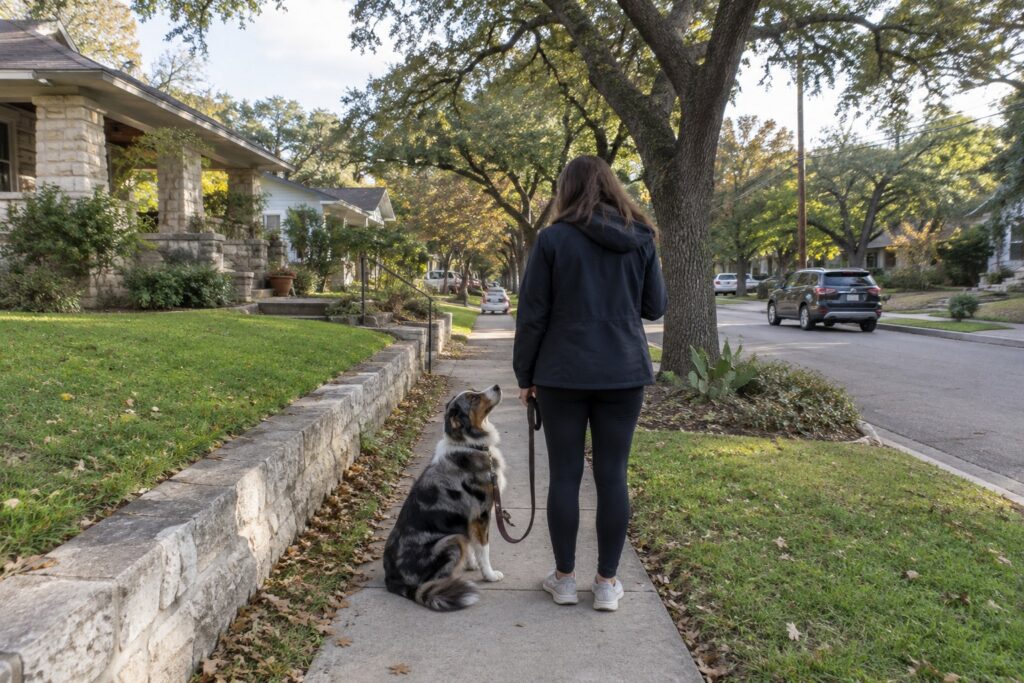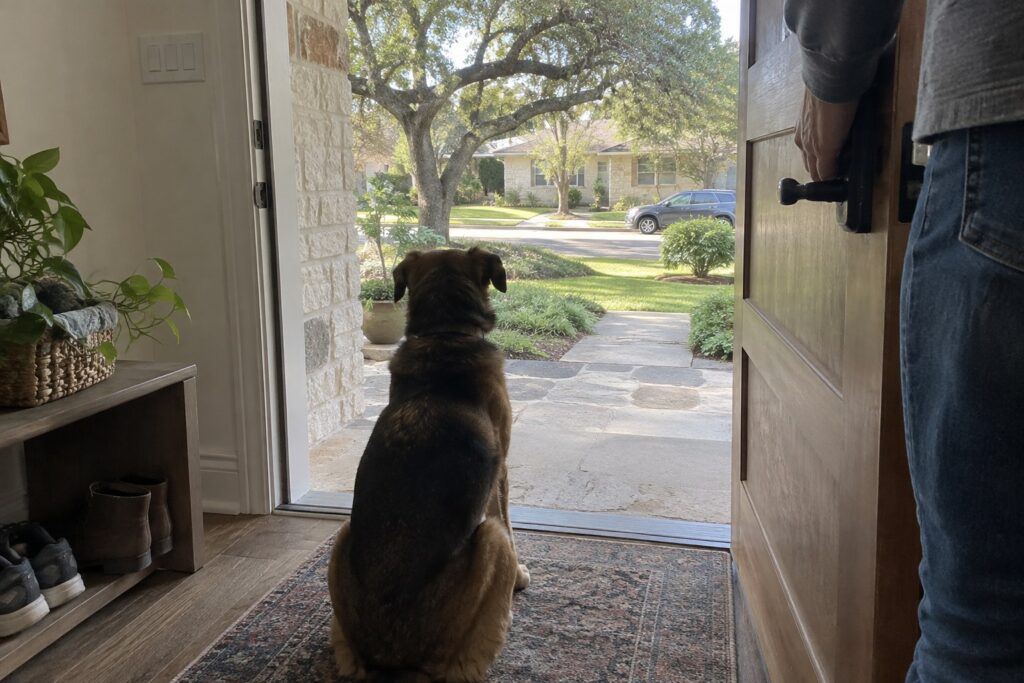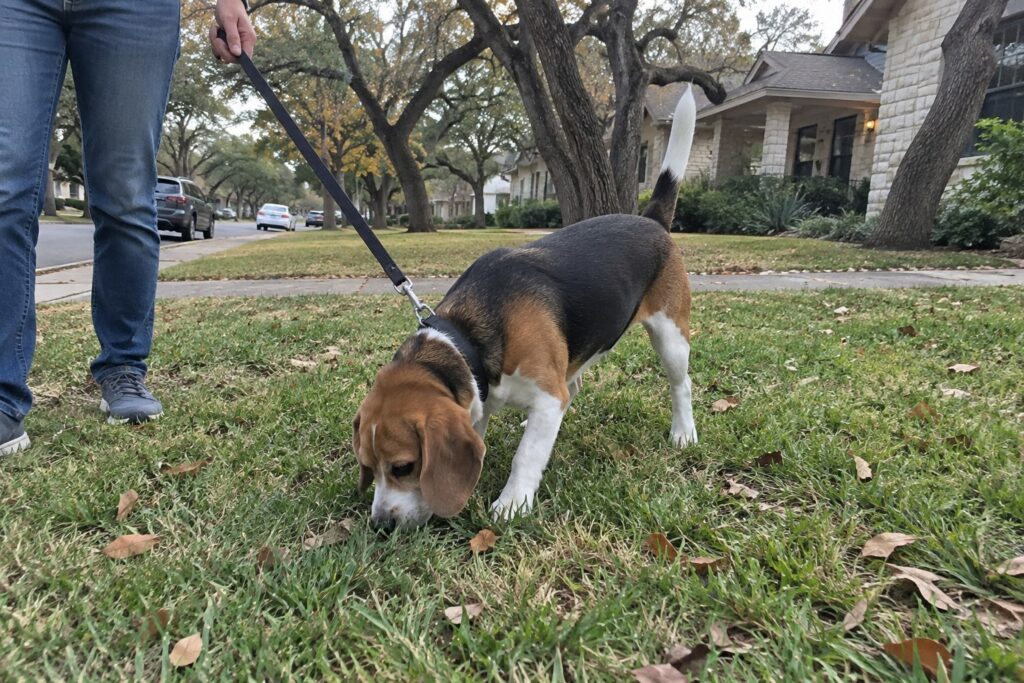

Dog behavior problems don't fix themselves, and Oklahoma City owners know that better than most. Between the summer heat keeping dogs cooped up indoors and big suburban backyards giving them plenty of room to practice bad habits, problem behaviors can get out of hand fast. At All Dogs Unleashed Dog Training OKC, our team assesses what's really driving your dog's behavior and uses proven, humane, relationship-based training methods to get you real results. From separation anxiety to aggression, we can help.
Tell us exactly what your dog is doing and get a straight answer on how to fix it.
Get a Free Behavior Assessment
Key Takeaways
- Common dog behavior problems like barking, digging, and leash pulling are fixable with the right training approach.
- Oklahoma City's hot summers limit outdoor exercise, which often makes frustration-based behaviors worse.
- Identifying the root cause of your dog's behavior comes before choosing a training method.
- Most behavior problems respond well to consistent, humane training, and many owners see real results quickly.
The 6 Most Common Behavior Problems We See in OKC
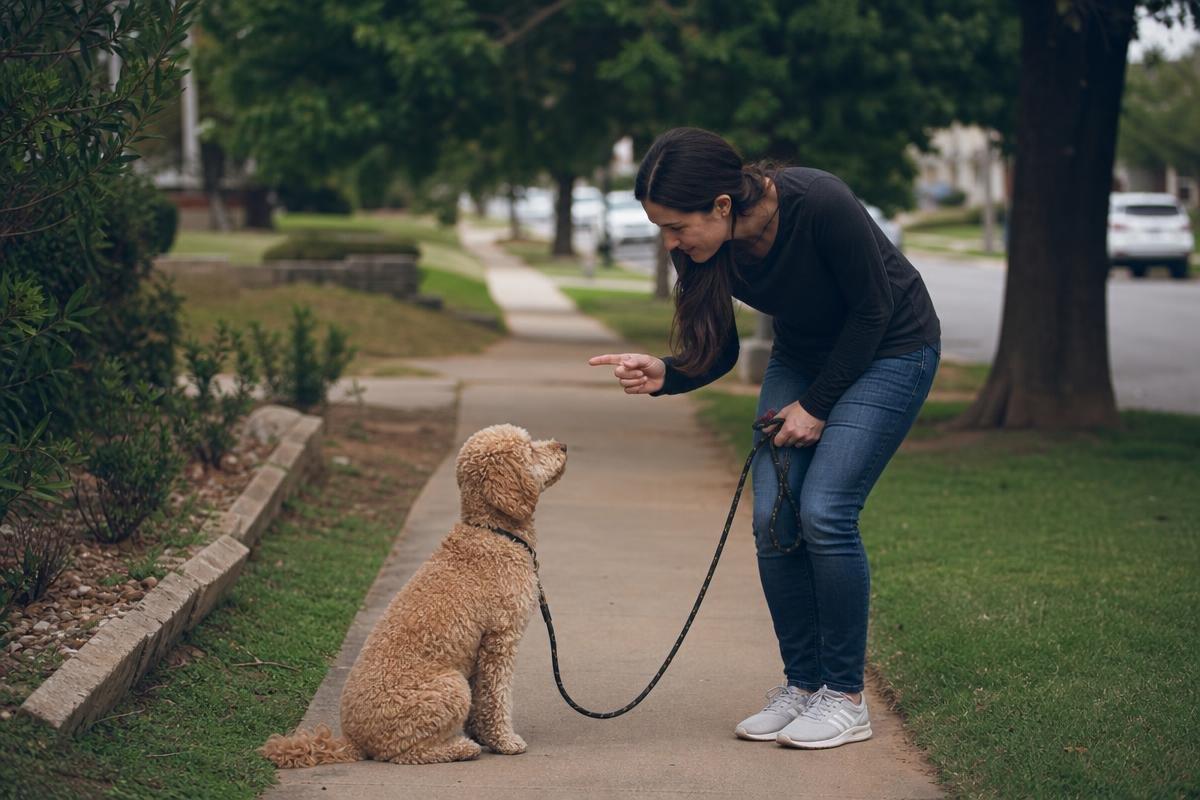
Your dog is dragging you down the sidewalk near Mesta Park, barking at every neighbor who walks by, or chewing through your furniture the moment you leave the house. Sound familiar? These are some of the most common issues we work through with dogs across the OKC area every single day.
Here's the encouraging part: these problems are fixable. Here's a breakdown of 6 common behavior problems, what causes them, and what actually works to stop them. The certified dog trainers in Oklahoma City at All Dogs Unleashed put this together based on what we see in real homes, with real dogs, using the same balanced training methods we apply across our board and train and in-home programs. Our OKC team has earned 297 Google reviews averaging 5.0 out of 5, and yours can be the next dog we help settle down.
What Causes Dog Behavior Problems in Oklahoma City?
Most dog behavior problems don't come out of nowhere. There's almost always a root cause, and our trainers see the same patterns repeat constantly. Understanding why your dog acts out is the first step toward fixing it.
Boredom and Under-Stimulation in OKC's Suburban Neighborhoods
A big backyard sounds like a dream setup for a dog. But space alone doesn't equal stimulation. In suburban areas like Edmond, Yukon, and Moore, many dogs spend long hours alone while owners commute. That idle time adds up fast.
Dogs are problem-solvers by nature. When they don't have a job to do, they invent one. That's where problems like digging, barking, and destructive chewing come from. High-energy breeds are especially vulnerable to this cycle. A tired dog is a well-behaved dog. A bored dog is a different story entirely.
How Oklahoma's Hot Summers Make Behavior Problems Worse
Oklahoma's extreme summer heat limits outdoor exercise, which causes pent-up energy to surface as barking, reactivity, and destructive behavior indoors. Temperatures regularly climb past 100°F from June through August, and pavement gets hot enough to burn paw pads, cutting your dog's usable outdoor window down to early morning and late evening.
When dogs can't burn physical energy outside, that energy doesn't disappear. It builds. You'll often see it show up as excessive barking, leash reactivity, or restless destructive behavior indoors. Problems that seem random in summer usually trace back to this exact issue. Less movement means more frustration, and frustrated dogs act out.
Problem 1: Separation Anxiety
Separation anxiety is one of the most common behavior problems we see from owners across the OKC area. With long commutes leaving dogs alone for eight or more hours a day, it is no surprise so many dogs struggle. With the right approach, this is very fixable.
Signs Your Dog Has Separation Anxiety
First, know what you are actually dealing with. A bored dog chews a shoe. A dog with separation anxiety tends to fall apart the moment you walk out the door.
Watch for these signs:
- Destructive chewing near doors or windows
- Excessive barking or howling when left alone
- House soiling even though your dog is fully house-trained
- Pacing, drooling, or whining before you even leave
If your dog shows two or more of these, separation anxiety is likely the cause, not stubbornness or spite.
How to Treat Separation Anxiety Step by Step
The goal is simple. Teach your dog that your departure is not a crisis. Punishment makes anxiety worse. Gradual desensitization is what actually works.
Start with absences as short as 30 seconds. Build slowly over days and weeks. Keep your hellos and goodbyes calm and low-key. No big emotional send-offs. Your dog reads your energy, and a dramatic goodbye signals that something is wrong.
For severe cases, a structured board and train program can accelerate progress significantly. Your dog practices calm independence around the clock in a consistent environment, which speeds up results that might take months at home. Our trainers assess each dog individually before recommending the right path forward. Contact us to talk through what your dog needs.
Problem 2: Excessive Barking
Excessive barking is one of the most common complaints we hear from owners across the Edmond, Yukon, and Moore areas. It's embarrassing. It strains relationships with neighbors. And in walkable, close-set neighborhoods like Crown Heights and around the Lake Hefner trail, a barking dog can turn into a formal complaint fast. The reassuring part is that barking is fixable once you understand what's driving it.
Three Types of Barking (and Why the Difference Matters)
Not all barking looks the same, and treating them the same way won't work. Here's how to tell them apart:
- Alert barking: Your dog spots a squirrel, a jogger, or another dog through the window and sounds the alarm. This is the most common type. Some alert barkers escalate into full reactivity, which is a separate issue our team addresses directly.
- Demand barking: Your dog wants food, attention, or playtime and has learned that barking gets results. You may have accidentally rewarded this one.
- Anxiety barking: Tied closely to separation anxiety, covered in the previous section. This bark sounds more distressed and usually happens when your dog is alone.
For alert barkers, a simple management fix helps immediately. Block sight lines with window film or a baby gate to remove the trigger entirely.
How to Teach the 'Quiet' Command
The quiet command works, but timing is everything, and this is where most owners trip up. The single most common mistake is saying "quiet" while the dog is still barking. To your dog, that just sounds like you barking along, and it can actually reinforce the noise. You have to wait for the pause. Follow these steps:
- Wait for a natural pause in the barking. Do not say anything while your dog is mid-bark.
- Say "Quiet" once, calmly and clearly.
- The moment silence hits, mark it with a "yes" or a clicker and reward immediately. You're rewarding the quiet, not the bark.
One more thing worth noting. A tired dog barks less. But with Oklahoma summers regularly pushing past 100°F, long outdoor sessions aren't always realistic. Short, mentally stimulating indoor sessions can fill that gap. Contact our team if you want a plan that fits your dog's energy level and your schedule.
Problem 3: Leash Pulling and Jumping
Both leash pulling and jumping share the same root cause. Your dog has learned that those behaviors get results. Pulling moves the walk forward. Jumping gets attention. The harness or collar you use does not matter much if the underlying lesson has not changed. Leash pulling solutions start with teaching your dog that calm behavior is what actually works.
Oklahoma City's trail system near the Myriad Botanical Gardens is one of the best places to practice. Joggers, cyclists, and other dogs create real-world distractions that test your dog's focus in a way your backyard never will. Many dogs who go through our board and train program come home with dramatically improved leash manners, and owners notice the difference on their very first walk. Our trainers then teach you how to maintain that progress so it sticks.
The Stop-and-Wait Method for Leash Pulling
This method works because forward movement becomes the reward, not the starting point. Be consistent on every single walk.
- Stop the moment leash tension hits.
- Wait for your dog to release tension and look back at you.
- Mark that moment with a "yes" or a clicker.
- Move forward as the reward.
- Repeat without exception, every walk, every time.
Most owners see real improvement within two to three weeks of consistent practice.
Four-on-the-Floor: Stopping the Jumping Habit
Turn away and give zero attention the moment your dog jumps. No eye contact. No pushing down. The second all four paws hit the ground, reward with calm praise or a treat. Every person in your household has to follow the same rule. One family member who allows jumping will undo everyone else's work fast.
Problem 4: Destructive Chewing and Digging
Your dog is not chewing your furniture out of spite. Dogs do not think that way. Chewing and digging are normal dog behaviors that become problems when your furry friend has too much energy, too little stimulation, or too much anxiety. Both of these are very fixable.
Why Dogs Chew Destructively (and How to Redirect It)
Puppy teething is temporary. Adult destructive chewing is a different story. It usually means your dog is bored, anxious, or under-exercised. Scolding after the fact does not work. Your dog has no idea what the scolding is about if the chewing happened even ten minutes ago.
Redirection is the real fix. Give your dog an appropriate outlet, then reward them for using it. A few management strategies that work:
- Use a crate or baby gates to limit unsupervised access to rooms
- Keep Kongs, bully sticks, and puzzle feeders available and rotating
- Reward your dog immediately when they choose the right item to chew
- Increase daily exercise, especially during hot OKC summers when indoor energy builds up fast
Dealing with Digging in Oklahoma City Backyards
The red clay soil across the metro holds moisture and attracts burrowing insects. That smell pulls dogs in, and every successful dig reinforces the habit. Large backyards in areas like Mustang and Del City give dogs plenty of room to turn this into a serious problem.
The most effective solution is a designated dig zone. Set up a sandbox or a specific corner of the yard where digging is allowed. Every time your dog starts digging elsewhere, redirect them there and reward them for digging in the right spot. Our trainers can walk you through this process step by step.
Tired of replacing shoes and patching up the yard? Describe your dog's behavior and we'll build you a plan to fix it. Call us at (405) 299-3386.
Problem 5: Aggression Toward People or Other Dogs
Aggression is one of the most serious dog behavior problems an owner can face. If your dog has growled, snapped, or bitten, you are probably scared, embarrassed, and not sure where to turn. That is completely understandable. The reality is that most aggression is treatable. Your dog is not "just bad." Something is driving that behavior, and our OKC team can help you figure out what it is.
Fear-Based vs. Dominance-Based Aggression
Not all aggression looks the same, and the cause matters a lot for how you address it.
- Fear-based aggression happens when a dog feels cornered, threatened, or overwhelmed. Growling and snapping are warning signals, not attacks. This is by far the most common type in pet dogs.
- Dominance-based aggression involves a dog challenging for resources, space, or access. It is less common but still very real.
This distinction matters because punishment makes fear-based aggression worse. If your dog is scared and you correct them harshly, you remove the warning signals without removing the fear. That is how bites happen without warning.
Counter-Conditioning: The Core Approach for Aggressive Dogs
Counter-conditioning works by pairing the trigger, a stranger, another dog, a child, with something your dog genuinely loves. High-value treats work well. You start at a distance where your dog notices the trigger but stays calm. Over many repetitions, your dog begins to associate that trigger with good things instead of threat.
This takes time and consistency. It also requires reading your dog's body language accurately. If your dog has already bitten someone or if aggression is escalating, this is not a DIY situation. Contact our team and let our trainers assess what is actually happening before it goes further.
Problem 6: House Soiling After Puppyhood
House soiling is one of the behavior problems that surprises owners most. Your dog was fully trained, and now suddenly there are accidents in the house. This feels frustrating, but it is rarely the dog's fault. The fix starts with figuring out why it is happening.
Rule Out Medical Causes First
Before you change a single routine, call your vet. A UTI, bladder stones, or a hormonal issue can cause a house-trained dog to lose control. This is not a training problem until a medical problem has been ruled out. If your dog suddenly starts having accidents, a vet visit comes first, full stop.
Stress-related soiling is also real. If your dog struggles with separation anxiety, accidents when left alone may be part of that pattern. Our trainers can help you connect those dots and address the root cause.
Restarting House Training in Adult Dogs
Once medical causes are cleared, treat this like a fresh start. No shame, no punishment. The goal is setting your dog up to succeed. Here is the restart protocol:
- Supervise your dog closely at all times indoors.
- Schedule outdoor trips every two to three hours.
- Reward immediately when your dog goes in the right spot.
- Use a crate. Dogs naturally avoid soiling where they sleep.
Working through a stubborn problem at home? Ask us about in-home sessions built around your dog and your schedule.
How Oklahoma City Dog Owners Are Getting Real Results
We hear it all the time. A dog comes in pulling on leash, barking at everything, or destroying furniture, and a few weeks later the owner calls us saying it feels like they have a brand new dog. That is not an accident. It is what happens when the right program meets a committed owner.
Our team works with dogs across the metro, from the Edmond area to Moore and everywhere in between. These issues do not fix themselves, but with the right structure they respond faster than most owners expect. Our 297 Google reviews average 5.0 out of 5, and the feedback tells the same story over and over: real results, clear plans, and dogs that finally feel settled.
Not sure which program fits your dog's specific problem? Here is a quick breakdown:
- Two-week board and train: Best for behavior problems that need fast, focused work. Your dog trains daily with our team and comes home with new habits already in place.
- Weekly in-home sessions: Great for owners who want to be hands-on and learn alongside their dog in the actual environment where problems happen.
Ready to find out which option is right for your dog? Reach out to our team and we will help you figure out the best starting point.
Frequently Asked Questions
What is the most common dog behavior problem trainers see in Oklahoma City?
Separation anxiety and excessive barking top the list. Both usually come back to the same root cause: unmet exercise and mental stimulation needs. Hot summers that push above 100°F keep many dogs cooped up indoors for weeks, and that pent-up energy has to go somewhere.
Can older dogs learn to stop bad behaviors?
Absolutely. Dogs of any age are always reading their environment and responding to feedback. Adult dogs with long-practiced habits take more time and consistency, but the progress is real. Age is not a reason to give up on your dog.
How long does it take to fix a dog behavior problem?
It depends on the problem. Jumping and leash pulling can show clear improvement within one to two weeks of consistent practice. Deep-rooted issues like dog separation anxiety or dog aggression training typically take four to twelve weeks. Board and train programs can compress that timeline significantly.
Should I try to fix my dog's behavior myself or hire a trainer?
Mild issues like jumping or basic leash manners are good candidates for owner-led work with the right guidance. Anything involving aggression, severe anxiety, or a safety risk to people or other dogs should involve a professional. The wrong approach on serious problems can make things worse.
What is the difference between obedience training and behavior modification?
Obedience training teaches commands like sit, stay, and come. Behavior modification addresses the emotional responses behind problems, things like fear, frustration, or reactivity. Many dogs need both. One teaches skills; the other changes how your dog feels about a situation.
Do you work with aggressive dogs at your Oklahoma City location?
Yes. All Dogs Unleashed works with dogs displaying aggression through structured behavior modification programs. Every dog's situation is different, so the best first step is a direct conversation with our team. Call us at (405) 299-3386 or reach out through our contact page to talk through what your dog needs.
Ready to stop managing your dog's behavior and start changing it? Call us at (405) 299-3386 today. Real results start with one conversation.
Ready to Get Started with All Dogs Unleashed Dog Training OKC?
Call (405) 299-3386 to speak with our team directly. We're ready to answer your questions, walk you through your options, and help you find the right solution for your needs. Whether you're just starting to plan or ready to move forward, we'll make the process simple and stress-free.
Reach out today and let's talk about how we can help.