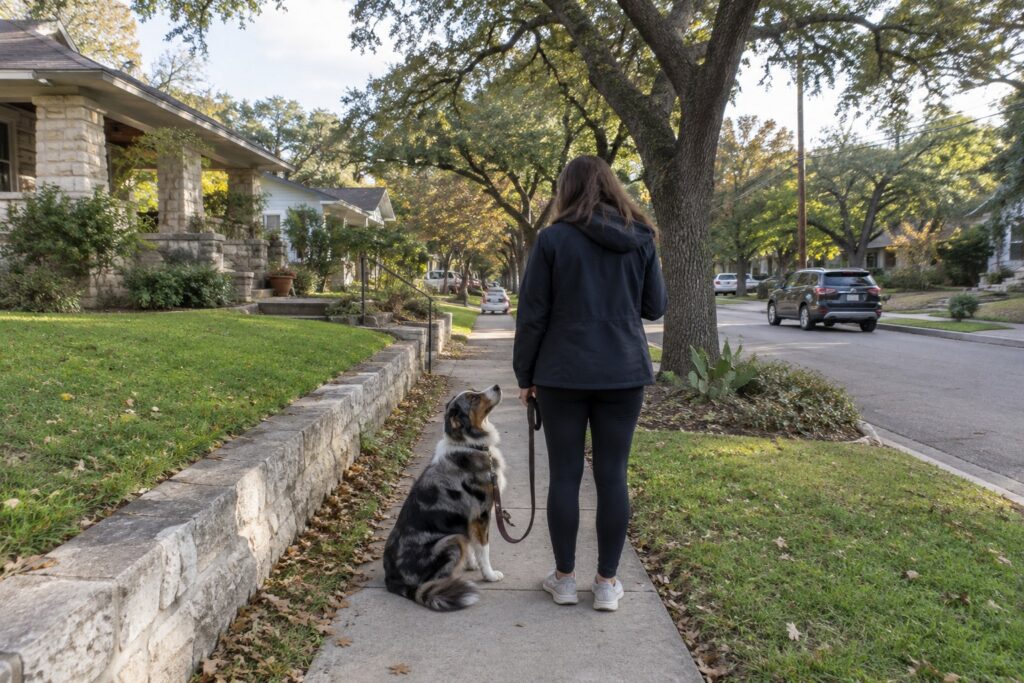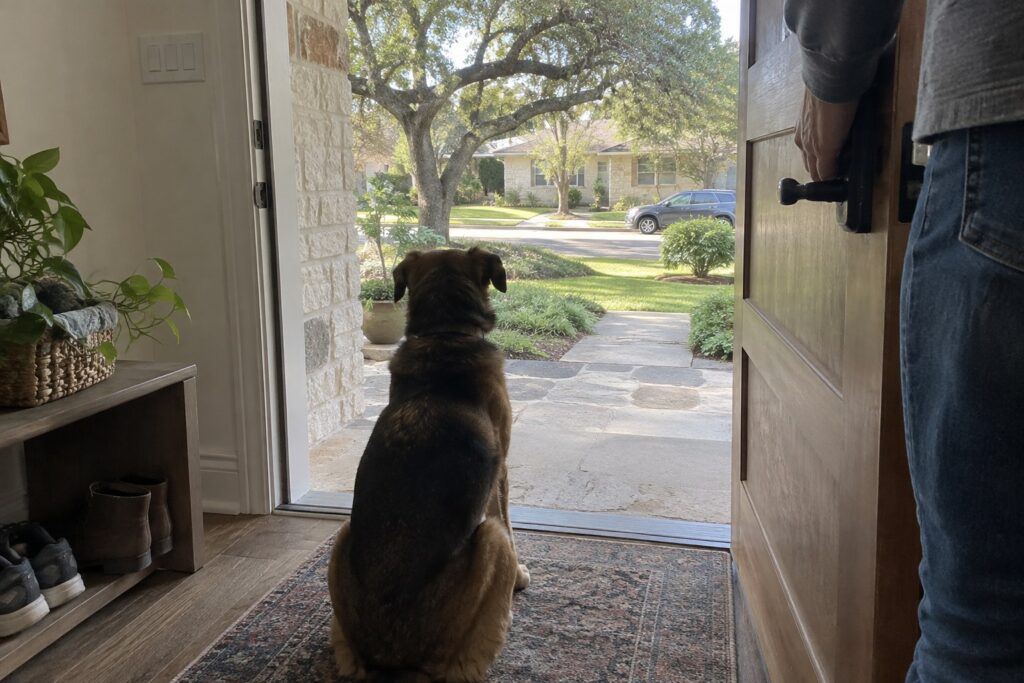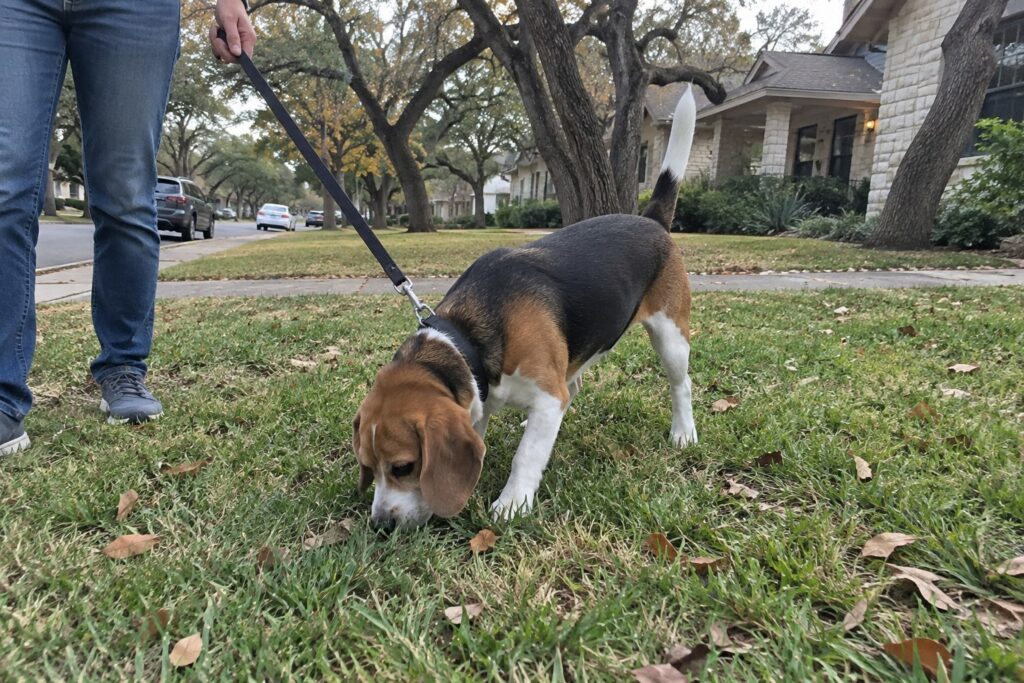

Denver gives dogs more daily exposure opportunities than most American cities. Apartment density puts puppies in elevators and lobbies with strangers from day one. Off-leash trails create encounters with wildlife, mountain bikers, and other dogs at unpredictable distances. Dog-friendly patios fill up across LoDo, RiNo, and Cherry Creek on weekends. Sidewalks in walkable neighborhoods stay busy with foot traffic, scooters, and dogs from every breed and temperament you can imagine.
The instinct, for many new owners, is to use all of it. Drag the puppy to as many places as possible, expose them to as many people and dogs as possible, hope the volume produces a social, confident dog. The reality is the opposite. Many of the anxious, reactive, and fearful dogs who arrive at training classes in Denver were “socialized” too aggressively as puppies.
Good socialization isn’t about maximum exposure. It’s about quality exposure: experiences that end with the dog feeling neutral or better, never worse. The guide below covers what socialization actually means, the critical window for puppies, how to read your dog during exposures, where in Denver to start, and the specific mistakes that turn well-intentioned owners into people whose dogs are afraid of everything.
What Socialization Actually Means
The most common misconception is that socialization means “meeting lots of dogs and people.” It doesn’t. Socialization means building positive associations with the world the dog will live in. The goal is a dog who can be calm and confident in their environment, not necessarily a dog who’s friendly with every stranger. Many well-socialized dogs are neutral around new people and other dogs. They notice them, don’t react, and move on.
This reframing matters because owners who chase friendliness as the goal often push their dogs into more interactions than the dog wants. The result is a dog who learns that new people and dogs are pressure-filled encounters, not neutral parts of normal life.
The Critical Window: 3 to 16 Weeks
For puppies, the window from 3 to 16 weeks of age is the most important period for shaping their lifelong relationship with the world. During this window, puppies form lasting impressions of unfamiliar things, and those impressions tend to stick. Both positive and negative experiences during this window have outsized impact.
Skipping socialization during this window is costly. Puppies who are kept home until “fully vaccinated” at 16 weeks often miss the most important learning period of their lives. Bad socialization during this window is costly too. Pushing a puppy into overwhelming situations can create lasting fears that wouldn’t have existed otherwise.
Why More Doesn’t Equal Better
Overdoing socialization is a real and common mistake, and the signs are predictable. Dogs flooded with too much novelty too fast often become MORE fearful or reactive, not less.
What socialization overload looks like: the dog who used to greet strangers happily but now backs away, the puppy who came home from the dog park happy but is now reactive to other dogs on the street, the dog who shuts down (refuses treats, won’t engage) during exposures that used to be fine, the dog who’s increasingly anxious at home after busy outings.
The fix is the opposite of intuition: less exposure, simpler environments, more recovery time, and more attention to whether the dog is actually enjoying the experiences they’re getting.
The Quality Framework: Positive, Controlled, Gradual
- Positive. Every exposure should end with the dog feeling neutral or better, not worse. If the dog is showing stress signals, the exposure has gone too far. End it, create distance, and try something simpler next time.
- Controlled. The owner manages distance, duration, and intensity. A puppy doesn’t need to greet every dog on the sidewalk.
- Gradual. Build complexity slowly. Start with quieter environments, calmer dogs, fewer simultaneous variables. Add complexity only after the dog handles the current level comfortably.
Reading Your Dog During Socialization
Body language reading is the single most important socialization skill an owner can develop. Stress signals to watch for during socialization:
- Avoidance. Turning away, looking for an exit, trying to leave
- Frozen posture. Standing stiff, not exploring, not engaging
- Whale eye. Head turned away while eyes track the trigger
- Lip licking and yawning. When the dog isn’t tired or expecting food
- Refusing treats. A dog who normally takes treats but won’t during an exposure is over threshold
- Tucked tail or low body posture. Fear signals that mean the exposure needs to end
When you see any of these, end the exposure and create distance. The dogs who become reactive and fearful are usually dogs whose stress signals got ignored or overruled during their socialization.
The Denver Socialization Checklist
A well-socialized dog needs exposure to specific categories of stimuli during their socialization window:
- People. Different ages, body sizes, appearances (beards, hats, glasses, hoods), uniforms (delivery drivers, postal workers, building maintenance), people with bikes, scooters, strollers, and wheelchairs.
- Other animals. Calm adult dogs, well-behaved puppies, neighborhood cats from a distance, wildlife observed at safe distances. Quality matters more than quantity.
- Surfaces. Carpet, hardwood, tile, metal grates (common in Denver lobbies), brick, gravel, snow, ice, grass, dirt, concrete of varying textures.
- Sounds. Elevators, light rail trains, sirens, construction noise, traffic, doorbells. Pair novel sounds with food or play to build positive associations.
- Environments. Apartment elevators and lobbies, busy sidewalks, quiet residential streets, parks at various activity levels, dog-friendly patios at slower times.
- Handling. Paws, ears, mouth, tail, body brushing, grooming tools, restraint for vet exams, nail handling. Dogs who tolerate handling well from puppyhood become adult dogs who can be examined and treated without stress.
Where to Socialize in Denver
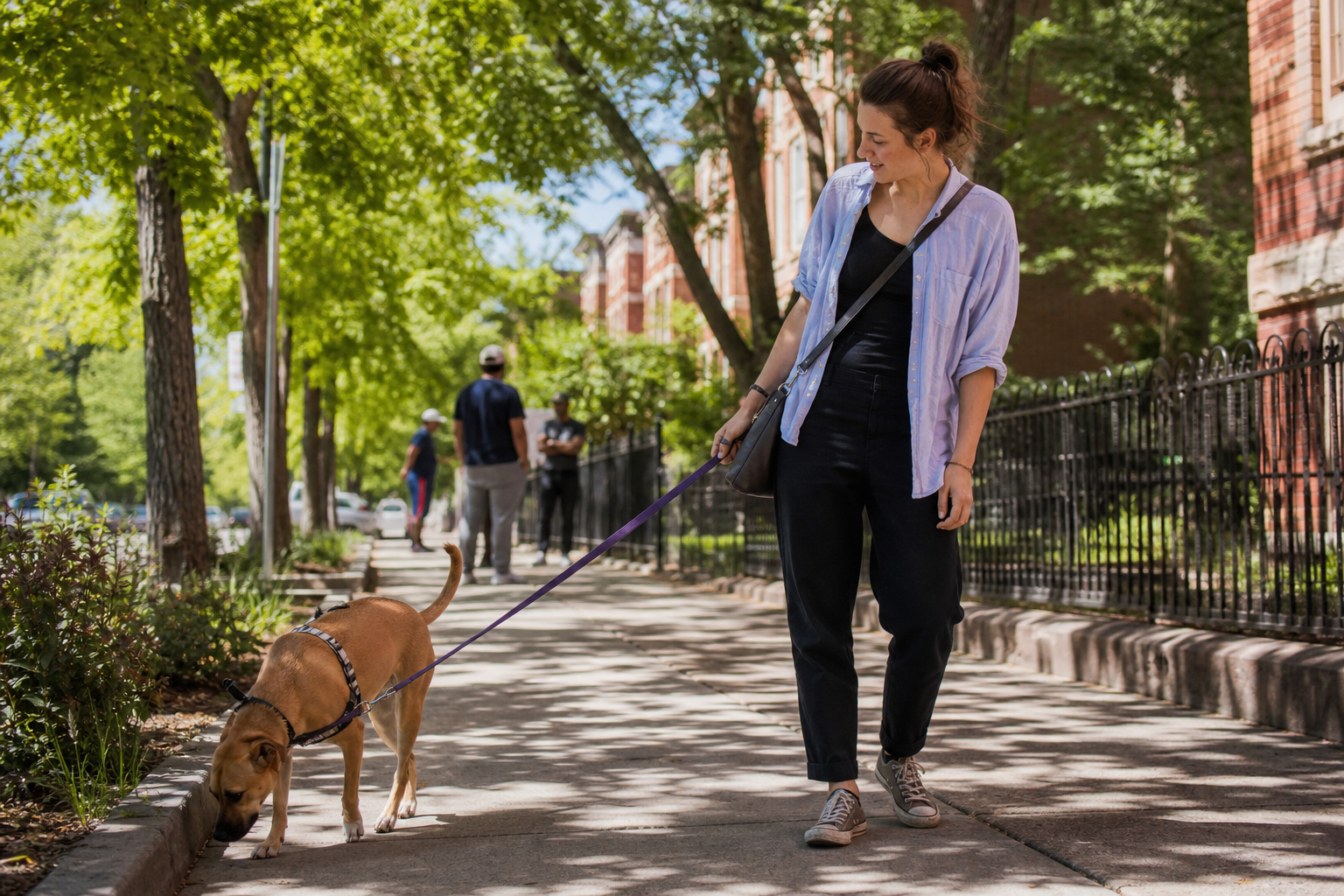
Low intensity: Quiet residential streets, off-peak hours at small parks, empty trailheads on weekday mornings, a friend’s quiet backyard. Best for puppies under 12 weeks, newly adopted shy dogs, dogs in early socialization.
Medium intensity: Dog-friendly patios at off-peak hours, smaller neighborhood parks, less-busy sections of major parks (Wash Park’s quieter edges, Sloan’s Lake on weekday mornings), weekday morning trails. Best for confident puppies past 12 weeks, dogs progressing in socialization.
High intensity: 16th Street Mall, dog parks, busy weekend trailheads, festivals and events, Cherry Creek shopping district, busy patios at peak times. For adult dogs who have already mastered medium-intensity environments; never for first exposures.
The mistake most owners make is starting at medium or high intensity because that’s where the social opportunities are. Start at low intensity. Build up. Most dogs need weeks or months at lower intensities before they’re ready for the busier environments.
What Not to Do for Socialization
- Forcing the dog into uncomfortable situations. A dog who’s actively backing away or showing stress signals shouldn’t be pushed forward.
- Dog parks for puppies and unsocialized dogs. Dog parks are appropriate for already-social adult dogs. A bad first dog park experience can create lasting reactivity that takes months to address.
- Letting strangers pet the dog when the dog is showing stress. Politely redirect: “He’s still in training, we’re working on calm passing right now.”
- “Just one more” exposure when the dog is already stressed. End on success rather than pushing for one more.
- Punishing fear-based behaviors. A dog who growls or hides is communicating. Punishing the communication teaches the dog to skip the warning step, which often produces dogs who appear to bite “without warning” later.
- Skipping early socialization entirely because of vaccinations. Waiting until full vaccinations at 16 weeks often means missing the critical socialization window.
The Vaccination Dilemma
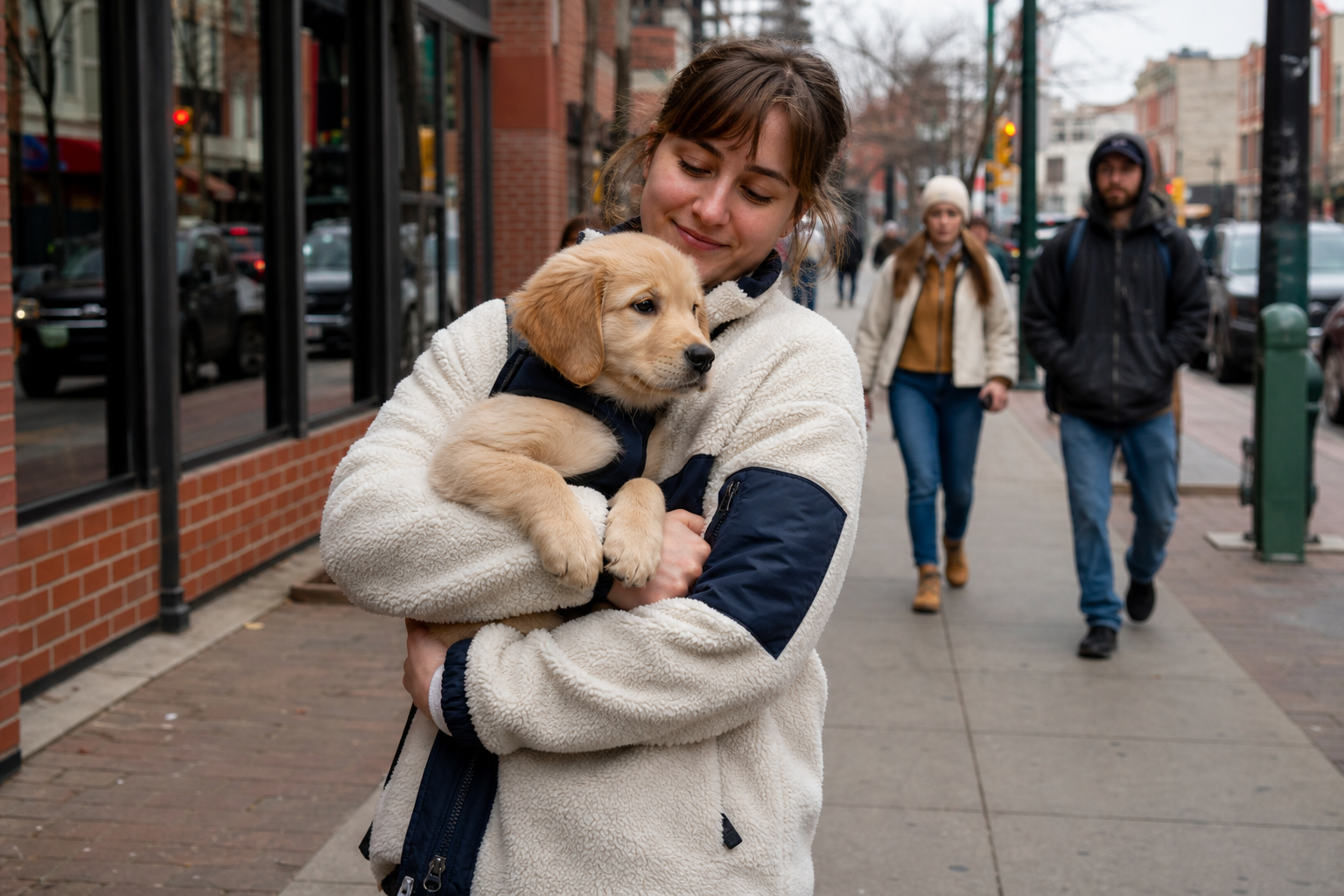
Current veterinary behavior guidance is clear: socialization opportunities lost during the 3-16 week window often cause more long-term harm than the small risk of disease exposure during the same period. Practical strategies: carry the puppy in public (exposed to sights, sounds, and people without putting paws on potentially contaminated ground), controlled exposures with vaccinated dogs, and puppy socialization classes with health requirements. Avoid high-risk environments like dog parks and areas with significant unknown dog traffic.
Socializing an Adult Dog (And Why It’s Different)
For owners who adopt adult dogs or who missed the puppy socialization window, the work is different but still possible. Adult dog socialization is less about novelty and more about confidence building. The realistic goal becomes building tolerance and confidence in the specific environments the dog will live in. The pace is slower, management matters more, and time investment is significant. Most adult dogs can become comfortable in their daily environment, even if they never become highly social.
The Denver Apartment Factor
Apartment dogs have a unique socialization advantage: they get significant daily exposure built into their routine. Managing those routine exposures well is often more important than seeking out extra socialization opportunities. Treat your dog for calm behavior as neighbors pass. Reward the dog for noticing-without-reacting. Don’t force greetings. Use the building as training ground: practice sits at elevator doors, stays as people pass, controlled walks through the lobby. Routine beats infrequent intensity.
When Socialization Goes Wrong
Warning signs: reactivity at home that wasn’t there before, increased fear during specific exposures that used to be fine, avoidance behaviors during walks, shutting down during outings, generalized anxiety that wasn’t present before structured socialization began.
What to do: pause structured socialization for 1-2 weeks, simplify the environment, rebuild from low intensity, and consider professional support if patterns persist after 2-3 weeks of simplified routines.
When to Bring in a Professional
Bring in a trainer if the dog shows fear or aggression toward common stimuli, reactivity is increasing rather than improving, a puppy missed the critical 3-16 week socialization window, an adult dog has significant fear-based behaviors that affect daily life, or you’re unsure whether your dog’s responses to socialization are normal or concerning. Professional help during the puppy window is particularly valuable because the cost of getting it wrong is so much higher.
Frequently Asked Questions
What’s the best age to start socializing a puppy?
Socialization should begin the day the puppy comes home, typically at 8 weeks. The critical window runs from approximately 3 to 16 weeks, with the most important learning happening between 8 and 12 weeks. Waiting until vaccinations are complete at 16 weeks misses the most important socialization period of the dog’s life.
What’s the difference between socialization and exposure?
Exposure means the dog encountered something. Socialization means the dog formed a positive or neutral association with it. A puppy who’s exposed to other dogs at a chaotic dog park hasn’t necessarily been socialized. True socialization requires the exposure to end with the dog feeling neutral or better.
Are dog parks good for socialization?
Generally no for puppies and shy dogs. Dog parks are appropriate for already-social adult dogs with reliable recall and good play skills. They’re not socialization opportunities, they’re activities for dogs who are already well-socialized. A bad first dog park experience can create lasting reactivity that takes months to address.
How can I tell if my dog is overwhelmed by socialization?
Watch for stress signals during and after exposures: avoidance, refusing treats, frozen posture, lip licking when no food is present, looking for an exit, shutting down. After outings, watch for increased reactivity at home or generalized anxiety. If you see these patterns, you’re moving too fast.
How long does it take to socialize a dog?
For puppies, the critical window is roughly 3-16 weeks, with significant socialization work continuing through 6-12 months. For adult dogs starting socialization later, expect 3-6 months of consistent work to produce meaningful change.
About All Dogs Unleashed Denver
All Dogs Unleashed coaches owners through the full socialization arc, puppies starting from week 8, adolescents adjusting to the wider world, and adult dogs working through fear or reactivity histories. Our work focuses on building confident, calm dogs who handle Denver life without stress. Beyond core training, our Denver location also offers in-home dog training, board and train, dog boarding, and dog daycare for owners who need full-service support during socialization work.
Visit us at 2301 Blake St, Denver, CO 80205, or call (720) 310-7337 to learn more about how our trainers can help build a confident Denver dog.
Ready to Build a Confident Denver Dog?
Quality socialization is one of the most important investments a Denver dog owner can make in the first year. Our Denver dog training programs include structured socialization coaching tailored to your dog’s age, temperament, and current readiness. We offer in-home dog training for owners who want to start in their actual environment, board and train for accelerated foundations, and dog daycare for ongoing controlled socialization with vetted dog groups. Contact us or call (720) 310-7337 to get started.