
Denver winters don’t ease in. By December, single-digit mornings are routine. January regularly delivers stretches of subzero temperatures with windchills that drop apparent readings well below that. Snow falls hard, melts under midday sun, refreezes overnight into ice, and repeats. Owners new to the city quickly learn that “it’s cold” covers a wide range of conditions, and that the right answer for one dog isn’t always right for another.
The question “how cold is too cold for my dog?” doesn’t have a single answer. It depends on breed, size, coat, age, health, acclimation, and how the temperature combines with wind, moisture, and time outside. The guide below covers what actually matters: temperature thresholds, the factors that shift them, warning signs to recognize, Denver-specific hazards, and how to keep dogs safe through real Colorado winter conditions.
The Quick Answer
- Above 45°F: Most healthy adult dogs are comfortable. No special precautions needed for typical activity.
- 32-45°F: Comfortable for medium and large dogs with normal coats. Small dogs, short-coated breeds, puppies, and senior dogs may benefit from a sweater or coat for longer outings.
- 20-32°F: Cold-tolerant breeds remain comfortable. Cold-sensitive dogs need coats and limited outdoor time. Watch for shivering.
- 0-20°F: All dogs need limited outdoor exposure. Cold-sensitive breeds shouldn’t be outside beyond brief potty breaks without protection. Even cold-hardy breeds need shorter sessions.
- Below 0°F: Dangerous for nearly all dogs. Keep trips outside under 10 minutes. Cold-sensitive breeds need gear and minimal exposure. Frostbite risk is real for ears, paws, and tails.
What Determines a Dog’s Cold Tolerance
Six factors shift the temperature threshold for any individual dog.
Coat type and density. Double-coated breeds (Huskies, Bernese, Newfoundlands) carry an undercoat that traps body heat and a guard coat that repels moisture. They’re built for cold. Single-coated breeds (Greyhounds, Boxers, Pit Bulls) lose heat faster.
Body size and fat percentage. Larger dogs retain heat more efficiently than smaller dogs. Lean dogs lose heat faster than dogs with normal body fat.
Breed origin. Breeds developed in cold climates (Siberian Husky, Saint Bernard, Samoyed, Alaskan Malamute) have generations of cold adaptation built in. Breeds from warm climates (Chihuahua, Italian Greyhound, French Bulldog) lack that insulation.
Age. Puppies under 6 months can’t regulate body temperature as efficiently as adult dogs. Senior dogs often have reduced circulation, less efficient metabolism, and conditions like arthritis that make cold harder to handle.
Health conditions. Arthritis flares in cold weather. Diabetes affects circulation and temperature regulation. Heart disease, kidney disease, and hypothyroidism all reduce cold tolerance.
Acclimation. A dog raised in Denver builds tolerance to cold over multiple winters. A dog moving from Phoenix to Denver in November will struggle for the first season as their body adapts.
How Windchill and Moisture Change the Math
The thermometer reading is only part of the picture. Wind strips warm air away from the body faster than it can be replaced. A 30°F day with 25 mph winds feels closer to 18°F to both humans and dogs. Denver’s downslope winds (the famous Chinook winds) can shift wind speeds quickly, and exposed areas like Cherry Creek Trail, Sloan’s Lake, and most foothill trails amplify the effect.
Wet conditions accelerate heat loss. A wet coat loses most of its insulation value, exposing the dog’s skin to ambient temperatures directly. Snow that melts on contact, slush, rain, or a recent bath all create conditions where a 35°F day feels closer to 20°F. Drying dogs off after snowy walks isn’t optional, it’s basic winter management.
Cold-Hardy Breeds vs. Cold-Sensitive Breeds
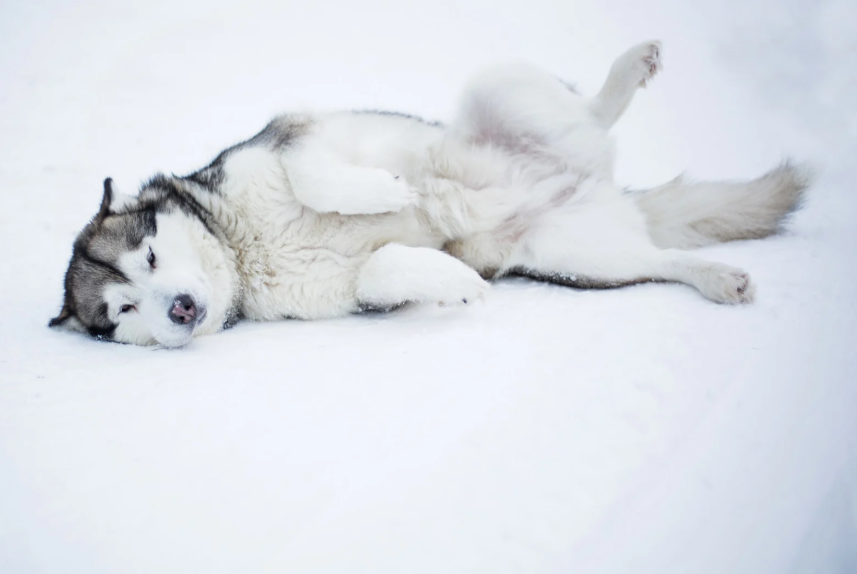
Cold-hardy breeds include: Siberian Husky, Alaskan Malamute, Samoyed, Bernese Mountain Dog, Newfoundland, Saint Bernard, Great Pyrenees, Akita, Tibetan Mastiff, Keeshond, Norwegian Elkhound, and Chow Chow. These breeds have thick double coats and physiological adaptations for cold weather. They typically remain comfortable down to 20°F or below without gear, though even they have limits at extreme cold or in wet conditions.
Cold-sensitive breeds include: Chihuahua, Italian Greyhound, Greyhound, Whippet, French Bulldog, Boston Terrier, Pug, Yorkshire Terrier, Maltese, Toy Poodle, Dachshund, and most other small or thin-coated breeds. These dogs lose heat quickly and need protection (coats, booties, limited time) below 40°F, with serious risk below 32°F.
Mixed breeds fall on a spectrum based on coat type and body size. A medium-sized mix with a thick double coat can be remarkably cold-tolerant. A small short-haired mix will need the same protection as a purebred Chihuahua.
Warning Signs Your Dog Is Too Cold
Mild signs (uncomfortable, time to head in): Shivering, reluctance to keep walking, lifting paws off the ground repeatedly, tucking the tail tightly, curling up or hunching the body, whining or anxious behavior.
Moderate signs (cold is becoming dangerous, end the outing immediately): Slowed movement or stumbling, refusing to move at all, pale or gray gums, cold ears especially at the edges, visibly shaking (not just shivering).
Severe signs (medical emergency): Lethargy or near-unresponsiveness, slow or shallow breathing, stiffness or muscle weakness, dilated pupils, loss of coordination, body temperature below 99°F (normal is 101-102.5°F). Severe signs mean hypothermia is setting in. Get the dog to a warm environment immediately and contact a veterinarian.
Frostbite and Hypothermia
Frostbite affects the body’s extremities first. The most common frostbite sites on dogs are ear tips, tail tip, paw pads and between the toes, and the scrotum on intact males. Early frostbite signs include pale, gray, or bluish skin, coldness to the touch, and a swollen or hardened texture. If you suspect frostbite, warm the area gradually with warm (not hot) water and contact a veterinarian. Never rub frostbitten tissue, which can cause further damage.
Hypothermia happens when a dog’s core body temperature drops too low. Normal canine body temperature is 101-102.5°F. Mild hypothermia (90-99°F) requires warming and monitoring. Moderate (82-90°F) and severe (below 82°F) hypothermia are veterinary emergencies. Dogs at highest risk are puppies, seniors, small breeds, short-coated breeds, and any dog that gets wet in cold weather.
Denver-Specific Cold Weather Hazards

Ice melt and rock salt. Sidewalks, lobby entries, and parking lots get heavily treated through the winter. Standard ice melts can cause chemical burns on paw pads, and dogs that lick the salt off their paws can develop GI upset or, in extreme cases, salt toxicity. Wipe paws thoroughly after every walk, or use booties for protection.
Antifreeze. Leaks in parking garages and street parking spots are common in winter. Antifreeze tastes sweet to dogs and is highly toxic. A few teaspoons can kill a medium-sized dog. Watch where your dog walks and sniffs in parking areas, and contact a vet immediately if you suspect ingestion.
Salted trail surfaces. Many Denver parks and trails get treated for ice during cold snaps. Even surfaces that look natural can carry chemical residues. Stick to untreated paths when possible and clean paws after every outing.
The sunny-but-deadly trap. Colorado winter days often look deceptively warm. The sun is intense, the sky is clear, and the absence of wind makes a 15°F day feel manageable while you stand still. But the air temperature is what affects your dog. Trust the thermometer, not the brightness.
What to Do (and Not Do) for Outdoor Time
Gear up appropriately. Coats for cold-sensitive breeds below 40°F. Booties or paw balm for ice melt protection. Reflective gear for early-morning and evening walks when daylight is short.
Limit time at low temperatures. Below 20°F, even cold-hardy dogs should have outings under 30 minutes for most activities. Below 0°F, keep outdoor time to potty breaks and brief exercise only.
Never let a dog stay outside with wet fur in the cold. Never shave a double-coated dog in winter. The undercoat is the insulation. Regular grooming and brushing maintain coat health far better than shaving. Our post on Shedding Season Grooming Tips for Dogs This Fall covers the basics that carry into winter coat care. Never leave a dog in a cold car.
Indoor Considerations During Cold Snaps
When the weather forces dogs indoors for extended periods, mental stimulation becomes more important when outdoor time is limited. Puzzle feeders, scent games, structured training sessions, and indoor obedience work all help drain energy without requiring outdoor exposure.
Cabin fever is real, particularly for high-energy breeds. A few days of consistent indoor confinement can produce destructive behavior, regression in training, and reactivity that wasn’t there before. For working breeds in extended cold snaps, our Denver dog daycare provides indoor exercise and socialization that home alone can’t match. Our post on How to Curb Overexcitement in Your Dog covers indoor energy management strategies for high-drive breeds.
Frequently Asked Questions
At what exact temperature should I stop walking my dog?
There’s no single threshold. Most healthy adult dogs can walk safely down to 20°F with appropriate time limits, though cold-sensitive breeds and dogs with health conditions need lower thresholds. Below 0°F, walks should be limited to brief potty breaks for most dogs.
Is a dog house enough shelter in a Denver winter?
For most dogs, no. A standard dog house provides wind protection but doesn’t generate heat. Dogs are family pets and should be indoors during cold weather. Insulated, heated doghouses exist but should be a backup for emergencies, not a primary winter living situation.
Do all dogs need booties for winter walks in Denver?
No. Booties help protect against ice melt chemicals, sharp ice, and very long outings in extreme cold, but most dogs do fine on typical winter walks without them. Cold-sensitive breeds and dogs with paw injuries benefit most. Paw balm or wax is an easier alternative for many dogs.
How do I keep my senior dog comfortable in winter?
Senior dogs typically need lower temperature thresholds, more layered gear, and shorter outdoor sessions. Joint stiffness from arthritis worsens in cold, so brief warm-ups indoors before walks help. Watch for changes in mobility, willingness to walk, and energy, winter often exposes age-related health issues that summer hides.
Winter is the season when training matters most. Short outdoor time, high indoor energy, and reduced socialization opportunities all expose gaps in foundation skills. Our Denver dog training programs build the calm, well-mannered dogs that handle Colorado weather and lifestyle without falling apart in February. We offer in-home dog training and board and train for accelerated results. Contact us or call (720) 310-7337 to get started.
About All Dogs Unleashed Denver
All Dogs Unleashed trains dogs for the full reality of Colorado life, which includes the months when winter shapes everything from exercise routines to outdoor manners. Our work covers year-round behavior fundamentals, with special attention to the seasonal shifts that make Denver dog ownership unique. Beyond core training, our Denver location also offers in-home dog training, board and train, dog boarding, and dog daycare for owners who need full-service support through the colder months.
Visit us at 2301 Blake St, Denver, CO 80205, or call (720) 310-7337 to learn more about how our trainers can help your dog handle Denver winter with confidence.