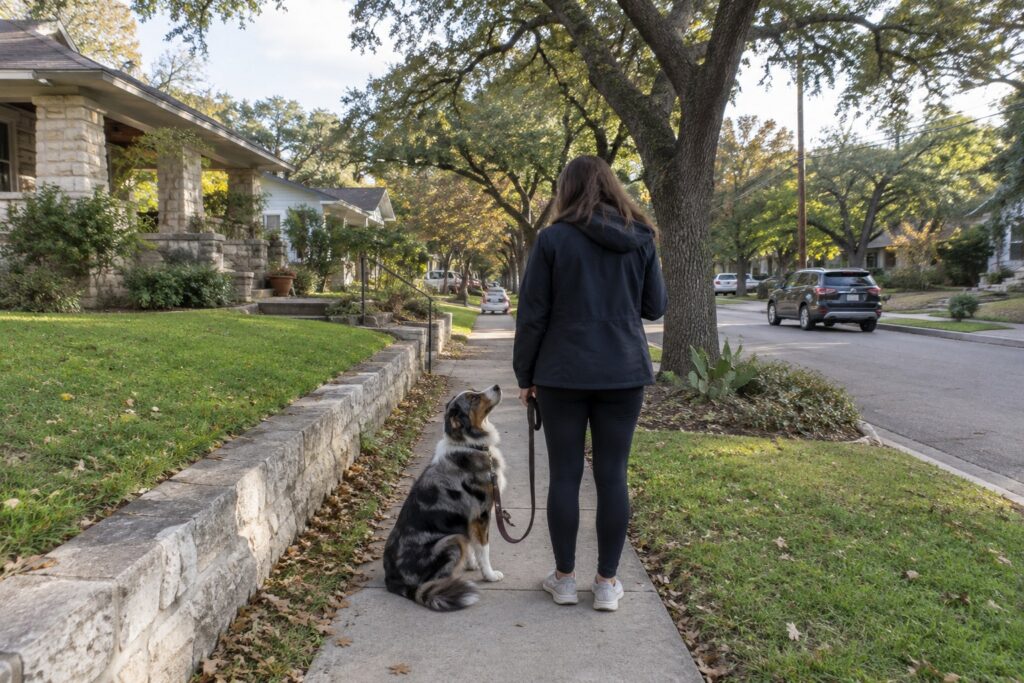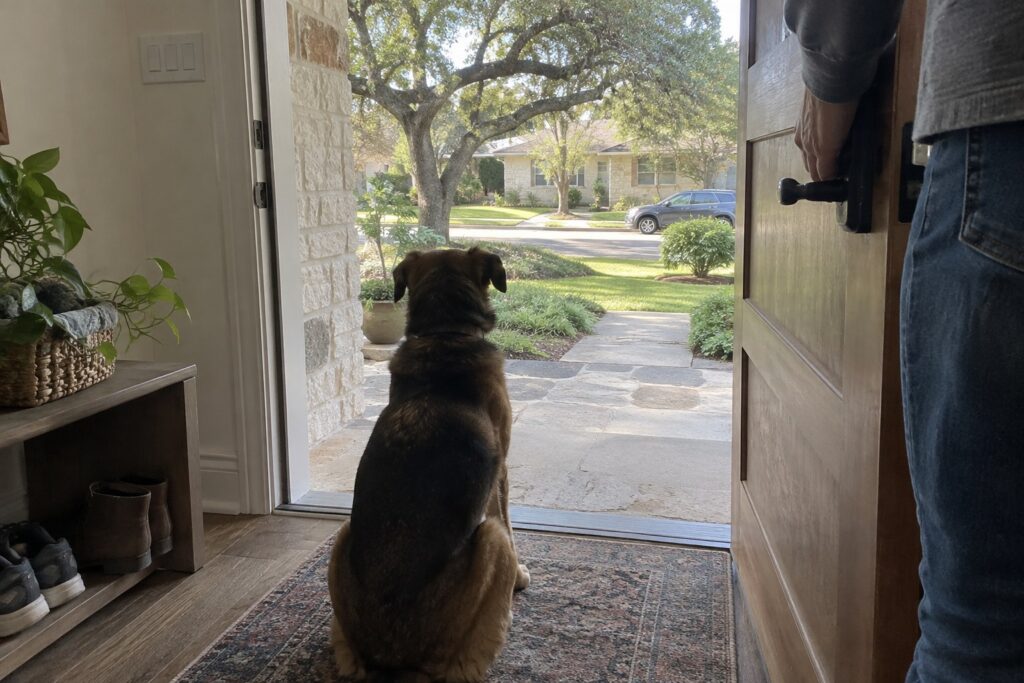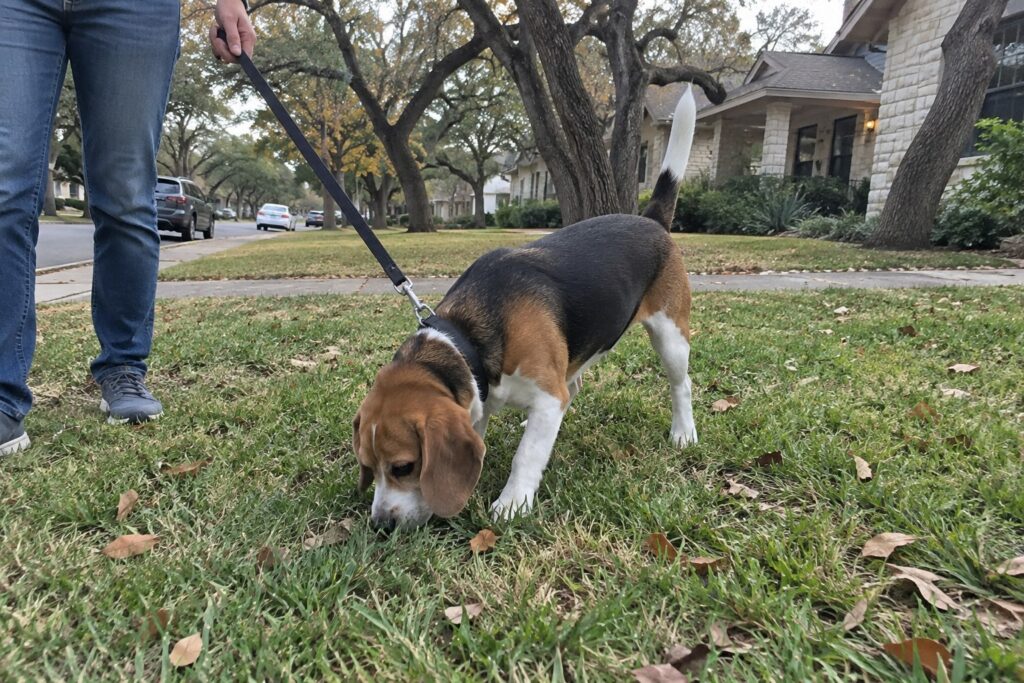

If you have ever wondered how to calm a hyper dog when the doorbell starts ringing, fall is when that question gets urgent. Trick-or-treaters on Halloween, relatives arriving for Thanksgiving, and a house full of new smells and noises can push an already bouncy dog straight over the edge.
At All Dogs Unleashed Dog Training Frisco, we work with high-energy dogs every week, and our two-week Board and Train program is built for exactly this kind of dog. The good news is that most hyper behavior is not a personality flaw. It is usually a mix of unmet needs, missing impulse control, and a routine that accidentally rewards chaos. You can change all three before the holidays arrive.
Want a calmer dog before the guest list fills up? Our trainers can help you build a plan.
Key Takeaways
- Physical exercise helps, but mental work like sniffing, food puzzles, and short training drills often settles a hyper dog faster than another long run.
- Impulse control skills such as waiting at doors and holding a “place” command give your dog a clear job when excitement spikes, and they are core skills in our two-week Board and Train program.
- Rewarding calm behavior the moment it happens teaches your dog that settling down earns attention, while jumping and barking do not.
- A predictable daily structure for meals, walks, rest, and crate time lowers overall arousal before Halloween and Thanksgiving visitors show up.
- Starting practice in early October gives you several weeks of repetition before Halloween on Saturday, October 31, and Thanksgiving on Thursday, November 26.
Why Some Dogs Stay Wound Up All the Time
Hyperactivity in dogs usually has a cause you can identify. Before you change anything, it helps to understand what is driving the behavior in your home.
Breed, Age, and Energy Level
Young dogs and working or sporting breeds are built to move, chase, and solve problems. A Labrador, Border Collie, or young Doodle that only gets a short walk around the block has a lot of energy left over by evening. Puppies and adolescent dogs up to about two years old also have less natural self-control, so excitement boils over quickly.
Accidental Rewards
Many dogs learn that wild behavior works. A dog that jumps on guests gets touched, talked to, and pushed away, which feels like play. A dog that barks at the door gets the door opened. Each time that happens, the behavior gets a little stronger. Our post on common dog behaviors worth fixing with private lessons covers how these habits take root.
Rule Out Health Issues First
Sudden restlessness, pacing, or an inability to settle can sometimes signal pain, itching, or another medical problem. If your dog’s energy changed quickly or seems out of character, schedule a visit with your veterinarian before you assume it is a training issue.
Exercise vs. Mental Work for a Hyper Dog
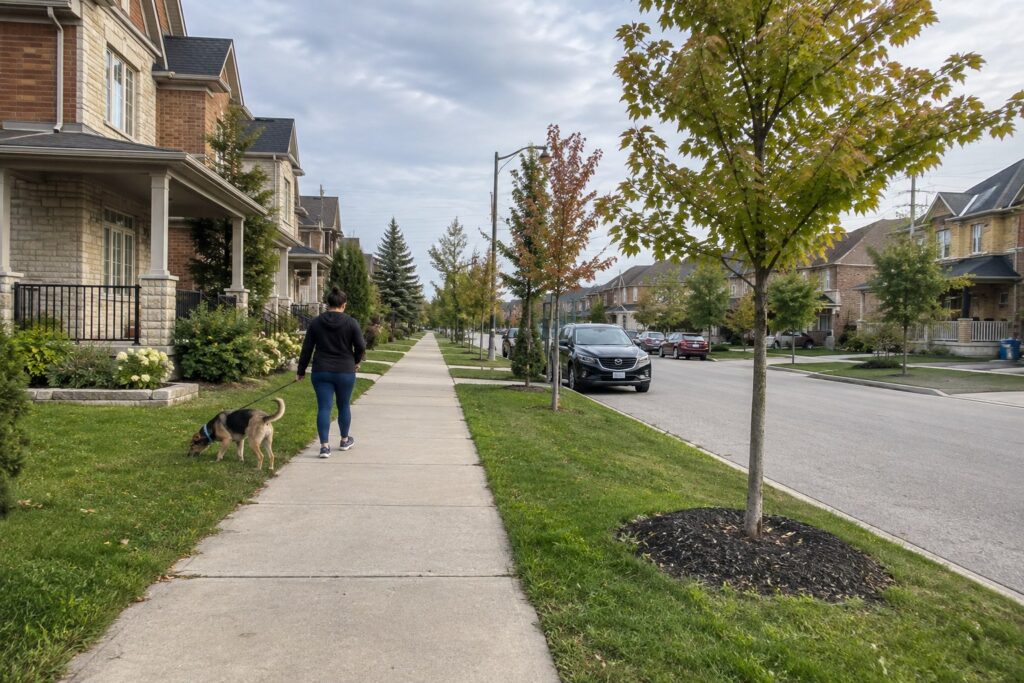
A common assumption is that a tired dog is a calm dog, so owners just add more miles. That works to a point, but a dog that only gets physical exercise can turn into a fitter, more athletic hyper dog. The best results come from a mix of body and brain work.
What Physical Exercise Does Well
Brisk walks, fetch, and structured play burn off energy and give your dog a healthy outlet. In North Texas, early fall afternoons can still run warm, so schedule harder exercise for cooler mornings and evenings, carry water, and watch for heavy panting. Frisco has plenty of green space, and our roundup of dog parks and trails in Frisco for active dogs can help you vary your routes.
What Mental Work Does Better
Mental work tires your dog in a different way. Ten minutes of sniffing, puzzle feeding, or focused training can leave a dog more relaxed than a 30-minute jog. Thinking requires focus, and focus is the opposite of frantic energy.
| Activity Type | Examples | Best Time to Use It | Effect on a Hyper Dog |
|---|---|---|---|
| Physical exercise | Brisk walks, fetch, tug with rules | Morning and early evening | Burns energy but can build stamina |
| Sniff work | Slow “sniffari” walks, scatter feeding in the yard | Before guests arrive | Lowers arousal and relaxes the dog |
| Food puzzles | Stuffed chew toys, snuffle mats, puzzle feeders | During dinner or visits | Keeps the dog busy and settled |
| Training drills | “Sit”, “down”, “place”, “leave it” in short reps | Several times a day | Builds focus and self-control |
A Balanced Daily Mix
For most hyper dogs, aim for one solid exercise session, one sniff-focused walk, and two or three five-minute training sessions spread across the day. Replace the food bowl with a puzzle feeder for at least one meal. That small change adds mental work without adding time to your schedule.
How to Calm a Hyper Dog With Impulse Control Training
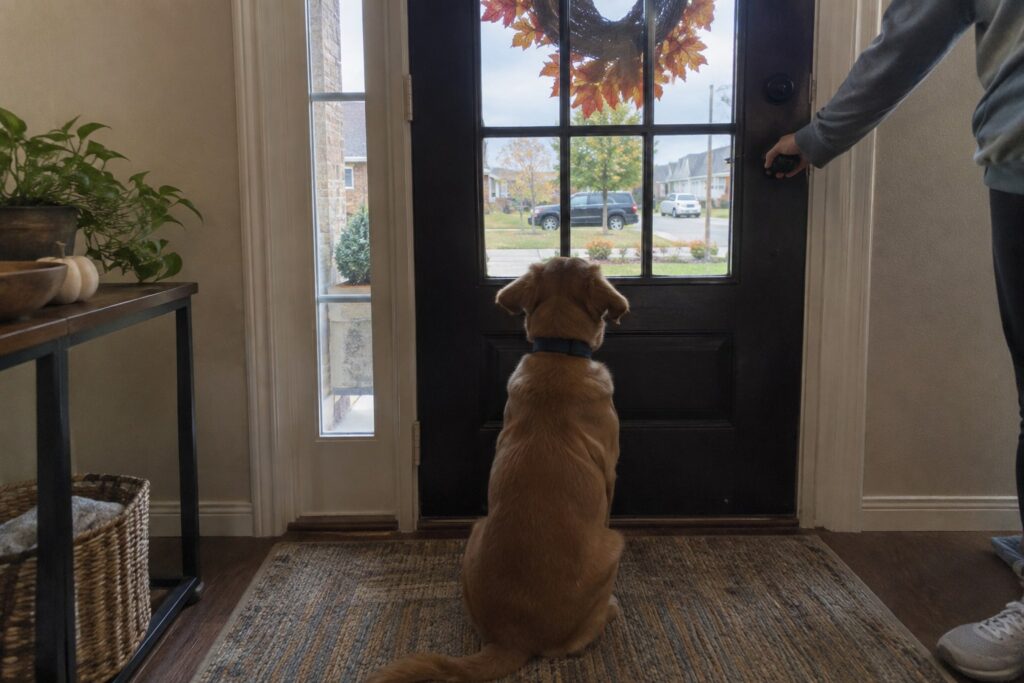
Impulse control is the skill of pausing before acting. Dogs are not born with much of it, but they can learn it quickly with short, consistent practice. For lasting results, this is the piece that makes the biggest difference.
Waiting at Doors and Gates
Ask your dog to “sit” before you open any door. If they pop up, close the door and try again. Only open it once your dog holds position, then release with a word like “okay.” Within a few days, most dogs start sitting automatically at the door, which is exactly the habit you want when trick-or-treaters knock.
The “Place” Command
Teaching a dog to go to a bed or mat and stay there gives them a specific job during busy moments. Start with a few seconds, reward, and release. Slowly add time, then distance, then distractions like a knock on the door or someone walking past. By Thanksgiving, “place” can be where your dog relaxes while the turkey is carved.
“Leave It” and Food Manners
Holiday tables and candy bowls bring real risks. Practice “leave it” with low-value food first, then work up to tempting items. According to the ASPCA’s holiday safety tips, foods like chocolate and certain rich or fatty dishes can be dangerous for dogs, so a solid “leave it” is a safety skill, not just good manners.
Working on impulse control but not seeing progress? A focused residential program can build these skills with daily repetition.
Rewarding Calm Behavior Instead of Chaos
Most owners notice their dog when the dog is misbehaving and ignore them when they are quiet. Flipping that pattern is one of the simplest changes you can make.
Catch Your Dog Being Calm
Keep a few small treats in your pocket. When your dog lies down on their own, settles by your feet, or chooses to watch a squirrel without barking, calmly place a treat between their paws. Do not make it a party. Low-key praise and a quiet reward tell your dog that relaxing pays off.
Stop Rewarding the Frenzy
When your dog jumps, turn away and wait for four paws on the floor before giving attention. Ask guests to do the same. If your dog barks at the window or door, our post on how Frisco dog owners can stop excessive barking walks through the barking side of the problem in more depth.
Calm Greetings Versus Excited Greetings
| Situation | What Owners Often Do | What Works Better |
|---|---|---|
| Coming home | High-pitched hello and petting while the dog jumps | Stay neutral until the dog settles, then greet calmly |
| Doorbell rings | Yell “quiet” and open the door with the dog loose | Send the dog to “place” or leash them before answering |
| Guest arrives | Let the guest pet the dog while it jumps | Guest ignores the dog until it sits, then offers a calm pet |
| Dog settles on its own | Ignore the dog because it is finally quiet | Quietly reward the relaxed behavior |
Building Structure Into Your Fall Routine
Dogs relax when they know what comes next. A predictable routine lowers baseline arousal, so small triggers do not cause big reactions.
Set a Daily Rhythm
Feed, walk, train, and rest at roughly the same times each day. Build in real downtime, too. Many hyper dogs are actually overtired and need help learning to nap. A crate or quiet room with a chew toy after activity teaches your dog that the house has an off switch.
Practice With Pretend Guests
Ask a neighbor or family member to ring the bell a few times over several evenings in October. Rehearse your plan: bell rings, dog goes to “place” or on leash, door opens, guest ignores the dog until it is calm. Repetition before the real event keeps you from improvising when the house is full.
Watch for Stress Versus Excitement
Some dogs that look hyper are actually anxious. Pacing, whining when you leave, or destruction when alone may point to a different issue. Our complete guide to dog separation anxiety for Frisco owners explains how to tell the difference and what to do about it.
A Halloween and Thanksgiving Game Plan
With a few weeks of practice behind you, the holidays become a chance to show off new skills instead of a night of damage control.
Halloween Night
Halloween falls on Saturday, October 31, this year, so expect a steady stream of costumed kids in many Frisco neighborhoods. Give your dog a long sniff walk before dusk, then set them up in a quiet room or crate with a stuffed chew toy. If you plan to hand out candy, consider sitting outside so the doorbell never rings. Keep candy bowls well out of reach.
Thanksgiving Day
Thanksgiving lands on Thursday, November 26. Plan exercise in the morning before cooking starts, then use “place” and puzzle feeders during the busiest stretch. Assign one adult to keep an eye on the dog when guests arrive and while food is on the table. If you are traveling, our dog boarding in Frisco offers a structured stay while you are away.
When to Bring in a Trainer
| Option | How It Works | Best For |
|---|---|---|
| Two-week Board and Train | Your dog stays with us and trains daily, then you learn the handling in owner transfer sessions | Dogs with strong habits or owners short on time before the holidays |
| Private in-home lessons | A trainer works with you and your dog in your own home | Door manners and greeting problems that happen at home |
| Refresh Training | Follow-up work to sharpen skills your dog already learned | Dogs that slipped after earlier training |
Our two-week Board and Train program begins with an individual evaluation, and our trainers work with your dog every day on obedience and calm behavior around real distractions. If you would rather train at home, private in-home dog training targets the exact spots where your dog loses control. You can also read what to expect from board and train programs in Frisco before you decide.
Ready for a calmer holiday season? Call us at (972) 573-1715 to talk with our team.
About All Dogs Unleashed Dog Training Frisco
All Dogs Unleashed Dog Training Frisco helps high-energy dogs of every breed learn to settle, focus, and listen. Our two-week Board and Train program starts with an individual evaluation, includes daily work with our trainers, and finishes with hands-on owner transfer sessions so the calm behavior continues at home. Graduates receive guaranteed results and lifetime support at no additional cost. We also offer private in-home lessons, refresh training, and boarding for Frisco families.
Frequently Asked Questions
How much exercise does a hyper dog need each day?
It depends on age, breed, and health, but most young, active dogs do best with at least one solid exercise session plus several shorter mental activities. Combine a brisk walk or fetch with sniffing, puzzle feeders, and quick training drills. If your dog still cannot settle, or if you are unsure what is safe, ask your veterinarian for guidance.
At what age do dogs calm down?
Many dogs mellow somewhat as they leave adolescence, often somewhere between one and three years old, but age alone rarely fixes hyper behavior. Habits that get rewarded during puppyhood tend to stick. Teaching impulse control and rewarding calm behavior early helps your dog mature into a settled adult instead of a bigger, stronger version of a wild puppy.
Should I give my hyper dog more exercise or more training?
Usually both, with more emphasis on training than most owners expect. Physical exercise burns energy, but mental work teaches your dog to focus and self-regulate. A dog that only gets running can build more stamina over time. Short daily sessions of “sit”, “down”, “place”, and “leave it” help your dog learn to switch off when you ask.
How do I keep my dog calm when guests come over?
Plan ahead so your dog has a job. Give them exercise and a sniff walk before guests arrive, then use a leash or the “place” command when the doorbell rings. Ask visitors to ignore your dog until all four paws are on the floor. Offer a stuffed chew toy or puzzle feeder once everyone is inside and seated.
Can a board and train program help a hyper dog?
Yes. A residential program gives your dog daily, consistent practice with impulse control and calm behavior around real distractions, which is hard to replicate at home. At All Dogs Unleashed, the two-week program begins with an individual evaluation and ends with owner transfer sessions, so you learn to keep the progress going once your dog returns home.
Is my dog hyper or anxious?
Excited dogs tend to be bouncy, playful, and eager to engage. Anxious dogs may pace, pant, whine, hide, or become destructive, especially when left alone. The two can overlap, so watch when the behavior happens. If you notice sudden changes or signs of distress, talk to your veterinarian first, then work with a trainer on a plan.
Learning how to calm a hyper dog comes down to balancing exercise with mental work, teaching impulse control, rewarding calm moments, and keeping a steady routine. Start now and your dog can be ready well before the holiday doorbell rings. Call (972) 573-1715 or reach out online to connect with our team at our location at 6136 Frisco Square Blvd, Suite 400.
Ready to Get Started with All Dogs Unleashed Dog Training Frisco?
Give your high-energy dog the structure and skills to relax when it counts. Call (972) 573-1715 today to talk about the right training option for your dog.