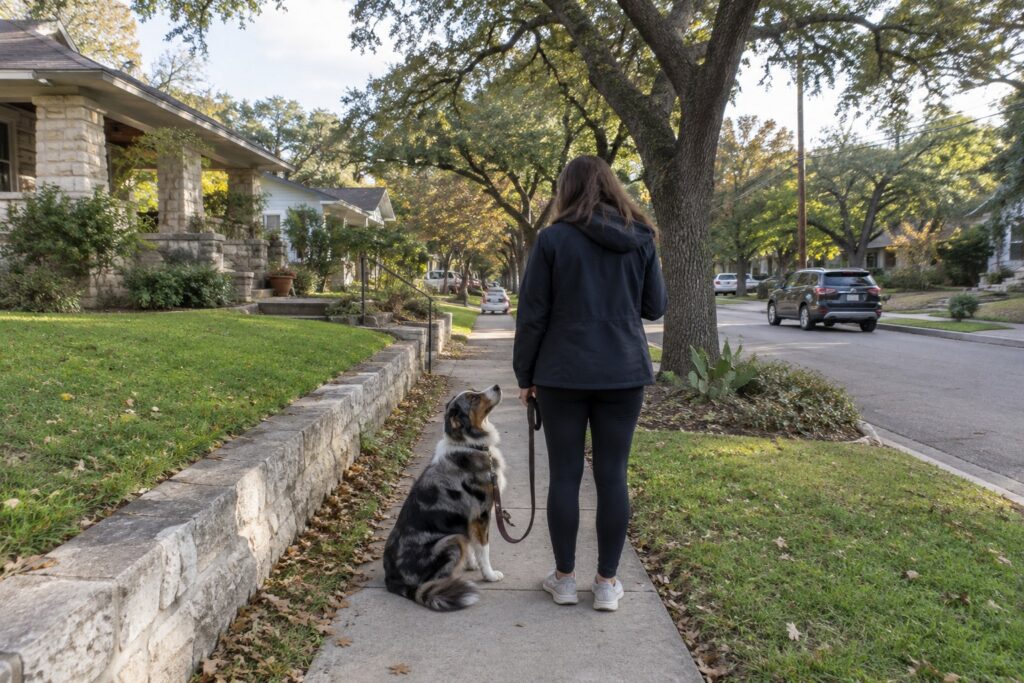

If you’ve never boarded your dog before, you probably have questions. How does dog boarding work? What happens after drop-off? Is your dog safe while you’re gone? We get these questions all the time at our Shreveport facility. Dog boarding is straightforward once you know what to expect, and the right facility makes the whole process easy. This guide walks you through everything, from intake to pickup, so you can leave with confidence and your dog can settle in without stress.
Ready to book a stay or just want to see the facility first? We’re here to help.
Key Takeaways
- Dog boarding works through a simple intake, daily care, and scheduled pickup process that any owner can prepare for.
- Shreveport’s summer heat makes climate-controlled indoor facilities a must, not a nice-to-have, for your dog’s safety.
- A current rabies vaccination is legally required before any facility can accept your dog.
- Boarding combined with training, like a Board and Train program, lets your dog come home better behaved, not just rested.
What Happens After You Hand Over the Leash
Most first-time boarders have the same question: what actually happens after you hand over the leash and walk away? We hear it every week at our facility on Shreveport Barksdale Hwy, just off the Red River near the Highland and South Highlands neighborhoods. This guide answers that question directly, covering drop-off, daily routines, what to bring, what to ask, and how to pick the right place for your dog.
All Dogs Unleashed Dog Training Shreveport is located at 1220 Shreveport Barksdale Hwy, Shreveport, LA 71105. We offer dog boarding services in Shreveport built around your dog’s individual needs. Whether it’s your first time boarding or you’ve just had a bad experience somewhere else, this guide gives you the full picture before you ever pull into our parking lot.
What Is Dog Boarding and Who Is It For?
Dog boarding means your dog stays overnight at a supervised facility while you are away. Simple as that. You drop your dog off, staff takes over, and your dog is fed, exercised, and watched until you return.
Dog Boarding vs. a Kennel
You will hear “kennel” and “boarding facility” used interchangeably. The words are not the problem. The experience behind them is. A traditional kennel typically means individual runs, limited human contact, and a basic feed-and-water routine. A modern boarding facility offers structured play groups, handlers who read canine body language, and a daily schedule built around your dog’s behavior and needs.
What actually matters is not the label on the sign. It is the staff-to-dog ratio, the daily schedule, and whether the people watching your dog understand dog behavior. Ask those questions before you book anything.
Good Candidates for Boarding
Standard boarding works well for dogs that check these boxes:
- Current on core vaccinations, including rabies, which every facility must verify at intake by law
- Comfortable around other dogs, or manageable when kept separate
- Has basic obedience skills like sit, stay, and recall
- Not showing active aggression or severe anxiety
If your dog struggles with any of these, standard boarding may not be the right fit. A dog with behavior problems or zero obedience foundation will likely do better in our Board and Train program in Shreveport, where training happens alongside the stay. We work with ANY dog, ANY problem, including dogs with severe leash reactivity, resource guarding, and separation anxiety.
What Are the Types of Dog Boarding Services?
Not all dog boarding is the same. The right option depends on your dog’s personality, training level, and what you need while you’re away. Here’s a breakdown of the main types so you can pick the best fit.
Standard Overnight Boarding
This is what most people picture. Your dog stays at a facility overnight, in a dedicated sleeping space, with experienced handlers on site. A set daily schedule covers meals, exercise, and rest periods.
- Consistent routine keeps anxious dogs calmer
- Staff can respond quickly to health or behavior issues
- Climate-controlled spaces matter in northwest Louisiana summers, where heat indexes regularly top 100°F
- Accountability that in-home options simply cannot match
When comparing boarding facilities and traditional kennels in Shreveport, ask about supervision levels, indoor access during rain events, and vaccination requirements. Rabies proof is the legal minimum, and every reputable facility will enforce that at intake.
Board and Train: Boarding With a Purpose
This is overnight boarding plus daily professional training sessions. Your dog comes home calmer, better behaved, and more responsive. It’s the right call if your dog has leash pulling, jumping, or aggression issues that need real work, not just a place to sleep.
- Daily training sessions built into the stay
- Real results, not just supervision
- Best for dogs with specific behavior problems
Our Board and Train program in Shreveport is structured so your dog makes measurable progress while you’re away, whether that means walking politely on leash or settling calmly around other dogs.
In-Home Boarding
In-home boarding means your dog stays with a private pet sitter in their home rather than a dedicated facility. This can work for social, low-key dogs who prefer a quieter environment.
- More relaxed, home-like setting
- Smaller group of dogs
- Less structured supervision and emergency response capability
- No professional training included
If your dog needs structure or has behavior issues, a facility with professional handlers will serve you better than a private home setting.
Want to see which boarding option fits your dog? Schedule a tour of our facility.
How Does the Dog Boarding Process Work, Step by Step?
Understanding how dog boarding works before your dog’s first stay makes the whole experience smoother for both of you. Here is exactly what to expect from start to finish.
Step 1: Booking and Pre-Arrival
Contact the facility with your dog’s breed, age, and the dates you need. You will need to provide vaccination records, including proof of rabies vaccination, which state law requires for every dog in a boarding setting. Facilities across the area enforce this at intake, so have those records ready.
Share behavioral notes upfront. Does your dog pull on leash? React to other dogs? Take medications? Tell the staff now, not at drop-off. Most facilities collect a deposit to hold your spot, and demand climbs fast around holiday travel and summer events like Mudbug Madness, so book early.
Step 2: Drop-Off and Intake Assessment
When you arrive, staff will greet you and your dog, review health records, and go over feeding instructions and any medications. A responsible facility will also conduct a brief behavioral assessment. This determines whether your dog is a good fit for group play or needs individual exercise time. This step protects every dog in the facility, including yours.
Our dog boarding services in Shreveport include this intake process so we know exactly how to care for your dog from day one.
Step 3: A Typical Boarding Day
A normal day at a boarding facility follows a structured routine. Here is what that looks like:
- Morning feeding
- Group play or individual exercise, based on the intake assessment
- Rest period in a dedicated space
- Afternoon activity or a second play session
- Evening feeding
- Overnight sleep in a clean, dedicated space
Climate control is not optional here. Northwest Louisiana summers push heat indexes well above 100°F through the peak months, and afternoon thunderstorms roll in fast. Any facility without climate-controlled indoor spaces is putting your dog at risk. Ask directly before you book.
Step 4: Pickup and the Transition Home
When you pick up your dog, expect one of two things. Some dogs are tired and need a day to decompress. Others come home wound up and restless. Both are completely normal responses to a new environment.
If your dog struggled with being away, speak with our team about signs to watch for and how to help your dog adjust after the stay. Dogs who completed a Board and Train stay come home with new skills and a follow-up plan so the progress sticks.
Traveling soon? Check availability for your dog’s dates before they fill up.
What Should You Bring to a Dog Boarding Facility?

Showing up unprepared can delay your dog’s check-in or get them turned away entirely. Think of this as your pre-boarding checklist. Have everything ready before drop-off day.
Required Documents and Vaccination Records
Proof of a current rabies vaccination is the one document you cannot skip. Facilities across the area enforce this at intake, no exceptions. Missing records means your dog does not get in.
Bring proof of the following to meet standard dog boarding requirements:
- Rabies vaccine (legally required)
- Bordetella (kennel cough), administered at least 5 to 7 days before the stay
- DHPP (distemper and parvo combo)
- Proof of current flea and tick prevention
- Completed intake form with emergency contact and vet information
Bring originals or a digital copy from your vet’s portal. Do not assume the facility has your records on file.
What to Pack for Your Dog
Knowing what to bring to dog boarding makes the stay smoother for your dog and the staff. Stick to the basics.
- Your dog’s regular food in labeled, pre-portioned bags. Sudden diet changes cause GI upset.
- Prescription medications with written dosing instructions
- A familiar-smelling item, like a worn t-shirt or small blanket
- Regular collar with current ID tags
- A favorite toy, if the facility allows personal items
Leave expensive gear at home. Skip rawhides and chews that pose choking risks in group settings. Check out our dog boarding services page for a full list of what we accept at drop-off.
Questions about what to bring? Call us at (318) 593-7321 before your dog’s first stay.
How Much Does Dog Boarding Cost in Shreveport?
Dog boarding cost in the Shreveport area varies depending on the facility, your dog’s size, and what services are included. Standard overnight boarding is priced differently from training-focused programs, and local facility rates may differ from national averages you’ll see on third-party sites. Contact us for current rates specific to your dog’s needs.
What Affects the Price?
Several factors move the price up or down:
- Dog size: Larger dogs cost more. Bigger space, more food, more staff effort.
- Facility type: Individual climate-controlled suites cost more than shared runs. In a place where summer heat indexes push past 100°F, climate control is not a luxury.
- Length of stay: Some facilities offer weekly rates that bring the nightly cost down.
- Add-on services: Extra walks, professional grooming, or training sessions during the stay will add to the base rate.
- Board and Train stays: These carry a higher daily rate than standard boarding. But your dog comes home trained, not just supervised.
Is Dog Boarding Worth the Cost?
Compare it to the alternatives. A neighbor who forgets a feeding. A dog left alone for 10 hours. An unvetted in-home sitter with no accountability. Professional boarding means your dog is fed on schedule, exercised, monitored, and safe.
Some facilities include a bath in the stay. Owners regularly note their dogs come back clean and calm. That alone offsets a lot of the cost. If you want your dog to come back better behaved too, ask about our training-focused options.
How to Choose the Right Dog Boarding Facility in Shreveport
Not every boarding facility is the same. Asking the right questions before you book can make a big difference in how your dog’s stay goes. Treat this like an interview. You’re the one doing the hiring.
Safety and Monitoring
In northwest Louisiana, summer heat indexes regularly top 100°F for much of the year. Climate control at a boarding facility is not a bonus feature. It is a basic safety requirement. Ask directly: Is the building fully climate-controlled? What happens during a power outage?
Also ask about overnight monitoring. Is there a staff member on site after hours, or does the facility rely on remote systems for fire, smoke, and temperature alerts? Both can work, but you deserve a clear answer. Ask what the emergency protocol is if your dog gets sick or injured during the stay.
One more question worth asking: Are dogs separated by size during group play? A 15-pound dog and a 90-pound dog should not share the same unsupervised space.
Staff Training and Dog Handling Philosophy
Dog lovers and trained dog handlers are not the same thing. A trained handler reads body language and recognizes stress signals before a situation escalates. Ask the staff what their background is and how they handle a dog that is anxious or reactive. At our facility, boarding is run by the same professional trainers who work our obedience programs, so the people watching your dog every day know how to manage group dynamics, not just fill bowls.
One of our customers brought in a 4-year-old Catahoula mix and said the trainer’s skill and calm handling style stood out above everything else. That kind of experience comes from real training, not just enthusiasm. If you want boarding paired with real structure, look into our dog training programs to see what trained handling actually looks like in practice.
Red Flags to Watch For
- The facility refuses to let you tour before booking
- No vaccination requirements are enforced at intake
- Staff cannot describe a typical daily schedule
- No clear emergency or vet protocol exists
- Dogs of all sizes are mixed together without supervision
- Answers to basic questions feel vague or dismissive
Trust your gut. If a tour raises more questions than it answers, keep looking.
Dog Boarding in Shreveport: What Local Owners Should Know
Shreveport’s Climate and What It Means for Boarding
Yes, the heat absolutely matters. Heat indexes climb well past 100°F through the summer in this area. That is not a minor inconvenience for dogs. It is a real safety issue.
Climate-controlled indoor spaces are not a luxury feature here. They are the baseline. When you tour any facility, ask these questions before you book:
- Is the entire building air-conditioned, including sleeping areas?
- Do outdoor play yards have shade structures and constant fresh water?
- What happens during heavy rain? Our area averages over 50 inches of rainfall a year, and flooded or muddy yards are a real concern.
- Is there indoor access during weather events?
Owners coming from Broadmoor, University Terrace, Cross Lake, and neighboring Bossier City all deal with the same climate. Do not assume any facility handles it well. Ask directly.
Preparing Your Dog for Their First Stay
A little prep goes a long way. Dogs that arrive with zero exposure to a new facility are more stressed at drop-off. Here is what actually helps:
- Visit the facility before the stay. Let your dog sniff the space with no pressure.
- Book a one-night trial run before a longer trip. Short stays build confidence.
- Work on basic obedience before boarding. A dog that knows sit, stay, and recall is easier for staff to manage and has a calmer experience in group settings.
If your dog needs social skills work before their first stay, ask our team about obedience options that build the foundation your dog needs before boarding. You can also check out our dog training programs to see what’s available.
Frequently Asked Questions
How Long Can a Dog Stay at a Boarding Facility?
Most facilities accommodate stays from one night to several weeks. For stays longer than two weeks, ask specifically about enrichment routines. Dogs need mental stimulation, not just food and a kennel. A training-focused stay is a strong option for longer absences because your dog stays mentally engaged and comes home with real skills.
What Vaccinations Are Required for Dog Boarding in Shreveport?
A current rabies vaccination is legally required for every dog. Most facilities also require Bordetella and DHPP. Some require Leptospirosis. Confirm requirements at least two weeks before the stay so your vet has time to administer any needed boosters.
Will My Dog Be Okay the First Time They Board?
Most dogs adjust within the first few hours. Good signs include eating normally, engaging with staff, and sleeping through the night. A trial one-night stay helps enormously. If your dog already shows signs of separation anxiety, ask our team about the best boarding approach before booking.
What Is the Difference Between Boarding and Board and Train?
Standard boarding means supervised care while you are away. A Board and Train stay means your dog also works with a trainer daily and comes home with real obedience skills. It is the better choice for dogs with jumping, leash pulling, or aggression issues.
How Much Does Dog Boarding Cost in Shreveport?
Dog boarding rates vary based on the facility, your dog’s size, and what’s included in the stay. Training-focused programs are priced separately. Contact our team for current rates specific to your dog’s needs.
Can I Check In on My Dog While They Are Boarded?
Many facilities offer photo or video updates on request. Our staff has been described by owners as sweet, professional, and accommodating. Ask about update options when you book so expectations are clear from day one.
Ready to book your dog’s first stay or get answers specific to your dog’s breed, age, or behavior? Call us at (318) 593-7321 or reach out through our contact page. All Dogs Unleashed is at 1220 Shreveport Barksdale Hwy and our team is ready to walk you through the process before you ever hand over the leash.
Ready to Get Started with All Dogs Unleashed Dog Training Shreveport?
Call (318) 593-7321 to speak with our team directly. We’re ready to answer your questions, walk you through your options, and help you find the right solution for your needs. Whether you’re just starting to plan or ready to move forward, we’ll make the process simple and stress-free.
Reach out today and let’s talk about how we can help.