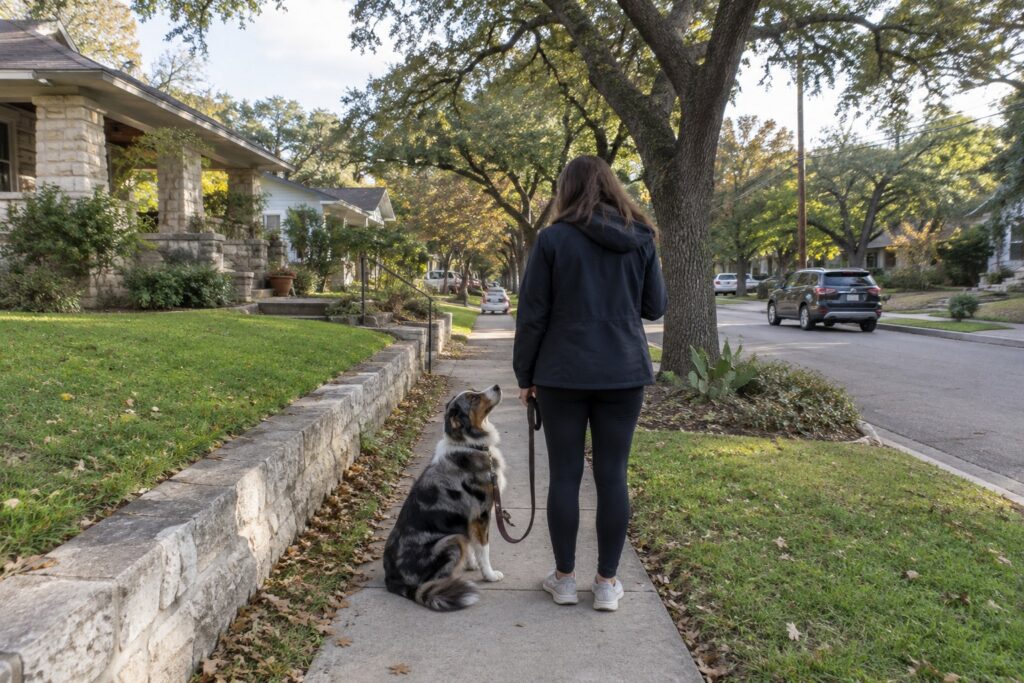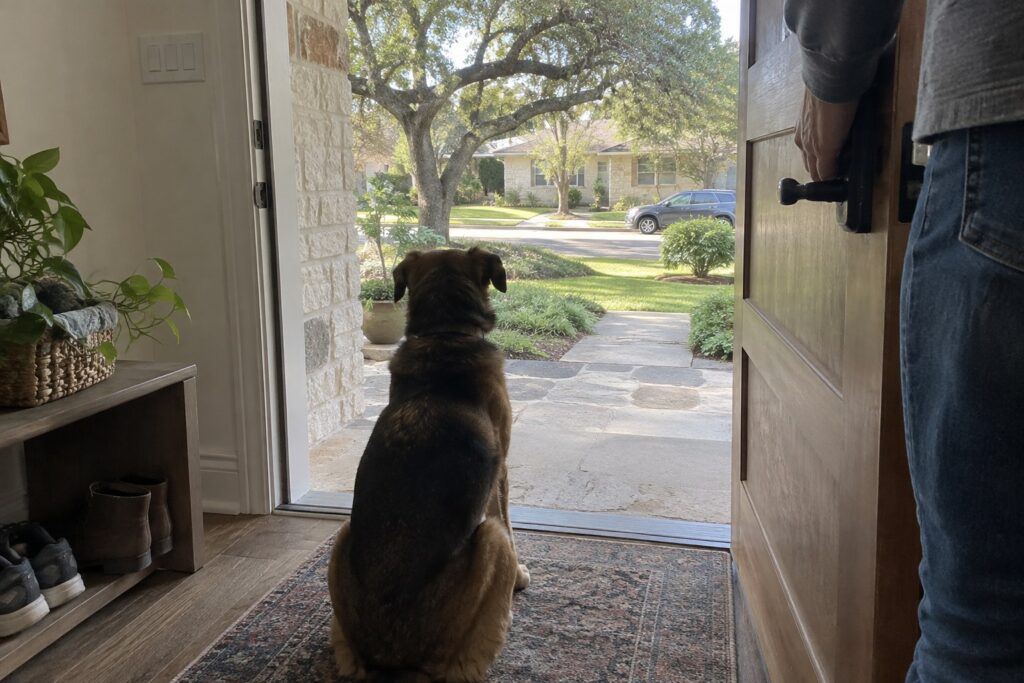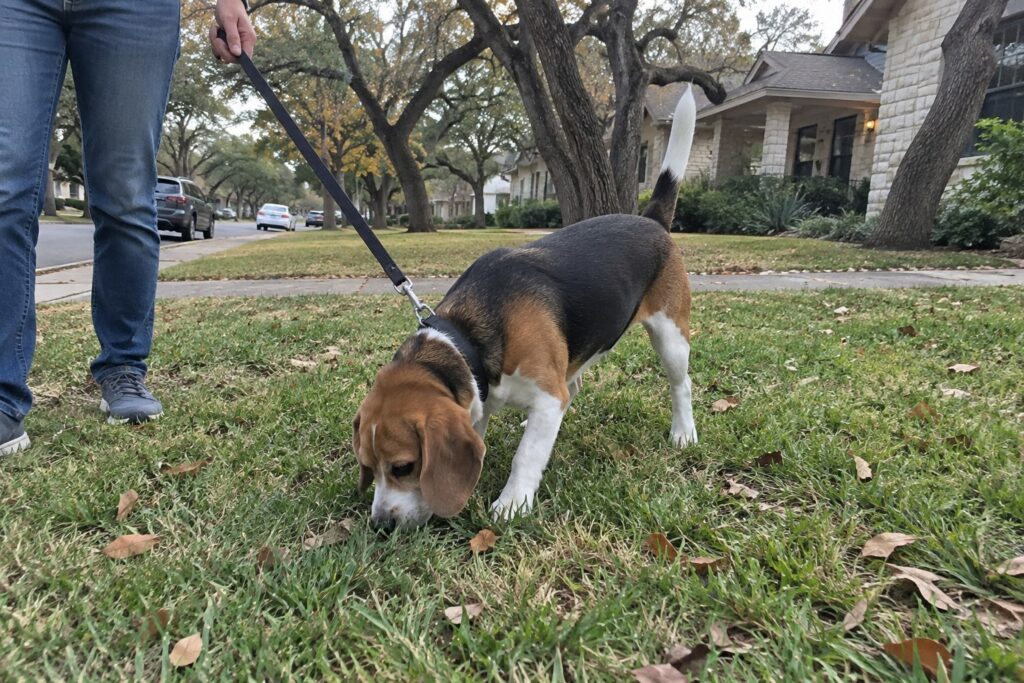

Dog bite prevention is a genuine public safety concern for Bossier City families, particularly in military housing near Barksdale Air Force Base where new adults and unfamiliar visitors regularly enter homes with dogs. All Dogs Unleashed Dog Training Bossier City serves families across Bossier City and Bossier Parish from our facility at 4500 Benton Rd Suite 200, Bossier City, LA 71111, providing professional behavioral modification and obedience training that gives dog owners in the Ark-La-Tex region the structured instruction needed to reduce bite risk before an incident occurs.
The nine rules below reflect what our trainers observe and correct every working day. Ready to address your dog’s behavior before it becomes a safety issue? Our team is here to help.
Key Takeaways
- Dog bite prevention starts with foundational obedience training that teaches your dog to respond reliably under real-world conditions.
- Households near Barksdale Air Force Base may have unfamiliar adults entering the home, making thoughtful introductions and supervision important.
- Fear-based aggression can require structured behavioral guidance from qualified trainers.
- Proactive training and supervision can help families manage bite risk.
- Teaching young children how to approach dogs safely is an important prevention step.
The 9 Dog Bite Prevention Rules Every Bossier City Family Should Follow
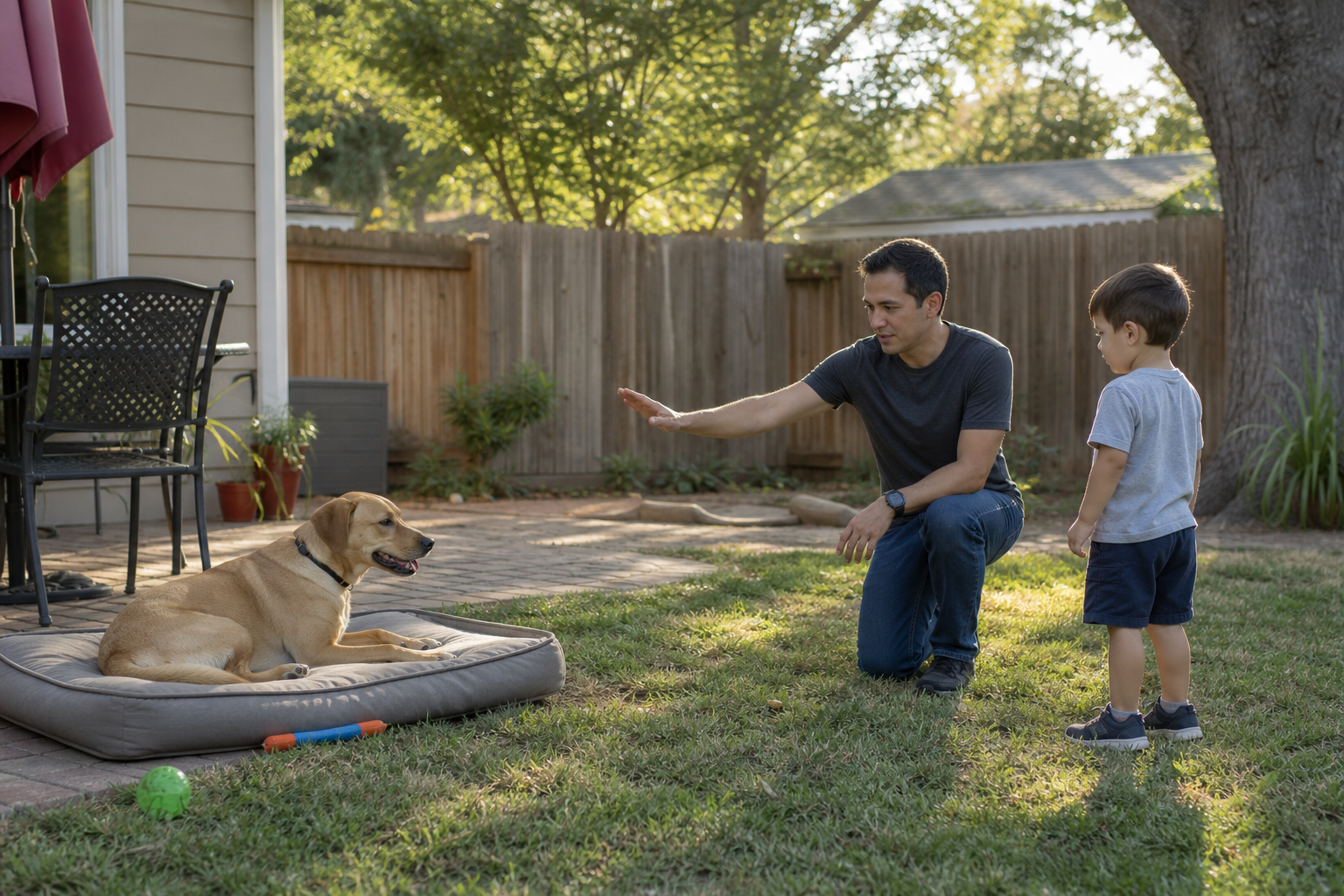
These nine rules move from the foundational to the situational. Each one addresses a specific context where bites happen most: the home, public spaces, and encounters with unfamiliar dogs. Read them first, then work through the body-language and self-assessment sections that follow to apply them to your own dog.
Rule 1: Establish Foundational Obedience Commands
Foundational compliance, specifically sit, stay, come, heel, and leave it, creates a reliable communication framework between owner and dog. These commands give your dog a structured response to unpredictable situations rather than a fear-driven one. Our in-home dog training for household-specific bite prevention builds this foundation in the environment where most bites actually occur.
Rule 2: Supervise Children with Active Engagement, Not Passive Presence
Unsupervised child-dog interactions can create situations where bites are more likely to occur. Supervision means you are physically present and actively monitoring, not in the next room. Young children must be taught never to approach a dog without an adult directing the interaction.
Rule 3: Establish a “Do Not Disturb” Protocol
Pain-induced and sleep-startled bites are among the most preventable household bite types. Every household member, including guests, must understand that a resting or eating dog is not to be approached, touched, or startled. Post clear household rules and enforce them consistently.
Rule 4: Reinforce “Leave It” and “Place” Across All Household Members
“Leave it” redirects predatory and resource-driven impulses before they escalate. “Place” provides a structured retreat that lowers environmental stress during high-traffic moments. Both commands require consistent reinforcement from every adult in the home, not just the primary handler.
Rule 5: Socialize Your Dog to Local Stimuli
Fear-based reactivity is a direct precursor to aggression, and this area presents specific environmental stressors. Aircraft noise from Barksdale, high foot traffic near the CenturyLink Center, and seasonal Red River outdoor events all produce sudden auditory and crowd stimuli that poorly socialized dogs find threatening. Proactive exposure through structured outdoor training, including trail and public-space work, reduces this reactivity significantly.
Rule 6: Use the Leash as a Primary Prevention Tool
Keeping your dog under physical control in public spaces helps reduce the chance of unsafe encounters. Arthur Ray Teague Parkway and busy neighborhood sidewalks generate frequent dog-to-stranger encounters where a leash is the first and most immediate intervention. A loose dog cannot be redirected before it reaches a trigger.
Rule 7: Address Resource Guarding Through Behavioral Modification
Resource guarding over food, toys, or resting spaces is a leading cause of household bites and should not be managed through punishment alone. Behavioral modification implemented by qualified trainers produces durable results. Punishment-based corrections applied inconsistently often increase guarding intensity rather than reduce it.
Rule 8: Consider Spay or Neuter as One Layer of Prevention
Spaying or neutering is a decision to discuss with your veterinarian. It does not replace structured behavioral training for dogs with fear, resource guarding, or learned aggression. It is one layer of a broader prevention strategy, not a standalone solution.
Rule 9: Seek Professional Assessment for Any Dog with a Bite History
Repeated growling, snapping, or any bite incident requires professional behavioral assessment, not owner-managed correction attempts. All Dogs Unleashed Dog Training Bossier City delivers a structured board and train program for bite-risk dogs, backed by a written guarantee and lifetime support. Dogs with escalating aggression patterns require the daily instruction and skilled handling that a residential program provides.
See if your dog qualifies for our board and train program. Call (318) 562-6536 for a bite risk assessment with our team.
Why Dog Bites Happen Closer to Home Than You Think
Most people picture a bite as a stray lunging from an alley. The reality is far more domestic. The dogs that bite are usually the ones a family already knows, and the incidents unfold along familiar routes: a food bowl reached over at dinner, a nap interrupted by a curious toddler, a leashed walk that turns tense when another dog appears.
Homes with children, unfamiliar visitors, and multiple dogs can create situations where thoughtful supervision and training matter.
All Dogs Unleashed Dog Training Bossier City developed this guide specifically for families across Bossier City and Bossier Parish who need more than generic public health advice. The nine rules above address home environments, public spaces, and unfamiliar dog encounters with practical prevention steps. For dogs already displaying warning signs, our board and train program for bite-risk dogs provides structured professional intervention with a written results guarantee.
Why Bite Risk Reduction Matters for Bossier City Households
The Scope of Dog Bite Risk in the Region
Bite risk reduction is not a peripheral concern for local families. It is a documented public safety issue affecting households across the Ark-La-Tex region every year. Dog bites can result in serious injuries, especially when children are involved.
A critical misconception drives many of these incidents: most bites do not come from unfamiliar strays. They come from dogs the victim already knows, often the family dog or a neighbor’s dog encountered on a routine walk or in a shared yard.
Louisiana Owner Liability and What It Means for You
Dog-bite liability can involve important legal questions. If a bite occurs, consult a qualified Louisiana attorney for advice about the specific situation.
Structured behavioral intervention can help owners address risk and build safer routines.
Which Dogs and Situations Carry the Highest Risk
Breed is a poor predictor of bite risk. Behavioral history and training status are far stronger indicators. The situations that most reliably precede bites in household settings include resource guarding, fear response, pain-induced aggression, and predatory drift. Resource guarding in particular is frequently misread as normal possessiveness until a child reaches for a food bowl or toy. Fear response escalates when unfamiliar adults enter the home, a pattern common in many Bossier City households experiencing frequent personnel rotations.
Summer heat and severe-storm noise can affect a dog’s comfort and stress level, particularly for dogs already prone to anxiety. A dog bite risk assessment with a qualified trainer is the most reliable way to identify which of these triggers applies to your dog before an incident occurs.
How to Read Dog Body Language Before a Bite Occurs
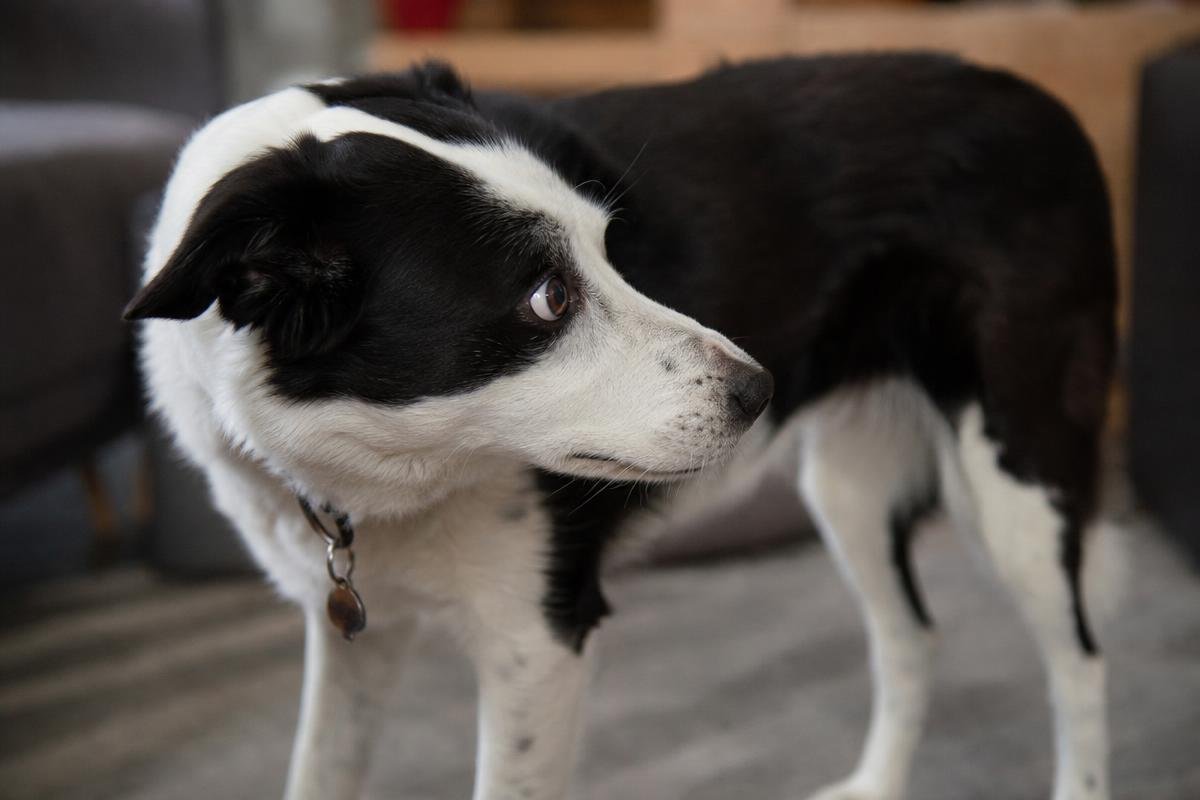
Most dog bites do not happen without warning. Dogs communicate rising stress through a sequence of physical signals that begin well before any contact occurs. Families in higher-density residential corridors, where dog-to-stranger encounters happen daily, need to recognize these signals as household knowledge, not optional awareness.
What Are the Early Warning Signs a Dog May Bite?
The earliest warning signs a dog may bite are subtle calming signals: whale eye, lip licking, stress yawning, raised hackles, a weight shift to the rear legs, and a stiff low tail. Your dog is attempting to de-escalate a situation before it reaches a crisis point. Recognizing these signs early is the foundation of effective bite prevention.
- Whale eye: Visible white sclera at the edge of the eye, often paired with a turned head while the dog keeps its gaze fixed forward
- Lip licking outside of feeding context: A rapid tongue flick with no food present indicates anxiety, not anticipation
- Stress yawning: A wide, slow yawn occurring in a non-drowsy context
- Piloerection along the dorsal line: Raised hackles from the neck toward the tail indicate heightened arousal
- Weight shift to rear legs: Your dog is preparing to react, either by retreating or advancing
- Stiff tail held low or horizontally: Distinct from a relaxed wag; the entire body becomes rigid
Early socialization during the developmental window significantly reduces the fear-based stress responses that drive these calming signals toward escalation. Our dog training programs in Bossier City address foundational behavioral development before these patterns become fixed.
What Signals Mean a Bite Is Imminent?
When early signals go unaddressed, a bite becomes a near-term possibility, and the clearest warnings are a hard stare, a closed tight mouth, a low growl, a snap without contact, and a full freeze response. Your dog’s communication has shifted from calming to warning.
- Hard stare with dilated pupils: Unbroken eye contact paired with a motionless body
- Closed mouth with tight facial muscles: The relaxed open mouth disappears; lips may pull back slightly
- Low growl: A sustained, low-frequency vocalization that signals genuine threat assessment
- Snap without contact: A final warning before a bite connects
- Freeze response: Complete cessation of movement, often misread as calm, is one of the most reliable pre-bite indicators
A critical professional distinction separates skilled trainers from general advice: growling is a communication signal, not a behavior to eliminate through punishment. Punishing a growl removes your dog’s warning system entirely. The underlying stress remains; the signal does not. This increases bite risk without addressing the cause.
How Do You Teach Children to Recognize the Signs?
Teach children a short set of non-negotiable rules and reinforce them until they become automatic. Children in base-adjacent neighborhoods encounter unfamiliar dogs regularly at public greenspaces and on neighborhood walks, so these safety tips must be framed as household rules, not casual suggestions.
- Never approach a dog that is eating, sleeping, or nursing
- Never reach over a dog’s head; approach from the side and below
- Always ask the owner before greeting an unfamiliar dog
- If a dog stiffens or stares, stop moving and avoid direct eye contact
If your dog is already displaying escalation signals in the presence of children or visitors, our board and train program for bite-risk dogs provides structured behavioral modification in a controlled environment.
Is My Dog a Bite Risk? A Behavioral Self-Assessment
Most dog bites are preceded by warning signs that owners either missed or dismissed as minor. This dog bite risk assessment gives owners a structured way to evaluate their dog’s behavior before an incident occurs.
Behavioral Indicators to Evaluate
Answer yes or no to each of the following. Be honest. Your dog’s history, not your intentions, determines the risk.
- Has your dog growled at a family member within the past 30 days?
- Has your dog snapped at a visitor or a child?
- Does your dog guard food, toys, or resting spaces with stiff posture or hard staring?
- Has your dog bitten without breaking skin, what trainers call a warning bite?
- Does your dog display extreme leash reactivity toward strangers on neighborhood walks?
- Does your dog show fear responses in routine social situations, such as guests entering the home?
- Does your dog exhibit predatory behavior toward smaller animals or young children?
- Has your dog’s stress response worsened during thunderstorms, a common trigger in the Ark-La-Tex region?
Several “yes” answers indicate that a professional behavioral evaluation may be helpful. Seeking guidance early can help families address concerns before they worsen.
Situational Risk Factors in Local Households
Behavioral indicators do not exist in isolation. Certain household conditions elevate bite risk independent of a dog’s baseline temperament. Homes with children under 10 present higher exposure. Homes with frequent visitors or multiple dogs can require extra attention to introductions, routines, and supervision. Dogs with limited socialization histories are especially vulnerable in these environments.
What to Do If Your Dog Scores High
A high score is not a verdict. It is a signal that your dog needs structured behavioral evaluation before the situation escalates. All Dogs Unleashed Dog Training Bossier City offers professional assessment for bite-risk dogs, with a residential program structured for dogs requiring accelerated behavioral results. Call (318) 562-6536 to schedule an evaluation. No commitment to a full program is required to start the conversation.
Concerned your dog may be a bite risk? Call (318) 562-6536 to schedule a free bite risk assessment with our trainers.
How Professional Training Reduces Bite Risk
Behavioral self-assessment identifies the problem. Professional training resolves it. Dogs with documented aggression histories, resource guarding, or fear-based reactivity require structured daily instruction delivered by qualified trainers, not incremental corrections applied inconsistently at home. Our team works with bite-risk dogs across the Caddo-Bossier metro area, applying behavioral modification protocols backed by a written results guarantee and lifetime support upon graduation.
Board and Train for Bite-Risk Dogs
Our residential program places your dog in a structured training facility where skilled handlers deliver behavioral modification and foundational compliance work every day. Removing your dog from the home environment eliminates the reinforcement patterns and household triggers that slow recalibration. For dogs with documented bite-risk behaviors, this immersive format produces accelerated results that in-home correction alone rarely achieves.
The program is backed by a written guarantee and includes lifetime support, so the compliance your dog builds in the facility transfers and holds at home.
In-Home Training for Household-Specific Triggers
Some bite risks are location-specific. Door-greeting aggression, resource guarding at feeding stations, and tense child-dog interactions are best addressed where they actually occur. Our in-home training applies behavioral modification protocols in your exact environment, making it the most direct path to real-world application for household-specific bite prevention.
For families in the Barksdale area, where personnel rotations bring unfamiliar adults into the home regularly, this format addresses the precise trigger rather than a simulated version of it.
What Local Owners Report After Training
Owner accounts consistently describe dogs returning from board and train with foundational compliance that persists in the home environment. Recurring language across our owner testimonials includes phrases like “great training foundation” and “thorough class at the end of the training schedule,” reflecting the structured, results-oriented approach our trainers apply. The goal is to help families build safer routines and address concerning behavior with professional support when needed.
Local Conditions That Increase Bite Risk
Generic safety tips rarely account for the specific conditions that shape daily life in this part of the state. Three local factors, military household turnover near Barksdale, high-traffic public greenspaces, and the region’s demanding climate, create bite-risk scenarios that owners here face with greater frequency than most.
Military Community Households and Rotating Visitors
Residential neighborhoods surrounding Barksdale Air Force Base experience a level of personnel rotation that few civilian communities match. Dogs in these households regularly encounter unfamiliar adults entering the home, a documented trigger for territorial and fear-based aggression. Structured door-greeting protocols and a reliable “place” command are not optional for dogs living in base-adjacent areas. Our in-home dog training for household-specific bite prevention addresses exactly this pattern, building predictable behavior at the threshold before a bite incident occurs.
Outdoor Spaces and Leash-Reactive Encounters
Arthur Ray Teague Parkway and the trail corridors near the amphitheater area draw a high volume of families with young children and leashed dogs. Off-leash encounters in these spaces are a primary bite scenario. Leash reactivity is a well-documented aggression trigger, and how to prevent dog bites in these settings depends directly on your dog’s ability to remain controlled around unfamiliar dogs and people. Consistent dog training programs build the foundational obedience needed for safe public outings.
Seasonal and Environmental Stressors
Summer heat and severe storms can make some dogs less comfortable or more reactive. Plan outdoor time around the weather and ask a qualified trainer or veterinarian for guidance if your dog shows anxiety.
Recognizing these environmental contributors is a critical component of keeping your family safe from bites year-round.
Frequently Asked Questions
How do I keep my young child safe around our family dog?
The safest household environment for young children combines foundational obedience for the dog with structured behavioral rules for the child. Teaching your dog reliable “place” and “leave it” commands gives you immediate tools to interrupt escalating behavior before it reaches the bite threshold. Active supervision is non-negotiable; no amount of training replaces an adult physically present during every dog-child interaction.
Does spaying or neutering eliminate bite risk?
Spaying or neutering is a decision to discuss with your veterinarian. It does not eliminate bite risk rooted in fear, resource guarding, or learned behavior. Behavioral modification remains necessary for dogs whose aggression has a non-hormonal basis.
Does breed determine whether my dog will bite?
A dog’s individual behavior, training history, socialization, and environment all matter when assessing bite risk. Any dog can bite under sufficient stress. Safety tips that focus solely on breed overlook the environmental and behavioral factors that actually drive incidents.
What happens legally if my dog bites someone in Louisiana?
If a dog bites someone, seek appropriate medical attention and consult qualified local legal counsel about the specific situation and any reporting requirements.
When should bite prevention training start?
Bite prevention training and socialization should begin early, using an approach that suits your dog’s age, health, and individual needs. A qualified trainer or veterinarian can help families choose an appropriate starting point. Our trainers offer dog training programs in Bossier City designed to build this foundation from the earliest appropriate age.
Can a dog with a bite history ever be trusted again?
Many dogs with bite histories can make meaningful progress through structured behavioral modification. Prognosis depends on the severity and frequency of prior incidents, the dog’s age, and the owner’s commitment to the process. To discuss your dog’s specific history, call our team at (318) 562-6536.
If your dog has growled, snapped, or bitten, or if you want to get ahead of the risk before a problem develops, contact our team at (318) 562-6536.
We work with dogs across the greater Caddo Parish and Bossier area from our location at 4500 Benton Rd Suite 200, Bossier City, LA 71111. Our board and train program for bite-risk dogs is built for dogs that need real behavioral results, not temporary fixes. Every program is backed by a written guarantee and lifetime support. Call today and let our team assess what your dog actually needs.
Ready to Get Started with All Dogs Unleashed Dog Training Bossier City?
Call (318) 562-6536 to speak with our team directly. We’re ready to answer your questions, walk you through your options, and help you find the right solution for your needs. Whether you’re just starting to plan or ready to move forward, we’ll make the process simple and stress-free. Reach out today and let’s talk about how we can help.