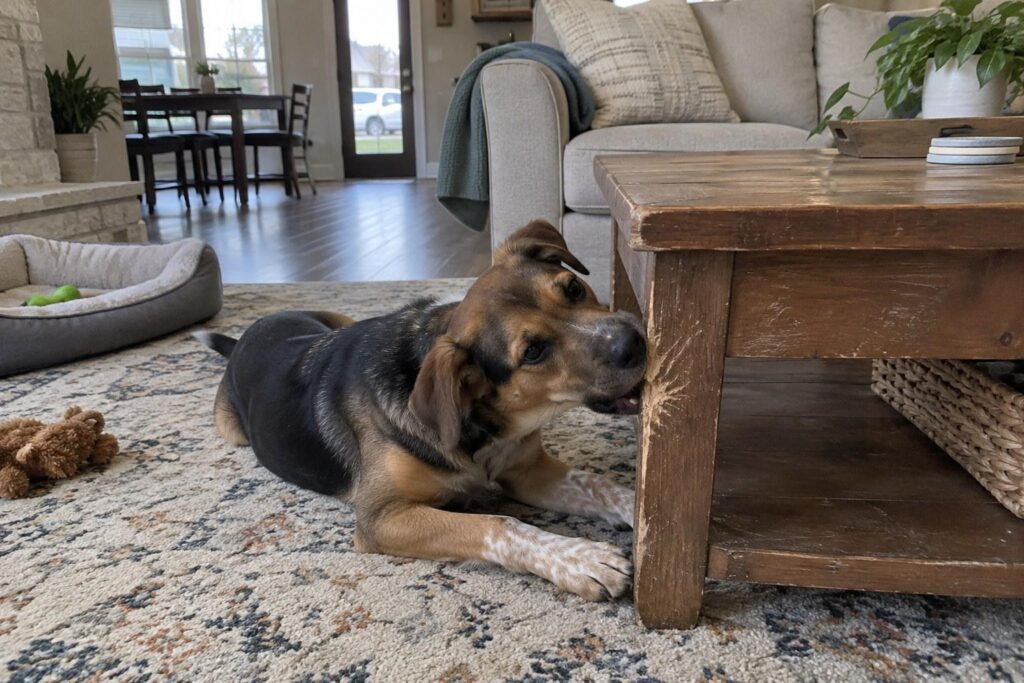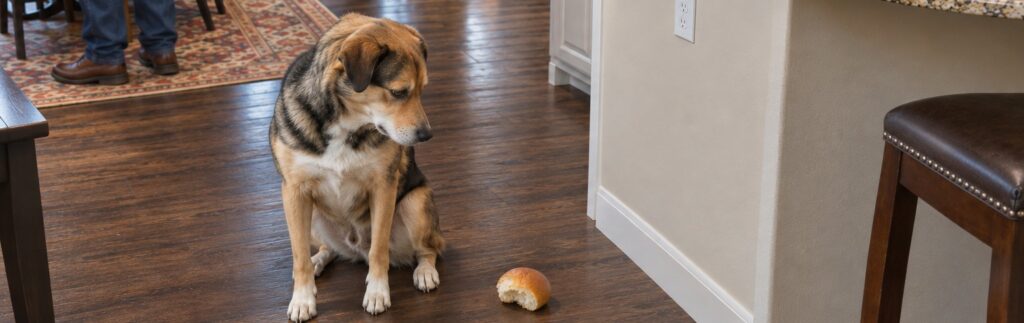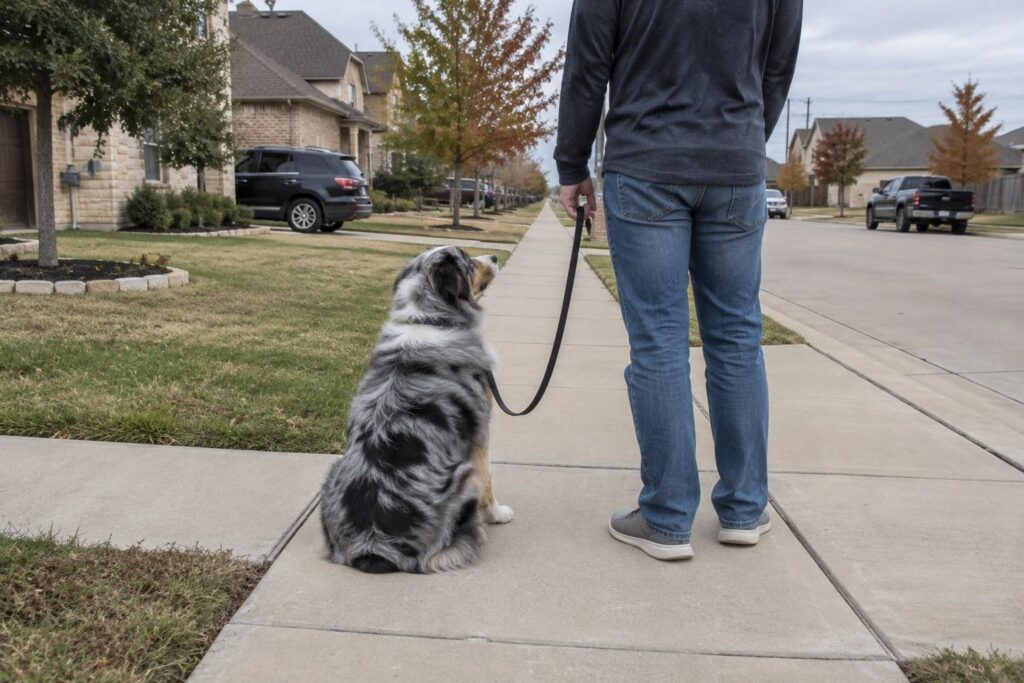

Cane corso training is not the same as training a Labrador or a Beagle, and Dallas owners figure that out fast. A Corso puppy is cute for a few months, then you are suddenly holding the leash of a powerful guardian dog with real opinions about strangers, other dogs, and your front door.
At All Dogs Unleashed, we work with big, strong, confident dogs every week at our Carrollton training facility and in homes across the Metroplex. Below is the plan we would hand you on day one: how to socialize a guardian breed the right way, how to handle a dog who may outweigh you, and how to build the impulse control that keeps everyone safe.
Want a clear plan for your Corso before bad habits set in?
Key Takeaways
- The AKC describes the Cane Corso as smart, trainable, assertive and confident, which means structure and clear leadership matter more than with most breeds.
- Socialization for a guardian breed is about calm neutrality around people, dogs and noise, not about turning your Corso into a dog who greets everyone.
- Leash handling has to be solid before your dog reaches full size, because strength alone will never win a tug of war with a mature Corso.
- Impulse control skills like waiting at doors, holding a place command and releasing toys on cue are the backbone of a safe, livable guardian dog.
- A structured two-week Board and Train program can give your Corso concentrated daily practice, followed by a final handoff lesson where you learn to handle the dog yourself.
Why Cane Corso Training Needs a Different Approach
Every dog benefits from training. A Cane Corso needs it. The difference comes down to what the breed was built to do and how much dog you end up holding once your puppy grows up.
What the AKC Says About the Breed
According to the American Kennel Club breed profile, the Cane Corso is “smart, trainable, and of noble bearing,” and the AKC calls the assertive and confident Corso “a peerless protector.” The AKC also notes that the breed’s lineage goes back to ancient Roman times and that the name roughly translates from the Latin as “bodyguard dog.”
The AKC lists males at 25 to 27.5 inches tall and females at 23.5 to 26 inches, with weight proportionate to height. That is a lot of muscle attached to a brain that was bred to make its own decisions about threats. Training is how you make sure your decisions come first.
Guardian Instinct Is Not a Behavior Problem
A Corso who watches the street, stiffens at a knock, or positions himself between you and a stranger is not broken. That is the breed showing up. The goal is not to erase guardian instinct. The goal is to put it on a leash, figuratively and literally, so your dog looks to you before acting.
Problems start when a young Corso learns that he gets to decide who is welcome. Barking at the fence line, lunging at delivery drivers, and blocking guests at the door all grow from that same root. Clear rules and consistent handling move the decision-making back to you.
Size Changes the Stakes
A small dog who jumps on a guest is annoying. A Corso who jumps on a guest can knock someone down. A small dog who lunges on the leash is embarrassing. A Corso who lunges can pull you off your feet on a sidewalk in Uptown.
This is why we tell Corso owners to treat training as a safety issue, not a hobby. Behaviors that are cute at 20 pounds get much harder to manage at full size, so the time to set rules is right now, whatever age your dog is today.
| Behavior | Typical Small or Medium Dog | Cane Corso |
|---|---|---|
| Jumping on guests | Annoying, rarely dangerous | Can knock over a child or older adult |
| Leash lunging | Owner can usually hold on | Owner can be pulled off balance or dragged |
| Guarding the door | Noisy but easy to move | Hard to physically redirect without trained cues |
| Ignoring recall | Frustrating | Can create real risk around people and other dogs |
Socializing a Guardian Breed in Dallas
Socialization is the most misunderstood part of raising a Corso. Owners hear the word and picture a dog who loves every stranger and plays with every dog at the park. For a guardian breed, that is usually not realistic, and it is not the goal.
What Good Socialization Looks Like for a Corso
Good socialization produces a dog who is calm and neutral. Your Corso sees a jogger, a stroller, a skateboard, or another dog, notices it, and goes back to walking with you. No lunging, no fixating, no frantic greeting. Just quiet confidence.
That means you are not trying to get every person to pet your puppy. You are building hundreds of short, positive, low-pressure experiences where new things happen near your dog and nothing bad follows. Reading your dog during those reps is a huge part of the skill, and our post on understanding canine body language covers the signals to watch for, like a stiff body, hard stare, or closed mouth.
Where to Practice Around Dallas
Start in quiet places and work up. A calm residential street in Lakewood or the M Streets on a weekday morning is a good first step. Your puppy can hear traffic, see people at a distance, and smell new things without being crowded.
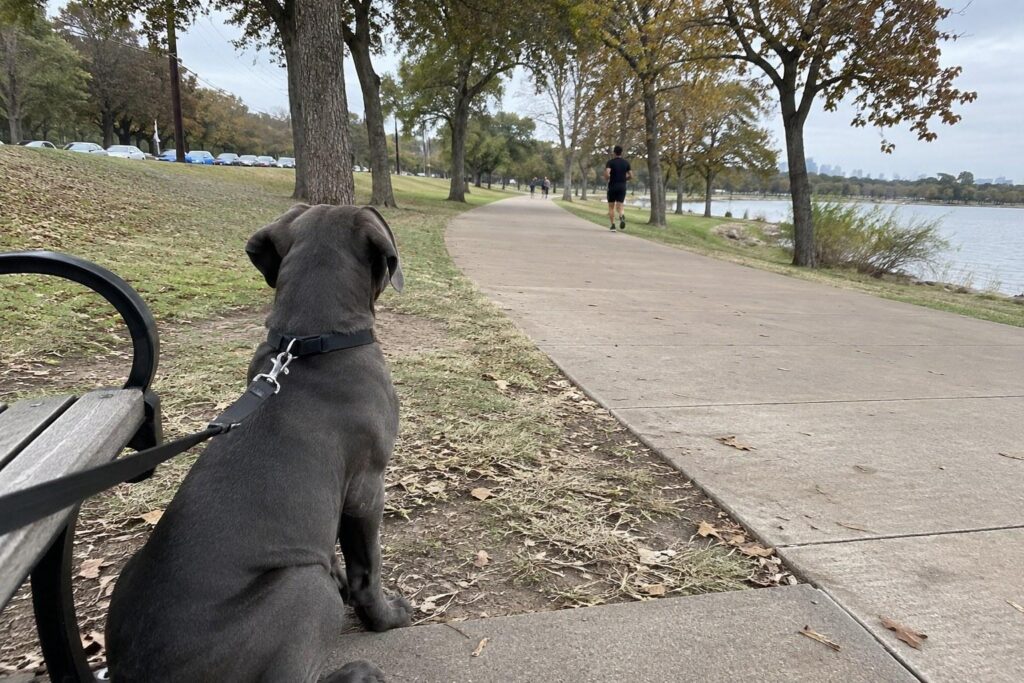
Once your dog stays relaxed there, move to busier edges. Sit on a bench near the outskirts of White Rock Lake and let the world go by at a distance. Later, walk the quieter stretches of the Katy Trail early in the day before the cyclists and runners pile up. Save packed spots like Klyde Warren Park on a weekend for much later, when your dog has proven he can stay neutral.
Mistakes That Backfire with Guardian Breeds
The biggest mistake is flooding: dropping a young Corso into a crowded, chaotic setting and hoping he gets used to it. Guardian dogs often learn the opposite lesson. They decide the world is overwhelming and that they need to handle it themselves.
Other common mistakes include letting strangers rush up to your puppy, forcing greetings when your dog is unsure, and using off-leash dog parks as a socialization shortcut. Many large guardian dogs do not enjoy rough play with unfamiliar dogs, and one bad experience can stick. If your Corso already reacts to people or dogs, our post on reactive dog training in Dallas explains how to work on it before it grows.
The Puppy Window Matters
The earlier you start, the easier this gets. Puppies take in new experiences more readily than adult dogs, and every calm rep you bank early pays off later. Talk with your veterinarian about when your puppy can safely visit public places based on vaccinations, and use your own home, yard, and car rides in the meantime.
Corso puppies also go through a teenage stretch where confidence spikes and listening drops. Expect it and plan for it. Our post on the adolescent puppy phase walks through what that looks like and how to stay consistent.
Leash Handling for a Dog Who May Outweigh You
With a Corso, leash skills are not optional polish. They are the difference between a pleasant walk through Bishop Arts and a dangerous one. You need a dog who walks on a loose leash, checks in with you, and stays with you when something exciting appears.
Start Before Your Dog Is Strong
The best time to teach loose leash walking is when you can still physically manage your dog. Every time your puppy pulls and gets to move forward, he learns that pulling works. By the time he is fully grown, that habit is very hard to reverse with muscle.
Stop when the leash goes tight. Move forward again only when it loosens. Reward your dog for being at your side, and change direction often so he learns to watch you. Our post on why Dallas dogs pull on the leash breaks this method down step by step.
Gear That Helps and Gear That Hurts
Gear supports training. It does not replace it. For most Corsos we suggest a sturdy flat leash about six feet long and a well-fitted collar or harness that your dog cannot back out of. A good fit matters more than any brand name.
| Gear | Good For | Watch Out For |
|---|---|---|
| Six-foot flat leash | Clear, consistent communication | Wrap only loosely so you can release it safely |
| Front-clip harness | Redirecting forward momentum | Needs a proper fit on a deep chest |
| Martingale collar | Dogs who slip standard collars | Not for leaving on unsupervised |
| Retractable leash | Not recommended for Corsos | Rewards pulling and gives little control |
Passing People and Dogs on Dallas Sidewalks
Dallas sidewalks are often narrow, and trails get crowded. Teach your Corso a simple routine for passing: move him to your far side, ask for attention, and keep walking at a steady pace. If he cannot stay calm, create more distance by crossing the street or stepping off the path.
A large dog staring hard at a passerby can scare someone even if the dog means nothing by it. Check the leash rules for the parks and trails you use too; our post on leash laws and off-leash etiquette in DFW is a helpful starting point.
Want a trainer to build these skills with your Corso every day for two weeks?
Building Impulse Control in a Cane Corso
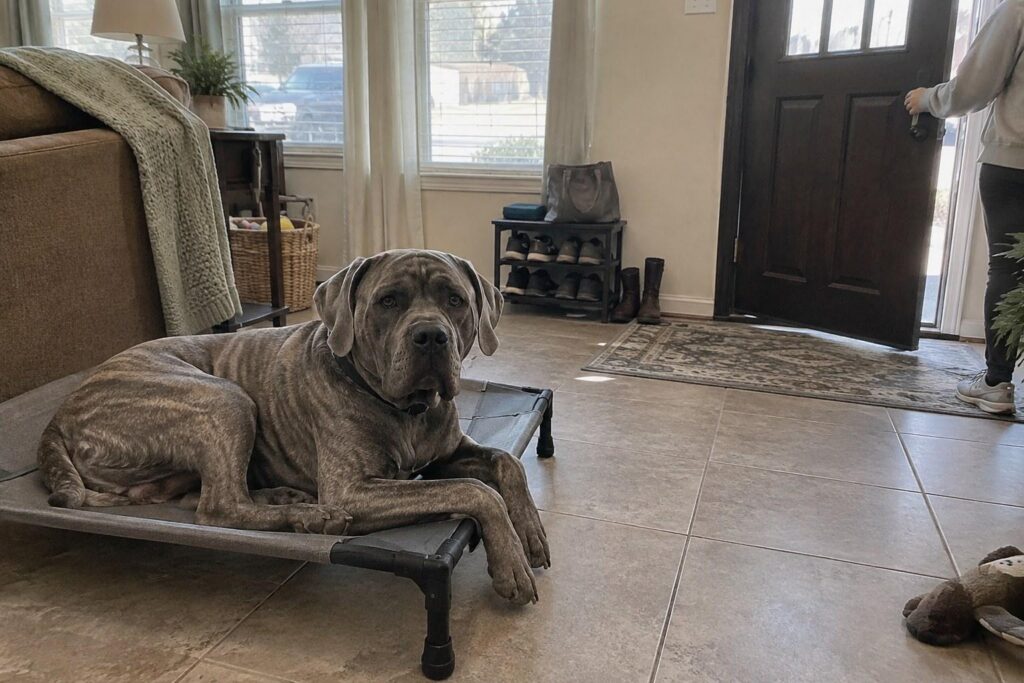
Impulse control is the skill that ties everything together. A Corso with good impulse control can feel the urge to chase, guard, or grab and still wait for your cue. That pause is what makes a guardian dog safe to live with.
Door Manners and Thresholds
Doors are where a lot of guardian behavior shows up. Teach your Corso to sit and wait at every door until you release him. Start with no distractions, then add a knock, a doorbell, and finally a real guest. Your dog should never be the first one to greet someone at the door.
The Place Command
A reliable place command gives your Corso a job when the house gets busy. You send him to a bed or raised cot, and he stays there, relaxed, until released. It is one of the most useful skills for guardian breeds because it replaces hovering, blocking, and pacing with calm.
Build duration slowly. Start with a few seconds, then a minute, then longer stretches while you cook dinner or answer the door. Reward calm, and calmly put your dog back if he breaks the position.
Food, Toys and Mouthing
Teach “leave it” and “drop it” early, and practice them every day. A Corso who releases a toy or walks away from food on cue is much easier and safer to manage. Hand feeding part of a meal and trading toys for treats can help your puppy learn that hands near his things are a good sign.
Corso puppies are mouthy, and a large-breed puppy’s bite gets strong quickly. If your puppy is grabbing hands, sleeves, or leashes, our post on how to stop puppy biting and nipping covers practical fixes. If you ever see growling over food or toys, talk to a professional trainer before it escalates.
Calm Before Rewards
Make calm behavior the price of everything your dog wants. Sit before the leash goes on. Wait before the food bowl goes down. Settle before the door opens for a walk. Your Corso learns that slowing down pays off.
| Impulse Control Skill | Everyday Situation | Why It Matters for a Corso |
|---|---|---|
| Wait at doors | Guests, deliveries, walks | Keeps you in charge of who enters |
| Place | Busy kitchen, visitors | Replaces hovering and blocking with calm |
| Leave it | Dropped food, wildlife on walks | Stops grabbing and chasing before it starts |
| Drop it | Toys, stolen items | Reduces the risk of guarding |
How Professional Training Fits Your Corso’s Plan
Guardian breeds reward getting the foundation right the first time, which is where professional training helps.
The Two-Week Board and Train Program
Our Board and Train program is a fixed two-week residential program with daily structured instruction. It starts with an initial assessment at intake so we can build a customized plan around your dog. The program covers obedience such as sit, stay, come, and heel, along with leash pulling, jumping, barking, biting, and aggression, plus structured socialization.
For owners who want more, the advanced level works on off-leash reliability, distance commands, and impulse control. At the end, a final handoff lesson shows you how to handle your Corso so the results carry over at home. Board and Train comes with guaranteed results and lifetime support at no additional charge, and Affirm financing is available.
Private Lessons at Home or at Our Facility
Some Corso problems live inside the house: blocking the door, crowding guests, or claiming the couch. Those are often best handled in your own space. Our in-home dog training lessons focus on household boundaries like staying off furniture, waiting at doorways, and staying calm when guests arrive, and they let every family member learn the same handling.
Private lessons are also available at our Dallas facility, with follow-up support between sessions so you are not left guessing.
Keeping Skills Sharp at Home
Training does not end when the program does. Keep rules consistent across everyone in the house, practice short sessions most days, and keep exposing your dog to new places at a pace he can handle.
If you are not sure which path makes sense for your dog, call us at (972) 484-3647 and we will talk through your Corso’s age, habits, and goals.
About All Dogs Unleashed
All Dogs Unleashed is a dog training company serving Dallas and the DFW Metroplex from our training facility in Carrollton. We work with strong, confident breeds like the Cane Corso on socialization, leash handling, obedience, and impulse control. Our two-week Board and Train program provides daily structured instruction with guaranteed results and lifetime support, and our private lessons help families build calm household routines at home or at our facility. Our goal is a guardian dog you can trust in any setting.
Frequently Asked Questions
Are Cane Corsos easy to train?
The AKC describes the Cane Corso as smart and trainable, so most learn quickly with clear, consistent structure. The challenge is that they are also assertive and confident, which means they test boundaries, especially during adolescence. Short daily sessions, fair rules, and steady handling work best. Owners who stay consistent usually see strong progress, while inconsistent rules tend to create a pushy dog.
When should I start training my Cane Corso puppy?
Start the day your puppy comes home. Simple routines like sitting for food, waiting at doors, and walking on a loose leash can begin right away. Ask your veterinarian when your puppy can safely visit public places based on vaccinations. Our Board and Train puppy program accepts puppies at 14 to 16 weeks for owners who want structured help early.
How do I socialize a Cane Corso without making it aggressive?
Aim for calm neutrality rather than friendliness with everyone. Expose your Corso to people, dogs, sounds, and places at a distance where he stays relaxed, then slowly move closer over many sessions. Avoid crowded, chaotic settings early and do not force greetings. Watch body language closely, and if you see stiffness, staring, or growling, add distance and consult a professional trainer.
Can a Cane Corso go to the dog park?
Many large guardian dogs do not enjoy rough play with unfamiliar dogs, so off-leash dog parks are often a poor fit, especially for adolescents. One bad encounter can create lasting reactivity. Structured walks, controlled meetings with known calm dogs, and practice at a distance from activity are safer ways to build social skills. Always follow posted leash rules in Dallas parks.
How do I stop my Cane Corso from pulling on the leash?
Stop moving whenever the leash goes tight, and move forward only when it loosens. Reward your dog for walking at your side and change direction often so he watches you. Use a sturdy six-foot leash and a well-fitted collar or harness. Start in quiet areas and add distractions slowly. Strong pullers often benefit from daily work with a professional trainer.
Is Board and Train a good fit for a Cane Corso?
For many Corso owners it is. Our two-week Board and Train program gives your dog daily structured instruction built around an initial assessment, covering obedience, leash pulling, jumping, and structured socialization. The advanced level adds impulse control and off-leash reliability. A final handoff lesson teaches you to handle your dog afterward, and the program includes guaranteed results and lifetime support.
Good cane corso training gives you a confident guardian who stays calm, walks politely, and waits for your cue. If you want help building that foundation, call (972) 484-3647 or reach out online. Our training facility at 2401 Luna Rd in Carrollton serves Dallas and the entire DFW Metroplex.
Ready to Get Started with All Dogs Unleashed?
Your Corso has the brains and the drive to be an outstanding companion. Give him the structure to match. Call our team at (972) 484-3647 to talk through your dog’s training plan. You can also visit All Dogs Unleashed at 2401 Luna Rd, Carrollton, TX 75006.