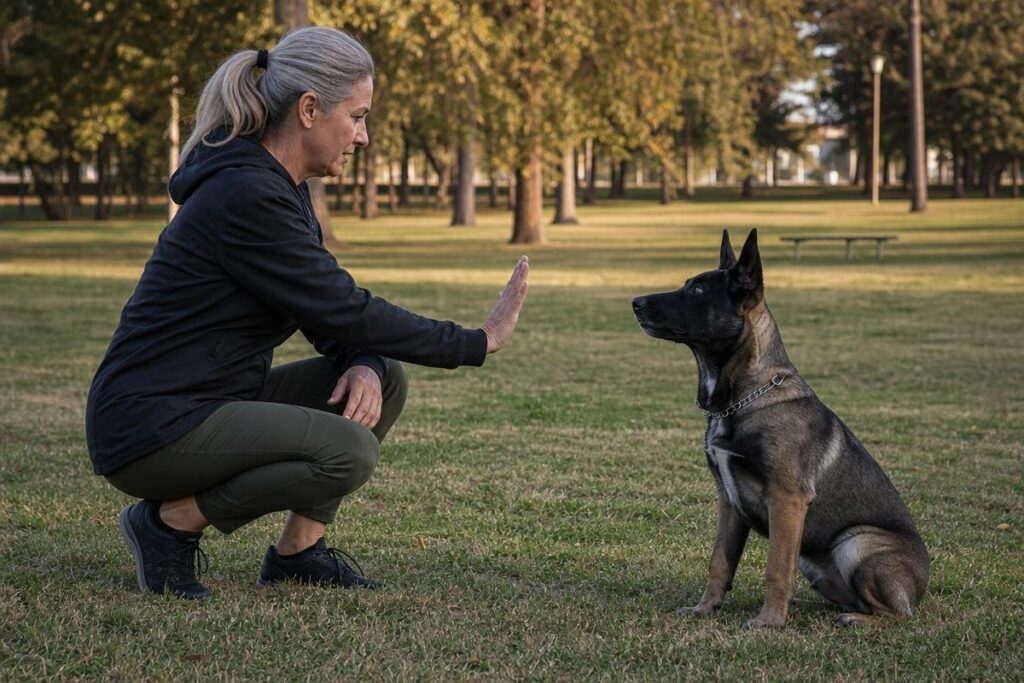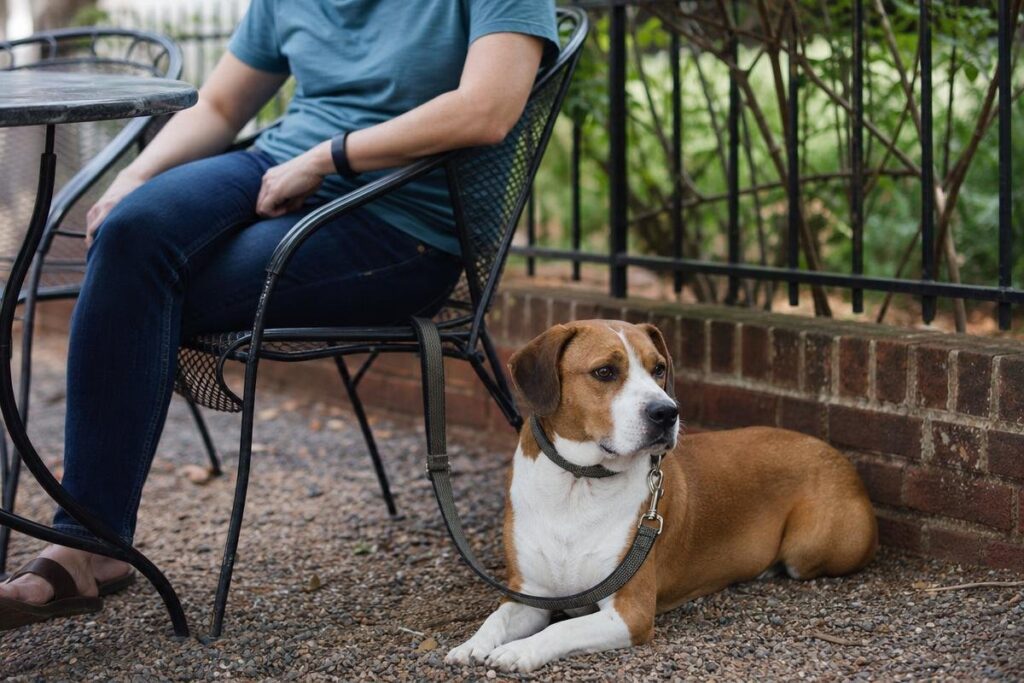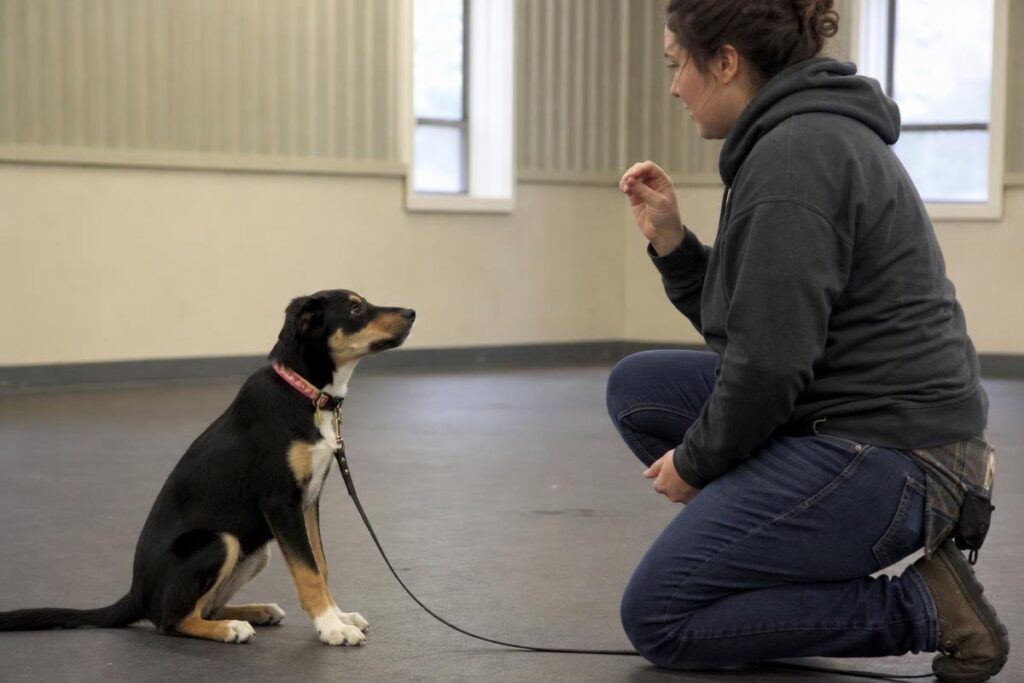

Adopting a dog from Caddo Parish Animal Services or through one of the region’s active rescue networks is a meaningful decision, and the first weeks at home set the foundation for every behavior that follows. Many Shreveport families unknowingly make training errors during this critical adjustment period that compound over time and become significantly harder to correct.
All Dogs Unleashed Dog Training Shreveport works with newly adopted dogs every week, delivering structured adopted dog training backed by a written satisfaction guarantee and lifetime support from a training staff that understands the behavioral histories these dogs bring into your home. Avoid the mistakes that make adopted dog training harder than it needs to be. Book your dog’s baseline evaluation and get a plan built for your rescue.
Key Takeaways
- Adopted dog training requires a structured approach from day one to prevent fear-based and anxiety-driven behaviors from becoming permanent habits.
- Most training mistakes happen in the first 30 days, before owners recognize that inconsistency is the root cause of behavioral problems.
- Dogs from rescue networks often carry incomplete behavioral histories, making professional behavior work more effective than self-directed training alone.
- Our team at 1220 Shreveport Barksdale Hwy, Shreveport, LA 71105 offers programs designed specifically for dogs adjusting to a new home environment.
Why Newly Adopted Dogs Require a Different Training Approach
Newly adopted dog behavior differs fundamentally from the behavioral profile of a dog raised in a single household from puppyhood. Dogs placed through Caddo Parish Animal Services or regional rescue groups frequently arrive with incomplete histories, unresolved stress responses, and no established bond with their new owner. Beginning structured obedience instruction before addressing those foundational conditions produces slower results and, in many cases, deepens behavioral problems rather than resolving them.
What Is the 3-3-3 Rule for Adopted Dogs?
The 3-3-3 rule describes the adopted dog adjustment period in three distinct phases: three days of acute overwhelm, three weeks to recognize routine, and three months to reach genuine environmental acclimation. During the first 72 hours, many newly placed dogs are still adjusting to shelter life, transport, and an unfamiliar environment. Begin with calm routines and introduce obedience work gradually as your dog settles in.
Why Do Shelter Dogs Show Conditioned Behavioral Responses?
Some shelter dogs may show fear, hypervigilance, or resource-guarding tendencies as they adjust to a new environment. Behavioral histories are not always complete, so a baseline assessment can help determine an appropriate training approach. Our experienced trainers can assess your dog’s needs before recommending a formal program, helping match the training approach to the dog’s history and current behavior.
Why Do Shelter Dogs Show Fear and Anxiety in New Homes?
Shelter dogs show fear and anxiety in new homes because the bonding process is incomplete and the environment is entirely unfamiliar. Separation anxiety is a clinical condition requiring targeted intervention, and it is distinct from the normal adjustment anxiety most newly adopted dogs display in the first several weeks.
Destructive behavior, excessive vocalization, and house-soiling can occur during an adjustment period and are not character defects. Start with calm routines, management, and guidance suited to your dog’s needs. Our in-home dog training services in Shreveport allow our handlers to assess fear and anxiety responses inside the dog’s actual living environment, where those responses are most accurately observed and most directly addressed.
Common Rescue Dog Behavior Issues Shreveport Owners Face
Dogs placed through local shelters and regional rescue groups frequently arrive in new homes carrying behavioral patterns shaped by shelter stress, inconsistent handling, and unknown prior histories. These presentations are not personality flaws. They are predictable responses to environmental disruption, and they respond well to structured training delivered by qualified handlers. Recognizing the three most common issues early prevents them from becoming entrenched habits.
Leash Reactivity and On-Walk Aggression
Leash reactivity is the most frequently reported newly adopted dog behavior complaint we hear from owners in the South Highlands and Broadmoor areas. Your dog lunges, barks, or fixates on passing dogs and pedestrians because the leash creates a trapped sensation that amplifies fear, not because your dog is dominant or aggressive. Neighborhood streets around Betty Virginia Park and Stoner Park expose this response within the first days of adoption, creating immediate safety concerns before any foundational obedience is in place.
Our in-home dog training services in Shreveport address leash reactivity through real-world application, working in the exact environments where the behavior occurs rather than in controlled settings that do not replicate street-level triggers.
House-Training Regression in a New Environment
Shelter records frequently list dogs as house-trained, and that record is often accurate for the shelter environment. New flooring, unfamiliar scent markers, and a disrupted daily routine remove the elimination cues your dog previously relied on. Observable signs include accidents in previously clean areas, marking on vertical surfaces, and anxiety-triggered elimination during the first weeks at home. This is a training reset, not a behavioral defect, and it requires consistent structured daily instruction to re-establish reliable habits.
Food Guarding and Resource Sensitivity
Dogs with histories of food scarcity or multi-dog shelter competition commonly display stiffening, growling, or snapping when approached during meals. This is resource guarding, a survival-rooted behavior that signals discomfort, not unprovoked aggression. Left unaddressed, it escalates. Our board and train program in Shreveport addresses resource guarding through structured desensitization protocols, with post-training support after training is complete.
The 12 Adopted Dog Training Mistakes Shreveport Owners Should Avoid
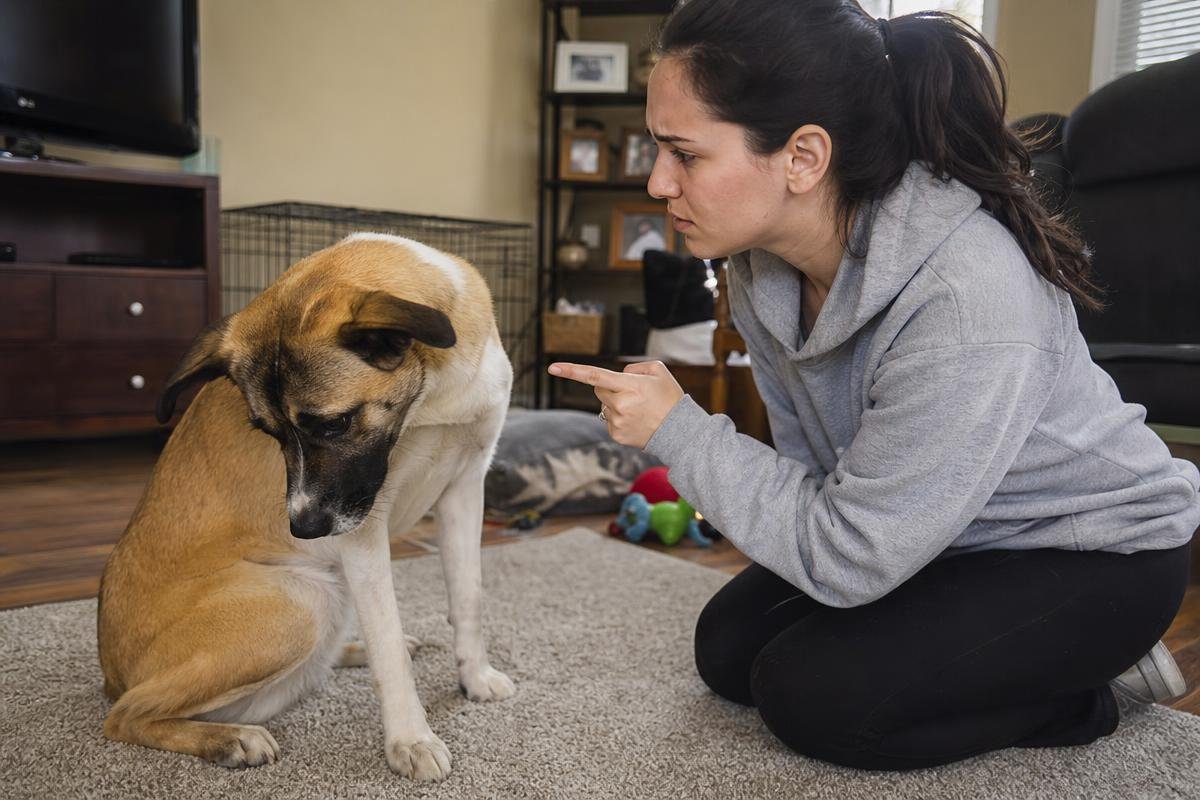 Adopted dog training fails most often not because owners lack dedication, but because common assumptions about shelter dogs lead to predictable errors. Rescue dogs across the Ark-La-Tex arrive with incomplete behavioral histories, stress responses that mask their true temperament, and adjustment needs that standard training timelines do not account for. The 12 mistakes below represent the most consistent points of failure our staff observes in newly adopted dogs brought to us after weeks of unsuccessful self-directed work.
Mistakes 1-4: Environment and Expectations
Mistake 1: Social flooding during decompression. Introducing your newly adopted dog to every family member, neighbor, and household pet within the first 48 hours overwhelms a nervous system already operating under acute stress. Decompression requires quiet, limited stimulation, and predictable routines before social exposure begins.
Mistake 2: Premature full-home access. Giving your dog unrestricted access to the entire house before foundational compliance is established creates anxiety rather than comfort. Structured confinement to a defined space allows your dog to build confidence in a manageable environment before expanding boundaries.
Mistake 3: Over-reliance on shelter behavioral assessments. Shelter evaluations are conducted under high-stress conditions that rarely reflect how your dog will behave in a home environment. Treat any behavioral notes from intake as a starting point, not a complete picture.
Mistake 4: Skipping a veterinary behavioral baseline. Pain, thyroid dysfunction, and neurological conditions all present as behavioral problems. A veterinary evaluation before training begins rules out medical contributors and ensures your dog is physically capable of engaging in structured instruction.
Mistakes 5-8: Training Timing and Technique
Mistake 5: Starting formal commands in the first 72 hours. Your dog cannot learn reliably while the stress hormone cortisol is elevated. As covered in the section on the adjustment period, the decompression window must close before formal obedience work begins, or early commands fail to transfer to long-term retention.
Mistake 6: Using punishment-based corrections before trust is established. Correction-based methods applied before a bond exists produce shutdown behavior, avoidance, and increased fear responses. Trust must precede any correction protocol, particularly with dogs carrying unknown trauma histories.
Mistake 7: Inconsistent command vocabulary across household members. If one person says “down” to mean lie flat and another uses it to mean off the furniture, your dog receives contradictory signals that prevent reliable conditioning. Every person in the household must use identical commands, delivered with identical timing.
Mistake 8: Training sessions that exceed 5 to 10 minutes in the first month. Newly adopted dogs fatigue cognitively far faster than settled dogs. In Northwest Louisiana’s summer heat, with temperatures regularly exceeding 95°F and high humidity, outdoor sessions must be kept short for both cognitive and physical welfare. Prolonged sessions produce diminishing returns and increase frustration on both ends of the leash.
Mistakes 9-12: Consistency, Socialization, and Professional Support
Mistake 9: Substituting off-leash yard time for structured leash work. Yard access does not build leash manners, recall reliability, or the behavioral compliance your dog needs in public. Board and train programs in Shreveport address foundational leash compliance before off-leash freedom is introduced, because the sequence matters.
Mistake 10: Misreading calming signals as defiance. Yawning, lip-licking, ground-sniffing, and turning away are displacement behaviors that signal stress, not stubbornness. Applying corrections during these moments escalates anxiety and teaches your dog that training is a source of threat rather than structure.
Mistake 11: Delaying socialization past the critical early exposure window. Waiting until your dog “settles in” before introducing public environments creates avoidance patterns that become progressively harder to reverse. The trails and open space along the Red River present real-world traffic, pedestrians, and off-leash dogs that your dog must learn to navigate. Structured, graduated exposure during the adjustment period is far more effective than delayed socialization after fear responses are already conditioned.
Mistake 12: Attempting complex training work without professional support. Online shelter dog training tips address general scenarios. They do not account for your dog’s specific behavioral history, reactivity triggers, or the compounding effect of multiple unresolved issues. All Dogs Unleashed Dog Training Shreveport provides in-home dog training services in Shreveport with post-training support, delivered by handlers who assess your dog’s actual behavior rather than a generalized profile. When self-directed training is making behavior worse, professional intervention is the appropriate next step, not a different YouTube channel.
If your newly adopted dog’s behavior is not improving, our team can assess exactly where the process is breaking down. Call (318) 593-7321 to get a training plan built for your rescue dog.
Rescue Dog Training: Which Program Is Right for Your Newly Adopted Dog?
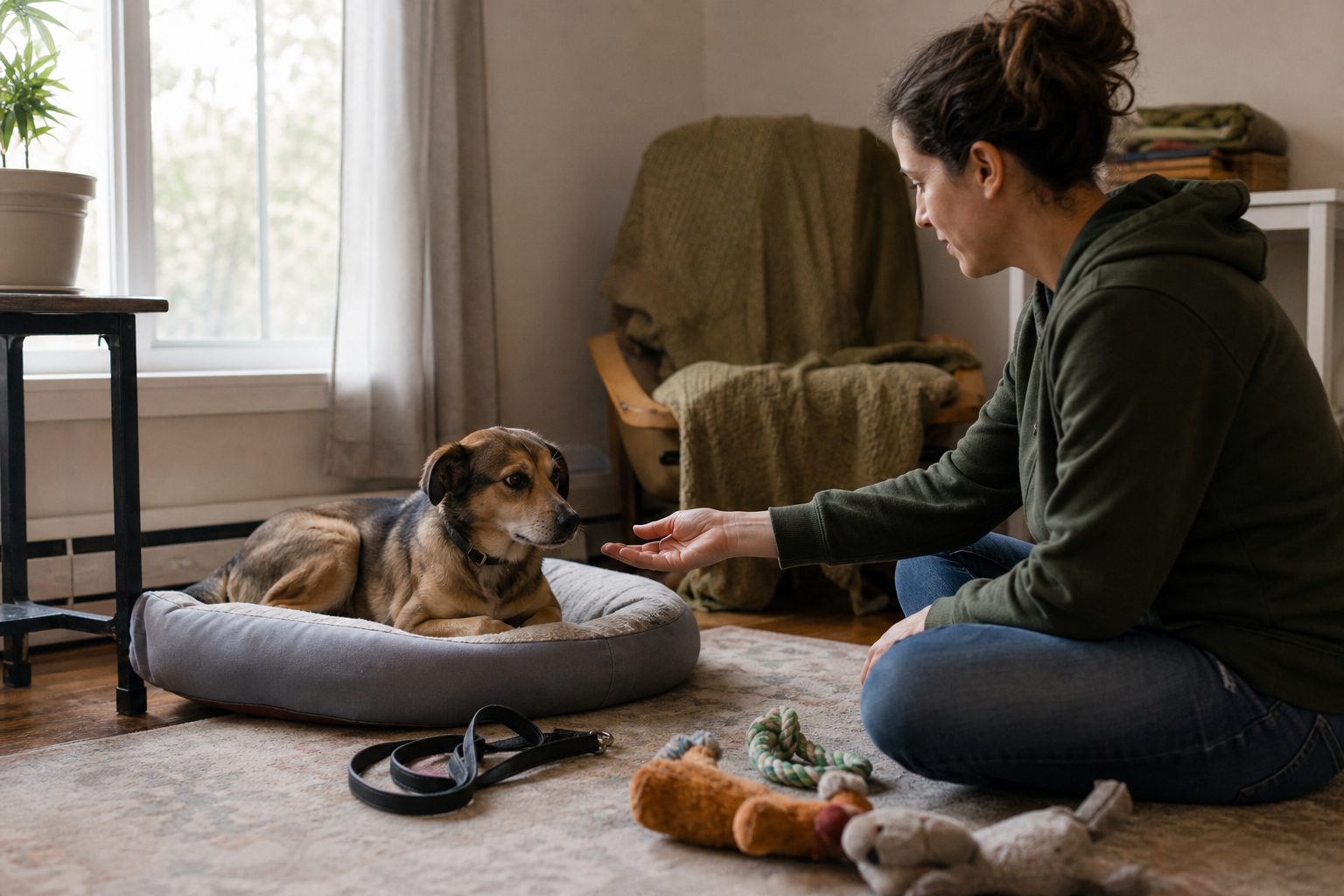
All Dogs Unleashed Dog Training Shreveport provides two primary rescue dog training formats for adopted dogs, and the right choice depends on your dog’s behavioral history, current stress level, and the specific challenges you are facing at home. Dogs placed through local shelters and rescue groups often arrive with incomplete behavioral histories, which makes program selection a critical first step rather than an afterthought.
Board and Train: Accelerated Results for High-Need Dogs
Our board and train program in Shreveport places your newly adopted dog in a structured facility at 1220 Shreveport Barksdale Hwy, Shreveport, LA 71105, where our handlers provide structured daily instruction across every interaction, not just scheduled sessions. This format produces accelerated results for dogs carrying significant post-adoption issues such as reactivity, fear-based aggression, or severe leash pulling. Every program includes lifetime follow-up support, so the work does not stop when your dog comes home.
Board and train is appropriate for fearful or anxious rescue dogs precisely because the controlled environment removes the unpredictable household triggers that reinforce unwanted behavior during the decompression period.
In-Home Training: Working in the Dog’s Own Environment
Our in-home dog training services in Shreveport bring a trainer directly into your home, where the work happens in the environment your dog actually lives in. This format is particularly effective for house-training regression, resource guarding, and separation anxiety because the trainer can assess environmental triggers firsthand rather than working from a description. Owners across South Highlands and surrounding residential neighborhoods consistently report that in-home work gives them the confidence to handle real situations independently.
Advanced Training After the Adjustment Period
Once foundational obedience is established and your dog has completed the decompression period, advanced obedience and off-leash reliability training become appropriate next steps. Adopted dogs that demonstrate the temperament and drive for advanced obedience work can continue building reliable skills after the adjustment period. Our team remains available through ongoing support to guide that progression at a pace that matches your dog’s development.
Adopted Dog Training in Shreveport: Local Conditions That Affect the Process
How Shreveport’s Climate Affects Training Session Planning
Shreveport’s subtropical climate creates real constraints for newly adopted dogs during the adjustment period. Average summer highs exceed 95°F, and the region’s persistent humidity elevates physiological stress in dogs already managing the anxiety of a new home. Elevated body temperature compounds fear responses and reduces a dog’s capacity to retain new commands during outdoor sessions.
Schedule outdoor training for early morning or evening hours throughout the summer months. Shaded residential routes near Broadmoor and Anderson Island offer lower-stimulation environments appropriate for introductory leash work. Our in-home services provide a climate-controlled alternative when outdoor conditions are not suitable for productive sessions.
Local Shelters, Regional Rescues, and Behavioral History Gaps
Northwest Louisiana supports active shelter and rescue networks that place dogs with varied, often incomplete behavioral histories into local households each year. A newly adopted dog may need time to adjust physically and behaviorally after a shelter stay. Schedule a veterinary visit and watch for changes that warrant professional guidance.
Owners should coordinate with a veterinarian and a professional trainer simultaneously during the first 30 days. Our training facility at 1220 Shreveport Barksdale Hwy, Shreveport, LA 71105 is centrally accessible to residential neighborhoods throughout the area. Our board and train program provides structured daily instruction with a written satisfaction guarantee for dogs arriving with incomplete or unknown behavioral histories.
Frequently Asked Questions
How long will it actually take to train my newly adopted dog?
Timeline depends on your dog’s prior history, temperament, and the severity of existing behavioral issues. Dogs without significant trauma histories typically achieve foundational compliance within 2 to 4 weeks of structured daily instruction. Fear-based behaviors, aggression, or severe anxiety may require 8 to 12 weeks of consistent work. Our team provides lifetime support throughout that process, so you are never left managing regression alone.
Should I wait until my dog settles in before starting any training at all?
The decompression period and early training are not mutually exclusive. Begin with calm structure, predictable routines, and brief positive crate conditioning after adoption. Save formal obedience drills and higher-pressure training for when your dog has had time to adjust, and introduce them gradually.
Is board and train safe for a dog that is already fearful or anxious?
For many fearful or anxious dogs, a structured facility environment actually offers more consistency than a busy household can provide during the adjustment period. Our board and train program in Shreveport delivers structured daily instruction that accelerates results precisely because the environment removes competing variables. Our handlers assess each dog’s baseline before programming begins, ensuring the approach matches the dog’s history rather than a generic protocol.
Can adult or senior dogs adopted from shelters still learn obedience?
Adult and senior dogs are fully capable of learning foundational obedience and responding to structured training. Pacing and technique may differ from puppy training, but outcomes are equally achievable with consistent, appropriate methods. If age-related cognitive changes are a concern, consult your veterinarian alongside your training program to rule out medical factors affecting responsiveness.
When should I call a professional instead of handling it myself?
Professional intervention is warranted when behavior disrupts daily household function: aggression toward family members, severe separation anxiety, house-soiling beyond the first two weeks, or leash reactivity that makes walks unsafe. Time alone does not resolve conditioned fear responses. If your newly adopted dog is showing signs of reactivity, resource guarding, or anxiety that is disrupting daily life, the window to address it effectively is now.
Call All Dogs Unleashed Dog Training Shreveport at (318) 593-7321. Our team at 1220 Shreveport Barksdale Hwy, Shreveport, LA 71105 will assess your dog’s behavioral baseline and match you with the right program. Results are backed by our written guarantee, and support continues for the life of your dog.
Ready to Get Started with All Dogs Unleashed Dog Training Shreveport?
Call (318) 593-7321 to speak with our team directly. We’re ready to answer your questions, walk you through your options, and help you find the right solution for your needs. Whether you’re just starting to plan or ready to move forward, we’ll make the process simple and stress-free. Reach out today and let’s talk about how we can help.