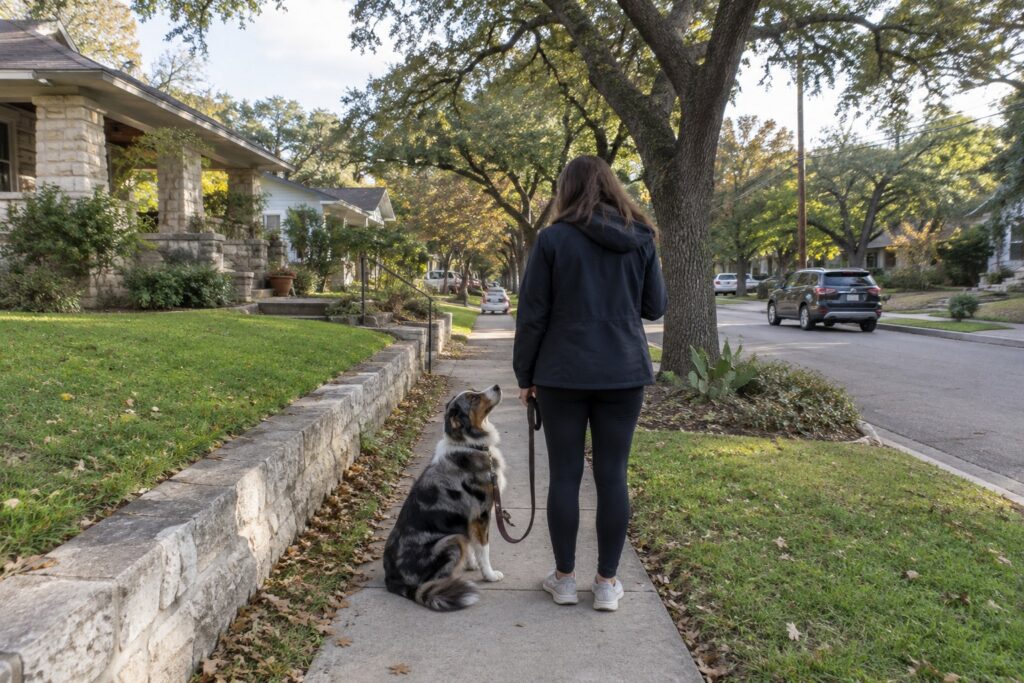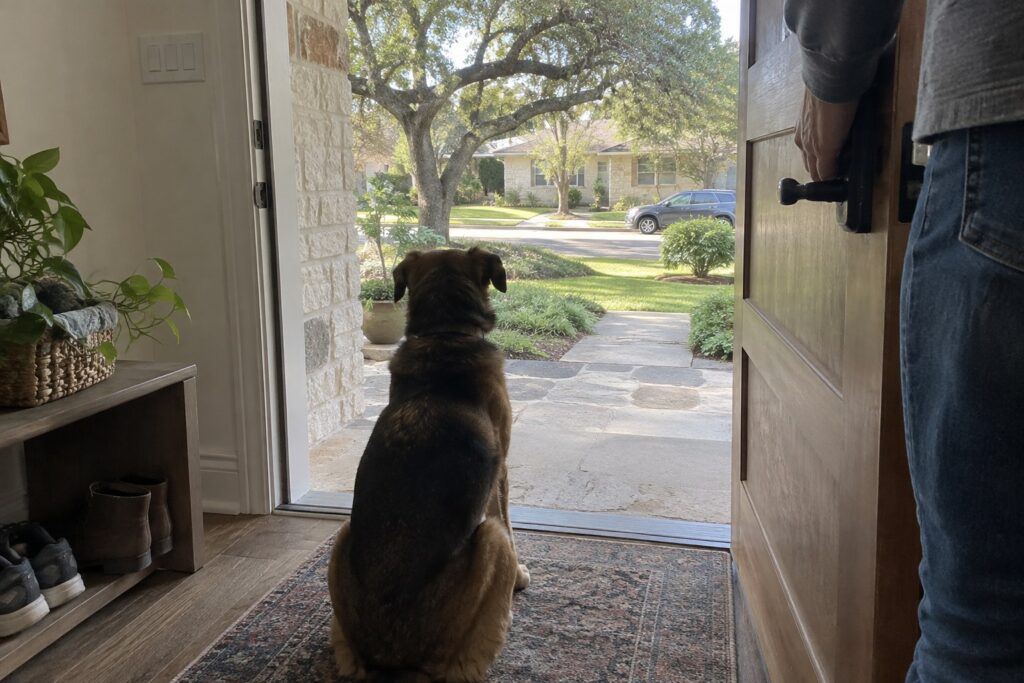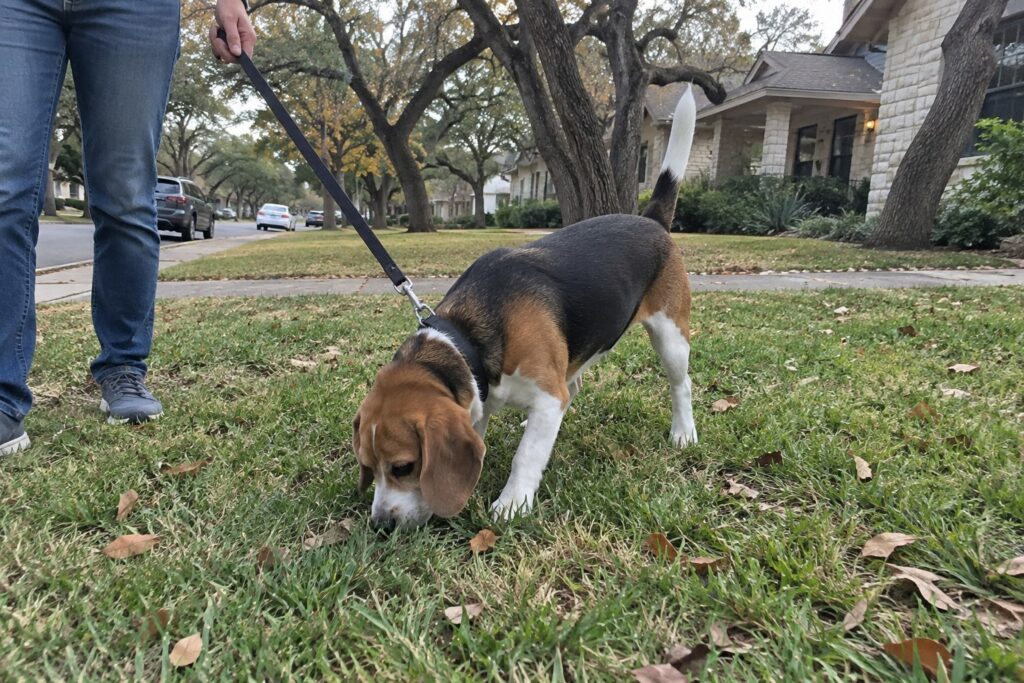

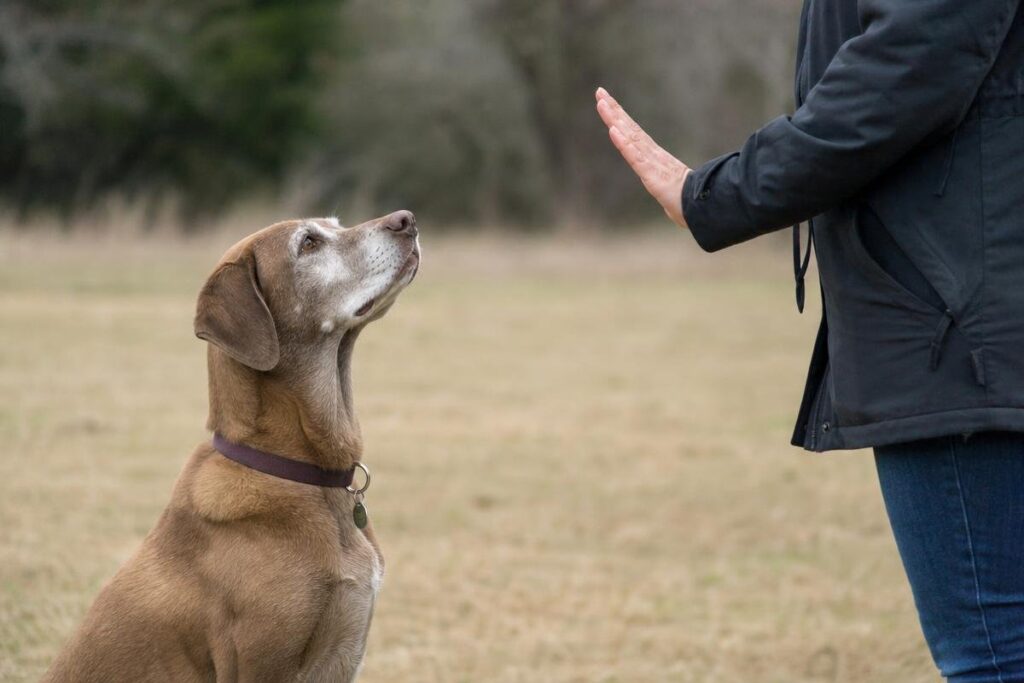
Yes, you really can teach an old dog new tricks. That idea gets dismissed all the time, but the dogs we work with disprove it constantly here in Fort Worth. Older dogs, adult dogs, even seniors with years of bad habits, they all respond to the right training approach. At All Dogs Unleashed Dog Training Fort Worth, we work with dogs of all breeds, ages, and temperaments, and our programs come backed by a money-back guarantee. Age is not the barrier most people think it is. Ready to see what your older dog is actually capable of? Let’s find out together.
Key Takeaways
- Older dogs can absolutely learn new behaviors, age alone does not prevent successful training.
- Teaching an old dog new tricks requires a structured, individualized approach matched to the dog’s pace and history.
- Senior and adult dogs in Fort Worth benefit from real-world practice in low-distraction settings before advancing to busier environments.
- Our programs include lifetime support for the full life of your dog, not just the weeks of active training.
- A money-back guarantee means you have nothing to lose by starting, regardless of your dog’s age or past behavior.
Old Dog, New Tricks: The Myth We Hear Most
Yes, your older dog can absolutely learn new commands. Dog owners around the Fort Worth area are proving it constantly, with adult and senior dogs picking up new skills, dropping bad habits, and responding reliably to their owners. The idea that old dog new tricks is impossible is one of the most common myths we hear, and it simply is not true.
This article covers four things that matter most for training adult and senior dogs in Fort Worth:
- What experience actually shows about how older dogs learn
- What is really blocking your dog from responding
- Which training methods work best for adult and senior dogs
- How a structured, individualized approach gets real results
If you have been told your dog is too old to train, keep reading.
What Experience Actually Shows About Older Dogs and Learning
Yes, your older dog’s brain is still capable of learning something new. Dogs retain the ability to form new habits and responses throughout their entire lives. The learning curve shifts as dogs age, but it does not disappear. Older dog obedience training works, and years of hands-on results back that up.
The Learning Ability Does Not Stop at Puppyhood
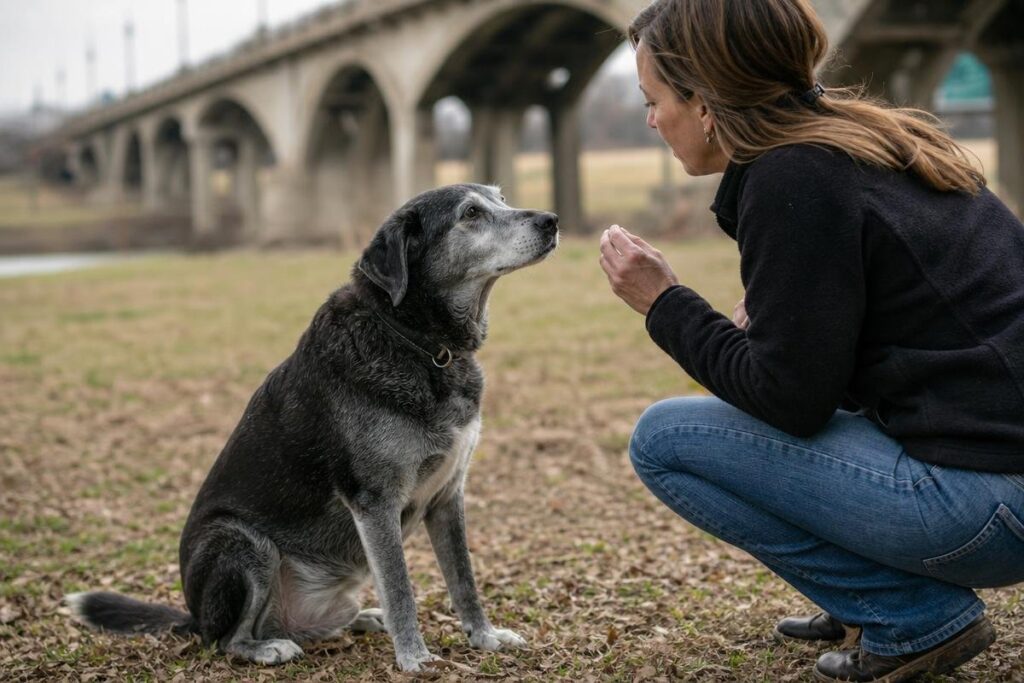
A dog’s brain keeps forming new connections well into adulthood and senior years. A 7-year-old Labrador or a 10-year-old Beagle can absolutely acquire new commands and routines. The door does not close at puppyhood.
Ingrained habits like leash pulling or nuisance barking do take more repetition to override. That is because those behaviors have been practiced for a long time, not because your dog is stubborn or incapable. Think of it like a well-worn trail. You can build a new path, but it takes more passes to make it the default route.
How Adult Dogs Process New Commands Differently Than Puppies
Here is something most owners do not expect: adult dogs often have a real advantage in training. Puppies are easily distracted and inconsistent. Adult dogs typically have longer, more stable attention spans. That means a focused training session can actually produce faster results with an older dog than a scattered session with a 12-week-old pup.
Owners in Keller and Benbrook have told us they tried group puppy classes years ago and found them chaotic. When they came back to us with their adult dog, they were surprised how much more their dog could absorb in a structured, one-on-one setting. That is exactly why our board and train program in Fort Worth is often the better fit for dog training for older dogs.
One important note: older dogs are more sensitive to pressure-based or aversive methods. An individualized approach reduces stress and gets you to reliable results faster. Can old dogs learn new commands? Consistently, yes. The method just has to match the dog.
Why Some Older Dogs Seem ‘Untrainable’ (And What Is Really Going On)
Your dog is not broken. If your older dog is still pulling on the leash, barking at every noise, or ignoring your recall command, that is not proof they cannot learn. It is proof those behaviors have been practiced and reinforced, sometimes for years, without a structured plan to replace them.
Ingrained Habits vs. Inability to Learn
Leash pulling, jumping on guests, nuisance barking, and blowing past a recall are conditioned responses. Your dog learned that those behaviors work. Every time the leash tension eased when they pulled, or a guest gave attention when they jumped, the behavior got stronger. That is not a personality trait. That is repetition without correction.
Owners in North Richland Hills contact us regularly after years of managing these behaviors rather than solving them. They have tried redirecting, ignoring, and hoping the dog would “grow out of it.” Consistent, structured adult dog training can interrupt those conditioned patterns and replace them with reliable responses. The distinction matters, and most generic articles skip right past it.
Health and Comfort Factors That Affect Training
Some older dogs do have physical factors that affect how they respond. Joint stiffness can make a dog reluctant to sit or lie down on command. Reduced hearing changes how they pick up verbal cues. Early vision changes affect how they track hand signals. None of these make senior dog obedience impossible. They make an individualized plan necessary.
If your dog is seven or older, a vet check before starting a new program is a practical first step, not optional. It rules out pain as a driver of behavior and gives a trainer the information they need to build sessions around your dog’s actual comfort level. You can also read more about cognitive decline in senior dogs and how it affects training response. One more note: Fort Worth summers push past 100°F regularly, so for senior dogs, early morning sessions are not just a preference. They are a health decision.
Not sure where your older dog stands? A quick conversation goes a long way.
The ‘Is My Dog Ready to Train?’ Quick Checklist
Here is a concrete readiness check. Answer yes or no:
- Has your vet cleared your dog for physical activity in the last six months?
- Does your dog respond to their name at least some of the time?
- Can your dog stand, walk, and move without visible pain or limping?
- Is your dog eating, drinking, and sleeping on a normal schedule?
- Does your dog show interest in food, toys, or attention from you?
Four or five “yes” answers means your dog is ready to start. Even two or three “yes” answers means training is worth a conversation. The behavior problems you are dealing with, whether that is leash pulling on Trinity Trails or ignoring commands at Quanah Parker Park, have a structured solution. Proving that an old dog new tricks mindset really works starts with a plan that fits the dog.
Training Methods That Work Best for Adult and Senior Dogs
Older dogs learn differently than puppies, and the training approach has to match that. Short, focused sessions work better than marathon practice. The right marker timing makes the difference between a dog that gets it and one that stays confused. Here is what actually works for adult and senior dogs.
Shorter Sessions, Higher Repetition
Keep each session to five or ten minutes. Older dogs hit mental fatigue faster than young dogs, and pushing past that point creates frustration for everyone. Three to five short sessions spread across the day will outperform one long session every time.
This is especially relevant during our long North Texas summers. When temperatures climb past 100°F from June through September, long outdoor sessions are not just unproductive for senior dogs, they can be dangerous. Early morning or evening practice keeps your dog sharp and safe. This is a different rhythm than the puppy training approach, where younger dogs can sustain longer bursts of engagement.
- Five to ten minutes per session, repeated multiple times daily
- End each session before your dog loses focus, not after
- Outdoor sessions in Saginaw or Arlington: schedule before 8am or after 7pm in summer
Marker Training and Reward Timing
Marker training uses a consistent sound, a clicker or a verbal marker like “yes,” to pinpoint the exact moment the correct behavior happens. The reward has to follow within one to two seconds. That timing is everything. Delay it and your dog is guessing what earned the treat.
For dogs with reduced hearing, a visual marker works just as well. A thumbs-up or a quick hand flash can replace the verbal cue entirely. Commands that respond well to this method include sit, down, place, come, and heel. We use this approach with dogs of all breeds, ages, and temperaments.
When Board and Train Makes Sense for Older Dogs
Yes, board and train works for senior dogs, including ones with years of ingrained habits. Removing your dog from the environment where the bad behavior formed gives us a clean context to build new responses. If you have already tried in-home methods without consistent results, this is often the faster path.
Our board and train program in Fort Worth covers older dogs with issues like leash pulling, nuisance barking, jumping, and poor recall. Trainers work with each dog individually, and the program comes with a money-back guarantee and lifetime support for the full life of your dog.
Ready to see real results with your older dog? Call us at (817) 393-6224 to talk through the right training approach for your dog’s age, breed, and behavior.
Real Results: What Fort Worth Owners Say About Training Older Dogs
We hold a 5.0 rating across 121 Google reviews, and a lot of those reviews come from local owners who were skeptical their older dog could change. They were wrong, in the best way.
Here is what a few of them said:
“The communication throughout the entire process was excellent. They demonstrated every behavior and made sure we understood exactly what to do.”, a Fort Worth customer
“Dana and Chloe came back calm and confident. I couldn’t believe the difference.”, a Fort Worth customer
“I was kept informed the whole time, and my dog returned calmer and more confident than I had ever seen her.”, a Fort Worth customer
Those three reviews say what we hear most often from owners across Benbrook, Arlington, and the surrounding area. The themes repeat consistently:
- Clear communication throughout the process, not just at pickup
- Dogs returning visibly calmer and more confident
- Trainers walking owners through every behavior on the return day
- Visible results faster than owners expected
If you are searching for senior dog training in Fort Worth and wondering whether real owners have actually seen results with older dogs, the answer is yes. Owners from zip codes across the area, including 76116, 76132, and the Keller corridor, report the same thing: their dog came back different.
That tracks with what we see every day. Older dogs respond well when the approach fits them. Our group classes and training programs in Fort Worth are built around each dog’s age, temperament, and history, not a one-size approach that ignores where your dog is starting from.
Teaching an Old Dog New Tricks in Fort Worth: Local Conditions That Matter
Senior dog training in Fort Worth is not the same as training in a mild climate. The heat here is real, and it directly affects how well your older dog can focus, absorb commands, and build new habits. Knowing when and where to train makes a bigger difference than most owners expect.
Heat, Humidity, and Outdoor Training Windows
Summers regularly push past 100 degrees Fahrenheit across the area. Older dogs are far more vulnerable to heat stress than younger dogs. Their bodies regulate temperature less efficiently, and a dog that is overheated simply cannot focus. Pushing through a session in that condition does not speed up progress. It sets it back.
For senior dogs, the safe outdoor window runs before 9 a.m. or after 7 p.m. from June through September. Pavement in neighborhoods like White Settlement, Crowley, and Burleson holds heat well into the evening, so check the ground with your hand before your dog walks on it. Understanding heat stroke risks for Fort Worth dogs and building safe exercise routines for senior dogs will help you stay consistent without putting your dog at risk.
Quick tips for training in the heat:
- Train before 9 a.m. or after 7 p.m. from June through September
- Keep sessions short, 10 to 15 minutes maximum in warm weather
- Check pavement temperature before outdoor practice
- Bring water and watch for panting, slowing down, or disorientation
- Move indoor when temperatures climb, and use that time for calm command work
Fort Worth Parks and Off-Leash Spaces for Practicing New Skills
Once your dog has a foundation, real-world practice is where the training sticks. Trinity Trails offers over 100 miles of riverside trail along the Trinity River, accessible from zip codes 76107 and 76109. It is one of the best environments in the area to work on heel and recall against genuine distractions.
The busy retail and restaurant crowds around Clearfork and the Waterside district are ideal for testing leash manners once your dog can hold focus around people and other dogs. Owners in the northern suburbs near zip code 76244 have solid access to green space along the Hurst, Euless, and Bedford corridor for similar practice.
Explore dog-friendly spots in Fort Worth to find the right environment for your dog’s skill level. When your dog is ready for distraction-proofing, our guide to building reliable recall in area parks walks you through exactly how to do it. Our training programs in Fort Worth build the foundation your dog needs before you ever step into a busy park.
Frequently Asked Questions
Is there an age at which training stops working for dogs?
No. There is no universal age cutoff for dog training. A healthy 10-year-old dog can still learn new commands. The real question is whether your dog is physically comfortable and mentally engaged. We recommend a vet check for any dog over seven before starting a program, just to rule out pain or hearing issues that could affect response time.
How long does training an older dog take?
Most adult dogs show measurable improvement within two to three weeks of consistent, structured training. You will typically notice calmer behavior and better command response within the first program. Deeply ingrained habits can take longer, but progress is visible early when the approach is right.
Is board and train a good option for a senior dog?
Yes, and it works well for older dogs specifically. Removing your dog from the environment where bad habits formed gives them a clean slate for focused daily training. All Dogs Unleashed Dog Training Fort Worth adapts every board and train program to each dog’s pace and physical needs. Senior dogs get shorter sessions, more rest, and accommodations for any mobility or stamina limits.
What commands should you start with for an older dog?
Start with sit, down, place, and come. These four build the communication framework everything else depends on. Once your dog responds reliably in low-distraction settings, you layer in heel, stay, and off-leash control. If leash pulling is the main issue, our guide on loose leash walking in Fort Worth walks you through the progression step by step.
Can an older dog with bad habits really change?
Yes. Bad habits are learned behaviors, not fixed personality traits. Consistent repetition, clear markers, and correct reinforcement timing replace problem behaviors in most dogs regardless of age. One thing that matters as much as the training itself: everyone in the household needs to apply the same rules. Inconsistency from family members is the most common reason older dogs backslide.
How is training an older dog different from puppy training?
Puppies are blank slates with short attention spans. Older dogs have more focus but more ingrained patterns to work through. Senior dogs benefit from shorter, more frequent sessions and may need physical accommodations. The core principles are the same. The pacing and approach differ. If you have a younger dog in the house too, our resource on puppy training in Fort Worth covers the early-stage side of that equation.
Your older dog is not out of options. All Dogs Unleashed Dog Training Fort Worth works with adult and senior dogs across the Southlake, Mansfield, Euless, Hurst, and Burleson areas, along with the broader region. Our board and train program comes with a money-back guarantee and lifetime support for the full life of your dog. Proving that an old dog new tricks approach works is what we do daily. Call us at (817) 393-6224 to get started. Your dog is ready. The only question is when you want to begin.
Ready to Get Started with All Dogs Unleashed Dog Training Fort Worth?
Call (817) 393-6224 to speak with our team directly. We’re ready to answer your questions, walk you through your options, and help you find the right solution for your needs. Whether you’re just starting to plan or ready to move forward, we’ll make the process simple and stress-free. Reach out today and letxE2x80x99s talk about how we can help.