
Booking dog boarding in Des Moines should feel like a relief, not a source of dread. But for owners with anxious dogs, the thought of leaving their pet in an unfamiliar environment can feel just as stressful as the trip they’re planning. The good news is that most boarding anxiety is manageable, and in many cases preventable, when you prepare your dog the right way.
Whether your dog has never been boarded before or has come home from past stays more stressed than when they left, the preparation you do in the days and weeks before drop-off shapes the entire experience. Here’s how to set your dog up for a calm, comfortable stay.
Key Takeaways
- Boarding anxiety is triggered by unfamiliar environments, broken routines, and separation from the owner, not by a flaw in the dog
- Recognizing early signs of stress like clinginess, appetite changes, and excessive panting helps you intervene before anxiety escalates
- Gradual separation practice and trial overnight stays build your dog’s confidence that you always come back
- Dogs that are comfortable in a crate and know a structured settle command adjust to boarding environments significantly faster
- Packing familiar items from home, including a blanket or owner-scented shirt, gives anxious dogs a sensory anchor in a new space
- Your own energy at drop-off directly affects your dog’s stress level
Why Some Dogs Get Anxious About Boarding
Dogs are creatures of routine. They eat at the same time, sleep in the same spot, and rely on familiar sights, sounds, and smells to feel safe. Boarding disrupts all of that at once. A new environment, new people, unfamiliar dogs nearby, different feeding schedules, and the sudden absence of the person they depend on most can overwhelm even a well-adjusted dog.
The most common boarding anxiety triggers include:
- Separation from the owner: Dogs that spend most of their time with their person, sleep in the same room, or follow their owner from room to room are especially vulnerable when that connection is removed without warning
- Environmental overload: Multiple dogs in proximity means constant noise, unfamiliar scent profiles, and close contact with animals your dog has never met
- Routine disruption: Different feeding times, sleeping arrangements, and activity levels can leave a dog feeling unmoored
- Past negative experiences: Dogs that have been rehomed, surrendered, or had stressful veterinary or kennel stays may carry those associations into a new boarding environment
If your dog has a history that includes trauma or rehoming, our guide on working with a traumatized dog covers how past experiences shape present behavior.
Signs Your Dog May Struggle With a Boarding Stay
Not every anxious dog shows anxiety the same way. Some dogs become visibly distressed with barking, whining, and pacing. Others shut down quietly, refusing food or becoming unusually still. Knowing what to look for helps you gauge your dog’s comfort level before and during a boarding stay.
| Timing | What You May See |
|---|---|
| Days before drop-off | Clinginess, loss of appetite, restlessness at night, panting without exercise, reacting to packing cues like suitcases |
| During the boarding stay | Refusing meals for the first 24 to 48 hours, excessive vocalization, house-training accidents, pacing in the kennel, withdrawal from staff interaction |
| After returning home | Exhaustion, digestive upset, clinginess, temporary regression in house-training or obedience behaviors |
If your dog has been whining more frequently in general, our post on why is my dog whining more than normal can help you distinguish between anxiety-driven vocalization and other causes.
Learning to read the subtler signals, like lip licking, whale eye, yawning, and tucked body posture, gives you a clearer picture of what your dog is actually feeling. Our guide to reading your dog’s body language breaks down the cues most owners overlook.
Start With Short Separations Before the Real Stay
The most effective thing you can do for an anxious dog is prove, through repeated experience, that separation is temporary and that you always come back. This means practicing separation long before the boarding date arrives.
Start small. Leave your dog alone in a room for five minutes, then ten, then thirty. Step out of the house for short errands. If your dog handles those well, graduate to leaving them with a friend or family member for a few hours. The goal is to build a history of successful separations that your dog can draw on when the bigger separation happens.
A practical desensitization timeline might look like this:
- 4+ weeks out: Practice short in-home separations (5 to 30 minutes in a separate room with the door closed)
- 3 weeks out: Leave the house for increasing stretches, starting at 30 minutes and building to a few hours
- 2 weeks out: Leave your dog with a friend or family member for a half day, then a full day
- 1 week out: Schedule a trial overnight stay at the boarding facility if available
If your chosen facility offers trial stays or daycare visits, take advantage of them. A single overnight stay in the weeks before a longer trip gives your dog the chance to experience the environment, meet the staff, and learn the routine without the pressure of a multi-day stay. Many dogs that struggle on their first visit settle in noticeably faster the second time because they’ve already built a reference point.
Des Moines owners who travel frequently for work or plan seasonal vacations should build this practice into their regular schedule. A dog that boards two or three times a year with proper preparation handles it far better than a dog that boards once with no introduction.
Crate Training and Place Command as Boarding Prep
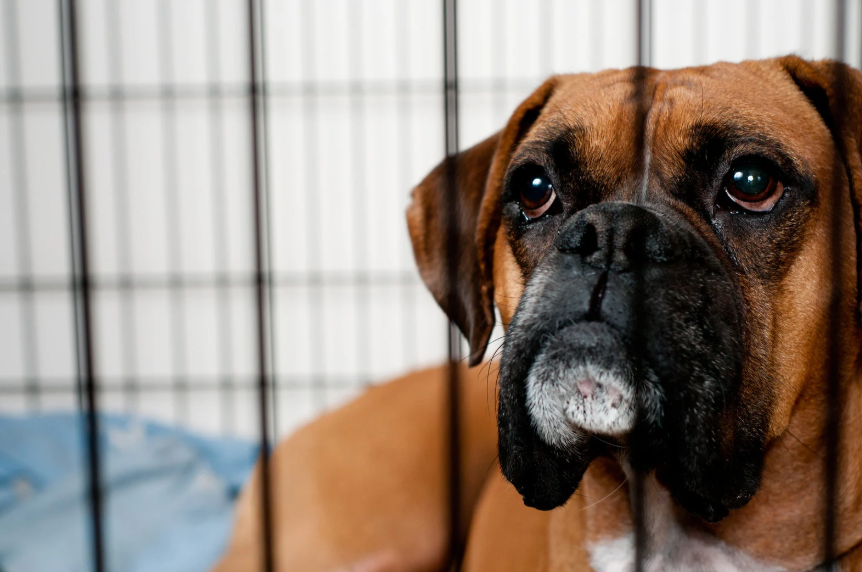
Dogs that are already comfortable in a crate have a significant advantage in boarding environments. Most facilities use kennels or enclosed rest areas, and a dog that already associates a crate with safety and sleep will settle into that space with far less stress than a dog encountering confinement for the first time.
If your dog has never been crate trained, start the process well before your boarding date. Our guide on crate training walks through the steps for making the crate a positive space rather than a punishment. Feed meals inside the crate, let your dog nap there with the door open, and gradually build up to closed-door time in short increments. A dog that chooses to rest in their crate voluntarily is a dog that will feel much more at ease in a boarding kennel.
The “place” command is equally valuable. Teaching your dog to go to a designated spot and settle there calmly, even when activity is happening around them, mirrors exactly what boarding requires. Your dog needs to be able to relax in their space while other dogs are moving, staff members are walking past, and feeding routines are happening on a schedule that isn’t theirs. Dogs with a strong place command don’t just tolerate boarding. They actually rest.
What to Pack to Keep Your Dog Comfortable
Familiar scents are one of the most powerful calming tools for anxious dogs. When everything else in the environment is new, a blanket that smells like home or a shirt that carries your scent gives your dog a sensory anchor. Most boarding facilities allow owners to bring comfort items, and you should take full advantage of that.
Here’s what to include:
- Food and feeding instructions: Pack your dog’s regular food with clear portion sizes and meal times to avoid digestive stress on top of emotional stress
- Comfort items: A familiar blanket, an owner-scented shirt, or a favorite bed. Avoid anything irreplaceable since items can get lost or damaged in a multi-dog environment
- Medications and supplements: Include any veterinarian-recommended calming aids along with written dosing instructions
- A settling toy: Something your dog already associates with calm chewing, like a durable Kong or a familiar chew
- Routine notes: A brief written summary of your dog’s daily schedule, including walk times, nap habits, and any behavioral quirks the staff should know about
Our dog boarding checklist covers the full list of what to bring and what to leave at home. Keep the packing list simple and clearly labeled. The easier you make it for the boarding staff to follow your dog’s routine, the more closely your dog’s experience will mirror what they’re used to at home.
How Your Own Behavior Affects Your Dog’s Anxiety
Dogs are remarkably attuned to their owner’s emotional state. If you’re anxious, hesitant, or visibly upset during drop-off, your dog will mirror that energy. A long, emotional goodbye tells your dog that something is wrong, which is the opposite of the message you want to send.
The most helpful thing you can do at drop-off is keep it brief and upbeat. Walk your dog in, hand them off to the staff, and leave. No lingering, no repeated hugs, no coming back for one more look. This isn’t cold. It’s kind. A clean departure signals to your dog that this is routine and normal, not a reason to panic.
In the days leading up to boarding, keep your household routine as consistent as possible. Avoid introducing new foods, new walking routes, or new experiences right before the stay. Dogs feel most secure when their environment is predictable, and stacking changes on top of an upcoming separation only compounds the stress.
If you’re a first-time boarding owner and you’re worried about how your dog will do, ask the facility about updates during the stay. Many boarding providers send photos or brief check-ins that can ease your own anxiety, which in turn benefits your dog the next time you drop them off because you’ll be calmer and more confident.
When Training Before Boarding Makes the Biggest Difference
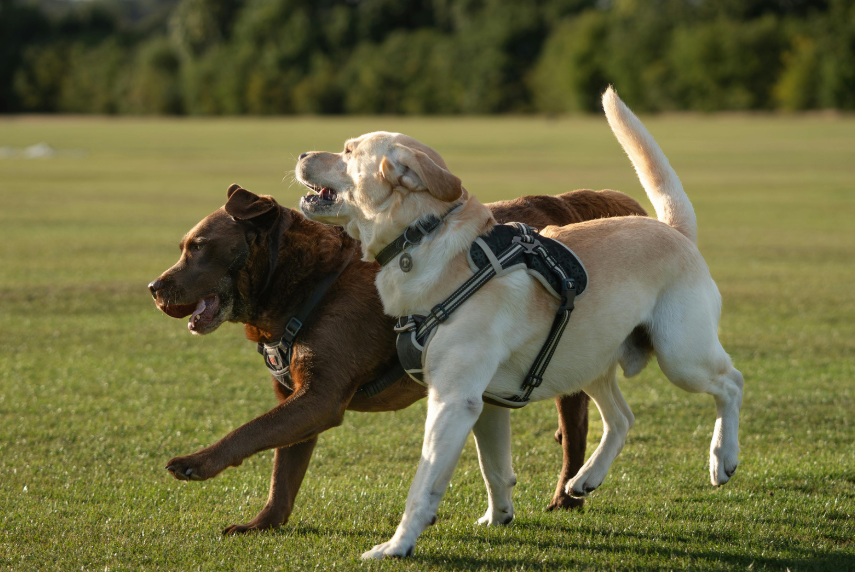
The dogs that handle boarding best aren’t just prepared for the facility. They’re prepared for life away from their owner in general. That kind of confidence comes from training.
A dog with solid obedience foundations, one that responds to basic commands, can settle on cue, and has been socialized to new environments, carries those skills into a boarding stay. They don’t need constant reassurance because they’ve already learned how to self-regulate and follow structure, even when the setting changes.
For dogs with deeper anxiety, in-home dog training can address the specific triggers that make boarding difficult. A trainer working in your home can observe how your dog responds to separation cues, build a desensitization plan, and teach the settle and crate skills that translate directly to boarding success.
For dogs that need a more intensive reset, a board and train program accomplishes two things at once. Your dog builds obedience skills in a structured, professional environment, and they also practice being away from home in a controlled setting with daily guidance. By the time the program ends, your dog has already experienced and adapted to the exact type of separation that boarding requires.
Explore the full range of dog boarding options at All Dogs Unleashed in Des Moines to find the right fit for your dog’s temperament and your travel schedule.
Frequently Asked Questions
How far in advance should I start preparing my dog for boarding?
At least two to three weeks before the stay. This gives you enough time to practice short separations, schedule a trial overnight if the facility offers one, and build or reinforce crate training. Dogs with significant anxiety may benefit from starting the process a month or more in advance.
Will my dog’s anxiety get better with repeated boarding stays?
In most cases, yes. Dogs that board regularly with the same facility build familiarity with the environment, the staff, and the routine. Each successful stay reinforces that boarding is temporary and that their owner always returns. The first stay is almost always the hardest.
Should I tell the boarding facility about my dog’s anxiety?
Absolutely. The more information the staff has about your dog’s triggers, comfort items, and behavioral patterns, the better they can manage the stay. Let them know if your dog is noise-sensitive, has separation anxiety, or tends to refuse food in new environments. Good facilities will adjust their approach based on what you share.
Is it better to board an anxious dog or hire a pet sitter?
It depends on the dog. Some anxious dogs do better staying in their own home with a sitter because the environment stays familiar. Others benefit from the structure and socialization that a quality boarding facility provides. If your dog’s anxiety is specifically tied to separation from you rather than the environment itself, a sitter may not solve the problem either.
Can calming supplements or medications help with boarding anxiety?
They can be a useful tool as part of a broader preparation plan. Talk to your veterinarian about options well before the boarding date so you can trial any supplements or medications at home first. Calming aids work best when combined with behavioral preparation, not as a substitute for it.
What if my dog refuses to eat during boarding?
Mild appetite loss during the first day is common and usually resolves as the dog adjusts. If your dog consistently refuses food beyond the first 24 hours, the facility should contact you. Packing your dog’s regular food, maintaining their normal feeding schedule, and including a familiar-scented item near their feeding area can all help.
Contact All Dogs Unleashed in Des Moines
If your dog gets anxious about boarding, the right preparation starts long before the drop-off date. The team at All Dogs Unleashed in Des Moines can help your dog build the confidence, obedience skills, and crate comfort that make boarding a calm experience instead of a stressful one. Get in touch today to talk about what your dog needs.
About All Dogs Unleashed
All Dogs Unleashed has spent decades helping Des Moines dog owners solve real behavioral challenges, from separation anxiety and boarding stress to foundational obedience and off-leash reliability. With locations across the country, ADU’s trainers bring hands-on experience with every breed and temperament, building results that hold up at home, on the road, and everywhere in between.