
Giving a dog who has experienced trauma a second chance at life is one of the kindest things a dog lover can do. However, it does come with unique challenges. Today, let’s discuss how to approach training a traumatized dog to foster a strong bond, great behavior, and lasting happiness.
Anticipate Slow Growth
When dogs are first removed from situations involving abuse or neglect, you’ll likely only see a shadow of their true personalities. They may display fear and aggression or have muted reactions to things like food, toys, and praise.
It can take months for your dog to feel safe in her new home. Exercise patience and anticipate the occasional setback. It can be difficult to bond with a dog that is still stuck in survival mode. With time and effort, your dog will start to reveal her fun-loving colors!
Create a Reliable Routine
A consistent routine will limit the chaos in your dog’s life and teach her that you are a trustworthy companion. A thorough routine includes when and how much they eat, where they sleep, where they go when you’re at work, and when they go outside.
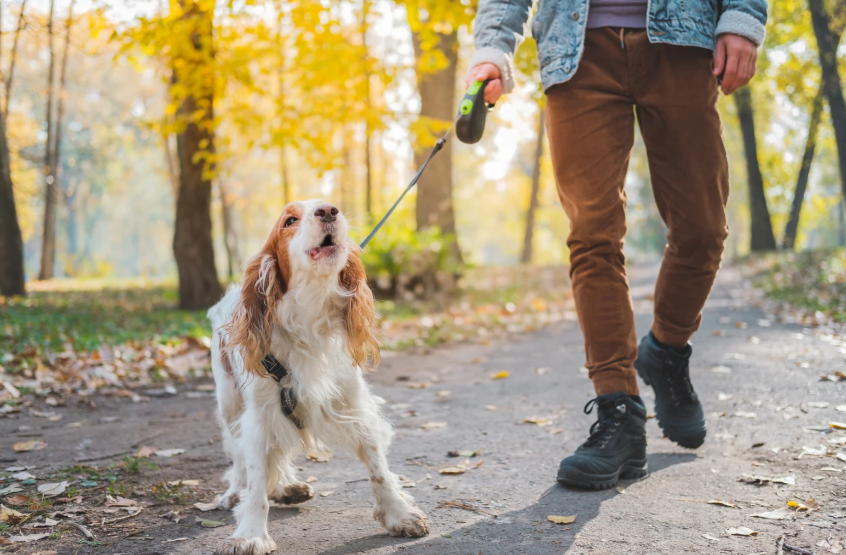
The routine you build for your dog should reflect her age, comfort level, and current abilities. For example, fearful or aggressive dogs may have to start leash and potty training in the backyard and work their way up to longer walks in the neighborhood.
Take Note of Triggers
Get as much information as possible on your dog’s history when going through the adoption process. If information is limited, pay close attention to how your dog responds to different stimuli. Does she seem to react more positively to women than men? Does she get frightened when she hears loud noises?
You should also pay attention to the way she reacts to triggers. Share this information with your vet and dog trainer. Desensitization training is an important part of increasing your dog’s sense of safety and reducing those unwanted behaviors.
Use Positive Reinforcement
Positive reinforcement is the basis of any good training program, but it’s especially important for dogs who have survived mistreatment. The goal is to encourage good behavior as much as possible while keeping yelling and timeouts to a minimum. For dogs with trauma, this type of punishment tends to send the signal that they’re no longer safe, not that they’ve done something you don’t want them to do again.
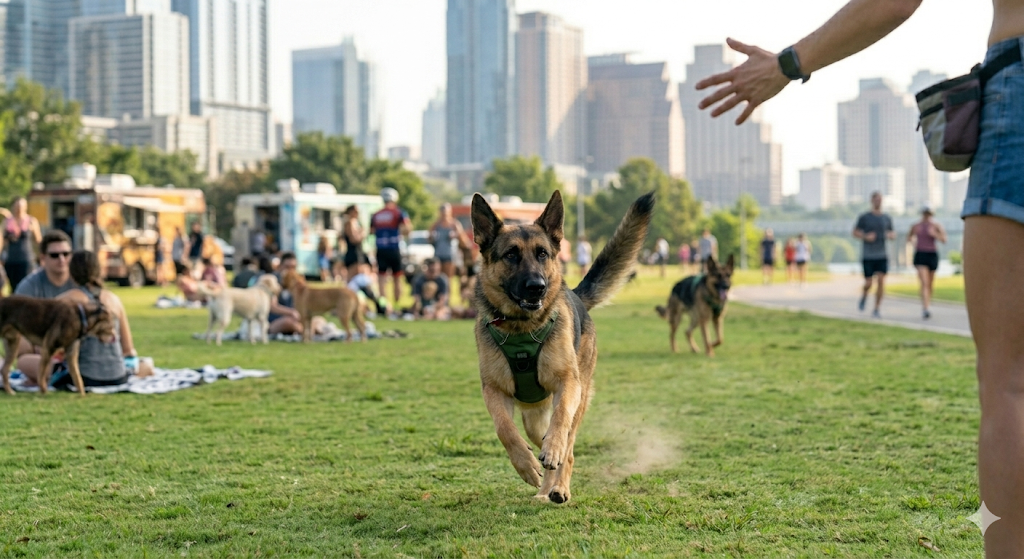
At its core, positive reinforcement is simple: you reward your dog when she’s responding appropriately. As far as rewards go, stick with what your dog loves best, whether that’s a healthy snack, an affectionate ear scratch, or a favorite toy.
Partner with the Pros
Training a traumatized dog is no small feat. Once you’ve built a strong bond with your dog and she’s starting to get her spunk back, partner with a professional trainer.
All Dogs Unleashed trainers know that all dogs are good dogs—some just need a little more help than others! Learn more about our training programs today.