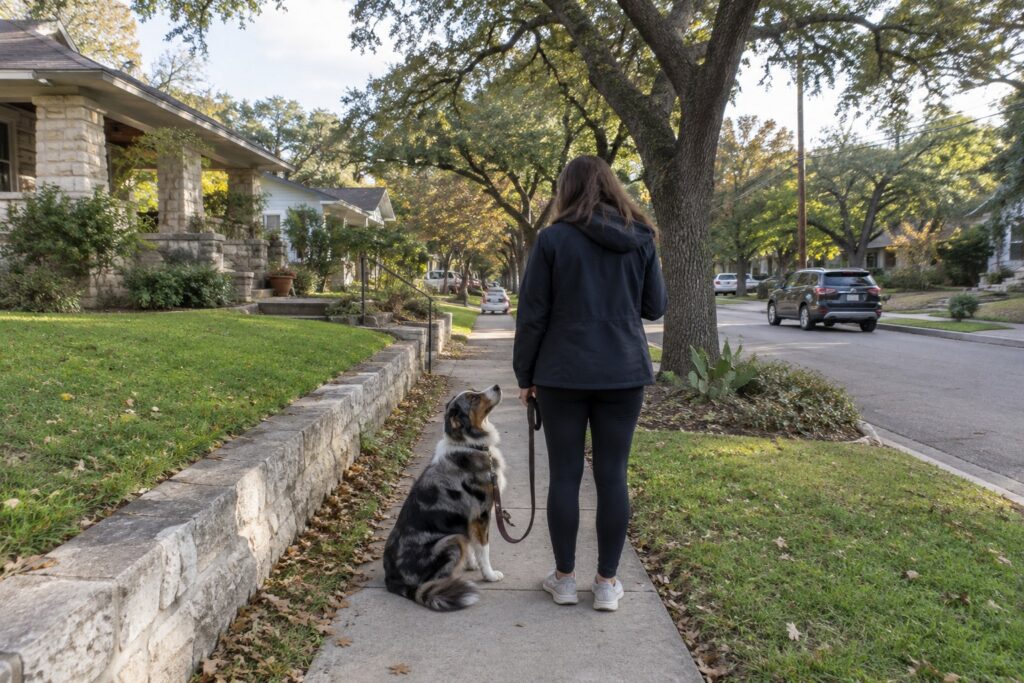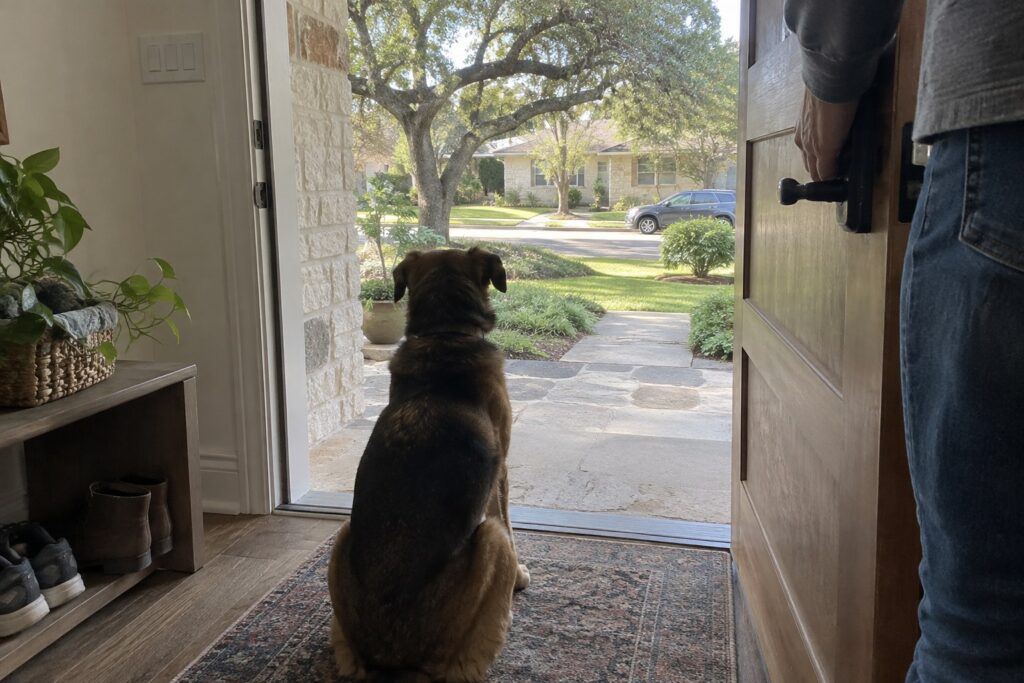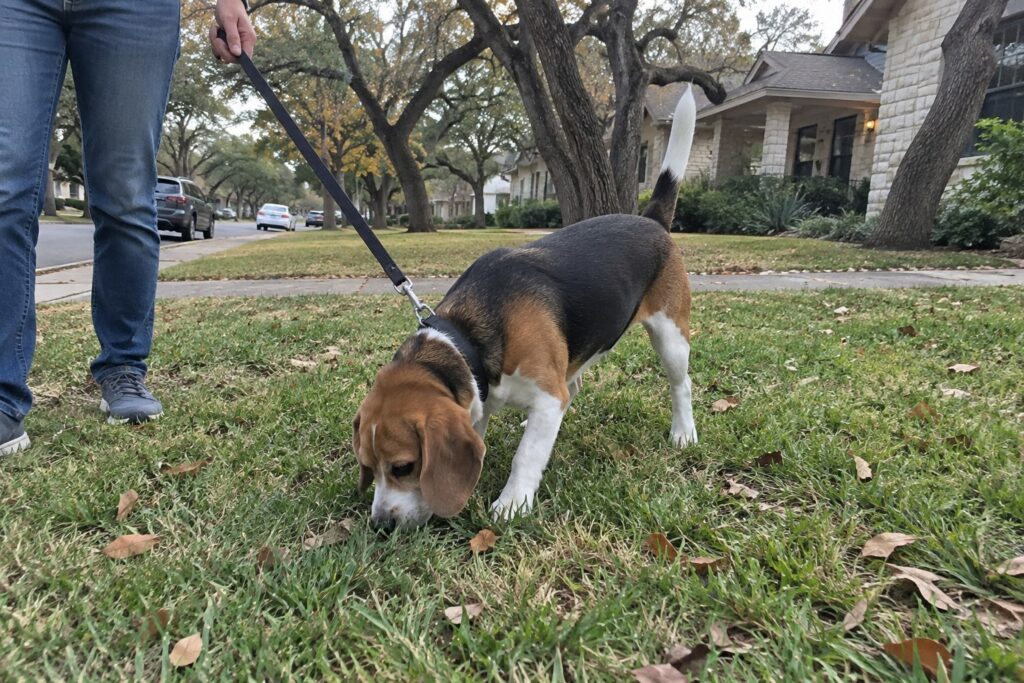

Some dogs are vocal from day one. This can be related to breed (we’re looking at you, beagles and huskies) or simply a product of your dog’s unique disposition. However, if you find yourself wondering, “Why is my dog whining more than normal?” – it’s time to take a look at this new vocalization to make sure he’s ok.
Let’s explore some factors that can trigger new whining, barking, crying, or other unusual dog noises.
Your Dog’s Routine Has Changed in a Major Way
Here’s the first question to ask yourself: is anything in your dog’s life different? This could be something as obvious as moving to a new house. It can also be as subtle as a change in your routine that impacts your dog’s walking or eating schedule.
As we discuss frequently here at ADU, dogs are creatures of habit. If something has shifted in your dog’s day-to-day life, she may be vocalizing her frustration. Chances are, she’ll adjust to her new circumstances in a week or two, especially if you create comfort and consistency within that newness.
Your Dog Wants More Attention Than She’s Getting
Yes, barking and whining can be a little annoying. Still, it’s important to remember what it is that your dog is trying to do: communicate. For example, she could be telling you that she needs or wants to go outside. She could be trying to initiate play. She could even be trying to alert you to something, like a critter in the yard.
If this type of communication is new, evaluate how much direct and focused attention you’ve been giving your dog lately. If you’ve been distracted or absent, she might be resorting to a louder form of communication as a bid for connection.
Your Dog Is Experiencing New Discomfort
When your dog is vocalizing more than normal, there’s no need to panic, but you shouldn’t ignore the behavior, either. Some dogs may become more vocal when they’re experiencing pain or discomfort. You may also notice accompanying behaviors like:
- Postural changes (e.g., hunching or limping)
- Resource guarding
- Sensitivity to touch
- Lethargy
- Changes in eating or drinking
- Changes in bathroom habits
If you’re unsure (or if your dog is exhibiting any of these behaviors), this is a good time to consult your vet. An examination can help you detect and treat whatever is affecting your dog so she can return to her happy, healthy, and not-so-vocal life.
Your Dog Needs More Mental Stimulation
It’s possible that your dog is vocalizing because she suddenly has more pent-up energy than before. This can coincide with developmental changes in puppies, but we also see this often in dogs who need to slow down physically as they age. Give your dog mentally stimulating tasks to complete, such as solving food puzzles or finding hidden toys. You can also carve out some time to practice commands like sit and stay.
Could professional dog training help with new vocalizations? While it may not always directly address the problem, there’s never a bad time to start (or renew) your training efforts. Learn about our training programs here at All Dogs Unleashed to see if we’re the right match for your pup.