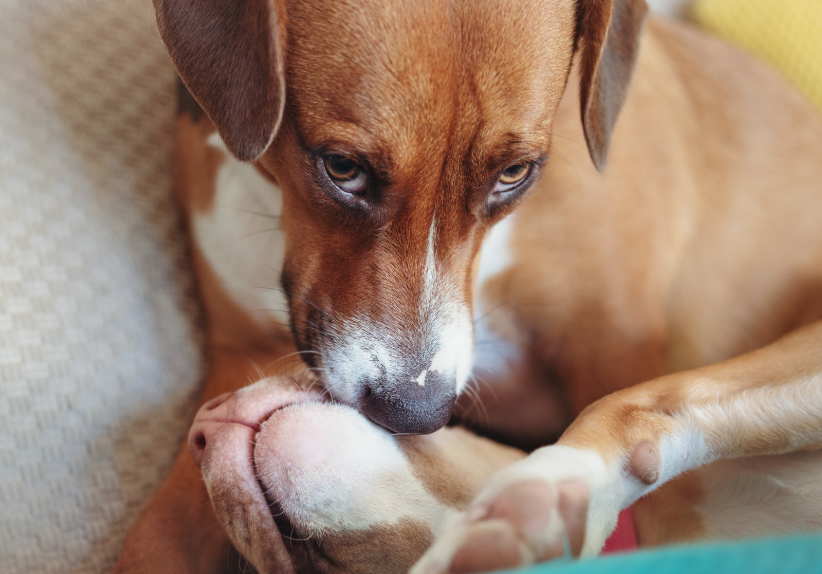

Most Bossier City dog owners hear “training” and picture the same thing: a dog learning to sit, stay, and come when called. That’s obedience training, and it’s a critical foundation. But it’s not the same as behavior modification, and confusing the two is one of the most common reasons people feel stuck with their dogs.
If your dog explodes at every passing dog on the leash, panics when you leave the house, or guards their food bowl from family members, no amount of “sit” practice is going to fix that. What you’re dealing with is an emotional and behavioral issue, and it requires a different approach. Here’s what each type of training actually does, when each one is the right call, and how to tell which one your dog needs.
Why This Distinction Matters for Bossier City Dog Owners
The single most common mistake owners make is throwing more obedience commands at a behavior problem. Your dog lunges at another dog on the walk, so you yell “sit, sit, sit!” louder. Your dog growls at strangers, so you order them to “down” hoping it will reset the moment.
It rarely works, and the reason is simple: obedience and behavior are two different things. Obedience teaches your dog what to do. Behavior modification addresses why your dog is reacting that way in the first place. A dog that knows every command in the book can still be terrified of fireworks, reactive to strangers, or anxious when left alone. Knowing the difference is what helps you choose the right approach instead of repeating the same frustrating cycle.
What Obedience Training Actually Is
Obedience training is the structured teaching of specific commands and reliable responses. It’s about communication, structure, and giving your dog a clear set of expectations to live by.
Core obedience skills include:
- Sit, down, and stand for impulse control and positioning
- Stay and place for holding a command in distractions
- Heel and loose-leash walking for controlled walks
- Recall (come when called) for safety and freedom
- Leave it and drop it for impulse control around objects
- Crate manners and door manners for everyday household structure
A well-trained obedience dog responds to commands quickly, in a variety of environments, and with minimal repetition. The goal is precision and compliance. When you ask your dog to sit, they sit, regardless of whether you’re in your living room or in front of the Bossier City Farmers Market.
Obedience training works best as a preventive tool. It builds clear communication, teaches your dog how to navigate the human world, and produces a dog that’s manageable in daily life. Our blog on how to teach your dog obedience commands covers the foundational commands every dog should know.
What Behavior Modification Actually Is
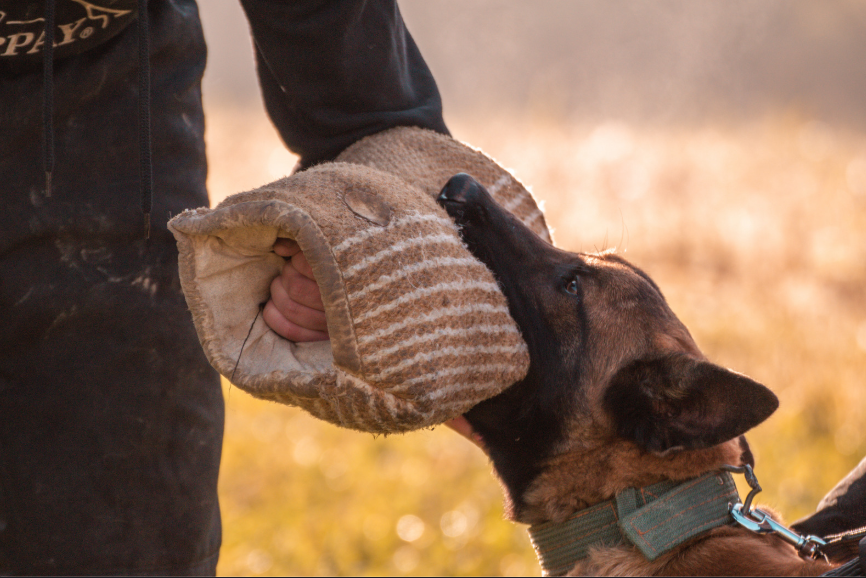
Behavior modification works at a deeper level. Instead of teaching your dog what to do, it works on changing how your dog feels about specific triggers, situations, or stimuli. It targets the emotional state that’s driving the unwanted behavior.
A few examples of what behavior modification addresses:
- Reactivity (lunging, barking, or fixating on triggers like other dogs, strangers, or bikes)
- Fear and phobias (fireworks, thunderstorms, vet visits, car rides)
- Aggression (resource guarding, territorial behavior, fear-based aggression)
- Separation anxiety (panic when left alone)
- Compulsive behaviors (excessive licking, tail chasing, pacing)
- Trauma-related issues in rescue or rehomed dogs
The methods include desensitization (gradual exposure to triggers at low intensity), counter-conditioning (pairing the trigger with positive experiences), and structured environmental management. Sometimes medication from a veterinary behaviorist is part of the picture for severe cases.
Behavior modification takes longer than obedience training because you’re not teaching a new skill, you’re rewiring how your dog responds to something that already produces a strong emotional reaction. That work happens in increments, with consistent practice over weeks and months.
Side-by-Side Comparison
Here’s the clearest way to see how the two approaches differ:
| Aspect | Obedience Training | Behavior Modification |
|---|---|---|
| Goal | Teach reliable responses to commands | Change emotional response to triggers |
| Method | Repetition, reward, and clear communication | Desensitization, counter-conditioning, environmental management |
| Focus | What the dog does | Why the dog does it |
| Timeline | Weeks for foundations, months for proofing | Months to years, depending on severity |
| Best for | All dogs as a foundation; preventing problems | Dogs with fear, anxiety, reactivity, or aggression |
| Won’t fix | Deep-rooted emotional issues like fear or aggression | Lack of basic structure or communication |
| Looks like | Sit, stay, heel, place, recall | Calm exposure, positive associations, threshold work |
The two work together. A dog with behavior issues benefits from solid obedience as a communication tool, but obedience alone won’t change how the dog feels about its triggers.
How to Tell Which One Your Dog Needs
A quick diagnostic framework. If your dog fits the first list, you’re looking at an obedience gap. If they fit the second list, you’re dealing with a behavior modification need.
Your dog primarily needs obedience training if:
- They’re a puppy or young adult with no major behavioral issues
- They pull on the leash, jump on guests, or don’t come when called
- They know basic commands at home but ignore them outside
- They’re easily distracted but not fearful or reactive
- They’re well-socialized but lack structure
- They’re mouthy, jumpy, or generally unfocused
Your dog primarily needs behavior modification if:
- They lunge, bark, or growl at specific triggers (other dogs, strangers, bikes, etc.)
- They panic when you leave the house
- They show fear-based behaviors around specific situations (vet, fireworks, storms)
- They guard food, toys, or sleeping spots aggressively
- They’ve bitten or attempted to bite
- They came from a rescue or shelter with trauma history
- They have compulsive behaviors like obsessive licking or pacing
If you’re seeing items from both lists, your dog needs both. That’s actually the most common situation.
Why Most Dogs With Real Issues Need Both
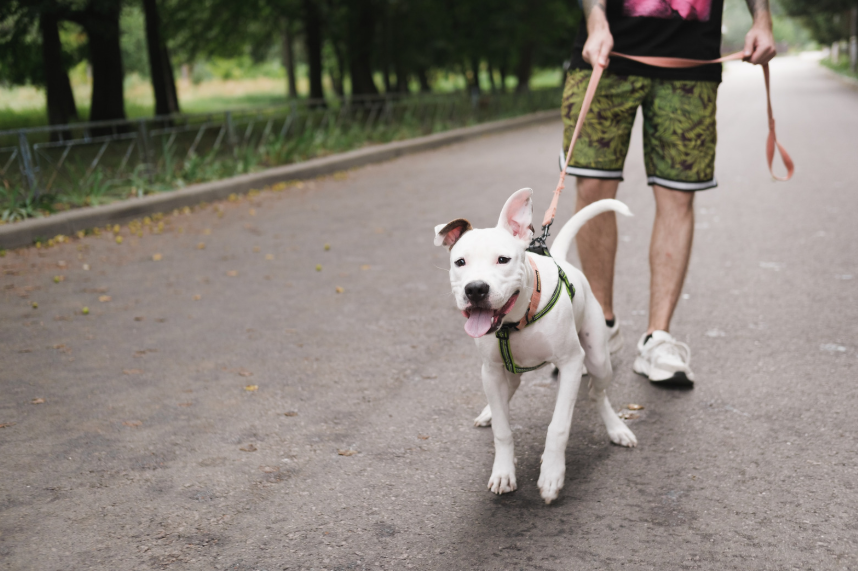
For dogs with serious behavioral challenges, doing one without the other rarely works. Behavior modification without obedience leaves you with no communication tools to manage the dog safely while you’re working on the underlying issue. Obedience without behavior modification produces a dog that “complies” but stays internally stressed, often suppressing warning signals that owners need to be able to read.
Common scenarios where both approaches are needed:
- A reactive dog on the leash needs behavior modification to change their feelings about other dogs and a solid heel command to manage walks while the work is in progress.
- A dog with separation anxiety needs counter-conditioning around departures and a strong place command for structured calm during the day.
- A fearful rescue dog needs gradual confidence building and basic obedience to give them predictable structure they can rely on.
- An aggressive resource guarder needs behavior work to reduce the underlying anxiety and obedience commands to manage the household safely while training is ongoing.
The mistake is assuming one will substitute for the other. Yelling “sit” at a reactive dog who’s lunging doesn’t work because the dog isn’t in a state to comply. Teaching a fearful dog to “stay” doesn’t address why they’re afraid in the first place. For a closer look at the leash-reactivity scenario specifically, our guide on walking a reactive dog breaks down the layered approach.
Common Behavior Issues Bossier City Owners See and Which Approach Fits
Here’s a practical mapping of common issues to the right training approach:
| Issue | Primary Approach | Also Helpful |
|---|---|---|
| Pulling on the leash | Obedience | Engagement work |
| Jumping on guests | Obedience | Impulse control |
| Not coming when called | Obedience | Engagement and recall games |
| Excessive barking at home | Behavior modification | Obedience (place, quiet) |
| Lunging at other dogs on walks | Behavior modification | Obedience (heel, focus) |
| Resource guarding | Behavior modification | Trade-up training |
| Separation anxiety | Behavior modification | Place training, crate training |
| Fear of fireworks or thunderstorms | Behavior modification | Confidence-building obedience |
| Aggression toward strangers | Behavior modification | Strict obedience for management |
| General over-arousal and excitability | Both | Structure and impulse control |
| Crate refusal | Behavior modification | Crate training protocol |
| Vet or grooming anxiety | Behavior modification | Cooperative care training |
For aggression-related issues specifically, our post on common types of aggression in dogs covers the different categories and what each one requires. For dogs with deeper trauma backgrounds, our guide on working with and training a traumatized dog walks through the broader rehabilitation approach.
What Professional Training Looks Like for Each
The training program that’s right for your dog depends on what you’re actually trying to accomplish. Our dog training programs cover both obedience foundations and behavior modification work, structured around the specific dog and the specific issue.
For most owners, the question becomes whether the work happens at home, at our facility, or both. A few general guidelines:
- Group classes and basic obedience work well for puppies and dogs without behavioral issues. The social environment is part of the training.
- In-home dog training is often the best fit for behavior modification because the issues happen in your dog’s actual environment. Working in your home, on your walking route, and around your specific triggers produces faster, more durable results.
- Board and train programs work well for dogs that need an intensive reset, particularly when the home environment has reinforced bad patterns or when the owner needs a reliable foundation to build on.
If you’re not sure which program fits your situation, our blog on which training is right for your dog can help you think it through, or you can reach out for a consultation directly.
Frequently Asked Questions
Can I do behavior modification on my own at home?
For mild cases, yes, with the right resources and consistency. For moderate to severe behavioral issues, especially anything involving aggression or biting, working with a professional is strongly recommended. Mistakes in behavior modification can make problems worse, and an experienced trainer can read your dog’s signals and adjust the approach in ways that DIY plans often miss.
How long does behavior modification take to work?
It varies. Mild reactivity might improve noticeably in 4 to 8 weeks of consistent work. Severe fear or aggression cases can take six months to over a year of structured training. The dog’s history, the trigger intensity, owner consistency, and the specific protocol all affect the timeline.
Is behavior modification more expensive than obedience training?
Generally yes, because it requires more individualized attention, slower progress, and often longer-term commitment. The investment usually reflects the complexity of the work involved.
Can a puppy need behavior modification?
Sometimes, yes. Puppies with strong fear responses, severe resource guarding, or trauma from poor early socialization may benefit from behavior modification work alongside their basic puppy training. Catching these issues early often produces better outcomes than waiting until adolescence or adulthood.
Will obedience training make a fearful dog worse?
Not if it’s done correctly. Obedience can actually help fearful dogs by giving them clear structure, predictable expectations, and a sense of communication with their handler. The risk comes from harsh corrections or pressure-based training applied to a dog that’s already anxious. With a balanced, patient approach, obedience supports behavior modification rather than undermining it.
Can group classes provide behavior modification?
Generally, no. Group classes are designed for obedience training and basic socialization. Behavior modification typically requires one-on-one work, controlled environments, and individualized protocols that aren’t possible in a group setting. Some trainers offer specialized small-group reactivity classes, but these are different from standard group obedience.
About All Dogs Unleashed
All Dogs Unleashed is a professional dog training facility serving Bossier City, Shreveport, and the surrounding communities. Located at 4500 Benton Rd, Suite 200, Bossier City, LA 71111, our team works with dogs across the full spectrum, from puppies needing foundational obedience to adult dogs with serious behavioral challenges. All Dogs Unleashed builds custom training plans that combine the right balance of obedience and behavior modification for each dog and each family.
Not Sure What Kind of Training Your Dog Needs?
If you’re stuck between obedience and behavior modification, or unsure which combination is right for your dog, the easiest next step is a consultation. We’ll evaluate your dog, identify what’s actually driving the issues, and recommend the right program.
Call us at (318) 562-6536 or visit our contact page to get started. Let’s find the right approach for your dog and your household.