
Most Bossier City dog owners ask this question right after they’ve noticed their dog smells, looks dirty, or is scratching more than usual. The honest answer is that there’s no universal schedule, but there are clear guidelines based on your dog’s coat type, lifestyle, and the local climate, which matters more here than people realize.
Bath too often and you strip the natural oils that keep your dog’s skin healthy. Bath too rarely and you end up with skin issues, odor, and a coat full of allergens. The sweet spot is what this guide is about, with specifics for the muddy, humid, pollen-heavy reality of life in northwest Louisiana.
The Short Answer for Bossier City Dog Owners
For most dogs, a bath every 4 to 6 weeks is the right starting point. This range works well for the majority of breeds and lifestyles, leaving enough time between baths for natural skin oils to do their job while still keeping your dog clean.
That said, the right schedule for your specific dog depends on:
- Coat type (short, long, double, curly, hairless)
- Activity level (couch dog vs. trail dog)
- Skin and allergy status (sensitive skin needs different care)
- The Bossier City climate (humidity, pollen, mud, year-round outdoor exposure)
- Whether your dog has rolled in something disgusting (always overrides the schedule)
A short-haired indoor dog might need a bath every 6 to 8 weeks. A Golden Retriever who hits the trails every weekend might need one every 3 to 4. A dog with seasonal allergies during spring pollen season may benefit from weekly hypoallergenic baths during peak symptoms. The schedule has to flex with the dog.
Why Bossier City’s Climate Changes the Math
National bathing averages assume a generic dog in a generic climate. Bossier City is not generic. A few local factors push the right bathing schedule slightly more frequent than national norms:
- High humidity year-round. Moisture trapped in a thick coat creates the right conditions for bacteria and yeast. Regular bathing helps prevent skin issues that humid climates encourage.
- Heavy pollen seasons. Oak, ash, hickory, and pecan pollen blankets surfaces every spring. That pollen ends up in your dog’s coat after every walk and is a major contributor to seasonal allergy flare-ups.
- Frequent rain and mud. Louisiana’s rainy stretches mean muddy yards, wet trails, and a dog that smells like wet dog more often than not.
- Year-round outdoor activity. Unlike colder climates, our dogs are outside in some form 12 months a year. More outdoor time = more exposure to dirt, allergens, and irritants.
- Gulf moisture and elevated mold spores. Mold spore counts stay high through much of the year, contributing to skin issues that benefit from regular bathing.
The practical takeaway: most Bossier City dogs benefit from a slightly more frequent schedule than the national average suggests. If a national source recommends every 6 weeks, plan for every 4 to 5 weeks here, especially during spring and summer.
Bathing Frequency by Coat Type
Coat type is the biggest single factor in determining bath frequency. Here’s a working guide:
| Coat Type | Recommended Frequency | Examples |
|---|---|---|
| Short, smooth coats | Every 6–8 weeks | Beagles, Boxers, Pit Bulls, Dachshunds, Boston Terriers |
| Medium-length coats | Every 4–6 weeks | Border Collies, Labradors, Australian Shepherds |
| Long coats | Every 4–6 weeks | Yorkshire Terriers, Maltese, Shih Tzus, Lhasa Apsos |
| Double coats | Every 6–12 weeks | Huskies, Golden Retrievers, German Shepherds, Pomeranians |
| Curly/wavy coats | Every 3–6 weeks | Poodles, Doodles, Bichon Frisés, Portuguese Water Dogs |
| Wire-haired coats | Every 6–8 weeks | Wire Fox Terriers, Westies, Schnauzers |
| Hairless breeds | Every 1–2 weeks | Chinese Crested, Xoloitzcuintli |
A few important notes on this table:
Double-coated breeds (Huskies, Goldens, etc.) often need less frequent bathing than people assume. Their natural oils are essential for waterproofing, and their undercoats trap dirt that brushing can remove without water. Heavy shedding seasons benefit more from regular brushing and de-shedding treatments than from frequent baths. Our blog on shedding season grooming tips covers this in more detail.
Curly-coated dogs need more frequent attention because their coats trap dirt, debris, and allergens close to the skin. Without regular bathing and brushing, mats form fast.
Hairless breeds are an exception. Without fur to trap or distribute oil, their skin needs more direct cleaning to prevent buildup and breakouts.
Other Factors That Change How Often Your Dog Needs a Bath
Coat type sets the baseline. These factors push the schedule one way or the other:
- Activity level. Trail dogs, swimmers, and yard rollers need more frequent baths than couch dogs.
- Skin allergies. Dogs with seasonal or environmental allergies often benefit from weekly hypoallergenic baths during peak allergen seasons. The bath physically washes off allergens stuck to the coat.
- Skin conditions or infections. Hot spots, yeast infections, or bacterial issues often require medicated bathing on a schedule prescribed by a vet (sometimes twice weekly during active flare-ups).
- Breed-specific issues. Wrinkly breeds (Bulldogs, Pugs, Shar Peis) need more frequent skin-fold cleaning to prevent infections, even if the rest of the coat doesn’t need a full bath.
- Smell. Some dogs naturally produce more oil and have a stronger odor. Hounds in particular tend to need more frequent baths than other short-coated breeds.
- Time of year. Spring pollen and summer mud both increase bathing frequency for many dogs. Winter typically allows for longer stretches between baths.
- Indoor vs. outdoor lifestyle. A primarily indoor dog can stretch baths to the longer end of the recommended range. An outdoor or working dog moves to the shorter end.
- Life stage. Puppies generally don’t need bathing until 8 weeks of age (and even then, sparingly). Senior dogs with thinner coats and more sensitive skin often do better with less frequent, gentler baths.
Signs It’s Time for a Bath (Regardless of Schedule)
Sometimes the calendar says you have two more weeks. Sometimes the dog says otherwise. Look for:
- Visible dirt or mud in the coat or on paws
- Strong odor that doesn’t go away with brushing
- Greasy or oily feel to the coat
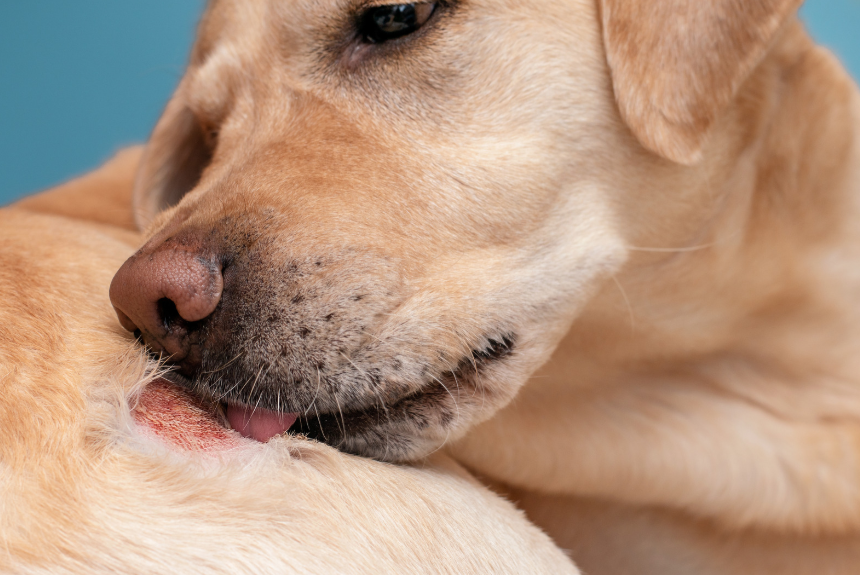
- Excessive scratching or licking that suggests allergens or irritants
- Dandruff or flaky skin (which can indicate either need for a bath or over-bathing)
- Sticky residue from rolling in something
- After exposure to chemicals (lawn treatments, road salt, pool chlorine)
- After contact with another animal of unknown health status
When in doubt, smell test the back of the neck and the base of the tail. These are the two areas where natural oils accumulate first. If either smells strong, it’s bath time regardless of the schedule.
Why Over-Bathing Is Just as Bad as Under-Bathing
A common assumption is that more baths equal a healthier dog. The opposite is often true. Bathing too frequently can cause:
- Stripped natural oils that protect the skin and coat
- Dry, flaky skin that itches even when no allergens are present
- Increased shedding as a stress response to a damaged coat
- Compromised skin barrier, which makes bacterial and yeast infections more likely
- Dull, brittle coat texture
- Sensitivity that makes future baths harder as skin becomes irritated
If you bathe your dog weekly without a medical reason, you’re likely doing more harm than good. The exception is when a vet prescribes weekly medicated baths for a specific skin condition or severe allergies.
For most dogs, less is more. Brushing between baths handles the maintenance. The bath itself is for genuine cleaning, not routine maintenance.
How to Bathe Your Dog Properly at Home
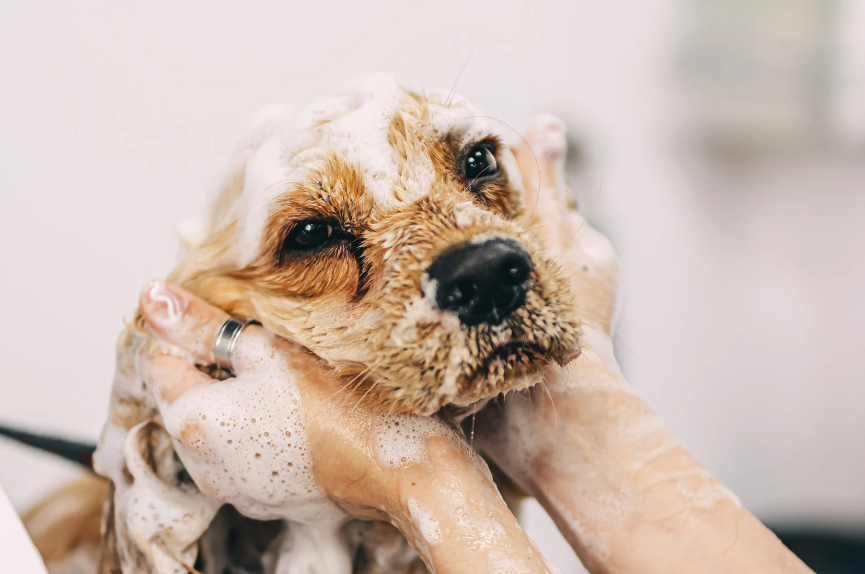
A proper bath is more than just water and shampoo. The technique matters as much as the schedule. Here’s the protocol:
- Brush before you bathe. Removing loose fur and tangles before water hits is much easier than dealing with matted, wet fur.
- Use lukewarm water. Hot water dries the skin and can scald sensitive areas. Cold water makes the experience miserable for your dog. Aim for body temperature.
- Wet the coat thoroughly. Water needs to reach the skin, not just sit on top of the fur. Double coats in particular need extra time to fully soak through.
- Plug the ears (optional but helpful). A small piece of cotton in each ear prevents water from getting into the ear canal, which is a major cause of ear infections.
- Apply dog shampoo and lather. Start at the neck and work back. Avoid the eyes and inside the ears. Use enough product to actually clean (a quarter-sized amount for small dogs, more for larger breeds).
- Let the shampoo sit for 5–10 minutes if your dog will tolerate it. This is especially important with medicated or hypoallergenic shampoos.
- Rinse thoroughly. Residual shampoo is a leading cause of post-bath skin irritation. Rinse until the water runs completely clear, then rinse one more time.
- Conditioner if appropriate. For long-coated, curly, or dry-skinned dogs, a dog-specific conditioner helps maintain coat health.
- Dry properly. Towel dry first, then air dry or use a dryer on low/cool. A wet double coat can hold moisture against the skin for hours, encouraging bacterial growth.
- Reward generously. A treat after the bath builds positive associations and makes the next bath easier.
If your dog dreads bath time, our blog on my dog hates car rides covers a similar counter-conditioning approach that translates well to bath anxiety. For dogs that are stressed about handling more broadly, our post on my dog hates the vet covers the broader cooperative care approach.
What Shampoo to Use (and What NOT to Use)
Shampoo selection matters more than most people realize. Dogs have different skin pH than humans, and the wrong product can cause real problems.
| Shampoo Type | When to Use | Notes |
|---|---|---|
| General dog shampoo | Routine baths for healthy skin | Look for pH-balanced, mild ingredients |
| Hypoallergenic shampoo | Sensitive skin, allergy-prone dogs | Fragrance-free, gentle formulas |
| Oatmeal-based shampoo | Itchy or irritated skin | Soothes and calms inflamed skin |
| Medicated shampoo | Skin infections, prescribed conditions | Use exactly as your vet directs |
| Whitening shampoo | White-coated breeds with staining | Safe for routine use on appropriate coats |
| Puppy shampoo | Dogs under 6 months | Extra-mild formulas appropriate for sensitive young skin |
What NOT to use:
- Human shampoo (including baby shampoo). Different pH, can cause skin irritation over time.
- Dish soap. Way too harsh for routine bathing. Only appropriate in emergencies (oil exposure, skunk spray, etc.).
- Heavily perfumed dog shampoos. The fragrance often masks how harsh the cleansing agents are.
- Anti-flea shampoos as a routine product. These contain pesticides and should only be used as part of a flea treatment plan.
When Professional Grooming Makes Sense
DIY bathing handles the basics. Professional grooming is worth it when:
- Your dog has a coat that requires regular trimming (Doodles, Poodles, Shih Tzus, etc.)
- You’re dealing with a heavy shedding breed and need de-shedding treatment
- Your dog has specific skin issues that benefit from professional product use
- You don’t have the equipment to dry a thick coat properly
- Bath time is a genuine struggle and your dog handles it better with someone who isn’t you
- Nail trimming is overdue (most groomers handle this as part of the service)
- Your dog has allergies and benefits from a deeper, more thorough bath than you can give at home
- You want a clean, well-presented dog without the bathroom mess
Spring is a particularly busy season for our dog grooming services at our Bossier City facility. The combination of heavy pollen, allergy flare-ups, and shedding transitions means a lot of dogs need professional support during this stretch.
Frequently Asked Questions
Can I use baby shampoo on my dog?
It’s better than nothing in a pinch, but not a good routine choice. Even gentle baby shampoos are formulated for human skin pH, which is different from a dog’s. Long-term use can dry out the skin and disrupt the natural oil balance. Stick to dog-specific shampoos for routine baths.
When can I start bathing a puppy?
Most puppies can have their first bath around 8 weeks of age. Before that, they have trouble regulating body temperature when wet. Use a gentle puppy shampoo, keep the experience brief and positive, and reward generously to set up a lifetime of better bath experiences.
My dog hates baths. What can I do?
Counter-conditioning works for bath anxiety just like it does for other fears. Start with positive associations to the bath area when no bath is happening (treats in the empty tub). Build up gradually to running water, then a brief rinse, then a full bath. Use high-value rewards throughout. For dogs with deep bath anxiety, professional grooming may actually be easier on them than fighting through it at home.
Do I need to dry my dog completely after a bath?
Yes, especially for thick or double-coated breeds. A coat that stays damp for hours creates the perfect environment for bacterial and yeast infections, especially in our humid climate. Towel dry, then air dry in a warm room or use a dryer on low/cool. Pay extra attention to skin folds, armpits, and the base of the tail.
Can I bathe my dog after spaying or neutering?
Wait until your dog’s incision has fully healed before bathing, typically 10 to 14 days post-surgery. Your vet will give you specific guidance based on the procedure. Until cleared, stick to spot cleaning with a damp cloth.
What about between-bath wipes or dry shampoo?
Both have a place. Pet wipes are useful for cleaning paws after walks, wiping down a muddy belly, or freshening up a dog without a full bath. Dry shampoos can extend time between full baths but shouldn’t replace them. Use both as supplements to your bathing schedule, not substitutes.
About All Dogs Unleashed
All Dogs Unleashed is a professional dog training and grooming facility serving Bossier City, Shreveport, and the surrounding communities. Located at 4500 Benton Rd, Suite 200, Bossier City, LA 71111, our team handles grooming for dogs of every coat type, from quick clean-up baths to full grooms with breed-specific cuts. All Dogs Unleashed helps Bossier City families keep their dogs clean, comfortable, and healthy through every season.
Need a Professional Bath, Cut, or De-Shed?
Whether your dog needs a routine bath, a full grooming session, or specialized care for skin or allergy issues, our team is here to help. We work with every coat type and tailor each appointment to your dog’s specific needs.
For dogs that struggle with handling, our dog training programs can help build the calm, cooperative behavior that makes grooming easier on everyone. For broader behavior support, our in-home dog training and board and train options address the full range of behavioral needs.
Call us at (318) 562-6536 or visit our contact page to book a grooming appointment. Let’s keep your dog clean, comfortable, and looking great.