
Most Bossier City dog owners think socialization means letting their dog meet other dogs. That’s part of it, but only a small part. Real socialization is about exposing your dog to the entire world they’re going to live in: people of all ages and appearances, dogs of different sizes and energy levels, sounds like fireworks and lawnmowers, surfaces like tile and gravel, and environments from busy parking lots to quiet trails.
Done well, socialization produces a confident, adaptable dog who handles new situations calmly. Done poorly, or skipped entirely, it creates a dog who’s anxious, fearful, or reactive for the rest of their life. Here’s exactly how to socialize your dog in Bossier City, when to do it, where to take them locally, and what to avoid.
Why Socialization Is the Foundation of a Well-Behaved Dog
Behavioral issues, not health issues, are the number one reason dogs end up in shelters. Most of those issues trace back to inadequate socialization in the first few months of life. A dog that wasn’t exposed to children, traffic noise, vacuum cleaners, or other dogs during their early development will often show fear, anxiety, or aggression around those things as an adult.
Good socialization sets up a dog who can:
- Walk calmly through a busy farmers market
- Tolerate handling at the vet without panic
- Greet new people without jumping or hiding
- Pass other dogs on a walk without lunging
- Handle car rides, grooming, and travel
- Adjust to new environments without stress
It’s the single highest-leverage investment you can make in your dog’s behavior.
The Critical Socialization Window (And Why Bossier City Owners Can’t Wait)
Puppies have a specific developmental period when their brains are uniquely wired to form positive associations with new experiences. Miss it, and you spend years trying to undo what early exposure would have solved naturally.
Here’s the timeline:
| Age | What’s Happening | What to Focus On |
|---|---|---|
| 3–8 weeks | Still with mother and littermates | Breeder/foster handles early socialization |
| 8–12 weeks | Peak socialization window | Maximum positive exposure to people, sounds, surfaces, environments |
| 12–16 weeks | Window beginning to close | Continue exposure, start more structured outings |
| 16 weeks–6 months | Window mostly closed | Maintain socialization, address any gaps |
| 6 months–2 years | Adolescence | Reinforce socialization through teenage phase |
The window is essentially closed by 16 weeks. After that, you’re not socializing in the same biological sense, you’re doing counter-conditioning to overcome fears that early socialization would have prevented.
The American Veterinary Society of Animal Behavior has stated clearly that the behavioral risks of not socializing a puppy during this window outweigh the disease risks of safe, controlled exposure before vaccinations are complete. That said, you don’t take an unvaccinated puppy to a public dog park. You make smart choices about where and how to expose them.
For more on what to expect as your puppy moves out of this window, our guide to the teenage phase covers what to watch for in adolescence.
What “Properly Socialized” Actually Means
Socialization happens across five distinct categories. A well-socialized dog has positive exposure in all of them, not just one or two.
| Category | What to Expose Them To |
|---|---|
| People | Men, women, children, elderly, people in hats, people with beards, people in uniforms, people using wheelchairs or canes |
| Animals | Other puppies, calm adult dogs, cats (if applicable), livestock, small animals |
| Environments | Your home, friends’ homes, parking lots, parks, sidewalks, pet stores, vet offices, car rides |
| Sounds | Vacuums, doorbells, thunder, fireworks (recordings), traffic, sirens, kitchen appliances |
| Handling | Paw touches, ear checks, mouth/teeth handling, brushing, nail clipping, being picked up |
The goal isn’t quantity. It’s quality. Five short, positive exposures to children are infinitely better than one overwhelming visit to a packed park where your puppy gets mobbed. Pair every exposure with treats, praise, or play. If your puppy seems frightened and won’t take treats, you’ve pushed too far. Back off and try again at a lower intensity.
A Week-by-Week Puppy Socialization Plan
If your puppy is in that 8 to 16 week window, here’s a practical roadmap:
| Week | Focus Areas |
|---|---|
| Week 8–9 | Family members, household sounds, different floor surfaces, gentle handling, car rides |
| Week 9–10 | Friends and neighbors visiting, varied people types, basic handling exercises |
| Week 10–11 | Carried outings to neighborhoods, parking lots, outdoor cafes (carried only) |
| Week 11–12 | Controlled play with vaccinated, healthy dogs you know; puppy class enrollment |
| Week 12–13 | Short walks on quiet streets, exposure to bicycles and joggers from a distance |
| Week 13–14 | Visits to pet stores, vet office for happy visits, more varied environments |
| Week 14–15 | Slightly busier environments, exposure to children playing, low-traffic outdoor areas |
| Week 15–16 | Full integration into your normal routine, continued positive exposure |
The pace matters less than the consistency. Aim for at least one new positive exposure per day during this window.
Where to Safely Socialize Your Dog in Bossier City
Bossier City and the surrounding Shreveport-Bossier area offer plenty of good socialization environments. Here are some of the most useful:
- Bossier City Farmers Market (Saturdays, 9 a.m.–1 p.m. at Pierre Bossier Mall): Pet-friendly, manageable crowd, varied sights and smells. Excellent for older puppies and adult dogs working on public manners.
- Walker Place Park: Quiet trails, open fields, minimal off-leash traffic. Good for early walking exposure once vaccinations are complete.
- Louisiana Boardwalk: Busier environment with lots of foot traffic, varied surfaces, and outdoor dining areas. Best for confident dogs that can handle stimulation.
- Mike Wood Memorial Park: Wide, well-maintained trails. Good for working on calm behavior around joggers, bikes, and other walkers.
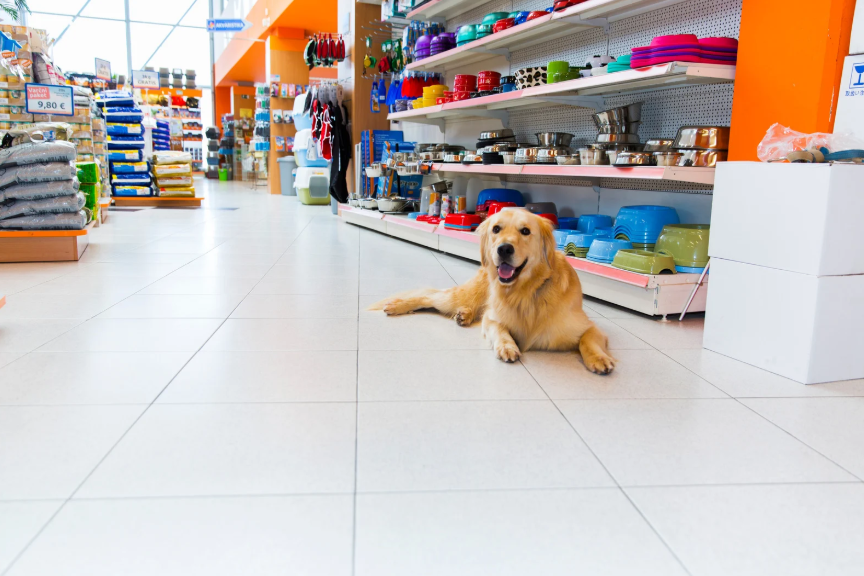
- Local pet stores: Many Bossier City pet stores welcome leashed dogs. Useful for exposure to varied people, smells, and indoor environments.
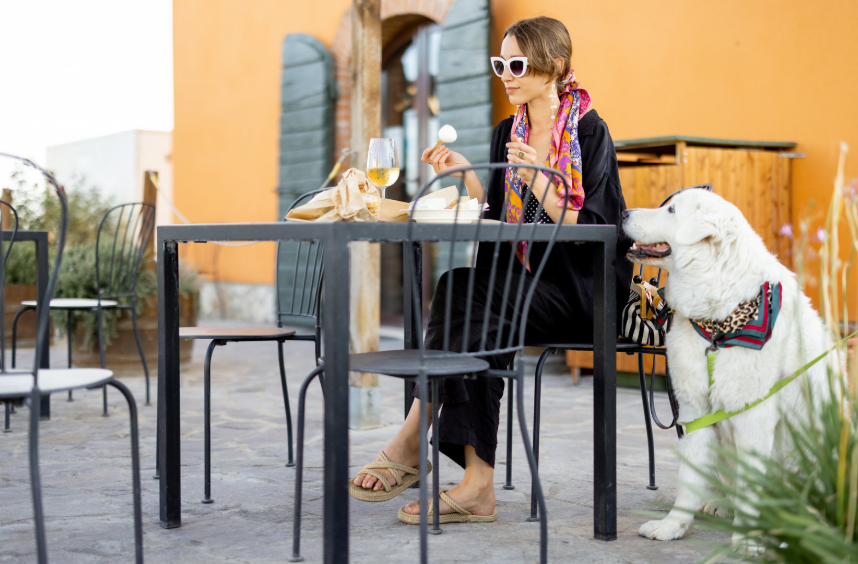
- Outdoor patios at dog-friendly restaurants: Quiet times of day work best. Builds tolerance for sitting calmly around food, people, and movement.
- Friends’ and family members’ homes: Controlled environments with new smells, layouts, and people. Especially valuable for early visits.
A note on dog parks: they are generally not the best socialization tool for young puppies or under-socialized adult dogs. The unpredictable mix of dogs, sometimes including poorly trained or overly aroused ones, can create bad experiences that set a dog back rather than forward.
Common Socialization Mistakes Bossier City Owners Make
Even well-intentioned owners make socialization mistakes that backfire. The most common ones to avoid:
- Taking an unvaccinated puppy to public dog parks. The risk of disease exposure and the risk of a bad encounter both outweigh the benefits.
- Forcing interactions when your puppy is scared. This teaches them they can’t trust you to keep them safe.
- Confusing exposure with overwhelm. A crowded festival is not socialization for a young puppy. It’s flooding.
- Skipping handling exposure. Many owners socialize around dogs and people but never practice paw touches, ear checks, or grooming. Then the vet visit becomes a disaster.
- Stopping after 16 weeks. Socialization needs to continue throughout adolescence to maintain the gains.
- Letting strangers approach without consent. Allow your puppy to approach people on their terms, not the other way around.
- Using corrections during socialization. This is a confidence-building activity. Save corrections for obedience work, not exposure work.
- Assuming your puppy is “fine.” Subtle signs of stress (lip licking, yawning, turning away) are easy to miss but matter a lot.
For learning to read those subtle stress signals, our post on reading your dog’s body language is a useful starting point.
How to Socialize an Older Dog or Rescue
If you adopted an adult dog or missed the critical window with a puppy, you’re not stuck. You’re just working on a different process. The brain plasticity of early puppyhood is gone, but adult dogs can still build new positive associations through patient, consistent work.
Key principles for socializing an older dog:
- Go slower than you think you need to. Adult dogs need more time to update their existing emotional responses.
- Work below threshold. Distance is your friend. If your dog reacts at 10 feet, work at 30.
- Use high-value rewards. Plain kibble won’t cut it. Bring out the chicken, cheese, or hot dogs.
- Keep sessions short. Five to ten minutes of focused work beats an hour of overwhelm.
- Manage the environment. Avoid situations where your dog will be flooded with too much stimulation at once.
- Set realistic goals. A formerly under-socialized dog may never love crowds, but they can learn to tolerate them calmly.
Rescue dogs in particular benefit from a structured introduction to the world. Many come with unknown histories that include trauma, neglect, or simply lack of early exposure. Our blog on working with and training a traumatized dog covers the broader rehabilitation approach.
When Socialization Goes Wrong (and How to Fix It)
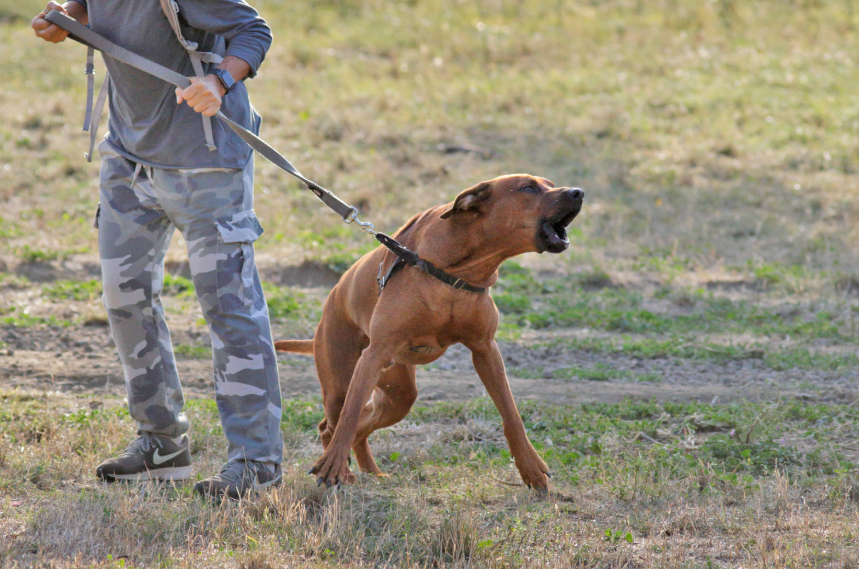
Signs that your dog has socialization gaps that need professional attention:
- Lunging, barking, or growling at other dogs on walks
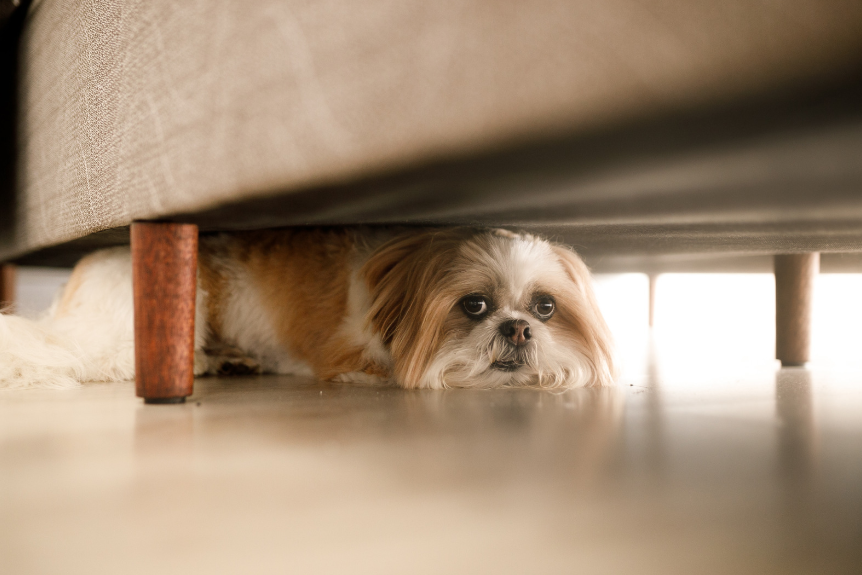
- Hiding, cowering, or aggression around strangers
- Panic at common sounds (vacuums, doorbells, traffic)
- Inability to settle in new environments
- Resource guarding food, toys, or sleeping spots
- Severe handling sensitivity (won’t let you touch paws, ears, etc.)
- Overprotective behavior toward family members
If your dog is showing these signs, what they need isn’t more socialization in the traditional sense. They need behavior modification work, often combined with structured obedience training to build confidence. For dogs that have become overly protective, our guide on socializing an overprotective dog walks through how to address it. For dogs with leash reactivity specifically, our post on walking a reactive dog covers the layered approach.
Professional support is often the fastest path forward. Our dog training programs include both confidence-building obedience and structured behavior modification work. For dogs that need an intensive reset, board and train provides extended structured time. For dogs that need to work in their actual environment, in-home dog training addresses behavior where it actually happens.
Frequently Asked Questions
When can my puppy go to public dog parks?
Generally, wait until your puppy has completed their full vaccination series (usually around 16 weeks) before visiting public dog parks. Even then, dog parks are often not the best socialization tool. A controlled playgroup with known healthy dogs is usually better.
Is the dog park bad for socialization?
Not inherently, but it’s risky. Dog parks expose your dog to unpredictable behavior from other dogs and owners. One bad encounter can create lasting reactivity. For many dogs, structured playdates with vetted friends produce better socialization outcomes than the dog park.
How many people should my puppy meet during the socialization window?
The traditional benchmark is meeting at least 100 different people in the first three months. The exact number matters less than variety: men, women, children, people of different ethnicities, people wearing hats or sunglasses, people with mobility aids, etc. Quality of exposure matters more than count.
Can a dog be over-socialized?
Not in the sense of meeting too many people or dogs, but yes in the sense of being overwhelmed. Forcing constant interactions, never giving the puppy quiet downtime, or pushing through obvious signs of stress can backfire and create anxiety or hyperarousal. Socialization should always include rest and recovery.
What about puppy classes? Are they worth it?
Yes, when done well. A good puppy class is one of the best socialization environments you can find. Look for classes with small group sizes (no more than 6–8 puppies), required vaccination records, supervised play, and positive training methods. Avoid classes that allow rough play or use punishment-based methods.
What if my puppy seems shy or fearful during socialization?
Slow down and back off. A scared puppy is not learning positive associations. They’re being overwhelmed. Lower the intensity (more distance, quieter environment, calmer people), use higher-value treats, and let the puppy set the pace. If shyness persists, talk to a professional trainer before patterns set in.
About All Dogs Unleashed
All Dogs Unleashed is a professional dog training facility serving Bossier City, Shreveport, and the surrounding communities. Located at 4500 Benton Rd, Suite 200, Bossier City, LA 71111, our team helps families build confident, well-socialized dogs through every stage of development. From puppy classes during the critical socialization window to behavior modification for under-socialized adult dogs, All Dogs Unleashed creates training plans that fit your specific dog and household.
Need Help Getting Your Dog Socialized?
Whether you have a new puppy entering the critical socialization window or an adult dog who’s struggling with people, dogs, or new environments, the right plan makes all the difference. All Dogs Unleashed can help you build the foundation your dog needs to navigate the world calmly and confidently.
Call us at (318) 562-6536 or visit our contact page to schedule a consultation. Let’s get your dog comfortable with the world they live in.