
Finding a trusted pet sitter in Dallas is harder than it should be. Texas has no state licensing requirement for pet sitters, so anyone can hang out a shingle with zero training or accountability. That’s exactly why knowing what to look for matters before you hand over your house key. At All Dogs Unleashed DFW, we’ve spent years working with dogs across the DFW area, from puppies to reactive rescues, and we know what real, professional pet care actually looks like.
This guide walks you through the questions to ask, the red flags to avoid, and how to find someone your dog will actually be safe with. Want expert eyes on your dog’s care? Our certified trainers are here to help.
Key Takeaways
- Texas has no state licensing for pet sitters, so professional certifications are the only real accountability standard.
- A qualified pet sitter should be able to handle Dallas summer heat and severe storm anxiety in dogs.
- Asking the right interview questions upfront is the fastest way to separate good sitters from unreliable ones.
- Referrals from neighbors and local dog owners remain one of the most reliable ways to find a trusted pet sitter.
Why Dallas Pet Owners Struggle to Find Reliable Help

Leaving your dog with a stranger is stressful. You don’t know if they’ll actually pay attention, handle an emergency, or even show up. And in Dallas, the problem isn’t a shortage of options. It’s too many options with no easy way to tell the good ones from the unreliable ones.
Dallas is a genuinely dog-friendly city. Local surveys consistently show that a majority of DFW households own at least one pet, which means demand for care far outpaces the supply of truly qualified sitters. That imbalance is exactly why so many owners settle for whoever answers first instead of whoever is actually right for their dog.
Rover, Wag, and local Facebook groups list hundreds of pet sitters across the area. Volume doesn’t equal quality. Because there’s no licensing gatekeeper in this state, a polished profile tells you almost nothing about training, experience, or accountability.
We work with Dallas dog owners every day at All Dogs Unleashed DFW. We see firsthand what separates great care from a situation you regret. This guide gives you the exact questions to ask, the red flags to spot, and the credentials that actually matter.
Why Finding a Good Pet Sitter in Dallas Is Harder Than It Looks
Searching for a pet sitter feels simple until you actually try it. You pull up Rover or a Facebook group, scroll through profiles, and suddenly you have 40 options and no real way to tell them apart.
The Problem With Most Pet Sitter Listings
A profile photo and five-star reviews tell you almost nothing about how someone handles a dog under stress. Because of that same accountability gap in the industry, anyone can call themselves a professional with zero training, zero certifications, and zero experience beyond owning a dog once.
Experience levels vary wildly. Some sitters have years of behavior knowledge. Others have only ever cared for their own easygoing Lab. You usually cannot tell the difference until something goes wrong.
What Dallas Dog Owners Actually Need
Our summers make this even more complicated. Temperatures regularly exceed 100 degrees Fahrenheit from June through September, and pavement in neighborhoods like Uptown and Deep Ellum can hit temperatures that burn paw pads in seconds. A sitter who does not understand heat safety is a genuine risk to your dog. Knowing the signs of dehydration in Dallas dogs is not optional knowledge here. It is basic competency.
Beyond heat awareness, here is what a qualified sitter in this area actually needs to bring to the table:
- Consistent communication before, during, and after each visit
- Real knowledge of dog body language and stress signals
- A clear emergency plan, including your vet and a backup contact
- Awareness of spring storm anxiety, since we sit squarely in Tornado Alley
Good reviews are a starting point. They are not a substitute for asking the right questions.
The 7 Questions You Should Ask Every Pet Sitter Before You Book
Before you hand over your keys and your dog, ask these seven questions. A professional sitter will welcome every single one. Vague answers or defensiveness? That’s your answer right there.
1. Are You Insured and Bonded?
Since the state provides no licensing safety net, insurance is the closest thing to accountability you’ll get. Real pet sitting insurance (through providers like Pet Sitters Associates) protects you if your dog gets injured or something in your home is damaged. If a sitter can’t show proof of coverage, keep looking.
2. How Many Dogs Will You Be Watching at the Same Time?
A sitter juggling six dogs at once cannot give your pup real attention. Ask for a specific number. At All Dogs Unleashed DFW, we consider three or fewer dogs the practical threshold for genuine one-on-one care, and it’s a standard echoed by many Pet Sitters International members. More than that and your dog becomes part of a crowd.
3. What Is Your Plan If My Dog Gets Sick or Injured?
A good sitter has an established vet relationship and knows exactly which emergency clinic to call. In the Dallas area, that means knowing the name and location of the nearest 24-hour emergency veterinary clinic, not just saying “I’ll call you.” If the answer is vague, that’s a problem before anything goes wrong.
4. Can I See Where My Dog Will Sleep and Spend Time?
Ask for a home visit or a video walkthrough before you book. This is a reasonable request. Any hesitation or flat-out refusal is a red flag worth taking seriously.
5. How Do You Handle an Anxious or Reactive Dog?
This question reveals real behavior knowledge, not just affection for dogs. Dallas spring storms can trigger severe anxiety in dogs, and summers regularly push past 100 degrees, making heat safety just as critical. If you want to understand common behavior problems Dallas trainers see most often, that context helps you evaluate whether a sitter’s answer actually holds up.
6. How Often Will You Send Updates and Photos?
Daily check-ins are the standard among professional pet sitting services in Dallas. Silence for 24 or more hours is not acceptable. Ask upfront how often you’ll hear from them and what that communication looks like.
7. Do You Have References From Repeat Clients?
One-time bookings don’t tell you much. Repeat clients do. A sitter with a steady roster of returning customers has earned that trust over time. Ask specifically for references from people who have booked more than once.
When you’re interviewing a pet sitter, the goal isn’t to trip them up. It’s to confirm they’ve thought through the same scenarios you have. A confident, prepared sitter will walk you through their answers without hesitation. That confidence is exactly what you want before you leave your dog in someone else’s care.
Not sure if your dog is ready for a new sitter? Our certified trainers can help you assess your dog’s readiness and prepare them for time with someone new.
Red Flags to Watch For When Hiring a Pet Sitter in Dallas
Most pet sitting problems are predictable. The warning signs show up before you ever leave town. You just have to know what to look for.
Red Flags in the Booking Process
These are the signals that tell you something is off before you even meet in person.
- No insurance or a vague answer when you ask. With no licensing requirement in Texas, voluntary credentials matter more, not less. A sitter who can’t confirm insurance is a liability.
- No meet-and-greet offered. Any sitter who wants to skip this step is not someone you want watching your dog.
- Prices that seem too good. In a large metro like the Dallas area, low rates on booking platforms usually mean the sitter is managing high volume to make the math work. Your dog gets less attention.
- No written agreement. No contract means no accountability.
- Generic reviews. If every review says “great sitter!” but none describe how the dog actually did, that tells you nothing useful.
- Slow or inconsistent communication. A sitter who takes two days to return a message before the booking will do the same when you are out of town.
Red Flags During the Meet-and-Greet
This is your best chance to catch problems before they become your problem. Pay attention to both the sitter and your dog.
- They don’t ask about your dog’s behavior, triggers, or routine. A good sitter wants this information. A careless one doesn’t think to ask.
- They seem distracted or mention juggling several other dogs. More dogs means less attention for yours.
- Your dog is uncomfortable and the sitter dismisses it. Dogs read people faster than we do. Trust that reaction.
- No clear plan for medical emergencies. With Dallas summers regularly topping 100 degrees, heat safety is not optional. Ask about signs of dehydration in Dallas dogs and see if they even know what to watch for.
- They can’t name a vet they have a relationship with. That’s a gap you don’t want to discover in an emergency.
Your gut matters here. So does your dog’s reaction. If either one is telling you something is off, listen.
What Makes a Pet Sitter Truly Qualified (Beyond Loving Dogs)
Loving dogs is the baseline. It is not a qualification. The sitter who can recognize stress signals in your dog, de-escalate tension between animals, and spot early signs of illness is operating at a completely different level than someone who just enjoys spending time with pets. That gap matters most when something goes wrong. And in pet sitting, something always eventually does.
Training and Behavior Knowledge
If your dog has any history of reactivity, anxiety, or resource guarding, patience alone is not enough. You need a sitter who understands what those behaviors actually look like and how to respond without making them worse. A reactive dog managed poorly by an untrained sitter can have a setback that takes weeks to undo.
If your dog has known behavior challenges, it is worth addressing them before placing your pup with any sitter. Our post on 10 dog behavior problems Dallas private trainers fix most often covers the most common issues we see and how training before a sitting arrangement makes the whole experience safer for everyone.
Spring storm season in the DFW area also brings real challenges. Dogs with storm anxiety need a sitter who knows how to manage that, not one who is surprised by it.
Professional Credentials Worth Looking For
Because credentials in this field are entirely voluntary, they carry real weight. A sitter who pursued them did not have to. That tells you something about how seriously they take the work.
Here is what to look for when evaluating pet sitting services in Dallas:
- Pet Sitters International (PSI) membership, the most recognized professional association in the industry
- National Association of Professional Pet Sitters (NAPPS) certification, requires demonstrated knowledge and ongoing education
- Pet first aid and CPR certification, the Red Cross offers this; it is a concrete safety skill, not just a credential
- Proof of insurance, through Pet Sitters Associates or a similar provider; protects you and your home
None of these are required. All of them signal a sitter who takes the work seriously enough to invest in it. Not sure if your dog is ready for a pet sitter? Our certified trainers can help you prepare your pup and point you toward sitters who are actually qualified.
When a Pet Sitter Is Not the Right Fit: Alternatives Worth Knowing
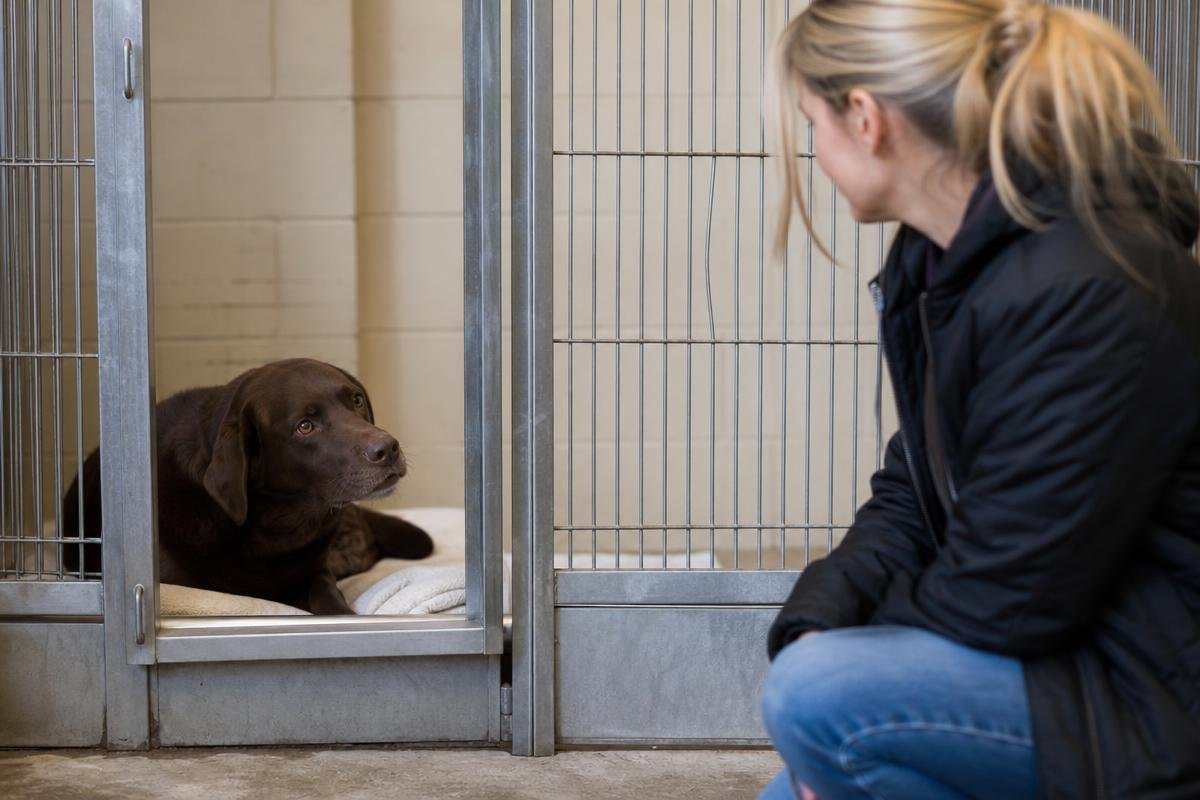
Pet sitting is a great option for many dogs. But it is not the right fit for every dog or every situation. Knowing your alternatives saves you time and keeps your pup safer while you are away.
Dog Boarding vs. Pet Sitting: Which Is Better for Your Dog?
In-home pet sitting works best for anxious dogs, older dogs, or pups on strict medical or behavioral routines. Staying in a familiar environment reduces stress. Your dog sleeps in its own bed, eats on its normal schedule, and does not have to adjust to a new place.
Boarding works well for social, adaptable dogs who do well with structure and other dogs around. The best dog boarding Dallas facilities offer individualized attention, not just a kennel run. Quality varies a lot across the city. Owners in areas like Oak Cliff or Lakewood may have fewer nearby options, so it pays to evaluate facilities carefully before you commit.
- Anxious or medically complex dogs: in-home sitting is usually better
- Social, easygoing dogs: boarding can be a great fit
- Dogs with behavior issues: neither option addresses the root problem
Board and Train as a Smarter Option for Some Dogs
If your dog has behavior issues on top of needing care, board and train programs in Dallas are worth a serious look. Your dog stays with a certified trainer, gets daily structured training sessions, and comes home with real skills. Our customers regularly describe night-and-day differences in their dogs after completing the program. It is a strong fit if you need pet care and want to fix behavior problems at the same time. One trip. Two problems solved.
Finding a Pet Sitter in Dallas: Neighborhoods, Resources, and Local Tips
Where Dallas Dog Owners Are Looking
Most owners searching for a dog sitter near me start with apps like Rover, Wag, or the PSI locator at PetSitter.com. Those are fine starting points. But the most vetted sitters often come from somewhere else entirely.
Nextdoor is especially active in Oak Cliff, Lakewood, and Preston Hollow. Neighbors in those communities have actually used the sitters they recommend. That personal vouching matters more than a five-star rating from a stranger.
A few other places worth checking:
- Neighborhood groups on social media, where locals post real experiences
- Your vet, groomer, or trainer. They see a lot of pet owners and usually know who is reliable
- White Rock Lake dog park (75218) and Mutts Canine Cantina in Uptown, where sitter referrals get passed around regularly
Dallas-Specific Considerations for Pet Care
Once you find a candidate, make sure they are ready for what this area actually throws at dogs.
- Summer heat. From June through September, temperatures regularly exceed 100 degrees Fahrenheit. A good sitter limits outdoor time to early morning or after sunset, always keeps fresh water available, and knows the signs of heat exhaustion. If you want to read more on that, our post on signs of dehydration in Dallas dogs covers it well.
- Storm anxiety. This area sits in Tornado Alley. Spring storm seasons can be intense, and thunder alone sends a lot of dogs into a panic. Ask your sitter directly: do they know how your dog responds to storms, and do they have a plan? A safe room, an anxiety wrap, or a calm routine can make a real difference.
- Local leash and containment rules. Dallas requires dogs to be leashed or securely confined outside of designated off-leash areas, and a sitter unfamiliar with those ordinances can land you a citation. A local pro already knows the rules for your neighborhood, whether you’re in Lakewood or Frisco.
Frequently Asked Questions
How much does a pet sitter cost in Dallas?
Rates vary based on experience, services offered, and how many dogs a sitter manages at once. In a large, competitive city, very low rates can sometimes signal high volume and less individual attention. Always ask about experience and how many other dogs they are watching at the same time before booking.
What is the difference between a pet sitter and a dog boarder?
A pet sitter works in your home or theirs. It is smaller, quieter, and more personal. A dog boarder is a facility with staff, structured routines, and multiple dogs. Neither is automatically better. It depends on your dog’s personality and what kind of environment helps them feel calm. If you are weighing those options, our post on board and train programs in Dallas covers what structured facility care actually looks like.
How do I know if a pet sitter is trustworthy?
Look for insurance, references from repeat clients, and a willingness to do a meet-and-greet before the booking. A good sitter asks as many questions about your dog as you ask about them. That curiosity is a real trust signal.
Should I hire a pet sitter or use a dog boarding facility?
Social, adaptable dogs often do great in a boarding setting. Anxious, older, or reactive dogs usually do better in a familiar environment with fewer dogs around. Match the setting to your specific dog, not just your schedule.
What should I prepare before leaving my dog with a sitter?
- Written daily routine and feeding schedule
- Medications with clear instructions
- Emergency vet contact and your dog’s medical history
- Notes on behavioral quirks, triggers, or storm anxiety
- Enough food and supplies for the full stay plus one extra day
- A short trial run before any long trip
Is it better to have a pet sitter come to my home or drop my dog off somewhere?
Staying home reduces stress for anxious or older dogs. Drop-off works well for dogs that are social and adaptable. The location matters less than the quality and attentiveness of the person caring for your pup. Choose the person first, then figure out the location.
If your dog has behavior challenges that make finding the right sitter feel even harder, our team works with dog owners across the DFW area every day. We can point you toward the right solution for your dog’s specific needs. Whether that means training first or pairing care with real progress, we are here to help. Give us a call or stop by to talk through your options.
Ready to Get Started with All Dogs Unleashed DFW?
Get in touch to speak with our team directly. We’re ready to answer your questions, walk you through your options, and help you find the right solution for your needs. Whether you’re just starting to plan or ready to move forward, we’ll make the process simple and stress-free. Reach out today and let’s talk about how we can help.