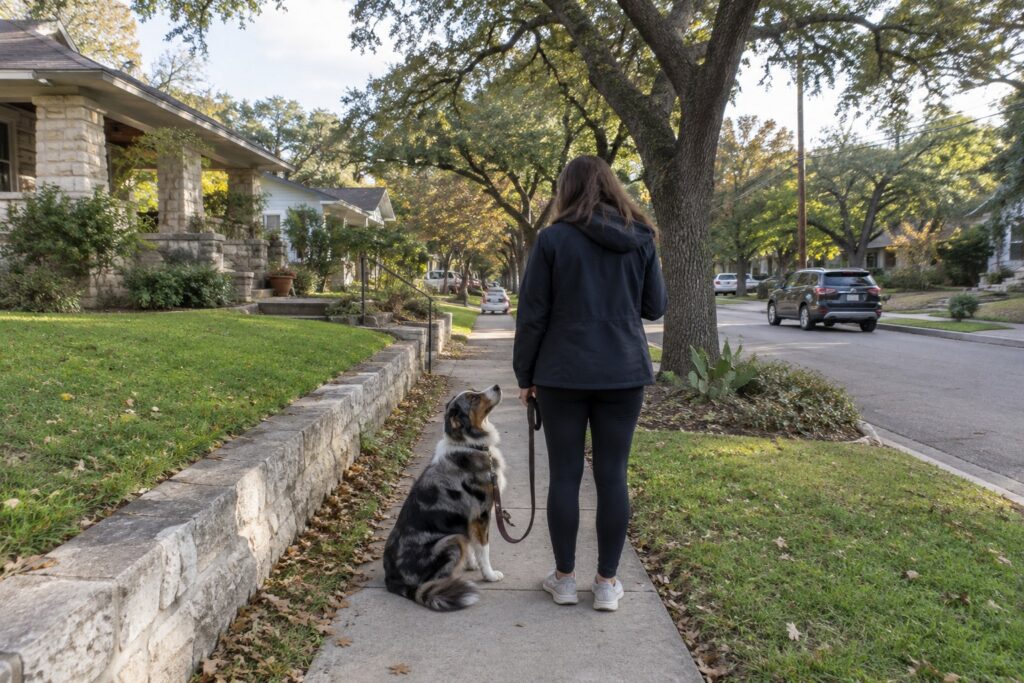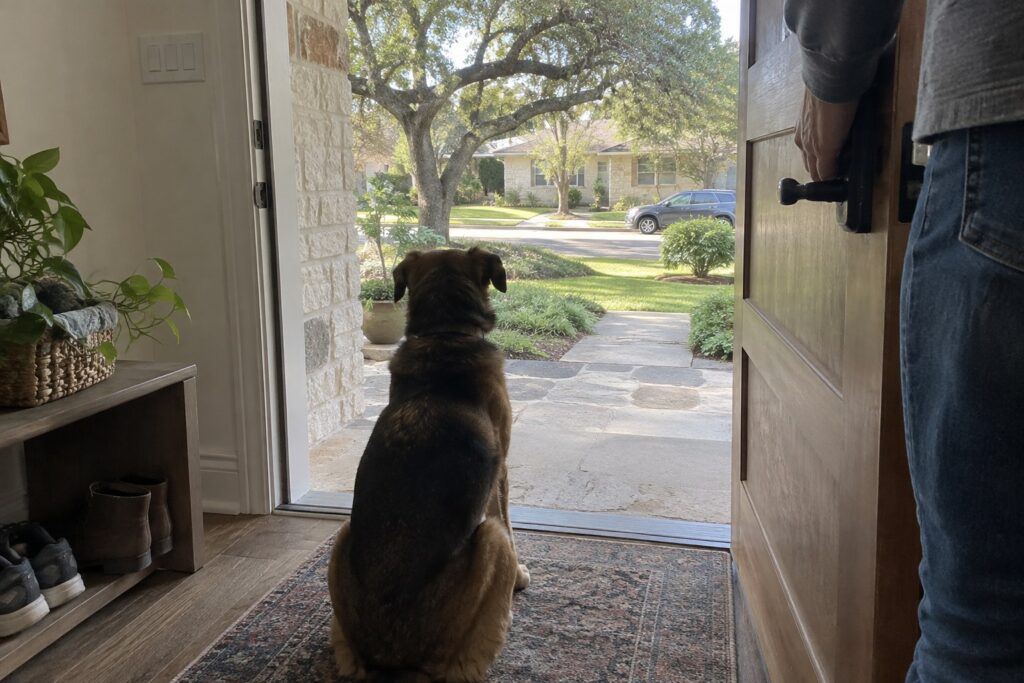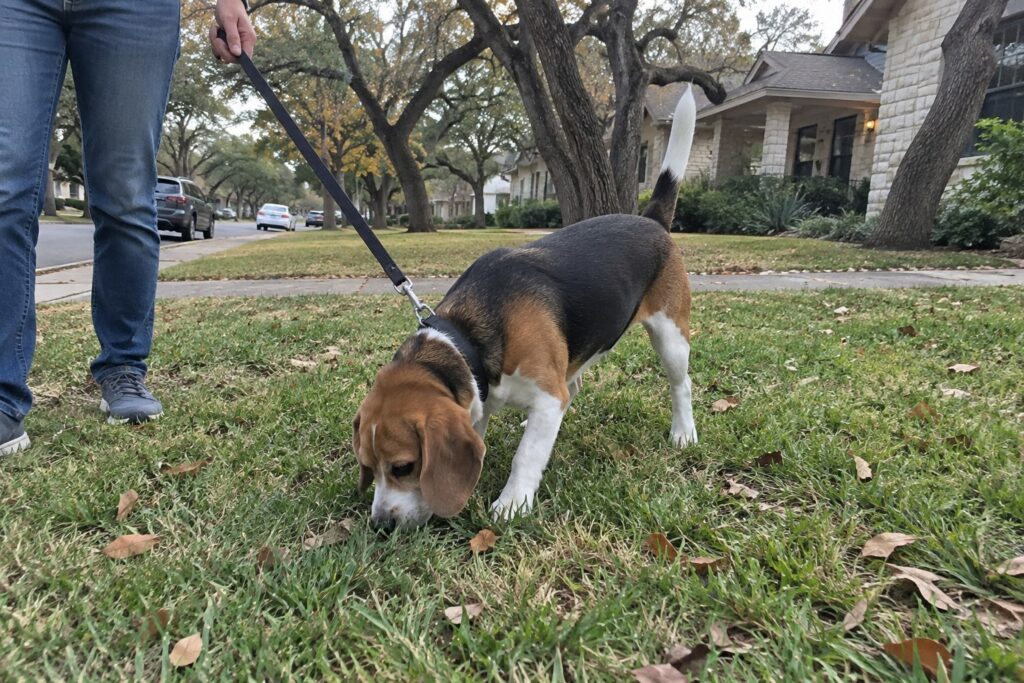

Your dog graduated training, learned the commands, and did great, then somewhere along the way, stopped listening. It happens more than you'd think, and there are real reasons behind it. The team at All Dogs Unleashed Dog Training OKC has worked with Oklahoma City dogs who hit this exact wall, from recall failures at Scissortail Park to full-on leash regression in the neighborhood.
Book a refresh training assessment and get your dog back on track.
Key Takeaways
- A trained dog that stops listening is usually experiencing skill regression or behavioral extinction, not deliberate disobedience.
- Inconsistent commands from family members are one of the most common reasons dogs randomly stop responding.
- Distractions in public spaces like parks and busy sidewalks expose gaps that home training never fully addressed.
- Refresh training sessions reconnect your dog to commands they already know, often with faster results than starting over.
- Our trainers can pinpoint exactly why your trained dog stopped listening and build a plan to correct it.
Your Trained Dog Is Ignoring You, And That Does Not Mean You Failed
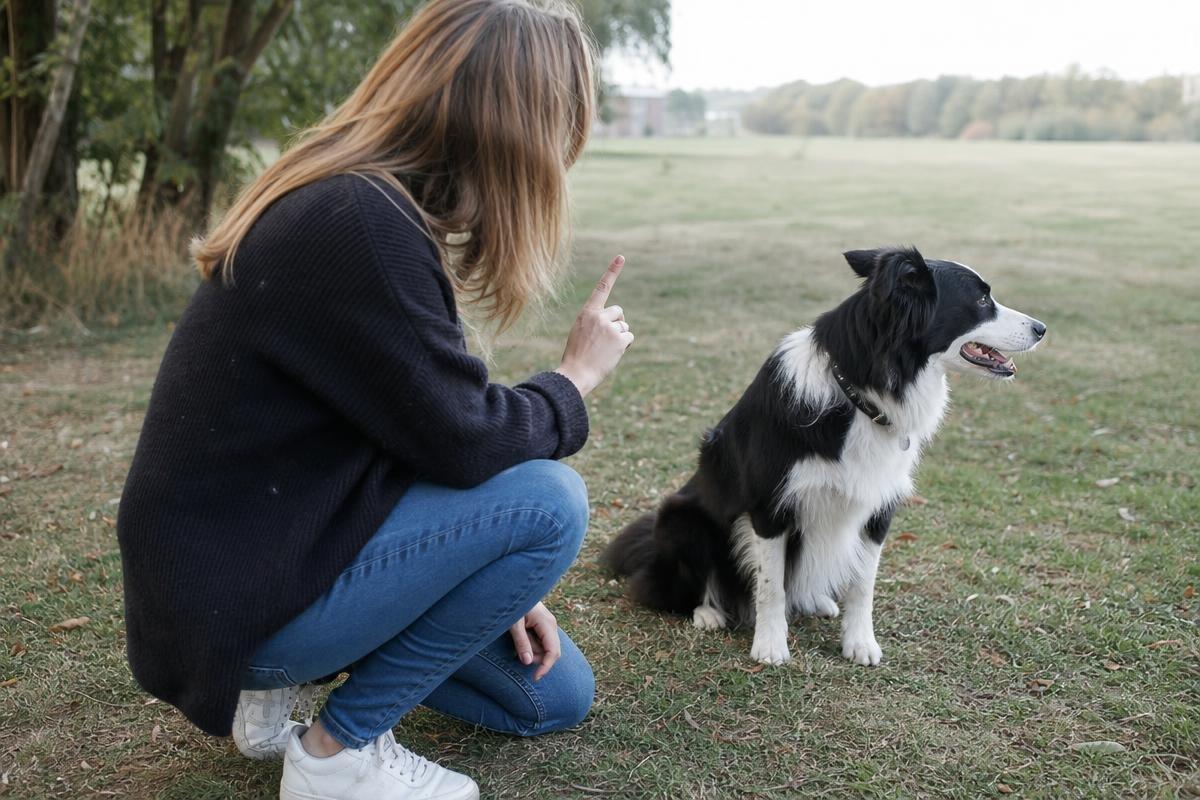
Picture this: your dog sailed through training. Sat on cue. Came when called. You were proud. Now, a few months later, you say "sit" and he just stares at you like he's never heard the word before. The skills are still in there. This is the one reassurance worth holding onto as you read the rest of this guide, because everything below is about how to bring those skills back.
It happens to Oklahoma City dog owners all the time. Life gets busy. Routines shift. And dogs, being dogs, will test the boundaries when consistency slips.
This guide covers the real reasons a trained dog suddenly stops responding to commands, what you can do at home right now, and when it makes sense to bring in the certified dog trainers at All Dogs Unleashed in Oklahoma City for a proper refresh. By the end, you will have a clear picture of what is going on and a practical path forward. Your dog does not need to start over. He just needs a reset.
The Most Common Reasons a Trained Dog Stops Listening
The most common reasons a trained dog stops listening are inconsistent commands from different family members, a lack of distraction proofing in real-world settings, and skill fade from inconsistent practice. Each of these has a clear, fixable cause behind it, and understanding which one applies to your dog is the first step toward getting back on track.
Inconsistency From the Humans in the House
This is the most common culprit we see. One person says "off," another says "down," and a third just lets the dog jump without saying anything at all. Your dog is not ignoring you on purpose. The dog is responding exactly as trained, just to a set of mixed signals.
Dogs learn through repetition and consistency. When the rules change depending on who is in the room, the dog learns that rules are optional. Every person in your household needs to use the same cue word, the same timing, and the same follow-through every single time. That consistency is what makes a command feel like a rule instead of a suggestion.
Distractions Your Dog Never Practiced Around
Here is something we tell every dog owner at their first consultation: your dog listening perfectly in your kitchen is not the same as your dog knowing the command. It means your dog knows the command in your kitchen.
Distraction is its own skill layer. When your dog suddenly seems to ignore you at a crowded Bricktown sidewalk or in the Paseo Arts District on a busy weekend, that is not your dog randomly deciding not to listen. That is a predictable response when the distraction level exceeds what your dog was ever trained to handle. Common high-distraction environments that trip up Oklahoma City dogs include:
- Off-leash dog parks and busy on-leash trails like the Lake Hefner loop
- Outdoor dining patios and Bricktown sidewalks
- Visitors arriving at the front door
- Other dogs passing on a leash
- Busy neighborhood sidewalks in areas like Edmond, Yukon, and Nichols Hills
Working on keeping your dog's training sharp between sessions in varied environments makes a real difference over time.
Commands That Were Never Fully Proofed
Proofing means teaching your dog to respond to a command across different distances, durations, and distractions. Trainers call these the three Ds. A dog that sits reliably at two feet in a quiet room has not been trained to sit at ten feet in a busy park. Those are genuinely different skills to a dog's brain.
Here is how a simple recall proofing progression looks in a real OKC setting. Start with your dog on a 15-foot long lead at the quieter west end of the Lake Hefner trail, calling him back from five feet away with no other dogs nearby. Once he nails that ten times in a row, extend to the full length of the lead. Only then add distraction by practicing during a busier evening when joggers and other dogs are passing.
Off-leash recall comes last, and only after the on-lead version holds up under all three Ds. Skipping steps is how most owners end up with a dog that "knows" recall at home but blows it off in public.
Oklahoma City's intense summer heat, with temperatures regularly climbing past 100°F, keeps many dogs indoors for weeks at a time. When cooler weather returns and outdoor routines resume, gaps in proofing become obvious fast. The dog is not regressing out of stubbornness. The training simply was not built to hold up under those new conditions.
That is a training gap, not a character flaw, and it is exactly what refresh training is designed to address. See if your dog qualifies for a refresh session with our OKC team.
How Dogs Learn and Why Regression Is a Normal Part of the Process
Dog regression after training is more common than most owners expect, and it almost never means your dog has forgotten everything. Dogs learn through repetition and association, not comprehension. Your dog is not thinking through the logic of a command. He is pattern-matching based on context, your body language, the environment, and what has happened in that spot before. When the context changes, the pattern can break down.
The Difference Between Knowing a Command and Truly Understanding It
Here is a question worth sitting with: does your dog actually understand what "sit" means, or does he just know that when you stand in the kitchen holding a treat and say a certain word, something good happens? Those are two very different things. A dog who has only practiced a command in one setting has not fully learned it. He has learned a very specific routine.
This is why your dog listens perfectly at home but acts clueless at the Myriad Botanical Gardens or along the Lake Hefner trails. The sights, smells, and sounds are different. To him, the rule may not seem to apply here. That is not stubbornness.
That is a dog who is genuinely confused about whether the command means the same thing in this new place. Our OKC dog training team works specifically on generalizing commands across real-world environments so your dog connects the behavior to the word, not just the setting.
How Adolescence and Life Changes Trigger Setbacks
If your dog stopped listening to commands somewhere between six and eighteen months old, adolescence is likely a factor. Hormonal shifts during this window increase independence and push dogs to test boundaries they previously respected. It is a normal developmental phase, but it can feel like your training disappeared overnight.
Life changes hit hard too. A new baby, a move across town, a new pet, or even a shift in your daily schedule can disrupt the patterns your dog depends on. Oklahoma City's extreme summer heat adds another layer. When temperatures climb above 100 degrees, many dogs spend weeks mostly indoors.
Then fall arrives and outdoor routines resume, and the environment feels genuinely new again. That break in routine is enough to trigger real regression in dogs who had solid skills just months before.
What You Can Do at Home to Rebuild Listening Skills
If your dog doesn't listen anymore, the good news is that the training is still in there. You just need to rebuild the habit. Start in your living room or backyard, somewhere familiar and low-distraction. Get the basics working there before you take your dog anywhere near a busy Oklahoma City park or sidewalk.
Go Back to Basics With Short, Focused Practice Sessions
Keep sessions short. Five to ten minutes, two to three times a day, is more effective than one long session that ends in frustration. Dogs learn better when they finish on a win, not when they're mentally checked out.
- Work on one command per session, not a full routine.
- Practice before meals when your dog is hungry and motivated.
- Use the exact same verbal cue every time. No variations.
- End every session on a successful rep, even if you have to make it easy to get there.
Return to the same environment where your dog originally learned the command. If "sit" fell apart outside, rebuild it inside first. Add distractions only after your dog is responding reliably again.
Use High-Value Rewards to Rebuild Motivation
Not all rewards are equal. If your dog is blowing off commands, kibble probably is not going to cut it right now. In a refresh phase, be generous. Small pieces of real chicken, cheese, or a favorite toy will get your dog's attention back faster than dry food.
Ask yourself: would your dog cross the room for this reward? If the answer is no, find something better. Motivation drives response. Once your dog is reliably listening again, you can gradually reduce the high-value rewards over time.
Set Clear Boundaries and Follow Through Every Time
This is where a lot of owners lose ground. If your dog just stares at you after a command, do not repeat it five times. Say it once. Wait three to five seconds. Then calmly guide your dog into position. Repeating the cue teaches your dog that the first few times do not count.
Say it once and mean it. Every time you follow through, you rebuild the expectation that your cues matter. Every time you let it slide, you chip away at it. Consistency is the whole game here.
If you are putting in the work at home and still not seeing progress, it may be time to bring in a professional. Our private training lessons in Oklahoma City are designed to get you and your dog back on track with a clear plan and real results.
When At-Home Practice Is Not Enough: Signs Your Dog Needs Refresh Training
Home practice can fix a lot. But some situations call for more than extra reps in the backyard. If your dog's regression has crossed from frustrating into genuinely risky, that's the signal to bring in a professional.
Behaviors That Have Slipped Into Safety Risks
There's a real difference between a dog who ignores "sit" at dinner and a dog who blows past a recall command near a busy Oklahoma City street. One is annoying. The other is dangerous. The same goes for leash lunging on the Lake Hefner trails, where cyclists and joggers come out of nowhere and a 60-pound dog pulling hard can knock someone down.
Here are warning signs that it's time to call a certified trainer rather than troubleshoot alone:
- Your dog no longer comes when called near traffic, open gates, or other dogs
- Leash lunging has become strong enough to cause injury to you or others
- Door-bolting has become a habit, especially in busy areas like Bricktown or Midtown
- You're seeing resource guarding over food, toys, or space
- Your dog shuts down or escalates during practice, no matter what you try
These aren't basic obedience gaps. They require behavior modification work, not just command repetition. It also helps to understand whether what you're seeing is reactive dog behavior or something closer to aggression, because the approach is different for each.
When the Bond Feels Broken, Not Just the Commands
A lot of owners describe this stage as feeling like their dog doesn't respect them anymore. That feeling is real, but the framing isn't quite right. What's actually happening is a communication breakdown, not a power struggle. Your dog isn't trying to dominate you. The signals have just gotten blurry over time.
Refresh dog training in Oklahoma City is built around rebuilding that clear, consistent communication system between you and your dog. Our certified dog trainers in Oklahoma City don't focus on dominance. We focus on connection, clarity, and real results that last.
If any of those warning signs sound familiar, talk to a certified OKC trainer about regression. Call All Dogs Unleashed at (405) 299-3386 to talk through what you're seeing and find the right next step for your dog.
How All Dogs Unleashed Approaches Refresh Training in Oklahoma City
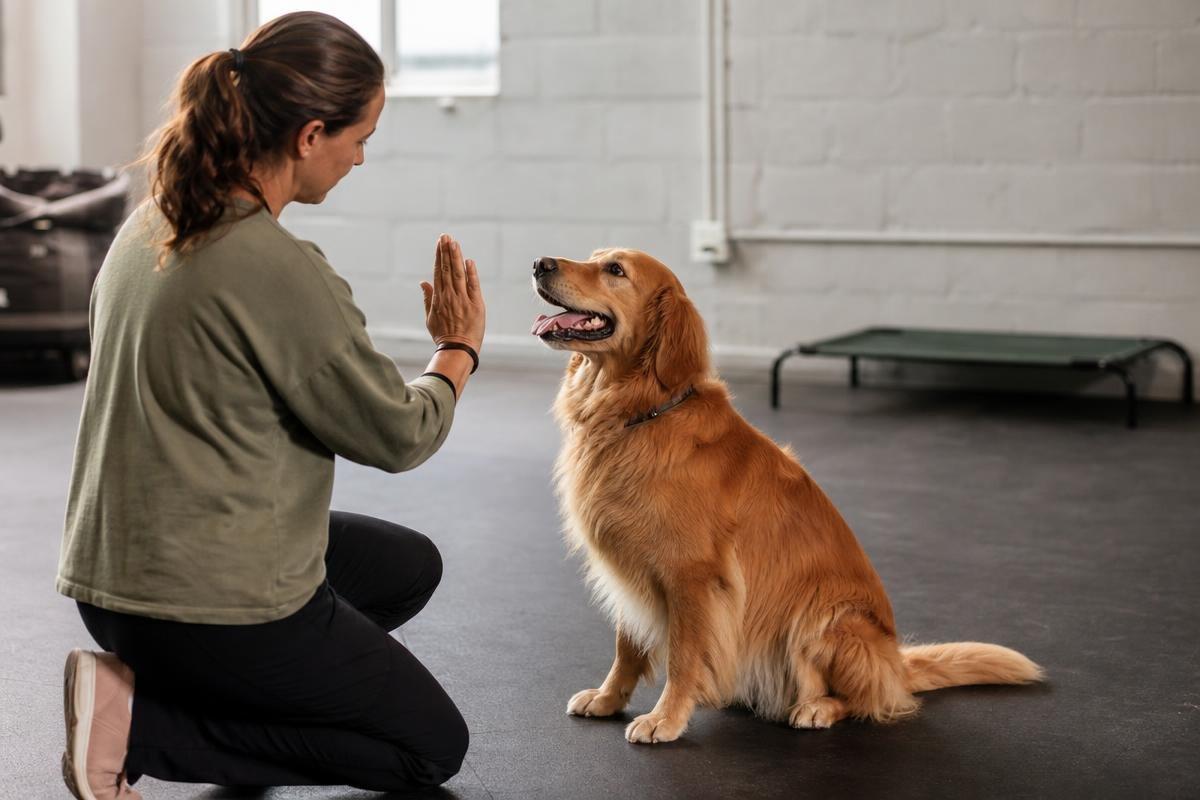
A refresh program is not starting over from scratch. Your dog already has a foundation. We build on it, identify where the gaps are, and put the right structure back in place. All Dogs Unleashed has 297 reviews at 5.0 out of 5 stars from dog owners across the OKC area, and that track record comes from doing exactly this kind of focused, results-driven work.
Our trainers in Oklahoma City assess each dog individually. We look at where regression started, what triggers are causing the breakdown, and which commands need the most work. From there, we match your dog to the right program.
Board and Train Refresh Programs
If your dog has significant regression or your schedule makes daily practice sessions hard to stick to, board and train is often the right call. Your dog stays with our team, works with our trainers every day, and gets proofed across varied real-world settings. Not just a single training room.
One of our trainers, Dylan, is a great example of the team your dog works with. Clients describe picking their dog up and feeling like they have a "completely new dog." Others say their furry friend is "so obedient now" after just one program. To get a feel for what a board and train program looks like day by day, we break it all down in detail. If you are weighing your options, our guide on board and train vs. in-home training walks through which format fits different dogs and situations.
In-Home Refresh Sessions for Real-World Results
Some dogs listen fine at the training facility but fall apart at home. Door manners, jumping on guests, ignoring commands around the family. That is where in-home sessions make a real difference. Our trainer works in the exact environment where the problem actually happens.
One client shared that our trainer gave her and her daughter "a clear training plan" they could both follow.
That is the point. In-home sessions build skills for the whole household, not just the dog. Before your first visit, read through what to expect from your first in-home training session so your family is ready to get the most out of it.
Oklahoma City Dog Owners Know: Local Life Puts Training to the Test
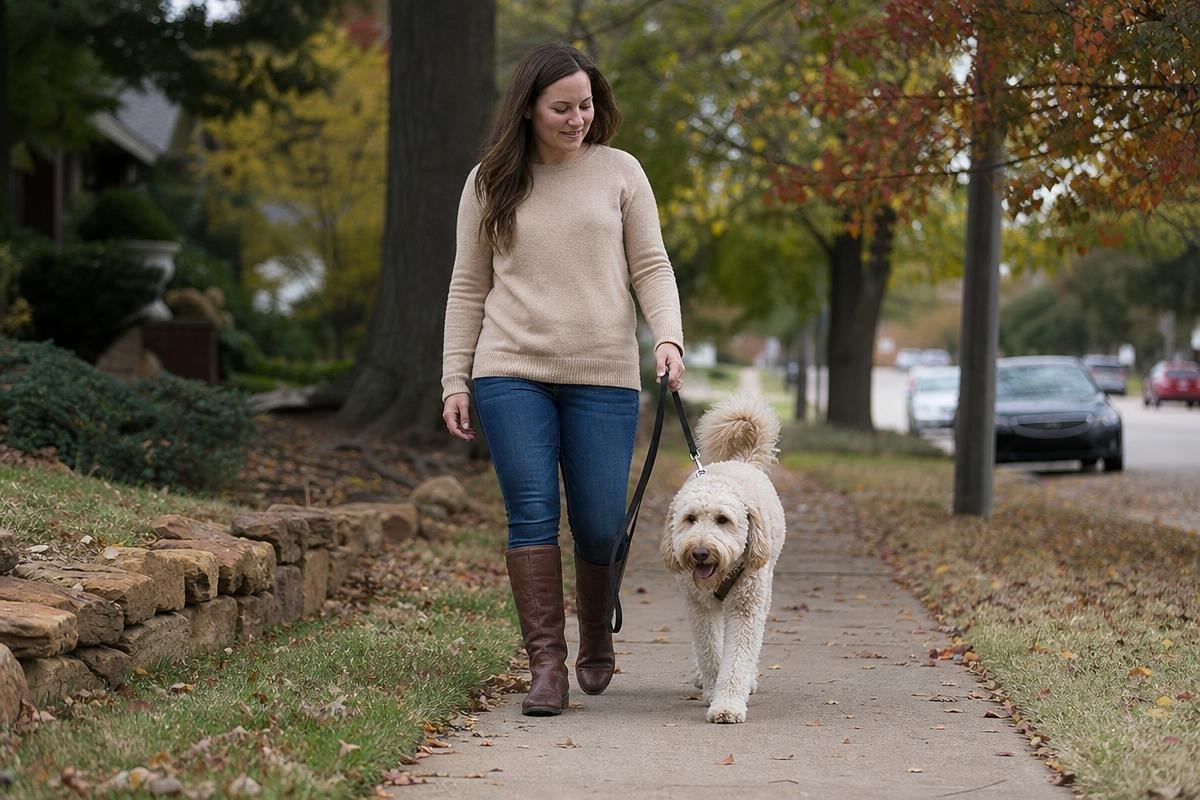
Life here puts real pressure on your dog's obedience. Busy parks, unpredictable weather, and constant distractions all test the habits you worked hard to build.
The environments here don't forgive a dog with regression issues. Trails with heavy cyclist and jogger traffic demand solid leash manners. Busy sidewalks near outdoor dining spots require a dog who can settle calmly beside you without pulling or reacting. Neighborhood sidewalks in Nichols Hills and Yukon have enough foot traffic and off-leash dogs nearby that a recall failure creates a real safety risk.
Your dog needs to listen reliably out there, not just in your living room.
If any of this sounds familiar, our certified dog trainers in Oklahoma City are ready to help you get back on track. The FAQ section below answers the questions we hear most from local dog owners.
Frequently Asked Questions
Why does my trained dog suddenly ignore commands he used to know?
The most common cause is a gap between where your dog learned a command and where you are now asking for it. Dogs do not generalize rules the way people do. A solid "sit" in your living room does not automatically transfer to a busy trail in Edmond or a crowded dog park in Yukon. The behavior is still there. The environment changed, and your dog has not yet learned to perform reliably in that new context.
How long does it take to fix regression?
Mild command slippage can often turn around in one to two weeks of consistent daily practice. If your dog has stopped listening to commands across multiple situations, or if the regression is layered with new problem behaviors, a structured program will move things forward faster and more reliably than solo practice alone.
Should I start over completely or build on what my dog already knows?
Build on what is already there. The foundation is almost always still intact. Start with the commands your dog knows best, rebuild reliability in low-distraction settings, and then add complexity. Starting from scratch is rarely necessary and can actually slow progress.
Can older dogs be retrained after developing bad habits?
Absolutely. Older dogs often focus better than puppies. The idea that old dogs cannot learn is a myth. What they need is patience, consistency, and rewards that genuinely motivate them. Age is not the obstacle. Inconsistency is.
What is the difference between a refresh and a new training program?
A refresh assumes a foundation already exists and focuses on rebuilding reliability and proofing commands in real-world settings. A new program starts from zero. If your dog completed training and then regressed, a refresh is almost always the right starting point.
How do I know whether to handle this myself or call a trainer?
If the behavior creates a safety risk, such as a dog that bolts, snaps, or cannot be recalled near traffic, call a professional. For milder slippage, the at-home steps covered earlier in this article are a solid place to start. If you are not seeing progress after a couple of weeks, that is a clear sign to bring in help.
The certified dog trainers at All Dogs Unleashed work with dogs at every stage of regression and can help you figure out the right next step without any guesswork. Call our team at (405) 299-3386 or visit All Dogs Unleashed to talk through your options today.
Ready to Get Started with All Dogs Unleashed Dog Training OKC?
Call (405) 299-3386 to speak with our team directly. We're ready to answer your questions, walk you through your options, and help you find the right solution for your needs. Whether you're just starting to plan or ready to move forward, we'll make the process simple and stress-free.
Reach out today and let's talk about how refresh training can get your dog listening again.