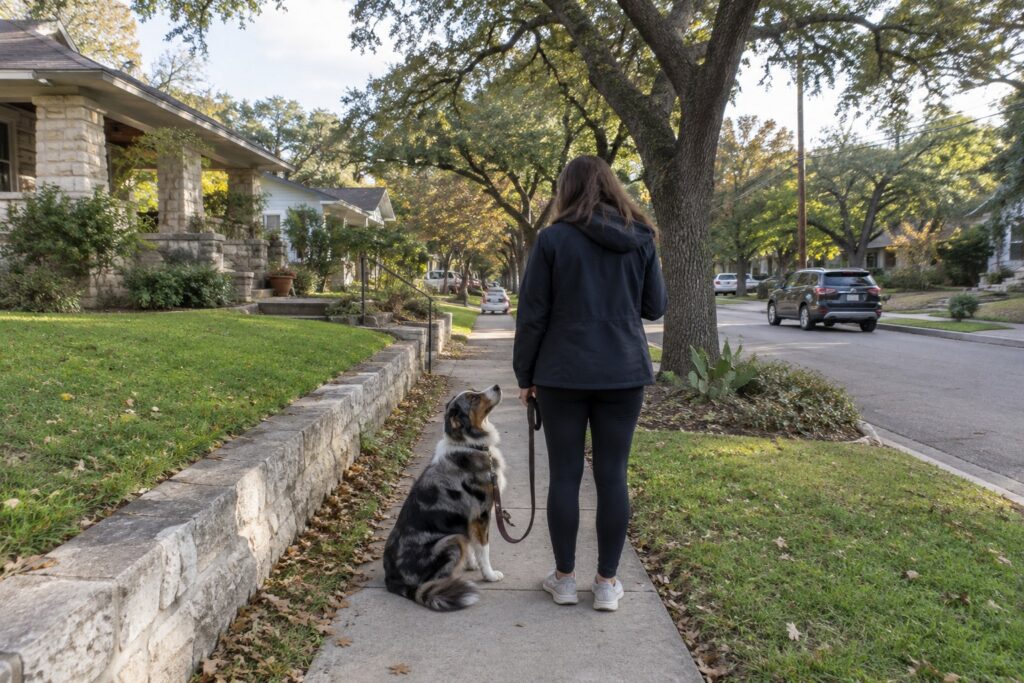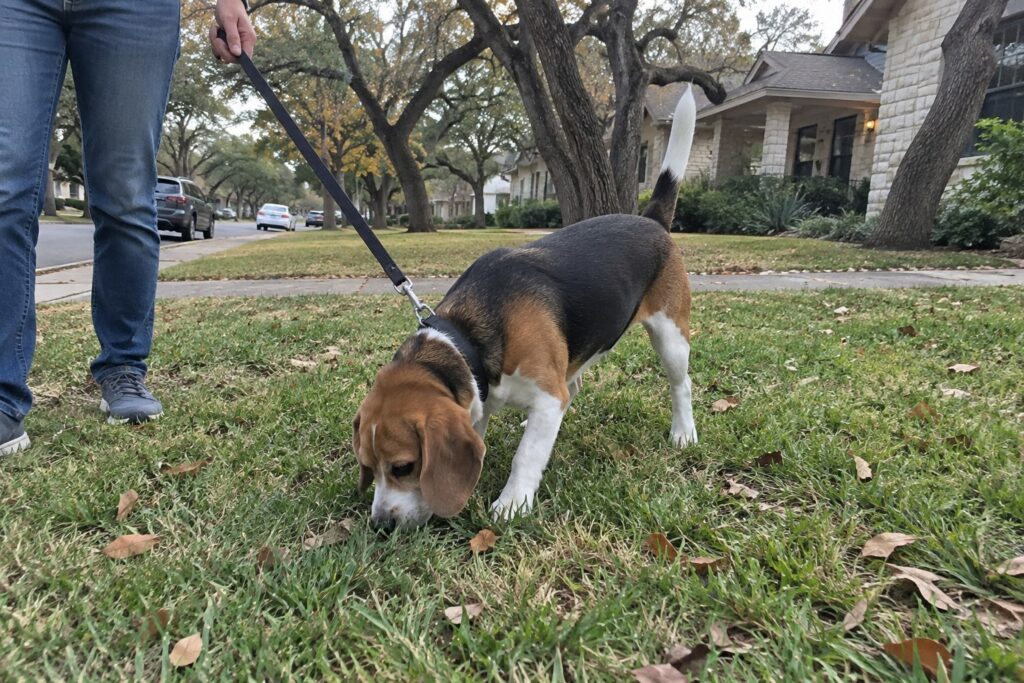

Choosing between dog obedience classes and private training is one of the most consequential decisions you will make for your dog’s behavioral development. Both formats produce results, but they do so through different structures, timelines, and learning environments. All Dogs Unleashed Dog Training OKC, located at 101 Park Ave, Suite 1300, Oklahoma City, OK 73102, offers individualized training programs backed by guaranteed results and lifetime support. Not sure which training format is right for your dog? Our team can help you decide.
Key Takeaways
- Dog obedience classes build foundational skills in a group setting, while private training delivers individualized attention and faster behavioral correction.
- Group classes are typically lower in cost but offer less flexibility for dogs with reactivity, fear, or specific behavioral challenges.
- Private training allows a trainer to tailor each session to your dog’s temperament, learning pace, and your household’s daily routine.
- Oklahoma City’s high summer temperatures can affect outdoor group class scheduling, making facility-based or in-home training a practical alternative.
- The right format depends on your dog’s age, behavior history, and the reliability of response you need in real-world environments.
What Dog Obedience Classes Actually Teach, and What They Do Not
Dog obedience classes teach foundational commands such as sit, stay, down, come, and heel, along with leash manners, through a structured group curriculum. Each skill builds on the one before it. The AKC recommends starting foundational training as early as 8 weeks of age, because behaviors established early are far easier to maintain than habits corrected later.
Puppy obedience classes in the Oklahoma City area operate on this same principle: early enrollment prevents problem behaviors from becoming ingrained before training begins.
Core Skills Covered in a Group Obedience Format
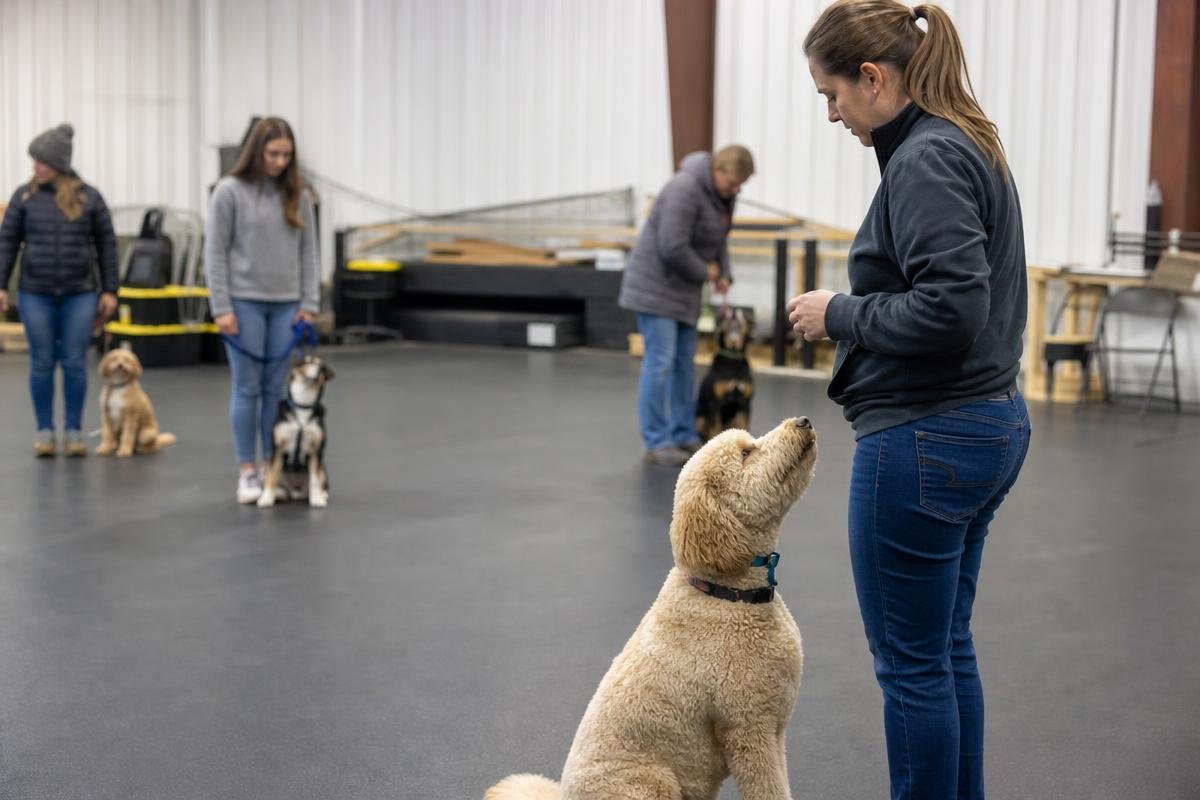
Group dog training classes teach commands through repetition across weekly sessions, with the expectation that owners practice daily between classes. That daily practice requirement is not optional. Skills introduced once per week in a class setting do not generalize reliably without consistent owner-led reinforcement at home.
A dog that responds correctly in a controlled classroom on Tuesday will not automatically perform the same behavior at the Oklahoma City Farmers Public Market or along the Bricktown corridor on Saturday unless that skill has been proofed across varied environments through regular practice.
The Socialization Benefit of Group Classes
The socialization mechanism in group obedience classes is specific and measurable. Exposure to other dogs, unfamiliar handlers, and novel stimuli within a controlled setting builds a dog’s capacity to maintain focus despite distraction. This is a genuine developmental benefit, particularly for puppies and undersocialized dogs. Real-world locations like Hafer Park in Edmond and the off-leash areas near Lake Hefner demand exactly this kind of distraction tolerance.
For more on why early group exposure matters, our puppy socialization classes in Oklahoma City resource covers the developmental window in detail.
Where Group Classes Fall Short
A trainer managing 6 to 10 dogs cannot diagnose breed-specific behavioral patterns, reactivity, or ingrained problem behaviors within a single class period. Dogs with leash reactivity, aggression history, or separation anxiety should not be placed in a group setting, and doing so can reinforce the very behaviors the owner is trying to correct.
If your dog has any of these histories, review our breakdown of leash reactivity training fixes for Oklahoma City dogs before choosing a format. Group dog obedience classes work well for dogs without significant behavioral issues and owners who commit to structured daily practice between sessions.
How Private Dog Training Works, and When It Produces Faster Results
Private dog training places one dog and one handler with a single trainer for a dedicated session, in dedicated one-on-one sessions. The trainer adjusts technique, pacing, and reinforcement in real time based on that individual dog’s responses. No group dynamic competes for the trainer’s attention, and no generalized curriculum constrains the session’s direction.
Structure of a Private Training Session
Each session begins with a behavioral assessment of what the dog did since the last session, what improved, and what did not. The trainer then targets the specific skills or problem behaviors identified in that assessment. Reinforcement timing, correction pressure, and progression speed are calibrated to the individual dog throughout the session, not averaged across a class of ten. This format produces more targeted skill-building and measurable progress within fewer sessions for dogs with complex behavioral histories.
Behavioral Profiles That Benefit Most from Private Training
The group class section already established which dogs are unsuitable for a multi-dog classroom format. Private training is what those dogs need instead, and it works because it removes the trigger stack that prevents learning in a group. Rather than asking a reactive dog to hold focus around unfamiliar dogs and handlers, a private trainer controls distance, duration, and intensity, introducing each trigger only once the dog is under threshold. High-drive working breeds, including German Shepherds, Dobermans, and Belgian Malinois, get individualized techniques that match their drive rather than a generalized curriculum.
Our German Shepherd training in Oklahoma City resource covers the specific demands of those breeds in detail. Dogs that previously stalled in a group setting, including many rescue dogs with unknown histories, respond more reliably once the pace bends to them rather than the class. For context on what those cases typically involve, see our guide on what Oklahoma City owners should expect from rescue dog training.
Why In-Home Training Addresses the Root Context
Problem behaviors are context-dependent. A dog that reacts to the doorbell, guards furniture, or jumps on guests will exhibit those behaviors most intensely in the home environment, not in a neutral training facility. Our in-home dog training in Oklahoma City addresses each behavior where it actually occurs, using the real triggers present in the dog’s daily life.
Those triggers vary by community: Edmond’s dense HOA neighborhoods often share fence lines between yards, which turns barrier reactivity into a daily event, while homes near Tinker Air Force Base in Midwest City contend with aircraft and base traffic noise that can unsettle sound-sensitive dogs. Training the dog to respond correctly in that exact environment produces more reliable, transferable results than facility-based work alone.
Group Classes vs. Private Training: A Direct Comparison for Oklahoma City Dog Owners
 Choosing between group dog training classes OKC and private dog training in the Oklahoma City area is not a matter of preference. It is a matter of matching the format to the dog’s behavioral baseline and the owner’s scheduling reality. The table below frames the core differences before the sections that follow explain when each matters.
| Category | Group Classes | Private Training |
|---|---|---|
| Format | Structured weekly sessions with multiple dogs and handlers | One-on-one sessions focused entirely on your dog |
| Schedule Flexibility | Fixed class schedule; owner attends each week | Scheduled around owner availability; pace adjustable |
| Individualized Attention | Shared; trainer addresses the group | Full; every correction and cue targets your dog |
| Best For | Dogs with no significant behavioral history needing foundational skills and socialization | Reactivity, multi-dog households, breed-specific drives, or any safety concern |
| Typical Duration | Fixed multi-week course | Variable; determined by behavioral progress |
| Weather Dependence | Outdoor formats disrupted by summer heat | Climate-controlled or in-home; largely weather independent |
Format, Schedule, and Time Commitment
Group classes follow a fixed weekly schedule. Your dog progresses at the class pace regardless of where your companion actually stands in skill development. Owners must attend every session and practice daily between sessions for the curriculum to hold. Private training sessions are scheduled around your availability and can be accelerated or slowed based on your dog’s actual progress. For owners with irregular work schedules, or dogs that need rapid behavioral intervention before a safety issue escalates, that flexibility is a practical advantage, not a luxury.
OKC summer heat matters here. Average July highs in Oklahoma City sit around 95 degrees Fahrenheit, and very hot days are common from June through August. Outdoor group classes scheduled midday become genuinely unsafe, and heat stress in dogs develops faster than most owners expect. All Dogs Unleashed offers climate-controlled facility options and in-home sessions that are not subject to those cancellations, so training stays on schedule through the hottest months.
Behavioral Complexity: Matching the Format to the Dog
Group classes are appropriate for dogs with no significant behavioral history who need foundational dog obedience classes in Oklahoma City and benefit from structured exposure to other dogs and people. Private training is appropriate when behavioral complexity exceeds what a group format can address.
Reactivity, resource guarding, multi-dog household dynamics, and breed-specific drives all require individualized techniques that a group setting cannot reliably deliver. For a full picture of the behavioral issues that most commonly require private intervention, our overview of dog training programs at All Dogs Unleashed outlines how each program tier is matched to behavioral need.
Not sure which format fits your dog’s history? Schedule a behavioral assessment and we will match your dog to the right starting point.
Long-Term Results and the Cost of Format Mismatch
Format mismatch is the primary reason structured training fails to produce lasting results. A reactive dog placed in a group class will not generalize commands reliably because the environment exceeds the dog’s current threshold. A social, low-drive dog placed in an intensive private program may progress more slowly than the program expects because the format does not match the dog’s motivational profile.
Dogs trained in either format must eventually perform in high-distraction environments, including the Myriad Botanical Gardens paths, the Bricktown corridor, and the Farmers Public Market area, where reliable obedience responses are the real measure of training success. Choosing the right format from the start is what makes those results dependable. If your dog’s behavioral history includes reactivity or rescue-related challenges, our in-home dog training in Oklahoma City may be the more appropriate starting point.
How to Read a Dog Training Class Schedule, and What to Look For
A class schedule tells you more than dates and times. It reveals whether a program is built around progressive skill development or simply filling slots. Dog obedience classes structured without a defined skill sequence produce inconsistent results, because dogs placed in the wrong level receive either too little challenge or too much pressure before foundational behaviors are reliable.
What a Well-Structured Schedule Signals About a Program
Look for clear level designations: basic obedience before advanced, on-leash work before off-leash control. Each level should list prerequisite skills the dog must demonstrate before advancing. If a program accepts any dog into any class regardless of prior training history, that is a warning sign. Our week-by-week puppy training schedule illustrates what genuine progressive sequencing looks like from the earliest stages forward.
Class size matters. Smaller groups allow individualized attention per dog per session. Trainer credentials should appear on the schedule itself, not buried on an about page. For dog owners evaluating outdoor programs, also confirm whether the program has a defined indoor option or weather cancellation policy. Summer temperatures across the metro can become very hot from June through August, and a program without a clear protocol for those months creates real scheduling gaps.
Questions to Ask Before Enrolling in Any Training Program
Before committing to any dog training programs in Oklahoma City, ask the following directly:
- What is the trainer-to-dog ratio in group classes?
- What training methodology does the program use, and is it consistent across all trainers?
- Is a behavioral assessment conducted before placement to determine the correct class level?
- What happens if your dog does not progress at the pace the class assumes?
- Does the program include owner instruction, or does it train only the dog?
- What follow-up support is available after the program ends? We back every program with lifetime support, so your results do not expire when the final session does.
Who Is Training Your Dog, and What Backs the Guarantee
All Dogs Unleashed provides individualized training programs designed around each dog’s needs. Our programs are supported by guaranteed results and lifetime support. Not sure which program fits your dog’s current skill level? Call our team at (405) 299-3386 and we will help you identify the right starting point.
Board and Train: When Neither Weekly Classes nor Single Sessions Are Enough
What a Board and Train Program Actually Delivers
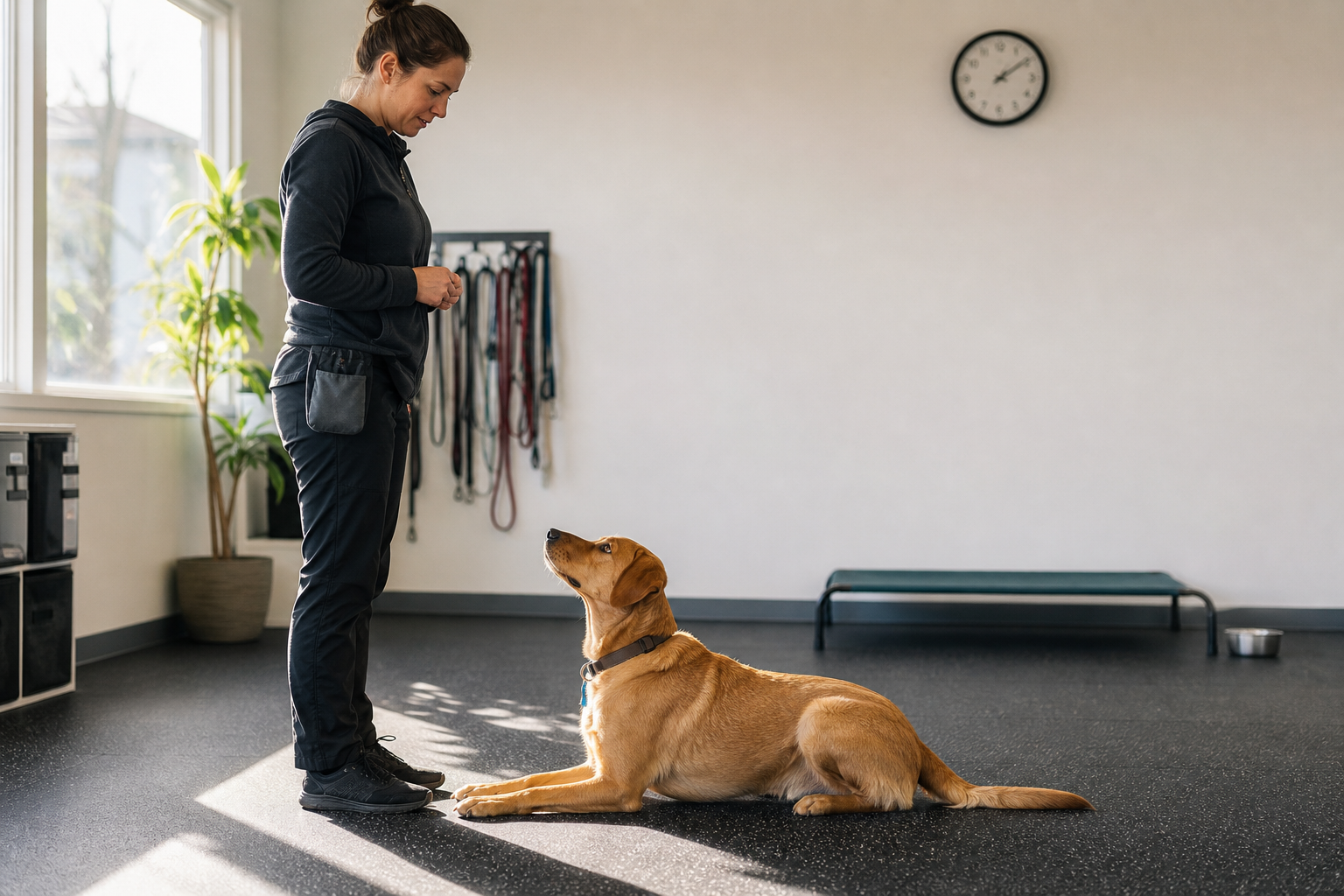
Some dogs need more than a weekly class or a scheduled private session can provide. In our board and train program in Oklahoma City, your dog stays with a trainer for a defined period and receives structured training throughout the program. That volume of daily repetition in a controlled environment is what produces reliable behavioral responses. No group class schedule and no single weekly session can replicate it. For owners who need reliable care during travel, the same structured routines and supervision apply during overnight dog boarding stays.
The daily structure is not one long training block. It is repeated, consistent sessions built into a structured routine from morning through evening. That routine is what accelerates behavioral change. The mechanism is repetition across every part of the day, not intensity in a single sitting. Our dog training programs in Oklahoma City include guaranteed results and lifetime support.
Dogs That Are the Right Fit for Board and Train
Board and train is the appropriate format for dogs with entrenched problem behaviors such as jumping, pulling, aggression, or resource guarding. It also serves owners who cannot commit to daily practice between sessions, and puppies who need foundational obedience established before bad habits form.
Oklahoma City families preparing for a new baby, a move, or the introduction of another pet often need reliable results within a defined timeframe. Board and train is the format built for that situation.
For a detailed comparison of formats, read our guides on board and train vs. in-home training and what happens during a board and train program, day by day, before making your decision.
Dog Training in Oklahoma City: What Local Conditions Mean for Your Program Choice
Oklahoma City’s climate and geography create real, practical variables that affect which training format works best for your dog. Summer temperatures across the metro can become very hot, and those conditions persist from late spring well into September. Any dog owner evaluating group dog obedience classes should ask directly whether the program operates in a climate-controlled indoor facility and what the weather cancellation policy looks like before committing to a schedule.
How Oklahoma City’s Climate Affects Group Class Scheduling
Outdoor group classes become genuinely unsafe for dogs during peak summer heat. Heat stress in dogs develops faster than most owners expect, and midday or early-afternoon sessions in July or early fall carry real risk. In-home dog training and board and train programs are not subject to weather cancellations, which is a practical scheduling advantage for owners in Moore, Norman, Bethany, and across the broader metro. If consistent weekly attendance matters to your timeline, that distinction is worth weighing before you register for a class.
Real-World Proofing: Where OKC Dog Owners Practice After Training
A dog that responds reliably inside a training facility has only completed part of the work. Generalizing those skills to high-distraction environments is the final stage of dependable obedience training. Our team regularly directs owners to locations such as Hafer Park, the off-leash areas near Lake Hefner, the Myriad Botanical Gardens paths, and the Midtown corridor, where foot traffic, other dogs, and ambient noise test whether commands hold under real conditions.
For a curated list of proven local spots, see our guide to the best dog parks and training spots in Oklahoma City. Our office at 101 Park Ave, Suite 1300, Oklahoma City, OK 73102 serves owners across all of these communities, and our dog training programs are built to produce results that hold in exactly these settings, backed by guaranteed results and lifetime support.
Frequently Asked Questions
What is the difference between group obedience classes and private training?
Group dog training classes place multiple dogs and handlers in a shared session, with one trainer managing the full group. Private training dedicates every minute of the session to one dog and one handler. The right format depends on your dog’s behavioral history, the complexity of skills being taught, and how much individualized attention your dog requires to make consistent progress.
How many weeks does a structured obedience program typically run?
Program length and session frequency vary, and owners should expect to practice between sessions. Some multi-level progressions extend to twelve or more weeks as skills advance. Request a written session schedule before enrolling so you can plan your commitment accurately.
What age can I enroll my puppy in obedience classes?
The AKC recommends beginning obedience training as early as eight weeks, provided your puppy has received at least one round of vaccinations. Early enrollment builds foundational behaviors before unwanted habits form. A week-by-week puppy training schedule can help you structure practice between formal sessions.
Can I enroll a dog with behavioral problems in a group class?
Dogs with reactivity, aggression, resource guarding, or severe anxiety are generally not appropriate for a group class environment. Placing a reactive dog in a group setting can reinforce the unwanted behavior rather than correct it. Review our guide to dog behavior problems Oklahoma City owners can address, then consider private training or our board and train program as the appropriate starting point.
What training programs does All Dogs Unleashed offer in Oklahoma City?
All Dogs Unleashed offers a range of dog training programs in Oklahoma City, from puppy training to board and train and private sessions. Programs include guaranteed results and lifetime support. Call (405) 299-3386 to discuss which program fits your dog’s current needs.
How do I choose the right training format for my dog?
Begin by assessing your dog’s behavioral history honestly. Reactivity, aggression, or persistent problem behaviors that have not responded to basic correction point clearly toward private dog training in the OKC area or board and train. Behavioral stability paired with a need for foundational skills and socialization points toward a structured group class. When uncertain, a professional behavioral assessment before enrollment identifies the right format and prevents wasted time in the wrong program.
Ready to Get Started with All Dogs Unleashed Dog Training OKC?
Call (405) 299-3386 to speak with our team directly. We’re ready to answer your questions, walk you through your options, and help you find the right solution for your needs. Whether you’re just starting to plan or ready to move forward, we’ll make the process simple and stress-free. Reach out today and let’s talk about how we can help.