
Has your senior dog started pacing at night, forgetting familiar commands, or staring blankly at walls? Those changes often point to dog cognitive decline, the canine version of dementia that affects many dogs over age 9. At All Dogs Unleashed Dog Training Fort Worth, we work with senior dogs and their families every week, helping you spot the early signs and adjust your training so your furry friend stays confident and connected through their golden years.
Worried your senior dog is slipping? Call our Fort Worth team today at (817) 393-6224.
Key Takeaways
- Dog cognitive decline, also called canine cognitive dysfunction syndrome, is the doggy equivalent of Alzheimer's disease in people.
- Watch for disorientation, changed sleep patterns, house-soiling, and lost interest in family interaction as the earliest warning signs.
- Early diet changes, mental enrichment, and consistent routine can slow brain aging and protect quality of life.
- Gentle, low-stress training keeps senior dogs engaged and strengthens the bond you share through their later years.
Your 12-year-old lab is staring at the wall again. She wandered into the kitchen, stopped, and just stood there. Last night she paced the hallway for an hour. This morning she looked at you blankly when you said "sit," a command she has known since she was a puppy.
You are not imagining things. And you are not overreacting. What you are seeing may be more than slowing down with age. Many senior dogs across the Fort Worth area develop dog cognitive decline, a real condition vets call canine cognitive dysfunction syndrome. It is the dog version of dementia, and it shows up in small daily moments long before it becomes obvious.
This guide will help you sort normal aging from something deeper. We will cover the warning signs to watch for, what age-related brain changes look like day to day, and the practical steps you can take right now to help your furry friend feel safe and steady.
One important note up front. This is a veterinary issue first. But structured routines, gentle reinforcement, and the right behavioral support can meaningfully improve your dog's quality of life, and yours.
What Is Canine Cognitive Dysfunction Syndrome?
Canine cognitive dysfunction syndrome is an age-related brain condition that affects your senior dog's memory, awareness, sleep patterns, and behavior. Sometimes called canine Alzheimer's disease, the condition shares striking similarities with what happens in aging human brains. Many Fort Worth families first notice the signs as small quirks before realizing something deeper is going on.
Inside your dog's brain, a sticky protein called beta-amyloid slowly builds up and forms plaques between nerve cells. Those plaques block normal brain signals, which is the same process researchers see in human Alzheimer's patients. Over time, the brain shrinks and produces less of the chemicals your dog needs to think clearly, sleep well, and recognize the people they love.
How the Aging Dog Brain Changes Over Time
The changes happen gradually, which is why old dog cognitive dysfunction often gets brushed off as "just getting older." Brain cells die faster than they can repair. Oxygen flow drops. Free radicals damage tissue. Your dog's reaction time slows, and familiar routines start to feel confusing.
These shifts usually start showing up around age 10 or 11 in medium and small breeds. Larger breeds age faster, so signs can appear as early as 8 or 9. Research suggests a significant number of dogs over 15 show some degree of dysfunction, even if owners chalk the symptoms up to normal aging.
Which Dogs Are Most at Risk?
Age is the biggest factor, but it is not the only one. Some senior dogs sail into their teens sharp as ever, while others start to drift in their preteens. The difference often comes down to lifestyle, breed, and how mentally engaged your dog has been throughout their life.
Common risk factors we see in senior dogs include:
- Age 10 and older
- Large or giant breeds
- Limited daily mental stimulation
- Little or no training history
- Chronic stress or isolation
- Poor diet or low antioxidant intake
- Underlying health issues
That last group matters more than most owners realize. Dogs who never learnedstructured commands or problem-solving games tend to decline faster. The good news? The bond you build through training, even later in life, helps protect the brain your dog relies on to stay connected to you.
The DISHAA Signs: Recognizing Cognitive Decline in Your Dog
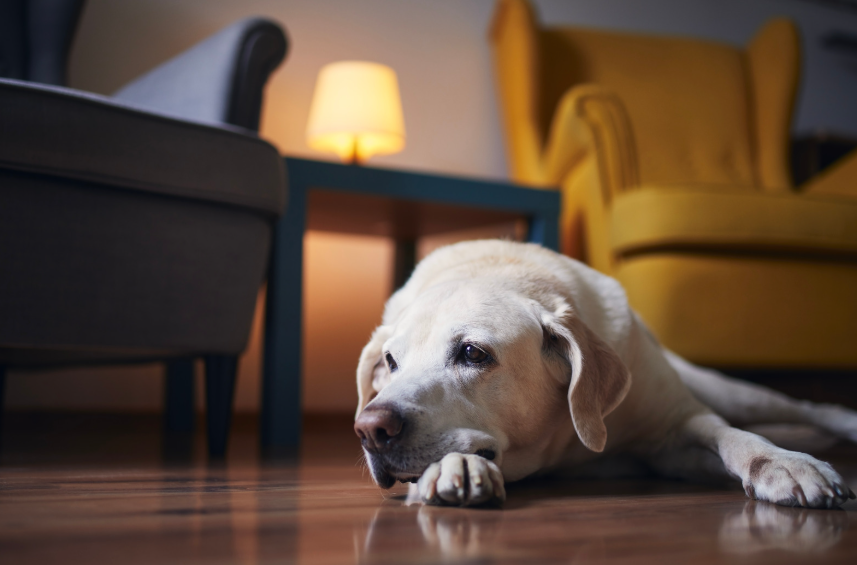
Imagine coming home to find your dog staring at the corner of the dining room. Not at a bug. Not at a sound. Just the corner. Five minutes later, they are still there. This kind of moment is often the first quiet clue something is changing in your senior dog's brain.
Veterinary behaviorists use a framework called DISHAA to track dog dementia signs. It stands for Disorientation, Interactions, Sleep-wake changes, House soiling, Activity changes, and Anxiety. Learning these six categories helps you spot canine cognitive decline early, before the changes feel overwhelming. Grab a notepad as you read. Jot down what you recognize so your vet has a clear picture at the next visit.
Disorientation and Confusion
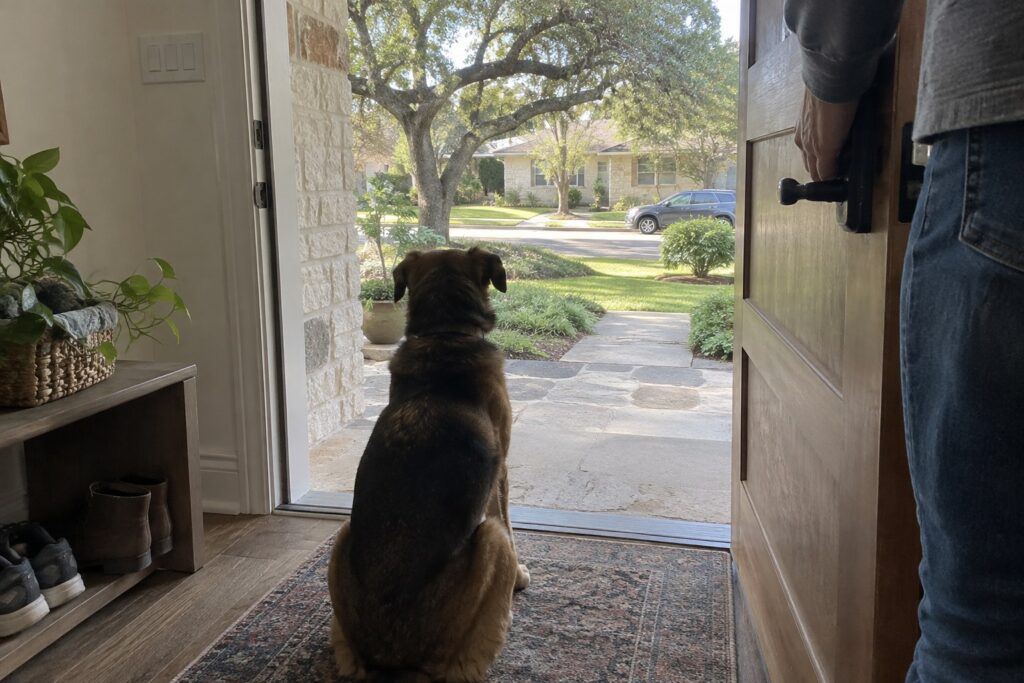
Your dog gets lost in rooms they have lived in for a decade. They forget where the food bowl sits. They walk in slow, repetitive circles, or stand on the wrong side of a door waiting for it to open. Some dogs swing between sudden hyperactivity and quiet withdrawal in the same afternoon.
This is not stubbornness. This is the aging brain misfiring. A structured daily routine with the same feeding spot, the same walking path, and the same resting area can ease a lot of that confusion.
Sleep Disturbances and Restlessness
Why does your older dog pace and vocalize at night? The aging brain produces less melatonin and the circadian rhythm flips. Your dog sleeps hard through the day, then wakes at 2 a.m. pacing the hallway, panting, or barking at nothing. For families across the Fort Worth area sharing a small home with a senior dog, this is often the most exhausting senior dog behavior change of all.
Watch for:
- Pacing after midnight
- Whining at walls
- Daytime over-sleeping
- Restlessness before bed
Changes in Social Interaction and House Training
A dog who used to greet you at the door now stays on their bed. Or the opposite, a once-independent dog suddenly velcros to your leg. Both shifts count. Cognitive decline rewires how your dog reads people and other pets.
House-training accidents follow the same pattern. Your dog is not being spiteful. They simply forgot the routine, or did not recognize the back door cue. Respond with patience, not frustration. Reframe these moments as neurological, the way you would a human relative living with dementia, and your bond stays intact.
Noticing these signs in your senior dog? Our team can help you build a calming routine that supports their changing brain. Call (817) 393-6224 today.
How Is Canine Cognitive Dysfunction Diagnosed?
Canine cognitive dysfunction syndrome is diagnosed through behavioral history and by ruling out other conditions, not through a single blood test. Your vet listens to what you have noticed at home, then works backward to confirm nothing else is causing the changes. That is why your notes matter as much as any lab result.
What to Expect at the Vet Visit
Bring written examples before you walk in. Memory fades fast in an exam room, and vague answers slow down the process. Your vet will do a hands-on physical, ask detailed questions tied to the DISHAA signs, and likely order a few tests to get a clear picture.
Come prepared with:
- Dated examples of odd behavior
- Sleep and potty changes
- Current medications and supplements
- Short phone videos if possible
Common tests include bloodwork, urinalysis, blood pressure checks, and sometimes imaging. Many area vets, from Arlington to Keller, see old dog cognitive dysfunction often and know exactly what to look for when you arrive organized.
Ruling Out Other Causes First
Several conditions look a lot like dementia, which is why your vet works through them one by one. Pain, sensory loss, and hormone issues can mimic the same confused, restless behavior you are seeing at home.
Conditions your vet will consider:
- Arthritis or joint pain
- Vision or hearing loss
- Hypothyroidism
- High blood pressure
- Medication side effects
- Urinary tract infections
Treating any of these can bring big improvements on their own. If everything else checks out and the behaviors still fit the pattern, your vet will land on a CDS diagnosis and walk you through next steps. You leave with a plan, not just a label.
What Can You Do at Home to Support a Dog With Cognitive Decline?
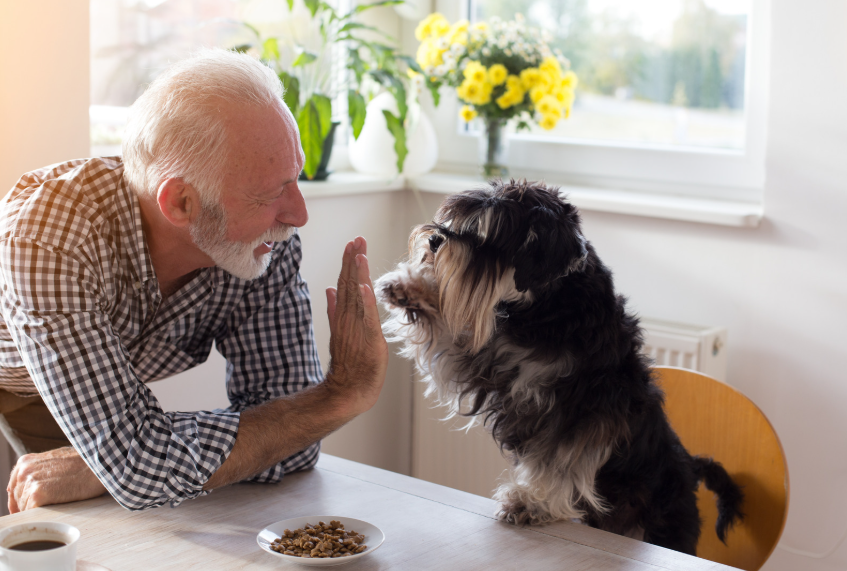
Here is the hopeful part. The work you do at home can slow the progression of dog cognitive decline and give your senior friend better days. Small, steady changes add up. You are not powerless here.
Diet, Supplements, and Veterinary Treatments
Start with a conversation with your vet. There are real tools that help dogs with canine cognitive dysfunction syndrome, and your vet can match them to your dog's health history.
Ask about:
- Prescription senior diets with vitamins E and C
- Omega-3 fatty acids (fish oil)
- MCT oil (medium-chain triglycerides)
- Selegiline, also called Anipryl, the FDA-approved medication for canine cognitive dysfunction
- SAMe supplements for brain support
We are trainers, not vets. But we see the difference when owners pair medical support with daily mental work. The two together do more than either one alone.
Environmental Enrichment That Actually Works
A bored senior brain fades faster. Your job is to give your dog small puzzles they can still solve. Confidence matters as much as challenge.
Try these at home:
- Puzzle feeders at mealtime
- Sniff mats with kibble hidden inside
- Short scent games in the hallway
- 5 to 10 minute training sessions, twice a day
- Nightlights in hallways and near water bowls
- Baby gates blocking corners where they get stuck
- Beds, bowls, and toys kept in the exact same spots
Keep sessions short and end on a win. A tired, proud senior dog sleeps better and wanders less at night.
Keeping Routines Consistent
Routine is medicine for senior dog behavior changes. Same feeding times. Same walk route. Same bedtime. Predictability lowers anxiety because your dog does not have to figure out what comes next.
Gentle repetition of old commands matters too. Sit, touch, watch me. These reinforce neural pathways your dog already built years ago. Patience over correction. If they forget, just guide them through it and reward them.
This is where our team comes in. We offer in-home training for senior dogs across the area, including Benbrook, Keller, Arlington, and Mansfield. Your dog stays in their familiar space. We help you build the daily structure, the cue work, and the enrichment plan that fits your dog's current ability, not who they were five years ago.
If you live nearby and want help building a calm, consistent routine for your senior dog, our in-home trainers can come to you. Call (817) 393-6224 to talk through what your dog is dealing with and what gentle, structured support could look like at home. Your furry friend has more good days ahead, and we would be glad to help you reach them.
Frequently Asked Questions
Can Dog Training Still Help a Dog That Already Has Cognitive Decline?
Yes, gentle training can still benefit dogs with cognitive decline by providing mental stimulation and reinforcing familiar behaviors. All Dogs Unleashed Dog Training Fort Worth recommends keeping sessions very short, positive, and low pressure to avoid frustration. Repetition of well-known commands rather than learning entirely new ones tends to work best for aging dogs.
How Fast Does Dog Cognitive Decline Typically Progress?
The rate of progression varies widely between individual dogs. Some dogs show only mild changes over several years, while others decline more noticeably within months of the first symptoms appearing. Early intervention with enrichment, diet changes, and veterinary support is associated with slower progression in many cases.
Is Canine Cognitive Dysfunction the Same Thing as Dog Dementia?
The terms are often used interchangeably, and that is largely acceptable. Canine Cognitive Dysfunction Syndrome is the clinical diagnosis, while "dog dementia" is a plain language description of the same condition. Both refer to age-related neurological changes that affect memory, awareness, and behavior rather than a single disease with a different cause.
Can a Younger Dog Develop Cognitive Decline?
It is extremely rare, but cognitive dysfunction has occasionally been reported in dogs younger than eight years old when other underlying conditions are present. In most cases, behavioral changes in younger dogs that resemble cognitive decline are caused by something else entirely, such as a thyroid disorder, a brain tumor, or anxiety. A full veterinary workup is the only reliable way to tell the difference.
Are There Any Activities I Should Avoid With a Dog That Has Cognitive Decline?
High-stimulation environments like busy dog parks or unfamiliar crowded spaces can increase confusion and anxiety in dogs with cognitive decline. Abrupt schedule changes, rearranging furniture, and introducing multiple new people at once are also best avoided. Keeping the dog's physical world predictable reduces stress and supports whatever cognitive function remains.
Will My Dog Be in Pain Because of Cognitive Decline?
Canine Cognitive Dysfunction Syndrome itself is not considered a painful condition. However, many older dogs have concurrent issues like arthritis or dental disease that do cause discomfort, and those conditions can make behavioral symptoms appear worse. Your veterinarian should assess your dog for pain separately from the cognitive evaluation so both issues can be managed appropriately.
How Often Should I Schedule Follow-Up Vet Appointments After a Cognitive Decline Diagnosis?
Most veterinarians recommend recheck appointments every three to six months once a diagnosis is confirmed, though your dog's individual situation may call for more frequent visits. These follow-ups allow the vet to adjust medications or supplements, reassess quality of life, and check for new physical health issues that may be developing alongside the cognitive changes. Keeping a short log of behavioral observations at home between visits gives the veterinarian more useful information to work with.
Ready to Get Started with All Dogs Unleashed Dog Training Fort Worth?
Call (817) 393-6224 to speak with our team directly. Reach out today and let's talk about how we can help.