Your dog is just like any other dog: she loves to play, she sticks to you like Velcro, and she’d do anything for a tasty snack. The only difference? She’s deaf in both ears! We’ve been asked more than once, “Can deaf dogs be trained?” The answer is yes. Deaf dogs are highly trainable as long as you know how to accommodate their disability. Read on to learn more.
Start With Teaching Focus
With deaf dogs, you’ll need to use non-verbal cues and commands. One of the biggest challenges when training a deaf dog is grabbing their attention in a spacious or stimulating environment. If they aren’t looking, they won’t know what you expect from them.
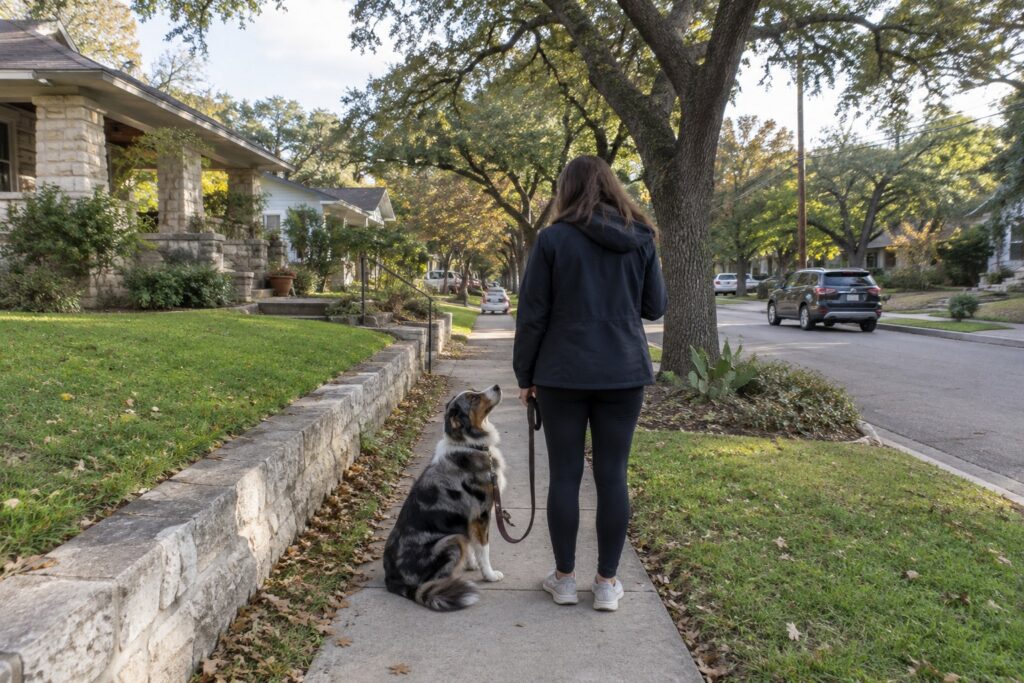
Teach your deaf dog to visually check in often. Use a high-value reward (whether that’s treats, toys, or praise) each time they make eye contact with you. Challenge them to focus on you in increasingly distracting situations until they know that no matter what’s going on, they need to look at you for the next cue.
Use Non-Verbal Cues
To balance your dog’s independence and safety, you’ll need to pair the command to focus with a consistent non-verbal cue. Some effective choices include gentle touch and stomping to create vibration.
Use hand signals to start building additional commands into your deaf dog’s repertoire. Many dog owners use ASL or modified ASL, but you can also make up your own hand signals as long as you use them consistently. In other words, you’ll need separate signals for commands like
sit,
stay, and
heel.
Desensitize Startle Responses
Some deaf dogs startle easily, particularly dogs who weren’t born deaf and once relied on their sense of hearing. A startled dog is a frightened dog, and fear can lead to behavioral complications like separation anxiety, detachment, and aggression.
Desensitize the startle response by touching your dog when she is looking at you and rewarding her. Then, move out of her line of sight and repeat the process. Work your way up to touching her when she’s sleeping.
Use Vibration Collars with Caution
Deaf dogs are often safest when they can’t get out of sight. Some owners use vibration collars to give their deaf dogs more freedom without handing over full control. As long as they’re within the range, a simple vibration can let them know you expect them to come back.
Vibration collars can be a handy tool but use them with caution. Only use collars that don’t double as shock collars. Make sure your dog understands the purpose of the vibration and isn’t afraid of it before letting her wander off.
Partner with Professional Dog Trainers
Training a deaf dog may take special care and know-how, but most deaf dogs are completely trainable! Having a disability won’t prevent your dog from becoming the best dog she can be.
To maximize your training efforts, partner with professional dog trainers. At
All Dogs Unleashed, we’ve worked with dogs of all sizes, breeds, and abilities and we can’t wait to work with you!
Want hands-on help with your dog? Learn more about our Board and Train program in Dallas.
Related Reading