
Shih Tzu training works best when you match the breed’s personality: affectionate, people focused, a little proud, and very good at getting their own way. These small companion dogs were bred to live close to people, so they learn quickly when training feels like a partnership and slowly when it feels like a battle.
At All Dogs Unleashed OKC, we work with plenty of small breeds from downtown apartments to suburban homes across the metro. The tips below cover the problems Shih Tzu owners mention most: slow housetraining, selective listening, small dog nerves, and manners around guests, kids, and other dogs.
Want a training plan built around your Shih Tzu’s personality? Our team can help you pick the right starting point.
Key Takeaways
- Shih Tzus are affectionate, people oriented toy dogs, so short, upbeat, reward based sessions get better results than harsh corrections.
- Housetraining often takes longer with small breeds, and a tight schedule, close supervision, and a properly sized crate make the biggest difference.
- What looks like stubbornness is usually a motivation problem, which you can fix with better rewards, shorter sessions, and consistent rules from everyone in the house.
- Early, careful socialization helps prevent the barking, nipping, and clinginess that people often blame on small dog personality.
- Because the breed has a short muzzle, keep training sessions short and indoors or in the shade on hot Oklahoma days, and talk to your veterinarian about heat and exercise limits.
Understanding the Shih Tzu Personality
Before you teach a single cue, it helps to understand what kind of dog you are living with. According to the American Kennel Club breed profile, the Shih Tzu is a member of the Toy Group, usually standing about 9 to 10.5 inches tall and weighing roughly 9 to 16 pounds. The AKC describes the breed as affectionate, playful, and outgoing, with a long history as a palace companion dog.
That history shows up in daily life. Most Shih Tzus want to be wherever you are, and they were never bred to take direction from a distance the way herding or retrieving breeds were.
Companion Dogs Learn Through Connection
A Shih Tzu’s strongest motivator is usually you. Praise, play, gentle handling, and small food rewards all matter more to this breed than to many working dogs. When you use that bond, training moves quickly. When you rely on pressure or repeated scolding, many Shih Tzus simply shut down, hide, or decide the game is not worth playing.
This is why so many owners describe their dog as smart but selective. The dog clearly understands “sit” in the kitchen when a treat is out, but ignores it in the yard. That is not defiance. It is a dog that has not yet learned the cue matters everywhere, and that needs more practice in more places.
Small Size Changes the Rules
The fix is to hold your Shih Tzu to the same standards you would hold a Labrador. A small dog that jumps, nips, or barks nonstop is not cute to a visitor, and it is not relaxed either. Clear rules make small dogs calmer and more confident.
| Breed Trait | What It Looks Like at Home | Training Approach That Works |
|---|---|---|
| Strong attachment to people | Follows you room to room, may whine when left alone | Practice short, calm separations and reward relaxed behavior |
| Proud, independent streak | Responds in the kitchen but ignores cues outside | Short sessions, high value rewards, practice in new places |
| Small bladder and body | Frequent accidents, especially in rarely used rooms | Frequent potty breaks, supervision, and a properly sized crate |
| Short muzzle | Tires or overheats faster in warm weather | Keep sessions brief, shaded, and indoors on hot days |
| Sensitive temperament | Shuts down or hides after harsh corrections | Calm voice, reward based methods, and patient repetition |
Why Housetraining a Shih Tzu Takes Patience
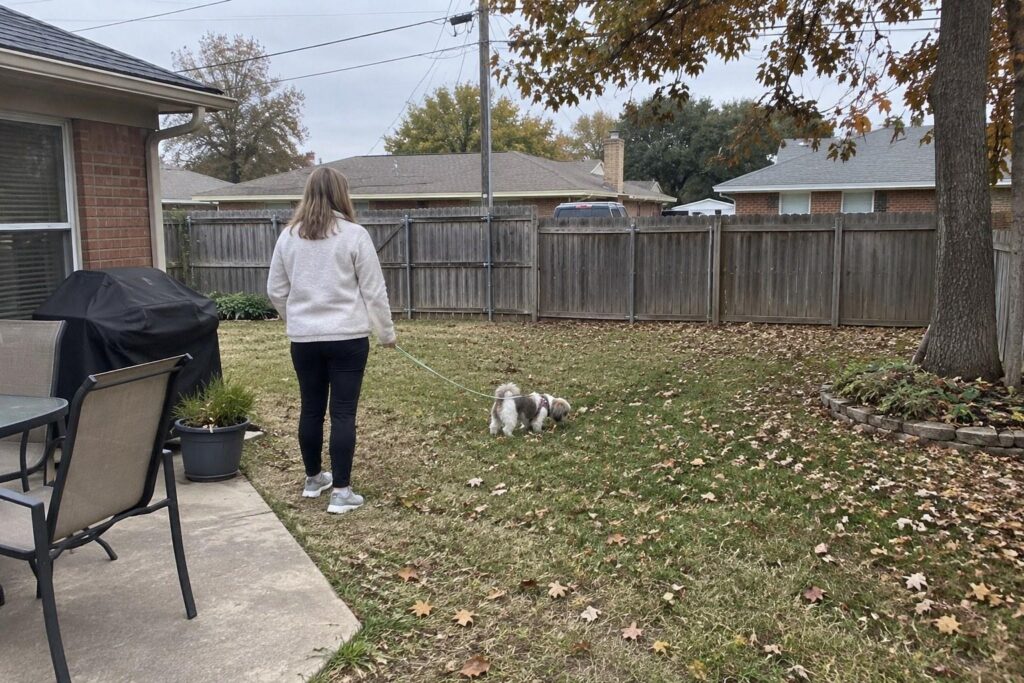
Housetraining is the number one frustration we hear from small dog owners. Toy breeds have small bladders, and their accidents are small enough that owners often miss them. A dog that is never caught in the act never learns that the rug is the wrong place.
The good news is that Shih Tzus can be reliably housetrained. It usually just takes more structure and more time than owners expect.
Build a Predictable Schedule
Take your dog out first thing in the morning, after every meal, after naps, after play, and right before bed. Young puppies often need to go out every hour or two while awake. Feed meals at the same times each day so potty breaks become predictable, and pick up the food bowl between meals instead of leaving it out.
Go to the same spot in the yard each time, stand quietly, and wait. When your dog finishes, praise warmly and give a small treat right away, within a second or two. Then you can play or walk. If you only reward after you come back inside, your dog learns that coming inside is the good part, not going potty outside.
Supervise Indoors and Use a Crate
Freedom in the house should be earned. Keep your Shih Tzu in the same room as you, use baby gates to block off bedrooms, or attach a light leash to your belt so you can see the early signs, such as sniffing, circling, or wandering off. When you cannot watch, use a crate sized so the dog can stand, turn around, and lie down comfortably, but not so big that one end becomes a bathroom.
Our post on a week by week puppy training schedule lays out a full routine that works well for small breed puppies.
Handle Accidents Without Punishment
If you catch your dog mid accident, calmly interrupt with a cheerful sound, scoop them up, and finish outside. Never rub a dog’s nose in a mess or yell after the fact. That only teaches your dog to hide from you when they need to go. Clean every accident with an enzyme cleaner so the smell does not draw your dog back to the same spot.
| Housetraining Mistake | Why It Backfires | Better Habit |
|---|---|---|
| Free feeding all day | Potty timing becomes unpredictable | Two or three scheduled meals |
| Full run of the house too soon | Accidents happen out of sight | Gates, leash tethering, and a crate |
| Punishing after the fact | Dog learns to hide when it needs to go | Interrupt calmly and reward outdoor success |
| Rewarding once back inside | Reward is linked to the wrong moment | Treat right after the dog finishes outside |
| Regular household cleaner | Leftover scent invites repeat accidents | Enzyme cleaner on every spot |
Working With a Stubborn Shih Tzu
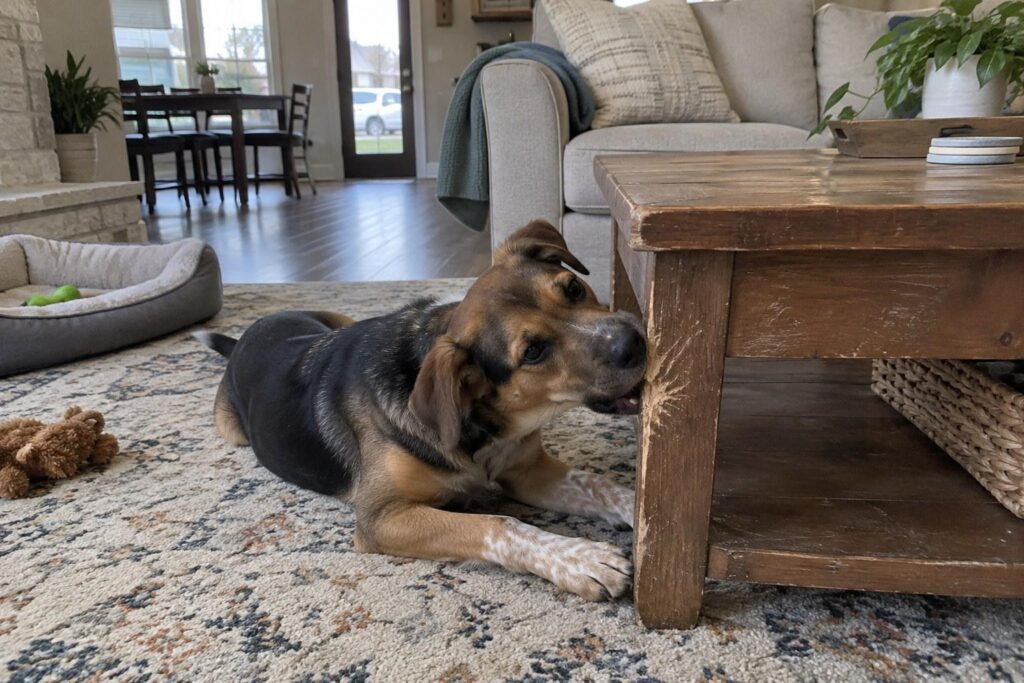
Many owners call their Shih Tzu stubborn, and we understand why. A dog that plants its feet on a walk or stares at you after the third “come” can feel personal. In most cases, though, the dog is telling you something about motivation, clarity, or energy level.
Find Rewards Your Dog Actually Wants
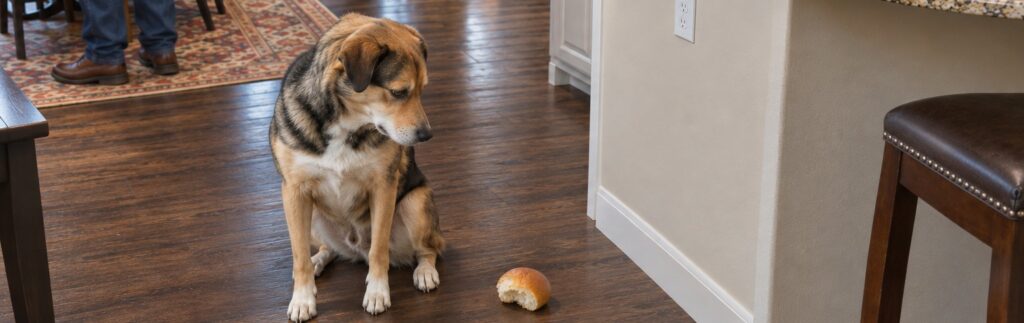
Dry kibble may not be worth getting off a warm couch. Try tiny pieces of soft, high value treats, a favorite squeaky toy, or a quick round of play. Keep treats very small, since a toy breed can gain weight quickly and extra calories add up fast. Use the best rewards for the hardest work, such as recall in the yard or staying calm when the doorbell rings.
Keep Sessions Short and Sweet
Three five-minute sessions a day beat one long session. End while your dog is still eager and succeeding. If your Shih Tzu starts sniffing the floor, yawning, or walking away, the session went too long or the task got too hard. Go back to something easy, reward it, and stop on a win.
Make Every Cue Mean the Same Thing
Stubbornness often grows when cues are inconsistent. If one person says “down” to mean lie down and another says “down” to mean get off the couch, the dog cannot win. Agree on one word for each behavior, say it once, and help the dog succeed instead of repeating it five times. Useful cues for this breed include “sit”, “down”, “come”, “leave it”, “place”, and “quiet”.
If your Shih Tzu’s habits feel stuck despite your best efforts, a structured program can reset the routine quickly and teach you how to keep it going.
Gentle Methods That Get Results
Gentle does not mean permissive. The best training for a sensitive companion dog combines clear rules, fair consequences like a brief loss of attention, and generous rewards for the right choice. Your Shih Tzu should know exactly what earns praise and what does not.
Reward the Behavior You Want to See
Catch your dog doing things right. When your Shih Tzu lies quietly while you cook, mark it with a word like “yes” and drop a treat. When the dog sits instead of jumping on a guest, reward it right away. Dogs repeat what works, so make good behavior pay more than bad behavior.
Teach a Calm Place Behavior
A “place” cue gives your dog a job during busy moments. Choose a small bed or mat, lure your dog onto it, reward, and slowly build duration. Over time you can send your dog to place when guests arrive, during dinner, or when the kids are playing on the floor. Small dogs often feel safer with a defined spot, and owners get a dog that is not underfoot.
Use Proper Equipment for a Small Dog
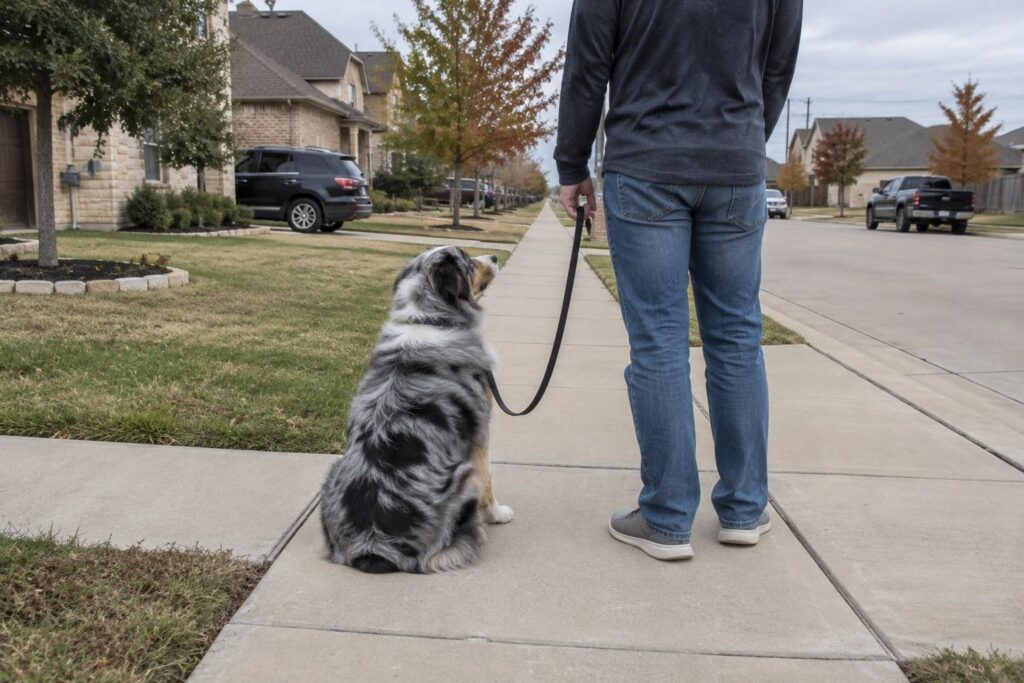
Because of the breed’s short muzzle and delicate build, many owners and veterinarians prefer a well fitted harness for walks rather than a collar that puts pressure on the neck. Introduce the harness slowly with treats so your dog is comfortable before you clip on the leash. Never jerk a small dog by the leash, and ask your veterinarian if you notice coughing, noisy breathing, or exercise intolerance.
Socialization Tips for Small Dogs in Oklahoma City
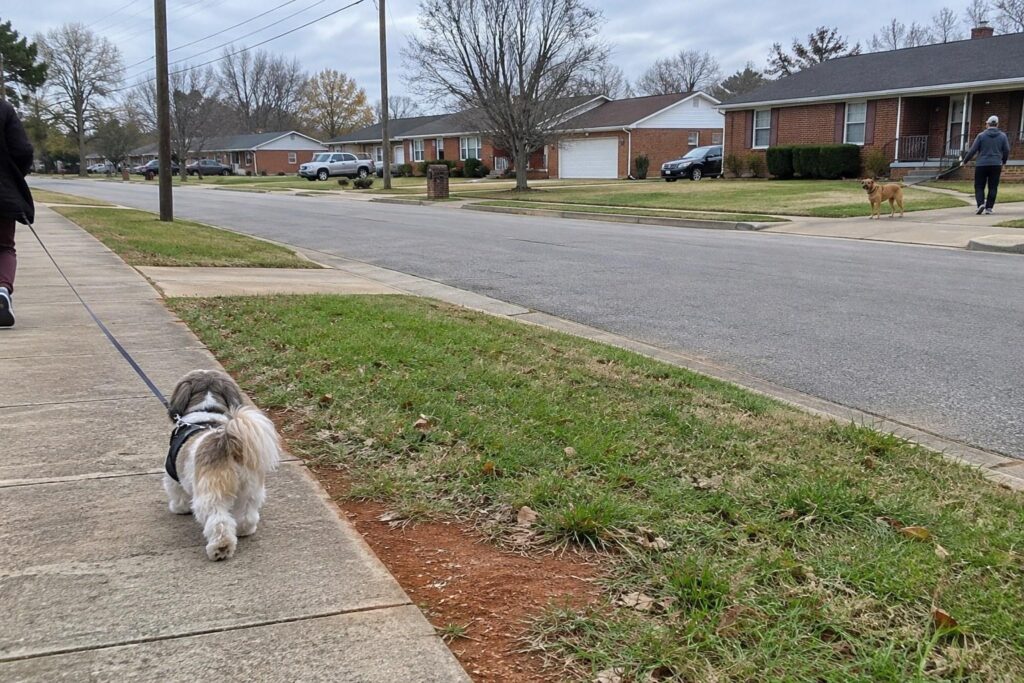
Socialization means helping your dog feel calm and confident around new people, places, sounds, and animals. For a toy breed, quality matters more than quantity. One bad experience with a rough large dog can shape how a small dog reacts for years.
Start Early and Go Slowly
Puppies have a sensitive period for socialization in their first few months. During that time, introduce new experiences in short, positive doses: car rides, new floors, the sound of a vacuum, people wearing hats, and gentle children. Follow your veterinarian’s advice on vaccines before visiting public places where many unknown dogs gather.
Choose Dog Friends Carefully
Calm, friendly dogs of similar size make the best early playmates. Busy off leash areas can be overwhelming for a toy breed, so look for quiet times or small dog areas if you visit a dog park. Our roundup of the best dog parks and training spots in Oklahoma City can help you find places to practice.
Prevent Small Dog Reactivity
Barking and lunging at other dogs on walks is common in small breeds, often because the dog feels trapped on a short leash. Keep extra space between your dog and others, reward your dog for looking at you, and avoid picking them up every time another dog appears, which can teach that every dog is a threat. If reactivity is already a habit, read our tips on managing leash reactivity.
Plan Around Oklahoma Weather
Oklahoma summers are hot, and breeds with short muzzles are more prone to heat stress because they cannot cool themselves as efficiently through panting. Schedule walks and outdoor practice for early morning or evening, keep sessions short, bring water, and move training indoors on the hottest days. Never leave your dog in a parked car. Watch for heavy panting, weakness, or noisy breathing, and contact your veterinarian immediately if you see signs of overheating.
Common Shih Tzu Behavior Problems and How to Fix Them
Most Shih Tzu problems come from a few root causes: too much freedom too soon, inconsistent rules, and too few chances to practice calm behavior. Here is how we approach the issues we see most.
Excessive Barking
Shih Tzus are alert and will often announce every delivery truck. Thank your dog for the first bark, then call them to you and reward quiet. Teach a “quiet” cue by rewarding the pause between barks, and block window views if your dog spends the day guarding the street.
Jumping and Demand Behavior
Pawing at legs, barking for attention, and jumping on visitors all work because people respond. Turn away, wait for four paws on the floor, then give attention. Our post on dog behavior problems Oklahoma City owners can fix fast covers more quick wins.
How Professional Shih Tzu Training Helps Owners
Many owners can make steady progress at home. Others want faster results, or they feel stuck because the same habits keep coming back. Professional training gives your dog consistent practice and gives you a clear plan for maintaining it.
Board and Train for a Faster Reset
Our Board and Train program is a fixed two-week program. Your dog stays at our facility and trains daily, starting with an evaluation so we can tailor the work to your dog. At the end, a turnover session shows you how to handle your dog and keep the results going, along with written instructions. Board & Train comes with guaranteed results and lifetime support at no additional charge, and Affirm financing is available.
In-Home Lessons for Hands-On Owners
If you prefer to work alongside a trainer, in-home dog training brings lessons to the places your Shih Tzu actually struggles, such as the front door, the back yard, or the living room couch. This is a great fit for housetraining routines and household manners.
Not sure which path fits? Our comparison of Board and Train and in-home dog training walks through the differences. Call us at (405) 299-3386 and we will help you decide.
About All Dogs Unleashed OKC
All Dogs Unleashed OKC helps Oklahoma City families build calm, well mannered dogs of every size, including affectionate small breeds like the Shih Tzu. Our trainers focus on clear communication, consistent routines, and practical skills that hold up at home and in public. We offer a fixed two-week Board and Train program, in-home lessons, and structured boarding from our location on Park Avenue in downtown Oklahoma City. Every plan starts with understanding your dog and your goals.
Frequently Asked Questions
Are Shih Tzus hard to potty train?
Shih Tzus can take longer to housetrain than many larger breeds because their bladders are small and their accidents are easy to miss. Most do well with a strict schedule, close supervision, a properly sized crate, and an immediate reward outside. Consistency from every person in the household matters more than any special product or trick.
At what age should I start training my Shih Tzu?
You can start gentle training the day your puppy comes home, usually around eight weeks old. Begin with name recognition, “sit”, crate comfort, potty routines, and gentle handling. Keep sessions just a few minutes long. Adult and senior Shih Tzus can learn new skills too, so it is never too late to begin.
Why does my Shih Tzu ignore commands?
Most Shih Tzus that seem to ignore cues have not practiced them in enough places, or the reward is not worth the effort. Use smaller, tastier treats, shorter sessions, and one clear word for each behavior. Say the cue once, help your dog succeed, and gradually practice around more distractions in the yard and on walks.
Can a Shih Tzu go through a Board and Train program?
Yes. Small breeds do well in our fixed two-week Board and Train program, which starts with an evaluation and includes daily training. Small dogs often benefit from the structure and repetition. At the end, a turnover session teaches you how to handle your dog at home, and the program includes guaranteed results and lifetime support.
Should I use a collar or a harness on my Shih Tzu?
Many owners and veterinarians prefer a well fitted harness for walking Shih Tzus because the breed has a short muzzle and a small, delicate neck. A harness spreads pressure across the chest instead. Introduce it gradually with treats, check the fit regularly, and ask your veterinarian if you notice coughing or labored breathing during walks.
How do I stop my Shih Tzu from barking at other dogs?
Start by giving your dog more space from other dogs than you think it needs, then reward calm looks and attention to you. Avoid scooping your dog up every time, which can increase worry. Practice at a distance where your dog stays quiet, and seek professional help if the barking includes lunging, snapping, or growing intensity over time.
Good Shih Tzu training comes down to patience, structure, and rewards your dog truly cares about. With the right plan, your small companion can be reliably housetrained, polite with guests, and relaxed on walks. Call (405) 299-3386 or reach out online to talk with our team, or visit us on Park Avenue in downtown Oklahoma City.
Ready to Get Started with All Dogs Unleashed OKC?
Whether your Shih Tzu needs housetraining help, better manners, or more confidence around other dogs, we are ready to help. Call (405) 299-3386 today to find the right program for your dog. You can also visit All Dogs Unleashed OKC at 101 Park Ave Suite 1300, Oklahoma City, OK 73102.