
How To Choose Between Dog Kennels and In-Home Pet Sitters for Your Dallas Pup
Leaving your dog behind when you travel is stressful. You want them safe, comfortable, and in good hands, whether that means a climate-controlled dog kennel or a trusted sitter who keeps their routine at home. Both options have real advantages, and the right choice depends on your dog’s personality, your schedule, and how long you’ll be gone. At All Dogs Unleashed DFW, we work with Dallas dog owners every day, and we know what actually matters when you’re trying to make this call.
Not sure whether boarding or a sitter suits your dog? Our certified trainers will walk you through it based on your dog’s temperament and health.
Key Takeaways
- Dog kennels are often the safer choice for Dallas summers, since most offer climate-controlled indoor spaces.
- In-home pet sitters work best for dogs who are anxious, routine-dependent, or do not socialize well with other dogs.
- Kennels typically provide more structure and supervision, while sitters offer a more familiar, low-stress environment.
- Your dog’s temperament, health needs, and trip length should drive the decision more than cost alone.
The Decision Every Dallas Dog Owner Faces

Your bags are packed. Your flight out of DFW leaves in four hours. And your dog is sitting in the doorway giving you that look. You need a plan, and you need it to be the right one.
Dallas owners face this decision constantly. DFW is one of the busiest airports in the country, which means a lot of us are booking trips, a lot. The question we hear over and over is simple: dog kennels or an in-home pet sitter? Both options exist in every zip code from Bluffview to Lakewood. Neither one is automatically better.
The right answer depends on your specific dog. Their personality, their health, their daily routine. A social, high-energy dog might thrive in a structured boarding environment. An anxious or senior dog might fall apart without their home routine. Price and proximity matter, but they are not the deciding factors.
We have spent years working with dogs across the Metroplex, and that hands-on experience shapes every recommendation below. Our trainers are certified and our team handles boarding, daycare, and training under one roof, so we see firsthand how different dogs respond to each setting.
Both options are covered in detail below. We cover what each one actually looks like, where each one wins, and how to match the choice to your dog. You can also check out what to ask about overnight care for large and small breeds before you decide. Let’s get into it.
What Is a Dog Kennel and What Should You Expect?
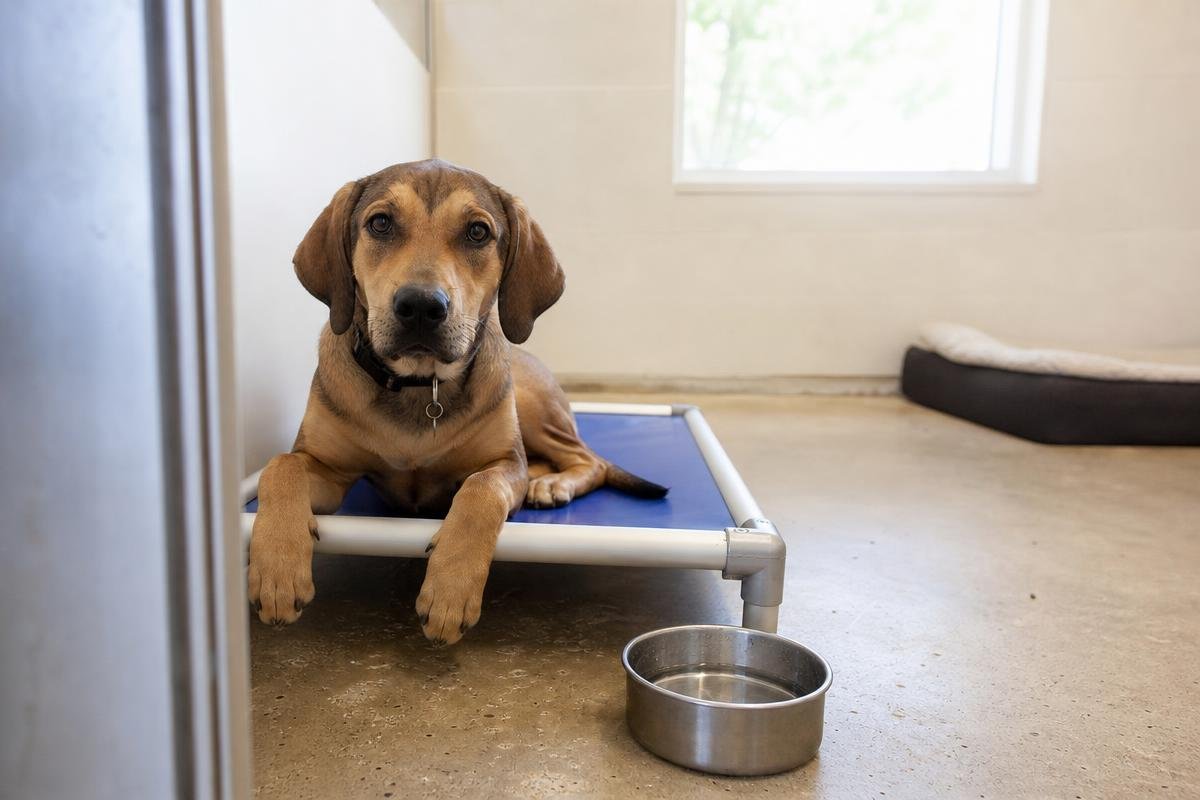
A dog kennel is a supervised facility where your dog stays in a dedicated run, suite, or shared play space while you are away. Staff feed them, clean up after them, and make sure they get exercise and rest. It is not just a cage. Modern boarding facilities look a lot different than they did ten years ago.
Indoor vs. Outdoor Kennel Setups
Traditional outdoor kennels use chain-link runs with a covered roof. Your dog gets fresh air and space to move. But in the Dallas area, outdoor runs carry real risk from June through August. Temperatures regularly hit 100 degrees or higher, with heat index values above 105. That is dangerous for most breeds, especially short-nosed dogs like Bulldogs and Pugs.
Indoor suite-style facilities are a much safer choice during peak heat months. Look for climate-controlled rooms, raised cots to keep your dog off cold concrete, and individual feeding stations. These setups reduce stress and keep your dog comfortable around the clock. If a facility still relies heavily on outdoor runs with no climate control, ask hard questions before you book.
What a Typical Kennel Day Looks Like
At All Dogs Unleashed DFW, a typical boarding day is built around structure and rest, not just downtime in a run. Here is how the day generally flows:
- Morning feeding, fresh water, and a first potty break
- Supervised play in small, temperament-matched groups, or solo exercise for dogs who do better on their own
- A midday rest period in a climate-controlled space
- Afternoon enrichment or a second walk
- Evening feeding with any medications administered on schedule
- Lights out with staff on-site overnight
Staff-to-dog ratios vary a lot between facilities, and it is one of the first things we recommend you ask about anywhere you tour. A lower ratio means more individual attention. If your dog is reactive or anxious in group settings, ask whether individual play sessions are available. We keep our play groups small and matched by size and energy for exactly that reason.
Some dogs also do better in a board and train program in Dallas that pairs structured training with their overnight stay. Ready to see our Dallas facility for yourself? Tour our kennels, meet our trainers, and see what sets us apart.
Vaccination and Health Requirements
Every reputable kennel requires proof of vaccines before your dog sets foot inside. Most Dallas facilities require these three at minimum:
- Rabies
- Bordetella (kennel cough)
- DHPP (distemper, hepatitis, parvovirus, parainfluenza)
Some facilities also require a recent flea treatment. Pull your dog’s vet records at least two weeks before your trip. That gives you time to schedule any boosters your dog might be missing. Do not wait until the night before you leave.
What Is an In-Home Pet Sitter and How Does It Work?
An in-home pet sitter comes to your house so your dog never has to leave their familiar environment. No car rides to a strange place. No new smells, new dogs, or new routines. Your dog sleeps in their own bed, eats on their normal schedule, and stays calm. For anxious dogs or dogs who struggle in group settings, this can make a real difference.
Finding the right person takes some work, though. If you want a head start, our guide on how to find a trusted pet sitter in Dallas walks you through the whole process without the guesswork.
Drop-In Visits vs. Overnight Stays
These are two very different services. Know which one you actually need before you start searching.
- Drop-in visits: The sitter stops by one to three times a day for 30 to 60 minutes. They feed your dog, take them out, give some attention, and leave. Good for dogs who handle alone time well.
- Overnight stays: The sitter sleeps at your home. Your dog has company through the night. Better for separation-anxious dogs, puppies, or senior dogs who need closer monitoring.
Overnight sitters are harder to book and cost more, especially in high-demand zip codes like 75209 (Bluffview), 75205 (Highland Park), and 75230 (Preston Hollow). Supply is tight in those neighborhoods, so book early if you travel frequently out of DFW.
How to Vet a Pet Sitter Before You Book
Leaving a stranger in your home is a real concern. Here is a concrete checklist to protect yourself and your dog.
- Ask for references from at least two local clients, then actually call them.
- Confirm they are bonded and insured, and ask to see documentation. This is non-negotiable.
- Ask what their emergency vet protocol is: which clinic they use after hours, and whether they will transport your dog themselves.
- Ask how they handle medication errors or a missed dose, and whether they are comfortable giving injections or pills.
- Schedule a meet-and-greet before you commit. Watch how they interact with your dog and whether your dog warms to them.
- Ask how they will keep you updated: daily photos, timestamped visit logs, or a check-in text.
- Check Google reviews and Nextdoor. Active neighborhood Facebook groups are honest sources of word-of-mouth recommendations.
Trust your gut at the meet-and-greet. If your dog seems uneasy or the sitter seems distracted, keep looking. A good sitter will welcome your questions, not rush past them.
Dog Kennels vs. In-Home Pet Sitters: A Side-by-Side Comparison
Neither option is automatically better. The right call depends on your dog’s personality, your budget, and how much logistics you can handle. Here is a straight look at both.
Cost Comparison
Dog boarding in Dallas varies depending on the facility type and what is included. Boutique suite-style kennels cost more than standard options. In-home drop-in visits are generally more affordable than overnight stays. Overnight pet sitters vary in cost depending on experience, location, and what your dog needs.
For shorter trips, costs are close. But for trips longer than five days, kennels usually come out cheaper than nightly sitters. If you travel often out of DFW, building a reliable kennel relationship saves money over time.
Which Option Fits Your Dog’s Personality
This is the real deciding factor. Use this as a quick guide:
- Choose a kennel if your dog is social, enjoys other dogs, handles new environments well, or needs overnight staff supervision for health reasons.
- Choose a pet sitter if your dog is anxious, reactive, elderly, or on a strict medication schedule that requires consistent timing at home.
Dogs who are reactive dogs who struggle in group settings almost always do better with a sitter. Putting a reactive dog in a kennel with unfamiliar dogs nearby can make things worse fast.
Preston Hollow families with senior dogs on multiple medications often find in-home care is simply safer. Uptown owners with young, social dogs tend to do great with kennel daycare and boarding.
Convenience and Logistics
Both options come with real logistics. Do not underestimate either.
For kennels, you will need to:
- Drive drop-off and pickup, factoring in I-35 or Loop 635 traffic during peak hours. A 20-minute drive can easily become 45 minutes.
- Have current vaccination records ready before arrival.
- Pack your dog’s food, medications, and any comfort items.
For in-home sitters, you will need to:
- Arrange a key exchange or lockbox access.
- Write out detailed care instructions, including feeding times, medications, and emergency contacts.
- Trust someone with access to your home while you are away.
Kennel drop-off sounds simple until you are stuck on 635 at 7 a.m. with a restless dog in the back seat. Build that time into your plan before you commit. Still weighing boarding against a sitter? Our certified trainers can help you figure out what your dog actually needs before your next trip.
Special Situations: When One Option Clearly Wins
Some dogs have needs that make the choice pretty clear. Age, health, and how many dogs you have can all point you toward one option over the other. Here is what we see most often.
Puppies and Young Dogs
Puppies under six months have immune systems that are still developing. A high-traffic kennel environment carries more exposure risk, especially if your pup has not finished their vaccine series. Ask any facility whether they have a puppy-specific area separate from adult dogs before you book.
That said, a well-run kennel can offer something a solo sitter cannot: real socialization with other dogs. The trade-off is real. Puppies can also pick up bad habits from other dogs at a kennel, like jumping, barking, or rough play. If you are working on puppy training in Dallas, make sure any facility you choose supports the behaviors you are building, not undermines them.
Dallas owners who travel frequently through DFW need a recurring care plan for puppies, not just a one-time fix. Start building that relationship early so your pup is comfortable before your next trip.
Senior Dogs and Dogs with Medical Needs
If your dog takes multiple medications or has mobility issues, an in-home sitter is almost always the safer call. A sitter follows your exact schedule in your dog’s familiar space. That consistency matters a lot for older dogs.
Before choosing overnight care for a senior dog, ask any kennel specifically how they document and administer medications. Get that answer in writing. If they cannot give you a clear process, that tells you what you need to know. Read what to ask about overnight care for large and small breeds before you commit to anything.
Multi-Dog Households
Two or three dogs together are often less stressed than when separated. Many boarding facilities in Dallas will co-house dogs from the same family, which is usually more economical and keeps your dogs calmer.
- Ask the kennel if same-family dogs share a run or suite
- Confirm pricing for multiple dogs staying together vs. separately
- An in-home sitter caring for your dogs in their own space is also a natural fit if your dogs do not do well in new environments
If your dogs have different energy levels or one is reactive, an in-home sitter gives you more control over how they are managed together.
How Dallas’s Climate and Lifestyle Affect Your Choice
Summer Heat and Outdoor Kennel Risks
If you live in the DFW area, you already know what summer feels like. From June through September, heat index values above 105 degrees are common, and that heat is genuinely dangerous for dogs spending time outdoors.
Outdoor kennel runs with limited shade put certain dogs at serious risk. Brachycephalic breeds like French bulldogs, pugs, and English bulldogs overheat faster than most. Dark-coated dogs are also vulnerable. Before you book any kennel, ask one specific question: are dogs brought indoors during peak heat hours, typically 11 a.m. to 4 p.m.? If the answer is vague, keep looking.
An in-home sitter can keep your dog in air conditioning all day and control exactly when outdoor time happens. That matters a lot in late summer. Dehydration is also a real and underestimated risk. Learn to spot the signs of dehydration in Dallas dogs before you leave town, regardless of which care option you choose.
For boarding in Dallas, always confirm the facility is climate-controlled indoors. A kennel with covered outdoor runs is not the same as one that brings dogs inside during the hottest parts of the day.
Dallas Dog Owner Lifestyles
Where you live in the metro often shapes which option fits your routine best.
- Uptown and Deep Ellum owners tend to travel frequently and keep irregular schedules. Extended drop-off hours at a dog daycare in Dallas work well for that pace.
- Oak Cliff and Kessler Park families with larger yards often prefer an in-home sitter who keeps their dog’s outdoor routine intact.
- Frequent flyers out of DFW Airport benefit most from building one consistent relationship with a kennel or sitter, rather than scrambling for last-minute care every trip.
Word-of-mouth still drives a lot of pet care decisions here. Neighborhood groups on Nextdoor around the M Streets and East Dallas are active places to find vetted recommendations for both options.
Frequently Asked Questions
How much does dog boarding cost in Dallas?
Standard dog boarding in the Dallas area varies by facility, setup, and what is included. Boutique facilities with private suites or extra amenities cost more than standard options. Watch for add-on fees. Medications, one-on-one play sessions, and baths often cost extra and can add up fast on a week-long trip.
Is a kennel safe for an anxious dog?
It depends on the dog and the facility. Kennels can be noisy and full of unfamiliar smells, which stresses some dogs out. If your dog gets anxious easily, ask the facility about quieter runs or low-traffic areas. A trial overnight before a long trip is a smart move. If your dog struggles with reactivity around other dogs in group settings, talk to us before booking anything.
What vaccines are required for dog boarding in Dallas?
Most facilities require bordetella, rabies, and DHPP. Some also require canine influenza. Get the exact list in writing from the facility and confirm your dog is up to date at least two weeks before the trip. Waiting until the last minute can leave your dog unprotected or turned away at drop-off.
Can a pet sitter handle an untrained dog?
A sitter can handle basic care, but an untrained dog is harder to keep safe and calm in a home setting. If your dog pulls hard, jumps, or ignores commands, the sitter’s job gets a lot harder. Investing in training before you travel makes any care option easier and safer for your dog.
How is dog boarding different from a board and train program?
Standard boarding is care only. Your dog gets fed, exercised, and kept safe. A board and train program combines that supervised living with daily professional training sessions. Your dog comes home with real skills, not just a place to stay. We offer this option in Dallas with certified trainers who give your dog individualized attention every day. We also provide in-home dog training and grooming services for Dallas dog owners.
What should I pack for a kennel stay?
- Food portioned by day in labeled bags
- Medications with written dosing instructions
- A comfort item from home, like a worn shirt or familiar blanket
- A printed copy of vaccination records
- Your vet’s emergency contact number
Still deciding what fits your dog? Our team at All Dogs Unleashed DFW works with dog owners across the Metroplex every day and can point you toward the right care setup based on your dog’s training level, temperament, and health needs. If your dog needs structure while you travel, ask us about our board and train option with certified trainers. Call or message us to get started before your next trip.
Ready to Get Started with All Dogs Unleashed DFW?
Get in touch to speak with our team directly. We’re ready to answer your questions, walk you through your options, and help you find the right solution for your needs. Whether you’re just starting to plan or ready to move forward, we’ll make the process simple and stress-free.
Reach out today and let’s talk about how we can help.