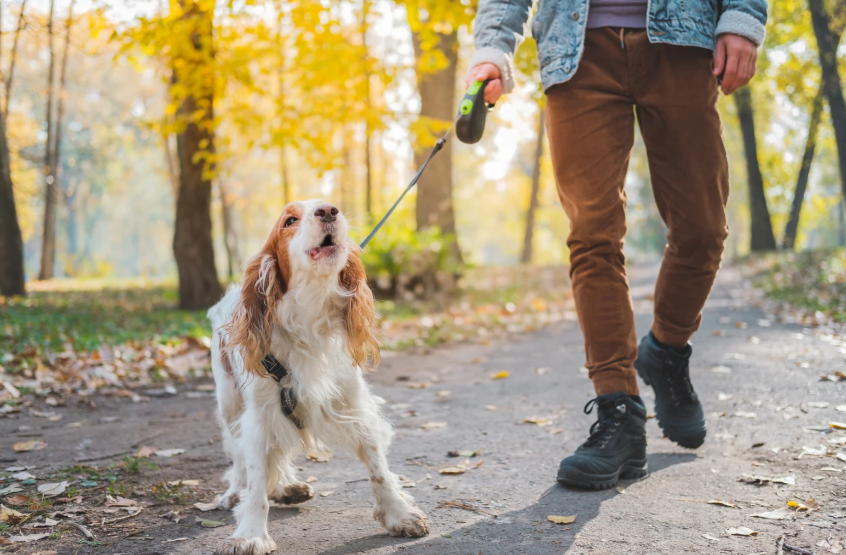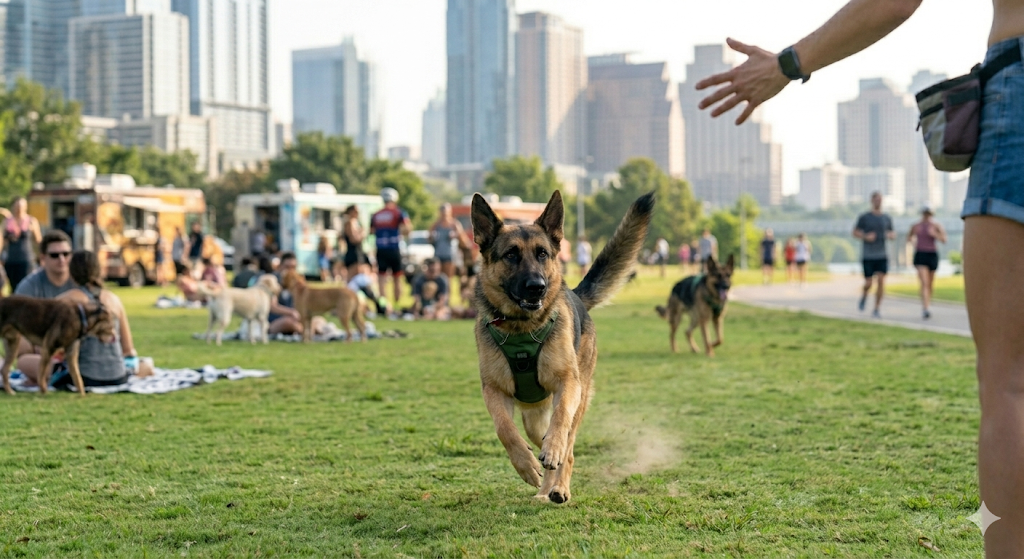

Barking, lunging, pulling toward every dog you pass on the sidewalk. It’s stressful, embarrassing, and it ruins what should be a relaxing walk through Frisco. At All Dogs Unleashed Dog Training Frisco, we fix dog barking at other dogs by teaching real obedience and impulse control, not band-aid tricks. Our trainers build calm, focused dogs through customizable programs designed around your dog’s specific triggers, so you can walk past other dogs without the chaos.
Ready to stop the barking and lunging on walks? Call (972) 573-1715 today.
Key Takeaways
- Most dog barking at other dogs is rooted in frustration, fear, or lack of impulse control, not aggression.
- Punishing the bark without addressing the trigger often makes reactivity worse over time.
- Structured obedience, threshold work, and clear leadership are the foundation of stopping leash reactivity.
- Professional help speeds up results, especially for dogs that have been reactive for months or years.
You round the bend at Frisco Commons Park and another dog appears on the path. Your dog locks on, lunges, and the barking starts. Leash tight, neighbors staring, your shoulder wrenched. If that scene sounds familiar, you are not alone. Dog reactive barking on leash is one of the top three problems we see walk through our door, and the good news is it is fixable.
Here is what you will get out of this guide: why your dog barking at other dogs happens in the first place, a step-by-step plan you can start using on your next walk around Panther Creek, and a clear signal for when it is time to bring in a pro. Most owners can make real progress on their own in a few weeks if they stay consistent. For the cases that need hands-on help, All Dogs Unleashed Dog Training Frisco is the local resource, with 289 five-star reviews from owners who walked in with the same problem you are dealing with right now.
Why Does Your Dog Bark at Other Dogs?
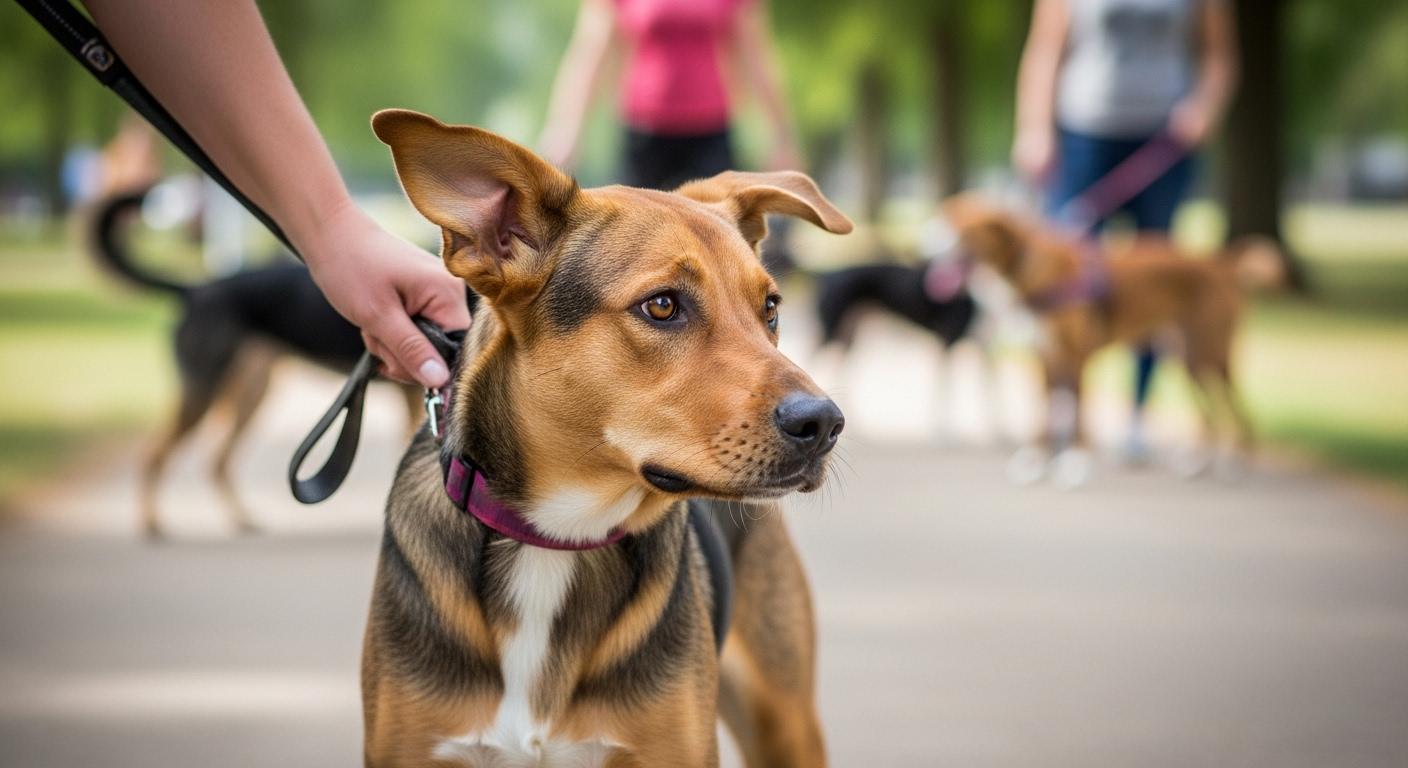
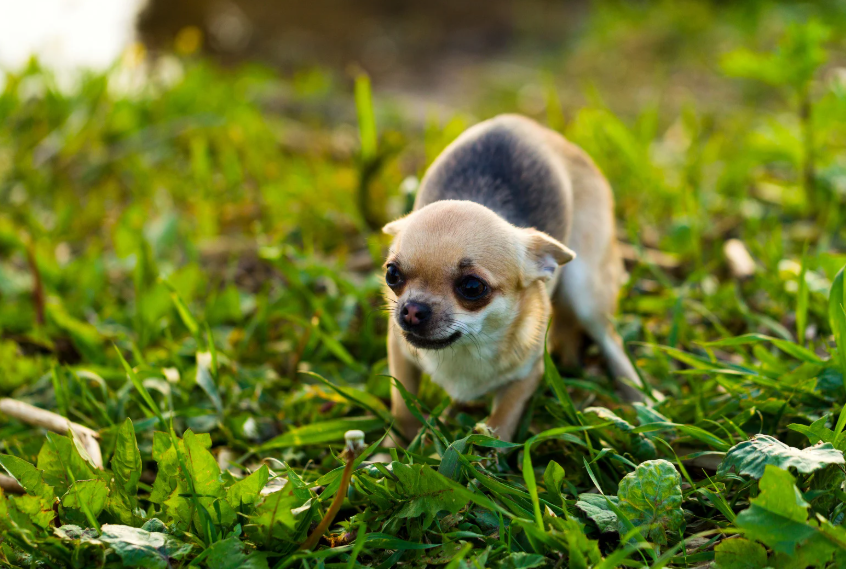
Most dogs bark at other dogs out of fear, frustration, or undersocialization. Not dominance. Not meanness. Understanding the root cause is the first step to fixing it.
Reactivity vs. Aggression
Reactivity is an emotional over-response. Your dog sees another dog and the brain floods before logic kicks in. Most reactive dogs want distance, not a fight. The barking, lunging, and hackles look scary, but it is usually leash frustration or anxiety, not true aggression.
True aggression is rarer and more deliberate. If you are not sure which one you have, a proper evaluation through our behavior assessment sorts it out fast. The training plan is different for each.
Why Some Dogs Suddenly Start Barking at Other Dogs
The question we hear most: why does my dog bark at other dogs now when he never used to? A dog suddenly barking at other dogs almost always traces back to one of these:
- Fear periods at 8 to 14 weeks and again at 6 to 14 months
- Adolescence, when hormones rewire impulse control
- A bad incident at a dog park, daycare, or on a walk
- Undersocialized puppyhood with limited exposure to other dogs
- Pain from an undiagnosed medical issue (always rule this out first)
- Rescue dogs carrying baggage from before you adopted them
One scary moment during a fear period can rewrite how your dog sees every dog after that. It is not your fault, and it is fixable.
Reading Your Dog’s Body Language Before the Bark
Dog reactive barking on leash never starts with the bark. It starts seconds earlier with body language most owners miss. Watch for:
- Stiff, frozen posture
- Hard stare locked on the other dog
- Raised hackles along the shoulders or spine
- Closed mouth after panting
- Weight shifted forward over the front paws
- Low grumble or whine
In Frisco’s dog-dense neighborhoods, your dog hits triggers on every walk. Learning to interrupt before the bark, not after, is what speeds progress.
The 4-Step Method to Stop Barking at Other Dogs
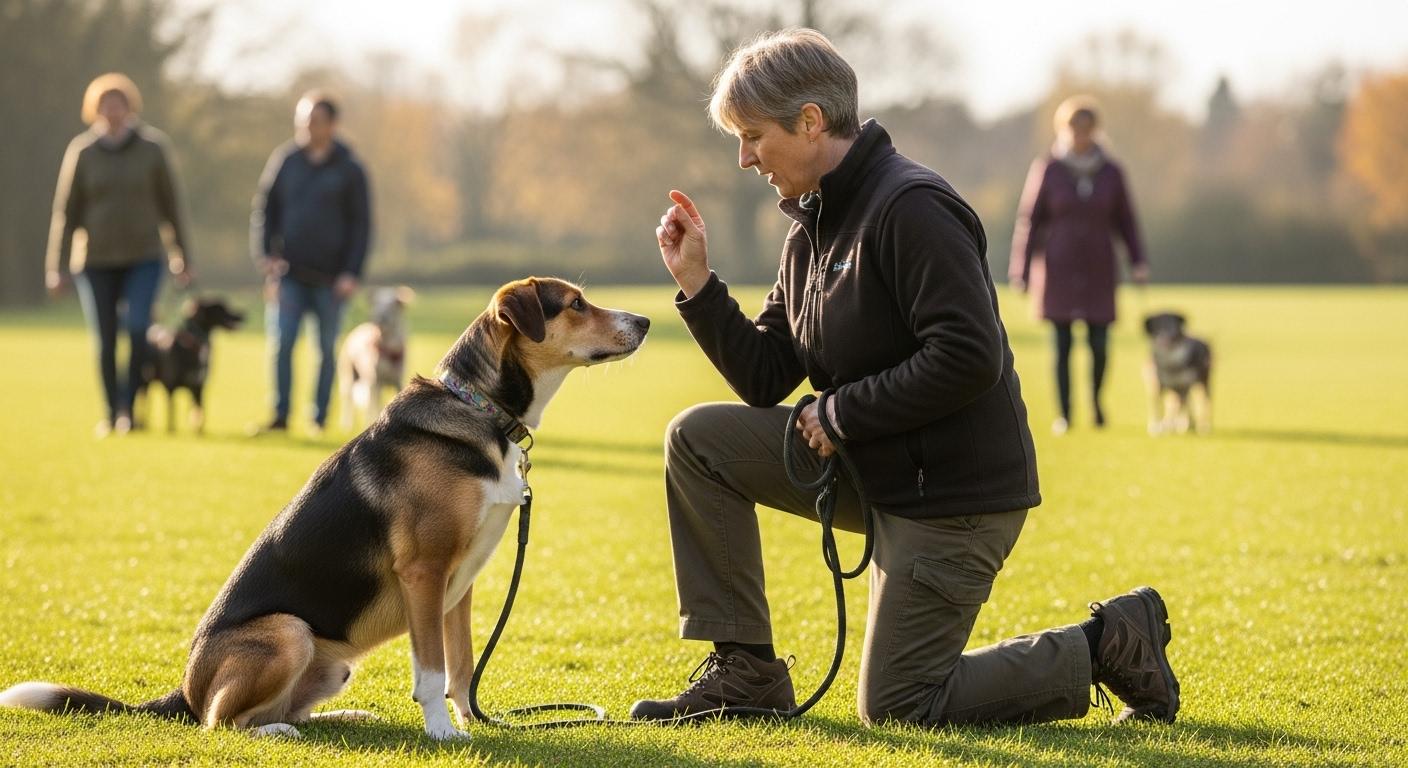
Here is the exact process we walk Frisco clients through to stop dog barking at other dogs. Work the steps in order. Skipping ahead is the most common reason owners stall out.
Step 1: Find Your Dog’s Threshold Distance
Threshold is the distance where your dog notices another dog but stays calm. Start at 30 to 50 feet. If your dog locks up, whines, or barks, you are too close. Back up until the ears relax and the body softens.
Cottonwood Creek Trail is a good real-world lab for this. When another dog appears, cross the street or step down a side path to hold your distance. Do not power through. You are training, not just walking.
Step 2: Counter-Conditioning with High-Value Rewards
The goal is simple: other dog appears = good things happen. We want your dog’s brain to rewire the trigger from threat to paycheck.
- Use real food. Boiled chicken, string cheese, or hot dog slices. Kibble will not move the needle on an emotional response.
- Mark the calm look with a clean “yes” or a clicker the instant your dog spots the other dog without reacting.
- Deliver the reward fast, within one second of the mark.
- Repeat every single time another dog appears at threshold. Consistency is what builds the new association.
Never reward a bark. If the bark already happened, you missed the calm window. Get more distance and try again.
Step 3: Desensitization, Closing the Distance Over Time
Once your dog reliably looks at other dogs and turns back to you for the treat, shrink the gap. Move in a few feet per session, not per minute. Most dogs need weeks of repetition, not days.
If your dog barks or lunges, you moved too fast. No correction needed. Just retreat to the last distance where they were successful and rebuild from there. Progress looks like a staircase, not a ramp.
Expect noticeable change in two to four weeks of daily practice. Bigger reactivity cases take longer. Foundation skills like recall make all of this easier, and if you want a trainer working these drills inside your home environment, our in-home dog training program is built for exactly that.
Step 4: Teach an Incompatible Behavior
A dog in a focused position cannot simultaneously bark and lunge. Give your dog a job to do when another dog appears.
- Watch me: eye contact on cue, rewarded heavily.
- Heel: tight position at your left side, eyes forward.
- Sit-stay or down-stay: hold while the other dog passes.
- Place: send to a mat or curb edge and settle.
Drill these skills at home first, no distractions. Then add mild distractions in the driveway. Only then take them on walks where other dogs show up. Build the behavior before you need it.
Common Mistakes That Make Reactive Barking Worse
Most owners we meet have been trying to fix the barking for months. They are not lazy. They are just doing what felt logical in the moment. Here are the three habits we see most, and why they backfire.
Punishing the Bark Instead of Rewarding the Calm
Why did correcting the bark make it worse? Because the bark is a symptom, not the root. The root is anxiety or over-arousal. When you yank the leash or yell the second another dog appears, your dog pairs that pain and stress with the sight of other dogs. The trigger now predicts something bad. Reactivity gets louder, not quieter.
Reward the quiet moment before the bark instead. Catch the half-second your dog notices the other dog and stays soft. That is the behavior you want to grow.
Letting Your Dog ‘Work It Out’ With the Other Dog
Should you let your dog meet the dog he barks at? Almost never, not at this stage. Forced greetings between a reactive dog and a stranger dog usually escalate. Leashes tangle, body language gets blocked, and one snap teaches both dogs that on-leash meetings are a fight waiting to happen.
Build neutrality first. Your dog does not need to say hi to every dog on the trail. Passing calmly is the goal.
Tensing the Leash
This is the quiet one. On narrow sidewalks and trail bottlenecks around our area, owners tighten up the second they spot another dog. Your dog feels that tension travels down the line and reacts before the other dog is even close. You confirmed the threat for them.
Practice loose-leash handling and a relaxed posture before the trigger enters view. Breathe out. Drop your shoulders. For hands-on coaching on leash mechanics and reactivity, browse our full lineup of Frisco dog training programs to find the right fit.
Stop guessing and start fixing the real problem. Call our team at (972) 573-1715 to talk through your dog’s reactivity.
When to Call a Professional Dog Trainer in Frisco
DIY work fails some dogs. Not because you did it wrong, but because the reactivity has moved past what a home setup can fix. If you have been at it for four to six weeks with no real change, it is time to bring in a pro.
Signs the Problem Is Beyond DIY Training
Call us when you see any of these red flags:
- Your dog has made contact with another dog, even once.
- At any distance, your dog is too aroused to take a high-value treat.
- You feel unsafe on walks or have stopped walking altogether.
- The dog’s reactive barking on leash is getting worse, not better, after weeks of steady work.
- Reactivity is spreading to people, bikes, or cars.
These are signs the dog’s nervous system is stuck. You need structured help to stop dog barking at other dogs before the pattern hardens. Our promise is simple: train ANY dog, solve ANY problem. That includes the hard cases other trainers turn away.
What a Board and Train Program Does for a Reactive Dog
Our board and train is the fastest path for serious reactivity. Your dog stays with a trainer and gets daily structured exposure to triggers in controlled setups. We build foundation obedience first, then layer in emotional regulation around other dogs.
During the stay, we keep you in the loop with updates and a hand-off session before your dog comes home. That hand-off is where you learn the why behind every cue. If your dog needs a structured stay without the full training curriculum, our dog boarding option is available too, and many owners pair a boarding stay with dog grooming so their dog comes home clean and ready. Follow-up support is part of the package because reactivity work is as much about coaching you as it is about training the dog.
Ready to talk through your dog’s case? Contact our team and we will map out the right program.
Training a Reactive Dog in Frisco: What to Expect from Local Walks and Parks
This city grew fast, and dogs are everywhere. Frisco Commons Park trails, Celebration Park paths, the sidewalks around The Star, and the busy stretches along Eldorado Parkway all put reactive dogs within sight of triggers at unpredictable distances. That makes management harder here than in a quiet rural neighborhood.
When Are the Best Times to Walk a Reactive Dog?
Walk before 7am or after 8pm in summer. You will see far fewer dogs, your pup stays under threshold, and you actually get to practice instead of just surviving the walk. The dense neighborhoods across 75033, 75034, and 75035 quiet down a lot at those hours.
Does Texas Heat Affect Reactivity?
Yes. Heat shortens any dog’s fuse. A panting, overheated dog has less tolerance for a barking neighbor across the street. Use indoor sessions on hot afternoons and save real-world practice for cool mornings or evenings.
One more note: reactivity often shows up alongside separation anxiety. If your dog struggles with both, the plan needs to address each one, not just the barking on walks.
Frequently Asked Questions
How Long Does It Take to Stop a Dog from Barking at Other Dogs?
Most dogs show noticeable improvement within 4 to 8 weeks of consistent daily training, though the timeline varies based on how long the behavior has been established and how often you practice. Dogs with mild reactivity often progress faster than those who have rehearsed the barking habit for years. All Dogs Unleashed Dog Training Frisco typically sets realistic milestone expectations during an initial assessment, and our board and train option compresses the timeline significantly for owners who want faster results.
Can Reactive Dogs Ever Become Fully Friendly with Other Dogs?
Some reactive dogs reach a point where they can calmly pass or even greet other dogs, while others learn to simply ignore them without reacting. The goal of training is not always full friendliness but rather a dog that can function calmly in public without barking or lunging. Many owners in Frisco are very satisfied with a dog that can walk past another dog peacefully, even if off-leash play is never the outcome.
Is a Bark Collar an Effective Fix for Dog Barking at Other Dogs?
Bark collars address the symptom without treating the underlying anxiety or frustration that causes reactivity in the first place. Suppressing the bark through discomfort can actually increase a dog’s stress, and in some cases leads to more intense reactions over time. Certified trainers at All Dogs Unleashed Dog Training Frisco use positive reinforcement methods across our training programs that change how a dog feels about other dogs, which produces lasting results rather than a temporary suppression.
Should I Avoid Dog Parks Entirely While Training a Reactive Dog?
Yes, during active behavior modification it is generally best to skip off-leash dog parks, since unpredictable rushes from unfamiliar dogs can undo weeks of careful desensitization work. Controlled, predictable exposures at a set distance are far more productive than chaotic environments where you cannot manage the situation. Once your dog has built solid skills and can reliably disengage on cue, a trainer can help you reintroduce park visits gradually and safely.
Does My Dog’s Breed Make Reactivity Harder to Train?
Certain breeds with high prey drive, herding instincts, or guardian tendencies can be more prone to dog-directed reactivity, but breed alone does not determine how trainable a dog is. The techniques used at All Dogs Unleashed Dog Training Frisco work across breeds because they target the emotional response rather than trying to override instinct through force. Breed context is useful information for setting expectations, but it is rarely a reason to give up on training.
What Should I Do If My Dog Barks at Other Dogs Through a Window or Fence?
Barrier frustration and fence running are separate but related problems that can actually make on-leash reactivity worse if left unaddressed. Management steps like blocking visual access to the fence line or window can reduce daily rehearsal of the barking pattern while you work on the underlying behavior. Our in-home dog training is especially useful here because the trainer sees the actual fence line, window, or doorway where the barrier reactivity happens and builds the plan around your specific setup.
Can Children or Multiple Handlers Work with a Reactive Dog During Training?
It is generally best to designate one primary handler during the early stages of training so the dog gets consistent signals and timing on rewards. Once the dog understands the new expectations reliably, other family members including older children can be introduced to the process with proper coaching.
All Dogs Unleashed Dog Training Frisco includes handler education as part of its programs so the whole household reinforces the same skills rather than accidentally sending mixed messages. If your reactive dog also needs a place to stay during a trip, our dog boarding keeps trained behavior intact, and dog grooming can be added to the stay.
Ready to Get Started with All Dogs Unleashed Dog Training Frisco?
Call (972) 573-1715 to speak with our team directly, or reach out using the form below.
Reach out today and let’s talk about how we can help.