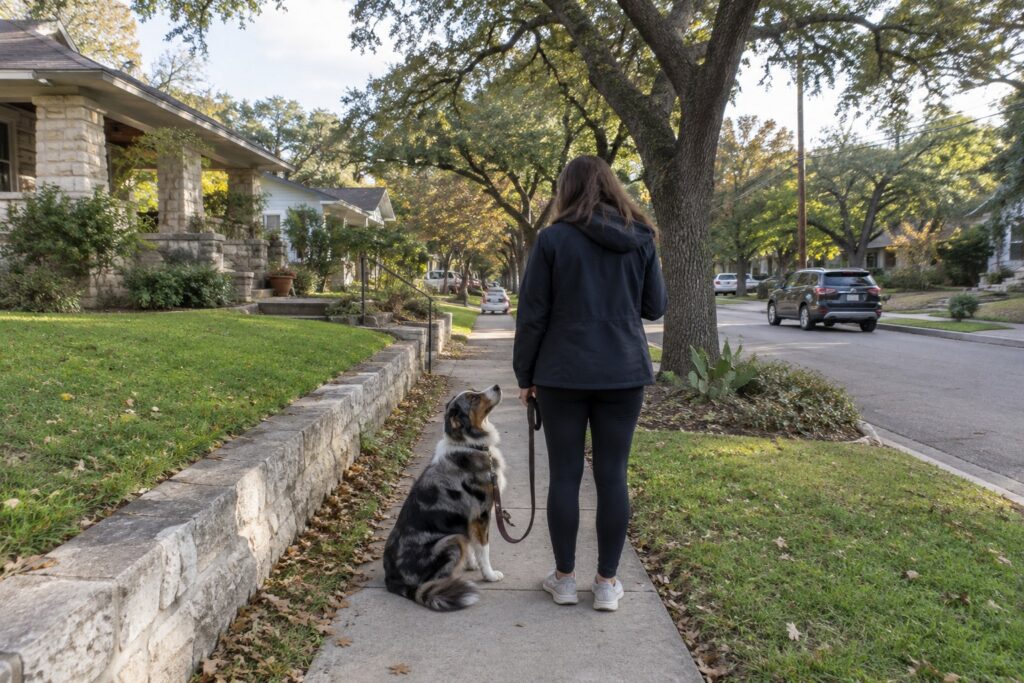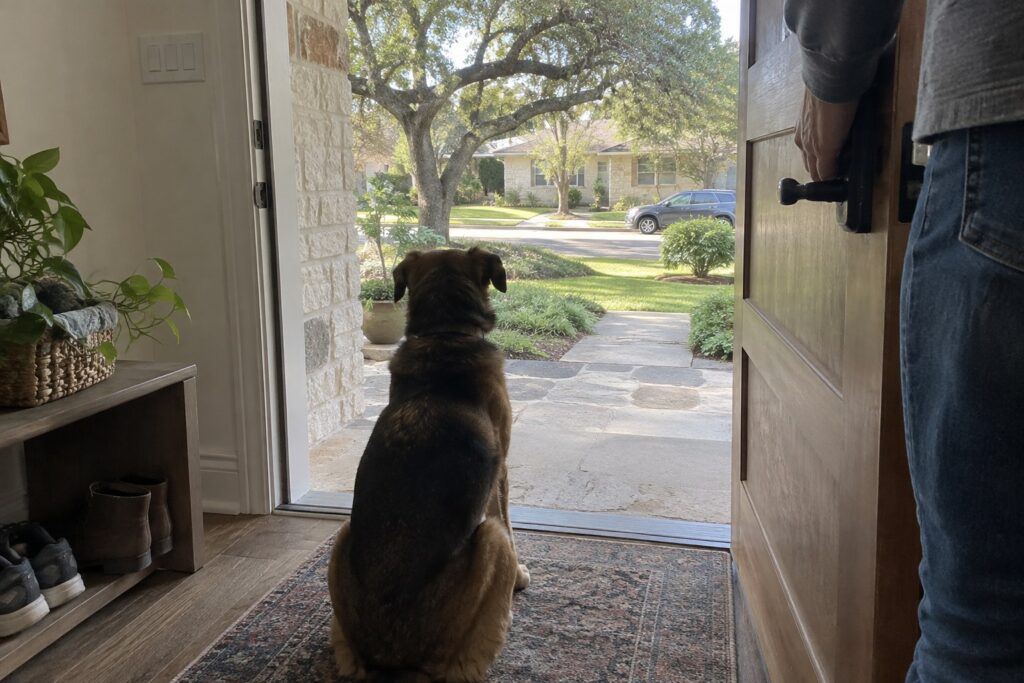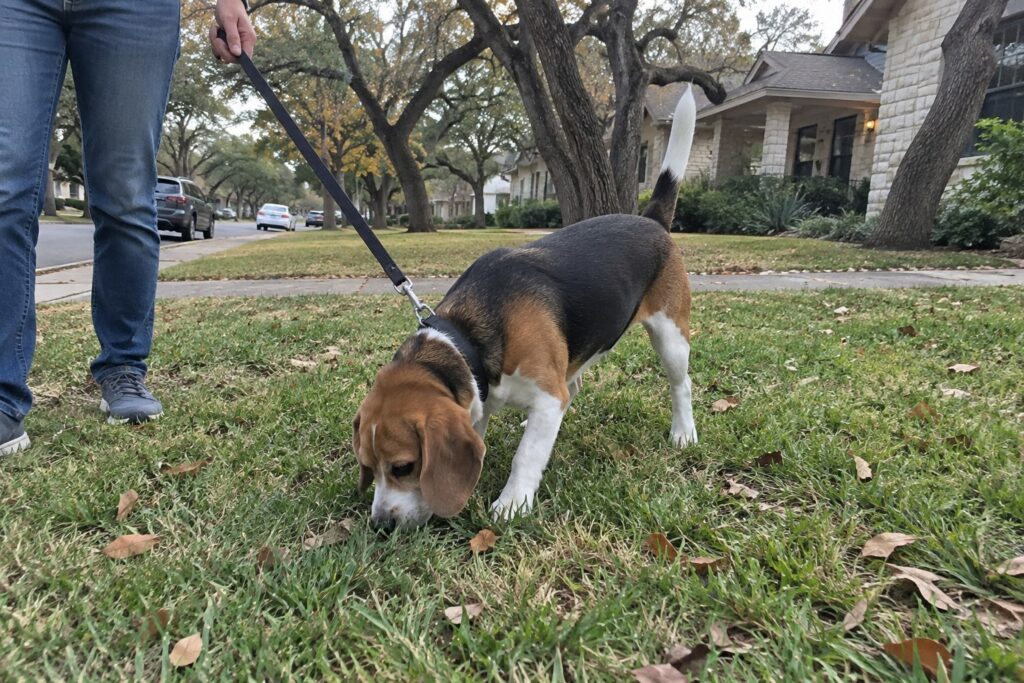

We understand that bringing home a rescue comes with big hopes and a few unknowns, fear, shyness, or behaviors shaped by a past you may never fully know. Our trainers work with you and your furry friend to bridge the communication gap and build trust, one calm session at a time.
Ready to help your rescue settle in and thrive? Call (817) 393-6224 to talk with our team.
Key Takeaways
- Rescue dog training works best when you give your dog time to decompress before introducing structured lessons.
- Building trust and a consistent routine at home sets the foundation for every command your dog will learn.
- Common rescue challenges include fear, leash reactivity, and house manners, all of which respond well to patient, personalized training.
- Working with a local trainer who knows Fort Worth helps you socialize your rescue in real-world settings.
A New Chapter for You and Your Rescue Dog
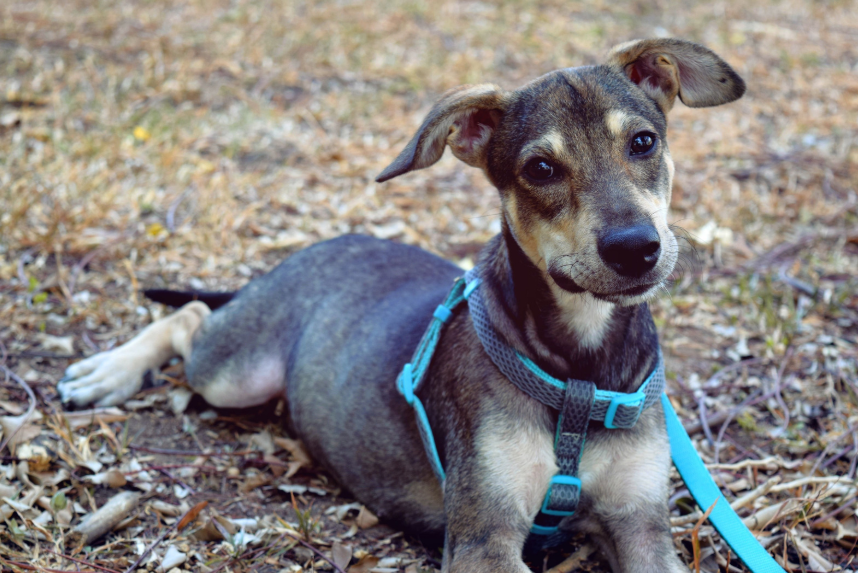
You signed the papers at the Humane Society of North Texas, or maybe a weekend PetSmart adoption event off Camp Bowie Boulevard. The drive home was quiet. Your new dog stared out the window, panted hard, maybe drooled on the seat. Then you opened the door, and they bolted straight under the kitchen table and flinched every time the ceiling fan clicked on.
Yes, that is normal. A newly adopted dog who hides, skips meals for a day, or freezes at every new sound is showing you something honest. They are scared. They do not know you yet. They do not know if this couch, this yard, this family is permanent. Rescue dog training takes patience, and it starts long before you teach a single command.
This beginner's guide walks you through what comes next. We will cover the 3-3-3 decompression rule, how to read your dog's stress signals, foundational commands that build trust, common behavior problems and what to do about them, and when to bring in a local trainer. Every section honors the unique needs of every dog. Your furry friend can settle, learn, and bond. It just takes the right plan.
What Is the 3-3-3 Rule and Why It Matters for Newly Adopted Dogs
We understand that the first few days with a rescue dog can feel discouraging. You pictured tail wags and snuggles. Instead, your new furry friend may be hiding under the bed or refusing dinner. The 3-3-3 rule explains why, and it gives you a realistic timeline so you stop worrying and start helping.
The First 3 Days: Decompression, Not Personality
Your rescue is overwhelmed. Expect shut-down behavior: hiding, frozen posture, refusing food, flinching at sounds. This is not depression, and this is not their real self. They are decompressing from shelter life.
Keep the world small. No guests, no dog parks, no off-leash time. Skip midday walks on hot concrete, and read up on Fort Worth dog heat stroke prevention before you head outside. Early morning or after sunset is safer for paws and nerves alike.
The First 3 Weeks: Boundaries and Real Behaviors Emerge
Around week two or three, your dog feels safe enough to test the rules. Jumping, leash pulling, counter surfing, or resource guarding may show up out of nowhere. Good news: this means they trust you. Watch for these adjustment signals so you can respond before stress boils over:
- Lip licking
- Whale eye
- Stiff posture
- Contextual yawning
- Refusing familiar treats
These are quiet asks for space. Honor them, and trust builds faster.
The First 3 Months: Bonded and Ready to Learn
By month three, your dog knows your routine, your voice, and your home. This is when formal rescue dog training really sticks. Sit, place, recall, loose-leash walking, the foundations land much faster on a bonded, settled dog than on a scared one.
Knowing where your dog is in this timeline bridges the communication gap and keeps expectations realistic. These newly adopted dog training tips are not about rushing. They are about meeting your dog where they actually are.
Reading Your Rescue Dog's Body Language Before You Start Training
Ever wonder why your rescue dog growled at a stranger who seemed perfectly friendly? Your dog was talking. Most owners just miss the first three sentences of the conversation. Before any training command lands, you have to read what your dog is telling you about the room, the person, and the moment.
Fear Signals That Look Like Bad Behavior
Rescue dogs broadcast fear in ways that get misread every day. A tucked tail with a low cower looks sneaky, but your dog is shrinking to avoid threat. A low growl gets labeled mean, but it is a polite warning before teeth. Spinning and pacing read as hyper, when really your dog cannot settle. Jumping up gets called dominant, when often it is panic seeking your face for safety.
Here is the part most folks get wrong. Punishing a growl, a hard stare, or a stiff freeze does not fix the fear underneath. It deletes the warning. A dog who learns growling gets corrected often skips the warning next time and goes straight to a bite. Let your dog talk.
Stress Stacking: When Small Triggers Add Up
One trigger usually passes. Three triggers in thirty minutes is a meltdown. Imagine a Saturday walk near Magnolia Avenue with foot traffic on the sidewalk, an off-leash dog rounding the corner, and a skateboard rattling past. Any one of those is workable. All three inside a short window stacks the nervous system until your dog snaps at something small, like a kid reaching out a hand.
Common stress stackers around the area:
- Construction noise on West 7th
- North Texas heat radiating off concrete
- Unfamiliar dogs at busy parks
- Loud diesel trucks at lights
- Crowded weekend parking lots
This is the heart of rescue dog behavior problems. Learning how to train a rescue dog starts with spotting stack-up early and creating distance before the explosion. Recognizing the signal before it becomes a reaction. That is the real skill.
The First Commands to Teach a Rescue Dog (and in What Order)
We get it. You want to skip ahead to roll over, shake, and fetch. But foundations come first because they build trust and a shared language between you and your dog. Without that, every advanced cue falls apart under real-world distractions.
Order matters more than most owners realize. Start with name recognition, move to sit, then layer in leash manners. These three create the attention bridge your rescue needs before anything harder makes sense.
Name Recognition, Sit, and Leash Manners
Why won't your rescue dog respond to their name? Because the name is new, and old names may carry baggage. Pair the name with something good, every single time, until your dog whips their head toward you across the room.
Sit comes next because it's a natural default position. Once your dog knows sit, you have a calm reset button for doorways, greetings, and crosswalks. Then leash manners take that focus onto the sidewalk.
Solid leash work stops the chaos:
- Pulling on walks
- Leash wrapping legs
- Darting at squirrels
- Lunging toward other dogs
Your dog will come home from a walk calm instead of wired. That changes everything for both of you.
Place and Reliable Recall
Place gives anxious rescues a predictable spot to land. A mat, a cot, a bed in the corner. It cuts down on doorway chaos, helps at mealtimes, and gives your dog an off-switch when guests arrive.
Recall is the command that earns your dog freedom. Imagine calling your dog at Trinity Trails or the Pecan Valley off-leash area and watching them sprint back to you, every time, no hesitation. That's the goal. Our guide on teaching your dog reliable recall at Fort Worth parks walks through how to proof recall against real distractions like joggers, bikes, and other dogs.
These commands are not just obedience drills. They're a conversation. Once your rescue learns the words, you stop guessing and they stop worrying.
Ready to build a real foundation with your rescue? Call our team at (817) 393-6224 to talk through a training plan that fits your dog.
Common Rescue Dog Behavior Problems and How to Address Them

We understand that a dog who growls at your guests or destroys your couch when you leave feels like a crisis. It isn't. These are common rescue dog behavior problems with proven solutions, and your dog is not broken. You are not failing.
Separation Anxiety
Separation anxiety shows up as destruction, nonstop barking, drooling, or house soiling when your dog is alone. Rescues often develop it after instability, multiple rehoming, or shelter stays. The bond forms fast, and so does the panic when you walk out the door.
Here is a framework that works:
- Practice short departures daily
- Keep hellos and goodbyes calm
- Offer a high-value chew at the door
- Build alone time in small steps
If panic continues after weeks of patient work, reach out for professional dog training in Fort Worth. Some cases need a trained eye to break the cycle.
Resource Guarding, Leash Reactivity, and Fear of Strangers
Resource guarding is fear, not dominance. Never punish a growl. A growl is information. We've seen formerly feral rescues with strong food-guarding habits make real progress when paired with patient, consistent handling.
For guarding, try this:
- Feed in a quiet corner
- Practice "trade it" with better treats
- Give space during meals and chews
- Drop bonus food as you walk past the bowl
For leash reactivity, walk during off-peak hours in quieter neighborhoods across Arlington, Keller, or North Richland Hills. Use a "look at me" cue to redirect attention. Increase distance from triggers before your dog reacts, not after.
For fear of strangers, let your dog approach on their terms. Never force a greeting. Hand guests a high-value treat to toss on the floor, not from the hand. Positive associations build slowly, then all at once.
Some behaviors are deep-rooted. An experienced trainer moves the timeline faster and protects the bond you're building. Our board and train program gives reactive or anxious rescues a structured reset with daily handling, and we coach you through the handoff so progress sticks at home.
Training a Rescue Dog in Fort Worth: What Local Owners Should Know
Our city is a great place for dog owners, but training a rescue here comes with a few local factors worth knowing. The trails are crowded. The summers are brutal. And the dog parks can overwhelm a newly adopted dog faster than most owners expect. Knowing where and when to work your dog makes a real difference in how quickly they settle in.
Fort Worth Parks and Socialization
Start quiet, then build up. Residential streets in Wedgwood and Mistletoe Heights give you sidewalks, mild foot traffic, and predictable distractions. That is where leash manners and name recognition should start. Once your dog has spent a few months bonding with you, Pecan Valley Park offers open space and a pond for controlled long-line recall work. Trinity Trails, with its 12-plus miles of urban path, is excellent for leash proofing once your dog handles bikes, joggers, and other dogs without spiraling.
Skip Crestwood Dog Park early on. Off-leash chaos with unknown dogs is too much for a rescue still learning the rules of the house. Wait until your dog is past the three-month mark and has solid recall before considering it. For structured work on calling your dog back around real-world distractions, our guide on Fort Worth dog parks and recall training walks through the progression.
Training Around North Texas Heat
Summers here routinely push past 100 degrees. Asphalt on West 7th or through Near Southside can burn paw pads in under a minute at peak heat. From May through September, schedule outdoor sessions before 8 a.m. or after 7 p.m. Cap them at 10 to 15 minutes. Move command practice indoors at midday and use hallways, the living room, or a shaded garage for repetitions.
Watch for heavy panting, a wide tongue, or your dog lagging behind. Our write-up on Fort Worth dog heat stroke warning signs covers what to catch early. A dog who is comfortable and safe learns faster. That is true everywhere, but especially in a Texas summer.
Frequently Asked Questions
How Long Does It Usually Take to See Real Progress With a Rescue Dog?
Most rescue dogs begin showing consistent responses to basic commands within four to eight weeks of daily training, though dogs with significant trauma histories may take longer. Progress depends heavily on the dog's background, how consistently the owner practices, and whether professional guidance is involved. All Dogs Unleashed Dog Training Fort Worth typically sees meaningful behavioral improvement within the first few sessions when owners stay consistent between appointments.
Is It Safe to Train a Rescue Dog That Has a History of Biting?
A bite history does not automatically disqualify a dog from training, but it does require a structured safety plan before sessions begin. A qualified trainer will assess the dog's bite threshold, triggers, and body language patterns to determine a safe starting point. All Dogs Unleashed Dog Training Fort Worth recommends that owners never attempt counter-conditioning for bite history on their own without professional supervision.
Can I Train My Rescue Dog at Home, or Do I Need Professional Help?
Basic commands like sit and name recognition can be reinforced at home, but rescue dogs with anxiety, reactivity, or unknown histories benefit significantly from working with a professional trainer early on. Mistakes made during the first weeks of training can accidentally reinforce problem behaviors, which are much harder to undo later. Working with a trainer from the start helps Fort Worth rescue owners build good habits and avoid common pitfalls.
Should I Use Treats Forever, or Can I Phase Them Out?
Treats are a training tool, not a permanent requirement. Once a behavior is reliably learned, most trainers recommend transitioning to a variable reward schedule, where treats are given intermittently rather than every time. All Dogs Unleashed Dog Training Fort Worth can help owners create a reward-fading plan so their rescue dog responds consistently even when food is not present.
What Should I Do If My Rescue Dog Regresses After Weeks of Good Behavior?
Regression is common and usually signals a change in the dog's environment, routine, or stress level rather than a permanent setback. New stimuli, a move, a new family member, or even a change in the owner's schedule can temporarily undo learned behaviors. Returning to foundational exercises with calm consistency almost always restores progress, and a quick check-in session with a trainer can help identify the specific trigger.
Can Children in the Home Participate in Rescue Dog Training?
Children can absolutely participate, and including them often improves a rescue dog's trust and responsiveness across the household. Older children who can follow consistent cue delivery and reward timing are especially helpful training partners. All Dogs Unleashed Dog Training Fort Worth advises that young children always train under direct adult supervision, particularly with dogs that are still in the early adjustment period.
Does Pet Insurance or an Adoption Organization Ever Cover Training Costs?
Some rescue organizations in the Fort Worth area offer a limited number of free or discounted training sessions as part of their adoption packages, so it is worth asking before you finalize an adoption. A small number of pet insurance plans now include behavioral training as an add-on rider, though this varies widely by provider. Contacting All Dogs Unleashed Dog Training Fort Worth directly is the best way to find the right program for your dog.
Ready to Get Started with All Dogs Unleashed Dog Training Fort Worth?
Call (817) 393-6224 to speak with our team directly. Reach out today and let's talk about how we can help.