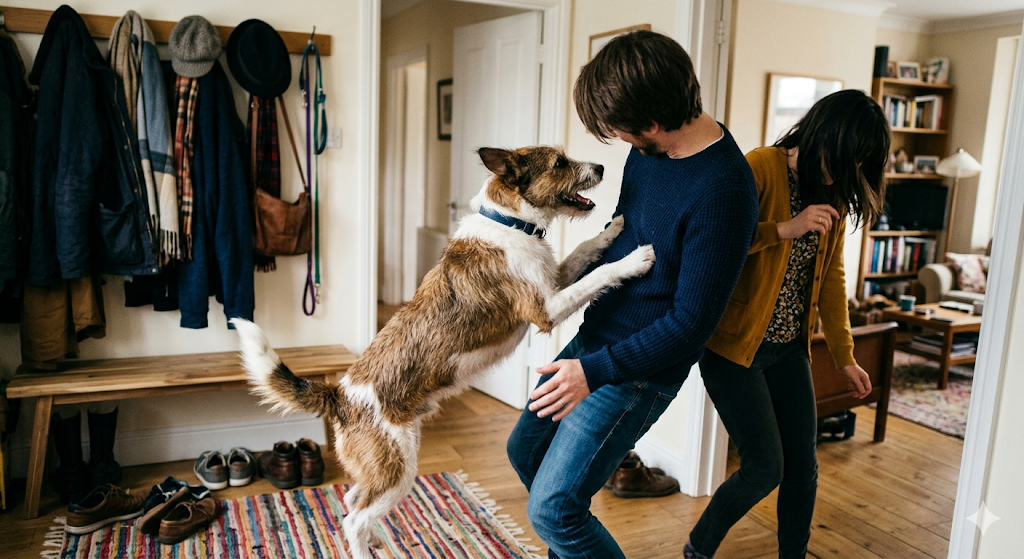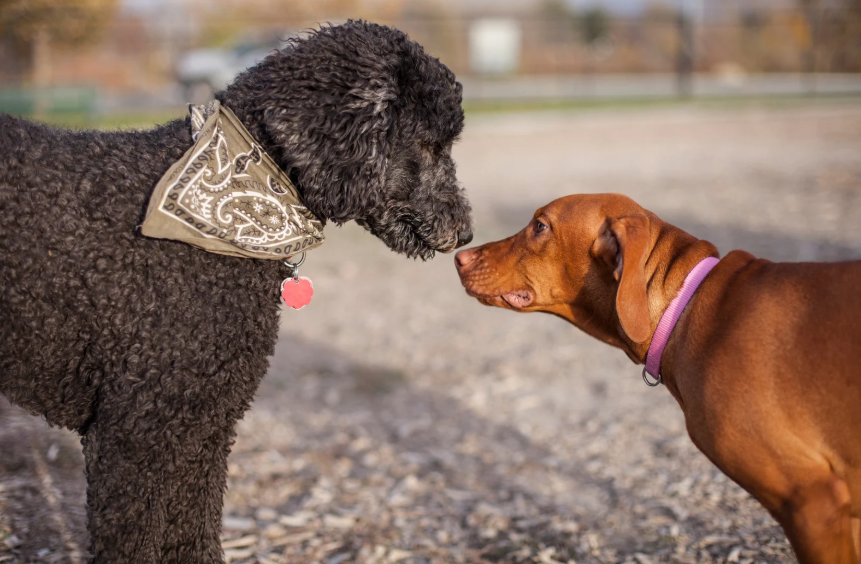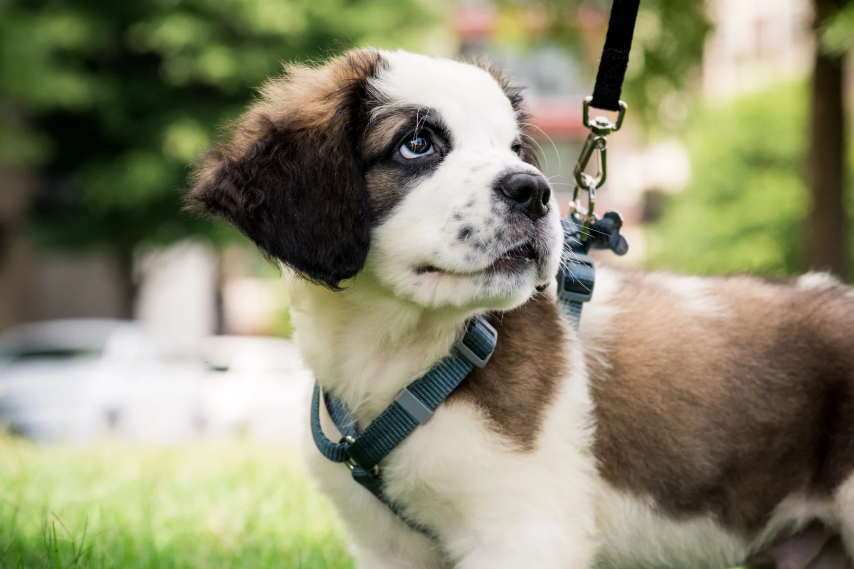
A walk through your Fort Worth neighborhood should be a chance to clear your head, not an arm workout. If your dog turns every outing on Trinity Trails into a tug-of-war, or you’ve started skipping walks altogether because the pulling is too much, you’re far from alone. Leash pulling is one of the most common reasons owners reach out to us at All Dogs Unleashed Fort Worth, and it’s also one of the most fixable behavior problems once you understand what’s actually causing it.
Here’s the truth most owners don’t hear up front. Dogs don’t pull because they’re stubborn or dominant or trying to lead the pack. They pull because pulling works. Every time the leash tightens and your dog gets one step closer to the squirrel, the smell, or the next mailbox, you’ve reinforced the behavior. Stopping the pull means breaking that pattern and replacing it with a new one.
This guide walks through why dogs pull, the equipment decisions that quietly help or hurt your training, the two methods that consistently work for Fort Worth dogs of every size, and how to handle the unique challenges of walking in Texas heat and busy urban environments.
Why Your Dog Pulls in the First Place
Pulling looks like one behavior, but it usually has two or three layers underneath. Sorting them out is the first step toward stopping it.
The pace mismatch. Your dog walks faster than you do. A medium-sized dog moving at a comfortable trot covers ground at about 4 to 5 miles per hour. Most humans walk at around 3. Without training, your dog will naturally drift ahead, hit the end of the leash, and keep going. Pulling becomes the default just because of physics.
Reinforcement history. Every walk you’ve ever taken where the pulling got your dog where they wanted to go has taught them that pulling is the working strategy. If your puppy pulled toward another dog at six months old and you let them say hi, you taught them that lunging and dragging gets them what they want. That history doesn’t reset on its own.
Excitement and undertraining. A dog with too much stored energy hits the sidewalk like a coiled spring. So does a dog who hasn’t been taught what to do instead of pulling. Most dogs aren’t pulling because they want to disobey. They’re pulling because nobody ever showed them an alternative.
Environmental triggers. Fort Worth walks come with their own set of distractions. Squirrels in mature pecan trees, joggers on the Trinity, other dogs at every other front yard, the occasional bicycle blowing past on a shared trail. A dog who walks calmly in the backyard can fall apart the moment a real-world distraction shows up.
The mistake most owners make is treating pulling as a single problem with a single fix. It isn’t. The training plan needs to address the dog’s history, their current arousal level, and the specific environments where the behavior shows up.
The Equipment Question: What Actually Helps
Before you change your training, change your hardware. The wrong leash setup makes loose-leash walking nearly impossible. The right setup gives you a fighting chance.
| Equipment | Best For | Watch Out For |
|---|---|---|
| Front-clip harness | Dogs who pull steadily, medium to large breeds | Doesn’t fix the behavior alone, just reduces leverage |
| Flat collar | Dogs already walking calmly, light correction | Provides little control on a strong puller |
| Head halter | Powerful pullers, high-distraction environments | Requires acclimation period, not for sudden lungers |
| Standard 6-foot leash | All training scenarios | Stay away from retractables during training |
| Retractable leash | Decompression sniffs in safe areas only | Reinforces pulling because tension always exists |
Front-clip harnesses (like the Easy Walk or Freedom No-Pull) are the most owner-friendly starting point for most Fort Worth dogs. The clip sits on the dog’s chest, so when they pull forward, their body redirects sideways rather than driving ahead. It doesn’t train them not to pull, but it makes training possible by removing the leverage advantage they’ve been winning with.
Skip the retractable leash entirely during training. The mechanism only stays extended when there’s tension, which means your dog learns that constant pulling gets them what they want. Switch to a standard 6-foot flat leash, and save the retractable for sniff walks in fenced parks once leash manners are solid. We cover the foundational equipment and posture pieces in more detail in our basics of leash training guide.
The Stop-and-Go Method
The most reliable method for teaching loose-leash walking is also the simplest one. The catch is that it requires patience most owners run out of about three driveways in.
Here’s how it works.
Start in a low-distraction environment. Your driveway, your backyard, or a quiet stretch of sidewalk before the morning rush. Begin walking with your dog on whichever side you prefer. The moment the leash goes tight, stop. Plant your feet. Don’t reel the dog in, don’t say “no,” don’t yank backward. Just stop and wait.
Your dog will be confused at first. They’ll look back at you, sniff around, eventually take a step toward you that puts slack in the leash. The instant the leash goes loose, mark it with a “yes” or a click and start walking again. If the leash goes tight, stop again.
For the first two or three sessions, you might cover 20 feet in 15 minutes. That’s normal. You’re not walking the dog yet, you’re teaching the dog what walking is. Within a week of daily 10-to-15-minute sessions, most dogs start checking in on their own and the pace picks up considerably.
A few notes that make this work faster. Use treats your dog actually cares about, not the bag of biscuits that’s been sitting in your pantry since 2024. Small, soft, smelly options like cooked chicken or training-specific jerky are worth the upgrade. Reward your dog any time they’re walking next to you with slack in the leash, even if you didn’t ask for it. The behavior you reward is the behavior you get.
The Direction-Change Method for Dogs Who Won’t Settle
Some dogs barrel ahead so confidently that the stop-and-go method takes weeks to click. For these dogs, changing direction is faster.
When your dog hits the end of the leash, instead of stopping, turn 180 degrees and walk the other way. No verbal cue, no jerk on the leash, just a clean turn. Your dog will catch up, often surprised, and end up next to you. Reward them for being there. When they pull ahead again, turn again.
The lesson lands quickly. The dog learns that paying attention to where you’re going is more rewarding than charging ahead, because charging ahead means walking the wrong direction half the time. Most dogs settle into checking in within three to four sessions.
This method works particularly well in open areas where you have room to maneuver. The wide sidewalks along West 7th Street, the open paths in Trinity Park, and quiet residential blocks in neighborhoods like Tanglewood or Mistletoe Heights all give you space to change direction without crowding other walkers.
Walking in Fort Worth Heat and Urban Distractions
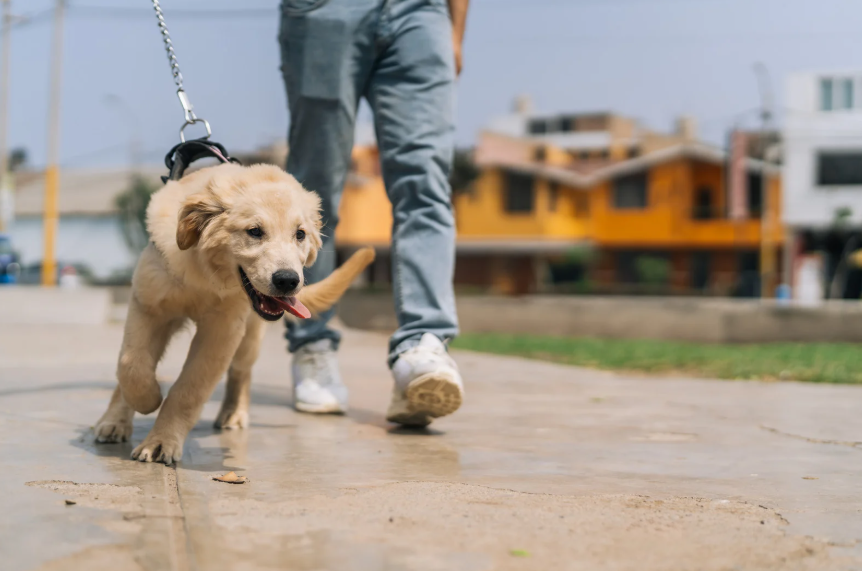
Two factors make leash training in Fort Worth a little different than other markets. Both are worth planning around.
Texas summer heat is the bigger one. Pavement temperatures in July and August routinely climb past 130 degrees in direct sun, which can burn paw pads in under a minute. Hot pavement also puts your dog into stress mode, which makes any training nearly impossible. From May through September, plan walks before 8 a.m. or after sunset. Press the back of your hand to the sidewalk for seven seconds. If it’s too hot for you, it’s too hot for your dog. Save daytime walks for shaded paths along the Trinity, indoor sniff sessions at home, or trips to dog-friendly indoor spaces.
The second factor is environmental complexity. Fort Worth walks tend to mix high-distraction zones (the Stockyards, downtown, popular trail sections) with lower-key residential streets. The training principle is to build skills in the easy environments first, then layer in distraction. A dog who can walk calmly down your block can usually be trained to walk calmly past the Trinity Trails crowd within a few weeks of progressive practice. A dog who’s never walked calmly anywhere will struggle the moment you bring them downtown.
For dogs who lunge, bark, or fixate on triggers during walks, leash pulling is usually a symptom of a deeper reactivity issue that needs its own training plan. Our piece on walking a reactive dog covers the specific protocols that work better than standard loose-leash methods for those cases.
Common Mistakes That Keep Dogs Pulling
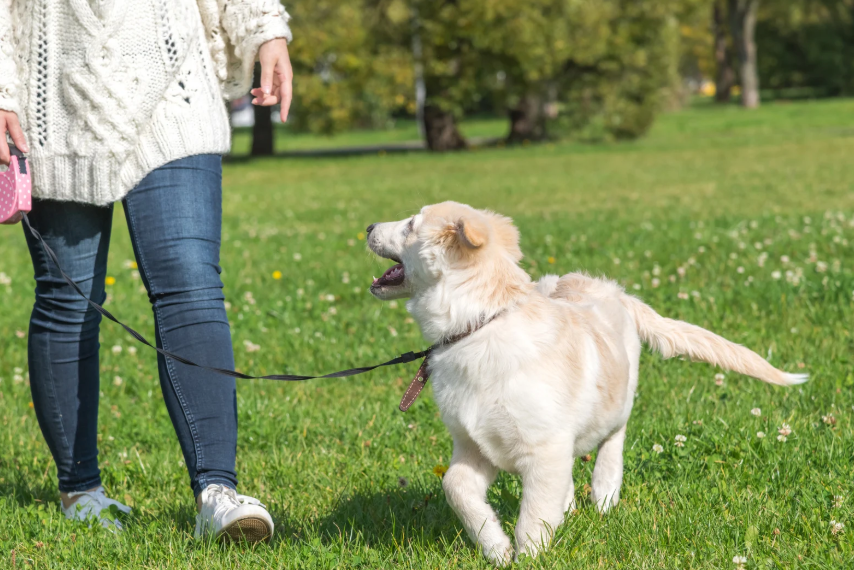
Even with the right method and equipment, a handful of habits quietly undo the work. Most owners are doing one or two of these without realizing it.
- Walking inconsistently. If you stop-and-go on Monday but let the dog pull through the rest of the week because you’re busy, the dog never learns. The training has to happen on every walk for at least the first month.
- Letting the leash do the talking. A dog being held back by leash tension stays in pulling mode the whole walk. Aim for slack in the line as the default. If you’re gripping the leash like a water-ski rope, your dog isn’t going to learn loose-leash walking from that posture.
- Yelling at pulls. Verbal corrections almost never work for pulling because the reward (forward motion, smells, the squirrel) outranks the punishment (your voice). Save your words for praise when the leash goes loose.
- Skipping the warmup. A dog who hasn’t sniffed for the first 5 minutes of the walk is in high-arousal mode and pulls the hardest. Let them sniff for the first stretch with no expectation of perfect heeling, then start the loose-leash work once they’ve settled.
- Expecting too much, too fast. Most dogs need 4 to 8 weeks of consistent training to walk reliably on a loose leash in mixed environments. Setting the bar at “perfect heel by next weekend” guarantees frustration. Set the bar at “10% better than last week” and you’ll actually get there.
We dig into the broader category of training pitfalls owners make in our overview of what not to do with puppy training, and many of those principles apply to leash work too.
When to Bring in Professional Help
Most dogs respond well to consistent home training within a couple of months. A few situations call for professional support sooner.
If your dog is large enough to physically pull you off balance, especially on uneven ground or near traffic, the safety risk justifies bringing in a trainer immediately. The same goes for dogs who lunge at other dogs, people, bikes, or cars during walks. That’s reactivity, not just pulling, and it needs a different approach than standard loose-leash methods.
If you’ve worked the methods above for six weeks with no measurable improvement, something in the dynamic isn’t connecting. A trainer watching the walk in person can usually identify the missing piece quickly. Our dog training programs in Fort Worth include both in-home dog training for owners who want to learn the techniques alongside their dog and a board and train program for households with packed schedules.
The other case worth mentioning is owners who eventually want their dog walking off-leash on Fort Worth’s many trails. Loose-leash walking is the foundation that off-leash work is built on, and trying to skip ahead almost always backfires. Our guide on training your dog to walk off-leash breaks down what needs to be in place first.
Frequently Asked Questions
How long does it take to stop a dog from pulling?
Most dogs show real improvement within two to three weeks of consistent daily practice. Reliable loose-leash walking in mixed environments usually takes 4 to 8 weeks. Older dogs with years of pulling history sometimes take longer, but they absolutely can learn.
Will a prong collar or shock collar fix pulling faster?
Aversive tools can suppress pulling temporarily, but they often create new problems like leash anxiety, redirected aggression, or shutdown behavior. Front-clip harnesses paired with positive training methods get longer-lasting results without the side effects. We don’t recommend prong or shock tools for leash training in most cases.
My dog only pulls when they see other dogs. Is that the same problem?
Not exactly. That’s reactivity, where the dog’s arousal spikes around specific triggers. Standard loose-leash training won’t fully solve it because the underlying issue is emotional, not just behavioral. Reactivity protocols work better for these cases, often combined with structured exposure training.
Can I use treats forever, or am I supposed to phase them out?
Treats are heavy in the early phase, then taper as the behavior becomes habit. After 6 to 8 weeks, most dogs only need occasional rewards to keep loose-leash walking solid. The walk itself eventually becomes the reward.
What if my dog pulls because they’re trying to get home faster?
That’s a sign your dog finds walks stressful rather than enjoyable. Shorter, more positive walks with sniff breaks and treats often shift the pattern. Forcing longer walks usually makes the rushing worse.
Should puppies start leash training before they’re fully vaccinated?
Yes. You can start leash work at home and in your own yard from the day your puppy comes home. Indoor heel practice, dragging a light line around the house, and short driveway sessions all build the foundation before the puppy is cleared for public walks.
Train With Fort Worth’s Leash Walking Specialists
A dog that walks calmly on a loose leash isn’t just easier to manage. It’s a dog you’ll actually want to take with you, whether that means a morning loop around the neighborhood, a Saturday walk on the Trinity, or a coffee run to a dog-friendly patio in the West Side.
If pulling has turned walks into a chore at your house, our team at All Dogs Unleashed Fort Worth can help. Call (817) 393-6224 or contact our Fort Worth team to schedule a free in-person demo. We’ll watch your dog walk, identify exactly what’s driving the pulling, and walk you through a training plan tailored to your dog and your schedule.
Key Takeaways
- Dogs pull because pulling has worked in the past, not because they’re being stubborn or dominant.
- Front-clip harnesses and standard 6-foot leashes give you the leverage to train effectively. Retractables undermine the work.
- The stop-and-go method works for most dogs. The direction-change method works faster for confident pullers.
- Fort Worth heat and urban distractions require timing walks early or late and building skills progressively from quiet streets to busier areas.
- Inconsistent training, leash tension, and unrealistic timelines are the most common reasons home training stalls.
- Reactivity, safety risk from large pullers, and stalled progress after 6 weeks are signs to bring in a professional trainer.
About All Dogs Unleashed Fort Worth
All Dogs Unleashed Fort Worth provides professional dog training to families across Fort Worth and the surrounding North Texas area. Our trainers specialize in obedience, leash manners, off-leash work, and behavior modification, with programs designed for owners who want to be hands-on as well as families who need a faster, more structured solution. Every dog we train comes with unlimited follow-up support for life, because real-world walks are where the work either holds up or doesn’t.