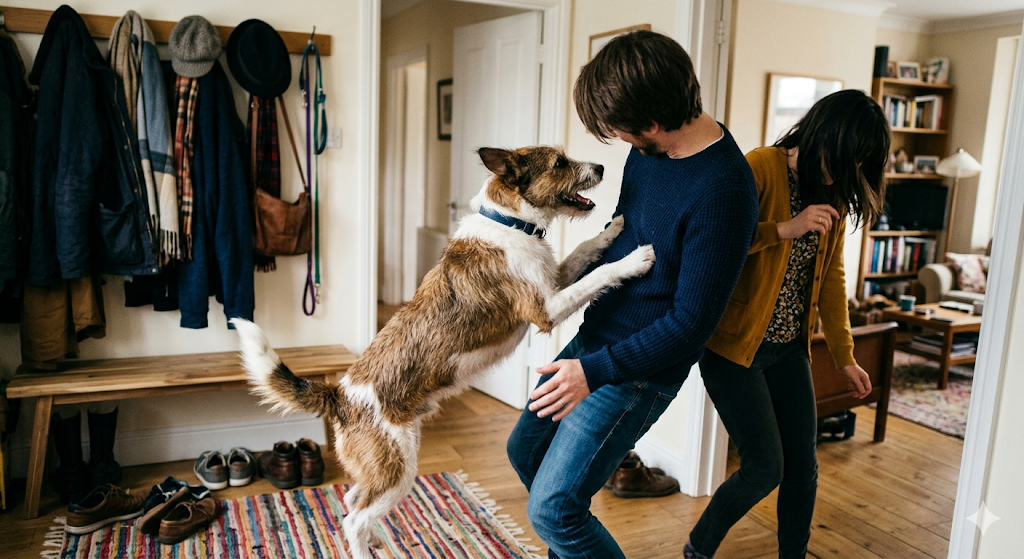
You’ve finally talked the family into a second dog. Maybe you adopted from a Fort Worth rescue, brought home a puppy from a breeder, or fostered a dog you couldn’t bring yourself to send back. The paperwork is done, the new bed is in the corner, and now there’s just one thing left to figure out: how the existing dog is going to feel about all of this.
If you’ve been losing sleep over the introduction, you’re being smart. The first 72 hours of a multi-dog household set the tone for the next decade. Get the introduction right, and most dogs settle into a comfortable coexistence within a few weeks. Rush it, skip the structure, or hope the dogs will “work it out,” and you can end up with two dogs who never fully trust each other, or worse, two dogs who can’t share the same room without supervision.
The good news is that introducing dogs is a process with a fairly predictable script. The dogs who go on to become best friends and the dogs who go on to barely tolerate each other usually got there through how the first few days were handled, not through some incompatibility you could have spotted in advance. This guide walks through how to set up the first meeting, what the first week at home should look like, the warning signs that the dogs aren’t clicking, and how to manage the bumps that come up even with smooth introductions.
Before the Meeting: The Setup That Actually Matters
Most failed introductions fail before the dogs ever meet. The setup you put in place ahead of time does more for the outcome than anything you do in the moment. Three pieces of pre-work make the biggest difference:
- Honestly assess your existing dog. A week before the new dog arrives, take stock of how your current dog handles strange dogs. Recent successful interactions with other dogs, calm greetings on walks, and relaxed body language at the vet or groomer are good signs. Tension around other dogs, history of resource guarding, or any past fights are warning flags worth addressing with a trainer before the new dog comes home.
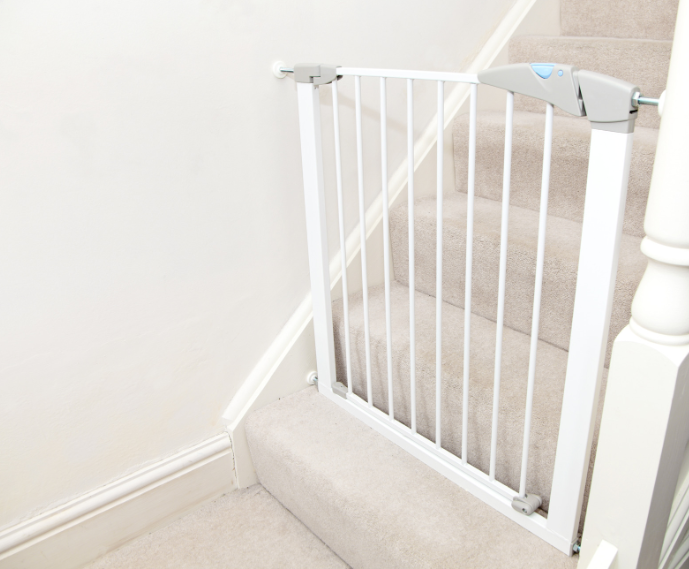
- Set up the home with separation in mind. You’ll need to physically separate the dogs for the first 7 to 14 days, even after a smooth introduction. That means baby gates, exercise pens, separate sleeping areas, and a way to feed each dog in their own space. Trying to figure out the logistics on day one is too late.
- Plan for a neutral first meeting outside the home. The single biggest mistake owners make is bringing the new dog directly through the front door of a home where the existing dog already lives. Your dog views your home as their territory, and walking a stranger into it triggers a defensive response in even the most easygoing dogs.
If your existing dog has a history of resource guarding, reactivity, or fights with other dogs, that’s worth addressing with a trainer before the new dog comes home, not after. Our breakdown of why is my dog resource guarding covers what to watch for and how guarding shows up in subtle ways most owners miss.
The First Meeting: Neutral Ground in Fort Worth
The first time the dogs see each other should be on neutral territory, ideally with both dogs on leash and both handlers on the same page about pacing.
Fort Worth has plenty of options that work well for neutral first meetings:
- Trinity Park along the river, large enough to give the dogs space to acclimate before they get close
- Gateway Park with wide open areas that let you walk parallel before any face-to-face contact
- The empty back end of a strip mall parking lot before stores open, which removes the variable of other dogs and people interrupting the meeting
Avoid dog parks. They’re high-stimulation, full of off-leash dogs, and offer zero ability to control the pacing.
Here’s how the meeting itself should run:
- Start with a parallel walk, not a face-to-face greeting. Two handlers, one dog each, walking in the same direction with about 15 to 20 feet of space between them. The dogs see each other, smell each other from a distance, and start gathering information without the pressure of a head-on meeting.
- Walk for 5 to 10 minutes at the starting distance. If both dogs stay relaxed (loose body, normal panting, occasional glances at each other rather than fixated stares), close the gap to 10 feet. Walk another few minutes. If they’re still relaxed, close to 5 feet.
- Allow a direct greeting only after both dogs have walked calmly within 5 feet for several minutes. Approach in a curve, not head-on. Let them sniff briefly, 3 to 5 seconds, then walk again. Short greetings and movement keep the arousal low. Long stationary greetings build pressure and often spark conflict.
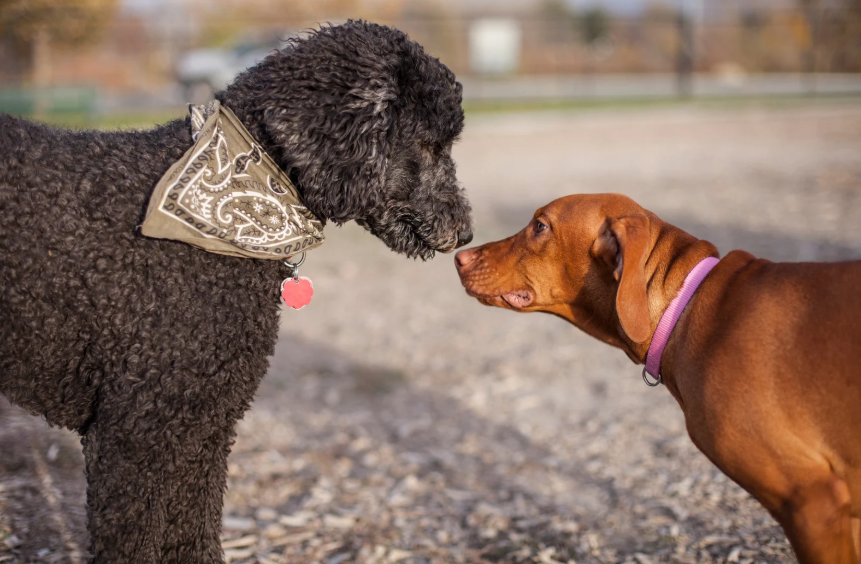
Look for soft body language during the greeting. Loose tail wags, relaxed ears, play bows, and curving body postures are good signs. Stiffness, raised hackles, hard stares, or one dog standing tall and frozen over the other are warning signs that the dogs need more distance and more time, not closer contact. We cover the full vocabulary of canine body signals in our piece on reading your dog’s body language, and it’s worth a careful read before the introduction so you can spot what you’re looking at.
If the parallel walk goes well, walk both dogs together back to your home. Don’t drive them in the same car for the first trip, and don’t let the new dog enter the house alone with your existing dog already inside.
The First Week at Home
How you handle the first week determines whether the dogs become genuine housemates or just two dogs who happen to share an address.
| Day | Focus | What It Looks Like |
|---|---|---|
| Day 1 | Decompression and separation | New dog explores home with existing dog gated off; brief supervised hellos |
| Days 2–3 | Parallel time, separate feeding | Both dogs in shared spaces with management; meals fed in different rooms |
| Days 4–7 | Structured shared time | Co-walks, supervised play breaks, both dogs settle in same room with you |
| Days 8–14 | Easing the management | Shorter separation windows, longer shared time, watch for any tension |
| Week 3+ | Normal household rhythm | Most dogs fully integrated, supervision still around food and high-value items |
A few principles run through the entire first week:
- Give the new dog decompression time. A new dog in a new home needs 2 to 7 days to settle into the smells, sounds, and routines before they can really show you who they are. Dogs in this window often appear quieter, more nervous, or more aloof than they will be in three weeks. Don’t draw conclusions about the relationship from week-one behavior.
- Feed dogs separately, always. Even dogs who seem fine sharing space can flash conflict over food, and one bad meal-time incident can poison the relationship for months. Feed in different rooms, or at minimum in crates or on opposite sides of a baby gate. Resource-related fights between otherwise-compatible dogs happen more than any other category, and meal time is the most preventable trigger.
- Pick up high-value chews and toys. Bully sticks, frozen Kongs, antlers, anything the dogs would compete over goes away when both dogs are in the same room. They can have those items in separate spaces during the first few weeks.
- Maintain your existing dog’s routines. Your current dog’s walk schedule, training time, one-on-one attention, and bed location should stay the same as much as possible. A new dog showing up and disrupting everything makes the existing dog associate the change with loss, which can sour the relationship. Add the new dog into your time without subtracting from the existing dog’s.
- Use crates and baby gates liberally. Management isn’t a sign the dogs aren’t getting along. It’s the tool that prevents the small frustrations that lead to bigger problems. A new dog who hasn’t fully settled and an existing dog who’s adjusting to sharing their space both benefit from controlled access to each other for the first two weeks.
Reading the Signs: Going Well or Going Sideways
Most introductions fall into one of three trajectories within the first 7 to 10 days. Recognizing which one you’re in helps you decide whether to keep the current plan or adjust:
- Going well. Both dogs greet each other with loose body language. They settle in shared spaces without tension. There may be minor moments of correction (a quick lip lift if the new dog steps on the existing dog’s bed, for example), but they resolve in seconds and the dogs go back to relaxed states. Play emerges naturally within the first week or two.
- Slow start but improving. Dogs are tense or distant at first, but show small daily improvements. The new dog spends more time in shared rooms each day. The existing dog stops fixating on the new dog’s movements. Brief positive interactions (a sniff in passing, a play bow) start happening by day 5 or 6. This trajectory often produces solid long-term relationships, just on a slower timeline.
- Going sideways. One or both dogs show stiff body language, hard stares, growling that doesn’t resolve quickly, snapping, or full bites. Tension stays the same or escalates over the first week instead of easing. The dogs avoid being in the same room even when given space.
The third trajectory is the one that needs intervention, and the sooner the better. Continuing to push two dogs together when the body language is consistently saying “no” usually creates a fight, and post-fight integration is much harder than pre-fight intervention. If you’re in that third pattern, separate the dogs fully, manage them on rotation (one dog out, one dog crated), and bring in a professional trainer to assess. Our dog training programs in Fort Worth include in-person assessments specifically for multi-dog household issues.
Common Mistakes That Make Introductions Fail
A handful of habits show up in failed introductions over and over. Most are well-intentioned:
- Forcing direct greetings too fast. Bringing the new dog to the front door and letting both dogs sniff each other through the gap is a recipe for territorial defense. Always start on neutral ground.
- Letting the dogs work it out. Some dogs do work it out. Many don’t. The ones who don’t tend to escalate, and once dogs in the same household have one serious fight, the next one is almost always worse. Management and structure are not optional in the first few weeks.
- Trying to fix the relationship with treats too early. Rewarding both dogs in the same space can build positive associations, but only if the dogs are already in a calm enough state to take treats. Trying to feed treats to two dogs who are tense around each other often triggers resource conflict. Build calm first, then layer in shared positive experiences.
- Skipping crate or gate training before the new dog arrives. Both dogs should be comfortable being separated from each other for at least short periods. If your existing dog has never used a crate and now suddenly needs one for management, you’ve added a stress on top of the introduction stress.
- Comparing your dogs to dogs you’ve had before. Every dog is different. The lab who got along with everyone you’ve ever owned doesn’t tell you how the new heeler is going to fit. Use the actual dog’s body language as your guide, not your past experience.
- Underestimating the existing dog’s adjustment. The dog who’s been the only dog for years has the bigger emotional shift to make, not the new dog. Watch for signs that your existing dog is stressed (less appetite, withdrawal, increased clinginess, accidents in the house) and make sure their needs aren’t getting lost in the focus on the newcomer.
Special Situations Worth Planning For
Not every introduction follows the standard script. A few situations deserve specific consideration:
- Existing dog with a history of reactivity or guarding. If your current dog has shown reactivity toward other dogs on walks, has guarded food, toys, or you from other dogs in the past, or has been in a fight before, the introduction needs more structure than the standard protocol. Professional support is worth lining up before you bring the new dog home, not after the first incident. Our piece on socializing an overprotective dog covers the patterns that show up in these cases.
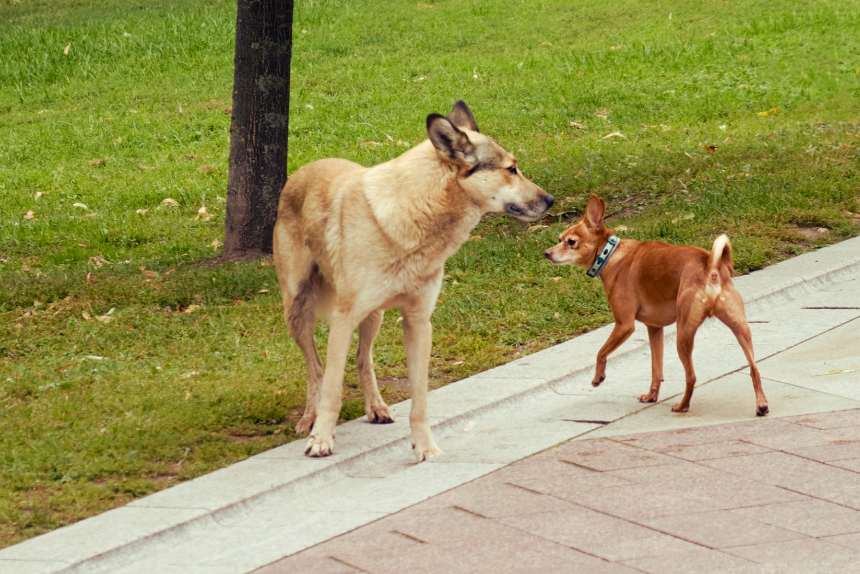
- Significant size difference. A 90-pound resident dog meeting an 8-pound new dog requires extra management even when both dogs seem friendly. Big dogs can hurt small dogs in the middle of perfectly normal play. Plan for separated play and exercise, raised feeding stations for the small dog, and physical management until the play styles are fully calibrated.
- Same-sex pairings, especially intact dogs of the same sex. Female-female and male-male pairings sometimes have more friction than mixed pairings, and intact dogs of the same sex can be especially challenging. This isn’t a deal-breaker, but it’s worth knowing going in so you don’t underestimate the introduction.
- Senior resident dog meeting a high-energy puppy. The pace mismatch causes most of the trouble here. The puppy wants to play constantly, the senior wants to sleep, and the senior often runs out of patience. Build in structured separation so the senior has guaranteed quiet time, and teach the puppy to leave the senior alone on cue.
For households where any of these situations apply, in-home dog training lets a trainer see the actual dynamic in your space and tailor the introduction plan to your specific dogs. For complex cases or families with packed schedules, our board and train program can handle the foundational training on the new dog before they fully integrate at home.
Frequently Asked Questions
How long does it take for two dogs to fully bond?
Most dogs settle into comfortable coexistence within 2 to 4 weeks. Genuine friendship, where the dogs actively seek each other out for play and rest, often takes 2 to 6 months. Some pairs become best friends. Some pairs simply tolerate each other forever, which is also a successful outcome.
Should I let my dogs sleep in the same room from day one?
No. Separate sleeping areas for at least the first 1 to 2 weeks reduce the risk of overnight tension and give both dogs guaranteed downtime. Many households eventually move to shared sleeping spaces, but only after the daytime relationship is solid.
What do I do if my dogs get into a fight?
Separate them immediately without putting your hands between them (use a barrier, a leash, or distraction noise). Give both dogs 24 to 48 hours of full separation to decompress. Do not reintroduce them on your own after a serious fight. Bring in a trainer to assess what triggered it and rebuild the introduction with a structured plan.
Is it better to get a same-sex or opposite-sex second dog?
Opposite-sex pairings tend to have slightly less conflict on average, but plenty of same-sex pairs live together happily. Personality match, age difference, and energy level usually matter more than sex.
How do I know if my dog actually wants a sibling?
Most dogs are flexible enough to accept a second dog if introduced properly. The exceptions are dogs who have shown serious reactivity toward other dogs, dogs who guard heavily, and senior dogs with established routines who clearly prefer solo life. If you’re uncertain, a trial fostering arrangement can show you how your dog actually responds before you commit.
Can I introduce a puppy to an adult dog the same way?
The protocol is similar but adjusted for the puppy’s age. Puppies have less self-control, get tired faster, and need more enforced rest. Adult dogs sometimes correct puppies appropriately and sometimes too harshly. Watch the adult’s tolerance level closely and intervene before either dog escalates.
Train With Fort Worth’s Multi-Dog Household Specialists
Adding a second dog should be a decision that makes your home more fun, not more stressful. Most introductions go smoothly with the right structure. The ones that don’t usually need a trained eye on the dynamic before small problems become permanent ones.
If you’re planning a second-dog introduction in Fort Worth, or if your current introduction isn’t going the way you hoped, our team at All Dogs Unleashed Fort Worth can help. Call (817) 393-6224 or contact our Fort Worth team to schedule a free in-person demo. We’ll watch both dogs together, assess the dynamic, and walk you through a plan tailored to your specific dogs and your household.
Key Takeaways
- The first 72 hours set the tone for the entire relationship, and the setup before the meeting matters more than anything you do during it.
- Always introduce on neutral ground first (Trinity Park, Gateway Park, empty parking lots), never inside the existing dog’s home.
- Parallel walks at increasing closeness work better than direct face-to-face greetings for the first meeting.
- Feed dogs separately, pick up high-value items, and maintain your existing dog’s routines for at least the first two weeks.
- Slow starts often become solid relationships. Persistent stiffness, hard stares, or escalating tension after the first week need professional assessment.
- Reactivity history, size mismatches, same-sex pairings, and senior-meets-puppy combinations need extra structure beyond the standard protocol.
About All Dogs Unleashed Fort Worth
All Dogs Unleashed Fort Worth provides results-driven dog training to families across Fort Worth and the surrounding North Texas area. Our trainers specialize in obedience, behavior modification, multi-dog household integration, and the real-world skills that make life with one dog or three feel manageable. Every dog we train comes with unlimited follow-up support for life, because relationships between dogs in the same home keep developing long after the introduction.