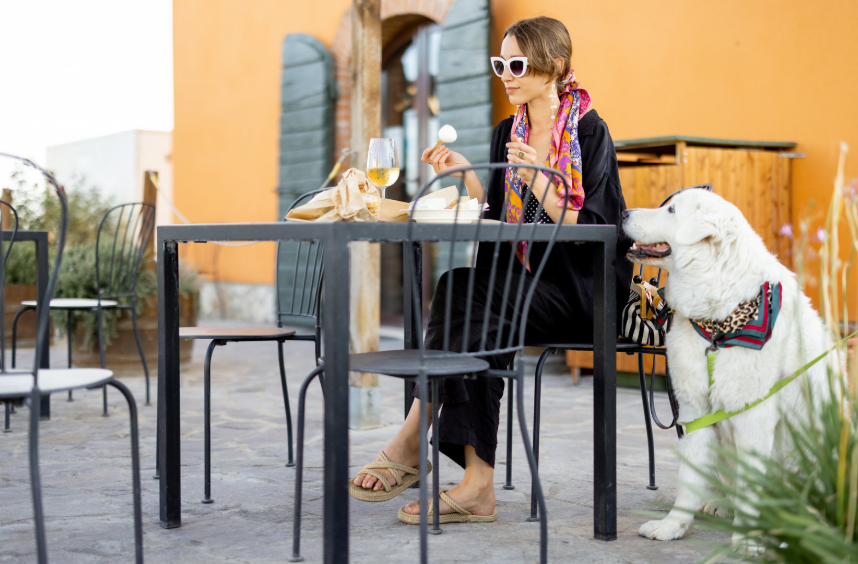

If you’ve been researching dog training options in Bossier City, you’ve probably come across the same three formats: group classes, board-and-train, and private training. Group classes are the most familiar — most people know what they look like from PetSmart’s lobby setup. Board-and-train is a fairly clear concept too: you send your dog to a facility, they come back trained. Private training is the format most prospective clients ask the most questions about, because it’s the least visible from the outside.
This guide walks through what private dog training actually looks like in Bossier City: how sessions work, what gets covered, who it’s a good fit for, and what you’re actually paying for compared to other options. The goal is to give you a clear picture before you reach out, so you can decide whether it’s the right format for your dog and your goals.
Why “Private Training” Means Something Specific
Private training isn’t just “expensive group class.” It’s a fundamentally different approach to working with your dog.
In a group class, a single trainer leads anywhere from 6 to 12 dog-and-owner pairs through a shared curriculum. Everyone learns the same skills at roughly the same pace, in the same environment, on the same schedule. The format works well for confident dogs without specific issues, especially puppies who benefit from the controlled socialization.
Private training flips all of that. One trainer works with one dog and one family at a time. The session can happen in your home, your yard, on your normal walking route, or at the trainer’s facility, depending on what makes sense for the goals. The curriculum is built specifically for your dog. The pace adjusts based on what’s working. Questions get answered in real time without a roomful of other people waiting.
The result is training that actually addresses what’s happening in your specific situation, with your specific dog, in the environment where the behaviors actually occur. That’s the core value proposition.
The Core Difference Between Private and Group Training
A quick comparison of how the two formats differ:
| Aspect | Private Training | Group Classes |
|---|---|---|
| Trainer focus | One dog, one family | 6–12 dogs and owners simultaneously |
| Curriculum | Custom to your dog | Set program for the class |
| Pace | Adjusts to your dog | Fixed schedule, follows the average |
| Location | Your home, yard, public spaces, or facility | Training facility |
| Best for | Specific issues, behavior modification, custom goals | Foundational obedience, socialization |
| Cost per session | Higher | Lower |
| Total program cost | Often higher | Often lower |
| Schedule flexibility | Booked around your availability | Fixed weekly time slot |
Both formats have their place. The right choice depends on what you’re trying to accomplish, what your dog is dealing with, and what your schedule allows. For a closer look at how to weigh the options, our blog on how to choose the right dog training program covers the broader decision framework.
What a Typical Private Training Engagement Looks Like at All Dogs Unleashed
Most private training programs follow a similar arc, regardless of which trainer you work with. Here’s what to expect at each stage.
Step 1: The Initial Consultation
The first contact is typically a consultation rather than a training session. The trainer needs to evaluate your dog, hear your concerns, and understand your goals before any actual training plan can be built. Expect this to last 60–90 minutes.
During the consultation, the trainer will observe how your dog moves, reacts to handling, responds to your cues, and behaves in their normal environment. You’ll be asked about your dog’s history, current behaviors, what you’ve already tried, and what you’d like to accomplish. The trainer will also be watching the human side of the equation, including how you communicate with your dog, what habits you’ve fallen into, and which patterns might need to change.
You walk away from the consultation with a clear picture of what’s possible, a recommended approach, an estimated timeline, and pricing for the program. This is also where you decide whether the trainer is the right fit before committing further.
Step 2: The Custom Training Plan
After the consultation, the trainer builds a plan tailored to your dog’s specific situation. This isn’t a generic curriculum. It’s a sequence of skills, behaviors, and behavior modification work targeted at the goals you discussed.
For a Bossier City family with a 2-year-old Lab who pulls on the leash, jumps on visitors, and has poor recall, the plan looks completely different than a plan for a 5-year-old rescue with separation anxiety and leash reactivity. Both plans use professional training principles, but the specific exercises, the sequence, the locations, and the pacing all differ.
You’ll typically see the plan laid out in some form: what gets worked on first, what builds on what, where each piece happens, and how progress will be measured. This is the part group classes can’t replicate. Group curriculum has to work for the average dog. Private plans work for your dog.
Step 3: Sessions in Your Environment (or the Trainer’s)
Most private training sessions in the Bossier City area run 60–90 minutes. Where they happen depends on what’s being trained.
If the goal is leash manners or reactivity work, sessions happen on your actual walking route in your actual neighborhood. If the goal is dealing with visitors or doorbell behavior, sessions happen at your front door. If the goal is preventing counter surfing or kitchen jumping, the trainer comes to your kitchen. The training happens where the behavior happens, which means it transfers immediately to real life.
For some skills (intensive recall work, distraction-proofing in controlled environments, structured group exposure), sessions happen at the trainer’s facility instead. A good trainer will move between locations as the program progresses, hitting whichever environment serves the next phase of work.
Each session typically involves the trainer demonstrating a technique, then coaching you through it, then watching you practice while giving real-time feedback. By the end of the session, you should know exactly what to work on between visits.
Step 4: Owner Coaching and Homework
The most underestimated part of private training is the owner half. The trainer isn’t just teaching your dog. They’re teaching you how to work with your dog effectively, which is where the lasting change comes from.
Between sessions, you have homework. Not a generic “practice 10 minutes a day,” but specific exercises with specific criteria, tied to the plan. The trainer follows up at the next session, watches you execute, adjusts as needed, and progresses the work. Over the course of the program, you become competent at handling your own dog in ways that didn’t happen before.
This is also why private training tends to produce results that hold up over time. The dog doesn’t just know commands. The handler knows how to use them, reinforce them, and adjust them as life changes. For a closer look at the broader experience of professional dog training, our piece on what to expect from dog obedience training covers complementary ground.
What Gets Covered in Private Training Sessions
The exact content varies by dog and family, but most private training programs touch on a combination of these areas:
Foundation obedience. Sit, down, place, stay, recall, leash manners, and the standard commands that anchor good behavior. Even when the main goal is behavior modification, solid obedience is part of the toolkit because it gives owners a way to redirect and manage their dog while deeper work is happening.
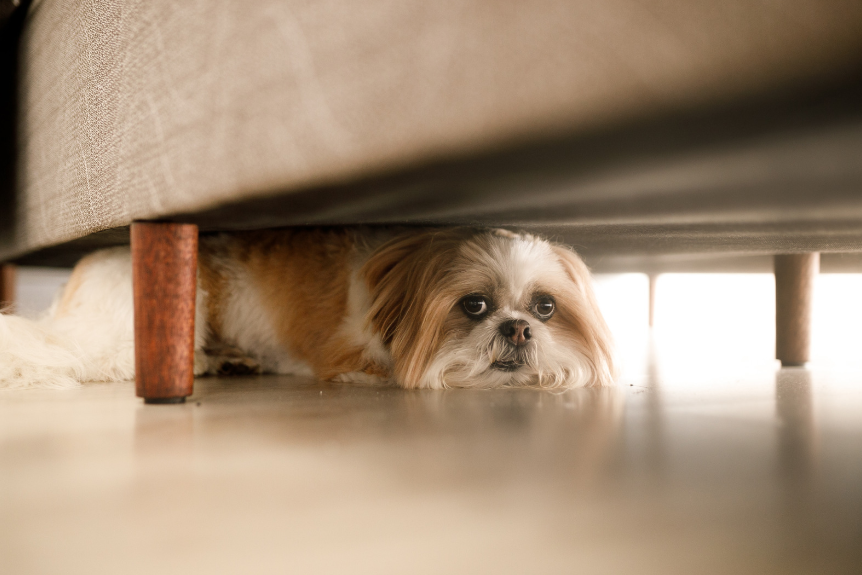
Behavior modification work. This is where private training really earns its place. Reactivity, fear, separation anxiety, resource guarding, aggression, compulsive behaviors — all of these respond to structured work that’s hard to do in a group format. The trainer reads your specific dog’s triggers, designs counter-conditioning protocols, and adjusts intensity based on what your dog can actually handle. Our blog on walking a reactive dog gets into the specifics of one common case.
Real-world manners. Settling at restaurants, calmly greeting visitors, behaving in stores, riding in cars without anxiety, ignoring distractions on walks. These behaviors are taught and tested in the actual environments where they need to happen.
Specialty issues. Some dogs come in with very specific challenges that require specialized work: noise phobias (fireworks, thunderstorms), prey drive management, destructive behaviors, escape attempts, dog-dog aggression. Private training is the format that adapts to these without forcing the dog to fit a generic curriculum.
Who Private Training Works Best For
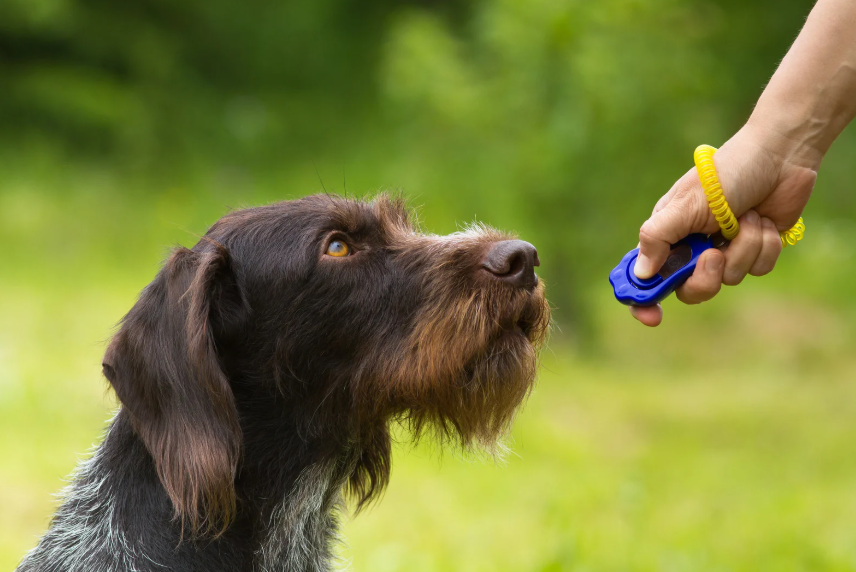
Some situations point clearly toward private training as the right format:
- Dogs with reactivity, fear, or aggression issues that wouldn’t be safe or productive in a group setting
- Dogs with specific behavioral challenges (separation anxiety, resource guarding, severe barking)
- Owners with busy or unpredictable schedules who can’t commit to a fixed weekly class time
- Multi-pet households where the dynamics need to be addressed in the home
- Households with children where home-environment training matters most
- Adult dogs with ingrained habits that need targeted retraining
- Owners who tried group classes and didn’t see the results they wanted
- Rescue dogs with unknown histories who benefit from a slower, individualized approach
- Owners who want training around specific real-world situations (visitors, restaurants, walks on specific routes)
- Dogs whose owners want faster, more focused progress and are willing to invest accordingly
If most of these describe your situation, private training is probably the right format.
Who Should Probably Choose a Different Format
Honesty matters here. Private training isn’t always the best fit. A few situations where another format usually serves better:
For young puppies whose primary need is socialization and basic manners, group puppy classes are often the better starting point. The controlled exposure to other puppies and people during the critical socialization window is genuinely valuable, and standard puppy classes deliver it well.
For dogs that need an intensive reset (severe behavioral issues, owners who lack the time to do daily handling work, dogs that have rehearsed problem behaviors for years), board and train can work better than private. The dog gets full-time structured work in a controlled environment, and the trainer transfers the trained dog back to the family at the end. Our piece on are board and train programs right for your dog covers when this format makes sense.
For owners on tight budgets whose dog mainly needs basic obedience, group classes are the affordable starting point. Many dogs do fine with this approach if the issues are minor.
For dogs that need extensive socialization with other dogs as part of the work, group classes provide social exposure that private sessions can’t replicate.
The right answer is sometimes a combination. Many Bossier City families start with private sessions to address specific issues, then graduate to group classes for socialization and reinforcement. Our blog on which training is right for your dog helps think through these combinations.
What Private Training Costs and What You’re Actually Paying For
Private training costs more per session than group classes. There’s no way around it. A single trainer is dedicating their attention to one family for an hour or more, which means the cost can’t be split across a class of 8–12 students.
National averages for private dog training run $100–$250 per session, with packages of multiple sessions usually offering some savings over single-session pricing. Group classes nationally tend to run $150–$400 for a 4–6 week program. Board-and-train programs are typically the highest investment, ranging from $2,500–$5,000+ for 2–4 week programs.
What you’re actually paying for in private training:
The trainer’s full attention, expertise, and time during each session. The custom plan that’s tailored to your dog instead of being recycled from a class curriculum. The location flexibility that allows training to happen where the behaviors actually occur. The owner coaching that produces lasting change rather than just session-day compliance. The pacing flexibility that lets the work move as fast or slow as your dog needs.
For dogs with specific behavioral issues, private training is often the most cost-effective option in the long run. Solving a reactivity problem with focused private work in 8–12 sessions is genuinely cheaper than chasing the issue through years of failed group classes that don’t address the root cause.
Common Misconceptions About Private Training

A few of the most common misunderstandings worth clearing up:
- “The trainer just trains my dog for me.” No. Private training is heavily owner-involved. The trainer teaches you how to handle and reinforce the work between sessions. If you’re not present and engaged, the training won’t transfer.
- “Private training is only for problem dogs.” No. Plenty of well-adjusted dogs benefit from private training, especially when owners want custom goals (off-leash hiking, sport training, specific real-world skills) that group classes don’t cover.
- “I can DIY this with YouTube videos.” Sometimes, for simple issues. Most owners overestimate what they can accomplish alone, especially with anxiety, reactivity, or aggression. The wrong technique applied to the wrong issue often makes things worse.
- “Private means the trainer comes to my house.” Sometimes, but not always. In-home training is one type of private training. Sessions can also happen at the trainer’s facility, on walks, at parks, or wherever serves the training goals.
- “My dog won’t behave for a stranger.” Most dogs respond well to a calm, confident professional within the first session. The trainer’s job is partly to read your specific dog and adjust their approach. Concerns about “my dog only listens to me” usually disappear quickly.
- “It’ll take forever.” Most private programs run 8–16 sessions over 2–4 months for typical issues. Severe cases take longer, but the timeline is generally shorter than chasing the same goals through group classes.
How to Tell If Your Dog Needs Private Training
A few diagnostic questions that point toward private training as the right call:
Does your dog have a behavior issue that wouldn’t be appropriate or safe in a group setting (aggression, reactivity, severe fear)? Have you already tried group classes without seeing the results you wanted? Are your training goals specific to your environment, your routine, or your family’s situation rather than generic obedience? Are you dealing with anxiety-related issues like separation distress, noise phobias, or fear-based behaviors? Is your schedule too unpredictable to commit to a weekly group class? Are you working with a rescue dog whose history requires patience and customization?
If you answered yes to most of these, private training is likely the right format. If you answered no to most, group classes may serve you fine, possibly with private training brought in later if specific issues emerge.
For a more comprehensive look at all the program options at All Dogs Unleashed, including in-home dog training (the most common form of private training), our dog training programs page covers everything we offer.
Frequently Asked Questions
How many private sessions will my dog need?
It depends on the goals. Basic obedience for a generally well-behaved dog often takes 6–10 sessions. Behavior modification work for issues like reactivity or separation anxiety typically takes 12–20+ sessions over several months. Most trainers will give you a realistic estimate during the initial consultation based on what they observed.
Can I do private training in my home, or does my dog need to go to the facility?
Both are options. In-home training is often the right starting point because the issues you’re addressing usually happen at home. Some skills (recall in distraction-rich environments, group exposure work, intensive obedience) move to the facility when appropriate. A good private training program uses both as needed.
Will my dog actually learn from a stranger?
Yes. Dogs read calm, confident, professional handling and respond accordingly. Most owners are surprised at how quickly their dog engages with a trainer in the first session. The work in subsequent sessions focuses heavily on transferring those skills to you, the owner, so the dog is responding to your handling, not just the trainer’s.
Can I bring multiple dogs to the same private session?
Often, yes. Multi-dog households are a common reason families choose private training in the first place, since group classes typically only allow one dog per handler. Pricing may adjust to account for the additional time, but training multiple dogs together is part of what private training is built to handle.
What if I’m not making progress between sessions?
This happens, and a good trainer will diagnose why quickly. Common reasons: the homework wasn’t clear, the timing of reinforcement is off, household members aren’t on the same page, or the goals weren’t realistic. Private training adapts to these issues in a way group classes can’t, since the trainer can spend time on the specific stuck point.
Can I switch from private to group classes (or vice versa) during the program?
Yes. Many families combine formats. A common path is starting with private training to address foundational issues or specific challenges, then transitioning to group classes for socialization and continued reinforcement. A trainer who runs both can usually help with that transition smoothly.
About All Dogs Unleashed
All Dogs Unleashed is a professional dog training facility serving Bossier City, Shreveport, and the surrounding communities. Located at 4500 Benton Rd, Suite 200, Bossier City, LA 71111, our team offers private training programs alongside board-and-train and in-home options, all built around the specific needs of each dog and family. All Dogs Unleashed believes in custom solutions over cookie-cutter curriculum, because every dog is different and every household has different goals.
Ready to See What Private Training Could Do for Your Dog?
If you’ve been weighing your training options, the easiest next step is a consultation. We’ll evaluate your dog, hear your goals, and help you understand whether private training is the right fit, or whether another format would serve you better. Either way, you’ll walk away with a clearer picture and a plan you can act on.
Call us at (318) 562-6536 or visit our contact page to schedule a consultation. Let’s build a training experience that’s actually built for your dog.