
A reliable recall is the single most important command your dog will ever learn. Sit, down, and stay are useful. Recall can save your dog’s life. The difference between a dog that comes back when called and a dog that doesn’t is the difference between freedom on a trail at Red River National Wildlife Refuge and a frantic chase down a busy Bossier City street.
Most Bossier City dog owners assume their dog “kind of” comes when called. They come most of the time, in the backyard, when there’s nothing better going on. That’s not a recall. A real recall is reliable across distances, distractions, and high-arousal situations. Here’s exactly how to build one, step by step.
For more on why recall is foundational to every other behavior, our existing piece Recall: The Foundation of Bossier City Dog Training covers the underlying training philosophy.
Why a Reliable Recall Is the Most Important Command Your Dog Will Ever Learn
Almost every serious “my dog ran off” story has the same beginning: an owner thought their dog’s recall was better than it actually was. A door left open, a gate that didn’t latch, a leash that slipped, and the dog is gone. With a reliable recall, you have a way to call them back before something bad happens.
A solid recall opens up a different kind of life with your dog. It means safe off-leash time at appropriate locations, real freedom on trails, and far less anxiety as an owner because you know your dog will respond when it counts.
The work to build a reliable recall is not glamorous, but it’s straightforward. The dogs that have one were trained on it consistently for months, with clear protocols and high-value rewards. The dogs that don’t have one usually had owners who skipped steps or assumed the dog would just “get it.”
What “Reliable Recall” Actually Means (and Doesn’t)
A 100% reliable recall doesn’t exist. Even the best-trained dog can be startled by a car backfiring, panicked by a sudden trigger, or distracted by something genuinely irresistible. Anyone telling you their dog is “100% reliable” is either lucky or hasn’t tested it in the right situations.
What you can build is 99% reliability, which looks like:
- Your dog comes immediately, every time, in low-to-moderate distraction environments
- Your dog comes most of the time even with high distraction
- Your dog has an emergency recall cue that’s been heavily reinforced and used sparingly
- Your dog has been trained on a long line in many different environments before being trusted off-leash
A useful framework is to use two different cues:
- Casual cue (“here,” “let’s go”) for everyday situations like calling them in from the yard
- Emergency cue (“come!” or a whistle) reserved for situations where you absolutely need them to respond, used rarely so it stays powerful
If your dog associates “come” with bath time, going inside when they’re having fun, nail trims, or anything else they don’t like, they’ve learned that the cue is bad news. That’s why a separate, sacred emergency cue matters so much.
The 5 Foundations You Need Before Starting Recall Training
Don’t start with recall itself. Start with these prerequisites:
- Name recognition. Your dog should look at you immediately when you say their name. If your name cue is weak, recall will be weaker. Practice this in low-distraction environments first.
- A clear marker word or clicker. “Yes” or a clicker tells your dog the exact moment they did the right thing. This precision matters for recall because the moment of “deciding to come back” is what you’re rewarding.
- High-value rewards. Plain kibble is not enough. You need chicken, cheese, freeze-dried liver, or hot dogs. Save these treats only for recall training so they retain their value.
- A long line. A 15 to 30-foot biothane or nylon long line is essential. It gives your dog the freedom to feel “off-leash” while keeping you in control. Never use a retractable leash for recall training.
- A low-distraction starting environment. Begin indoors. Hallways and quiet rooms are perfect. Outdoor training comes later, after the foundation is solid.
For more on the broader command-training framework these foundations connect to, our guide on how to teach your dog obedience commands covers the full toolkit.
The Step-by-Step Recall Training Protocol
Here’s the actual training progression, broken into clear stages. Don’t skip stages. The dogs with bulletproof recalls were the ones whose owners did each stage thoroughly before moving on.
Stage 1: Charge the cue (Indoor, on leash)
- Have your dog on leash in a quiet room with no distractions.
- Say your dog’s name in a happy, energetic tone.
- The instant they look at you, mark with “yes!” and give a high-value treat.
- Repeat 10–20 times across short sessions until your dog whips their head around at the sound of their name.
Stage 2: Add the recall cue (Indoor)
- With your dog a few feet away, say their name + “come!” in an upbeat tone.
- As soon as they start moving toward you, mark with “yes!” and praise.
- When they reach you, deliver the high-value reward and grab the collar gently before releasing the treat (this builds the “gotcha” association).
- Practice 5–10 reps per session, multiple times a day.
Stage 3: Build distance (Indoor)
- Gradually increase the distance you call from. Start at 5 feet, work up to across the room, then from another room.
- Try a hide-and-seek version where you call from somewhere they can’t see you.
- Always reward generously when they find you.
Stage 4: Add light distractions (Indoor)
- Practice when there’s something mildly interesting happening (TV on, family member moving around, a toy on the floor).
- If your dog ignores the cue, the distraction was too strong. Lower the difficulty and try again.
Stage 5: Move outside on the long line (Backyard)
- Switch to a long line in your backyard. Let your dog wander and sniff.
- Practice recalls at random intervals, not just when it’s “time to go in.”
- Reward generously, then let them go back to what they were doing. This is critical: most recalls should not end the fun.
Stage 6: New environments on the long line
- Take the long line to new locations. Quiet trails, empty parking lots, fenced parks at off-hours.
- Build recalls in each new environment from scratch. Dogs don’t generalize well, so a recall that’s solid in your yard is not automatically solid at the park.
Stage 7: Off-leash testing (in safe, enclosed areas only)
- Only after months of solid long-line work should you test off-leash, and only in fully enclosed, safe areas.
- Keep the long line dragging behind your dog at first as a safety backup.
- Continue to reward heavily, even years into training. Recall is not something you “finish.”
The Distance and Distraction Ladder
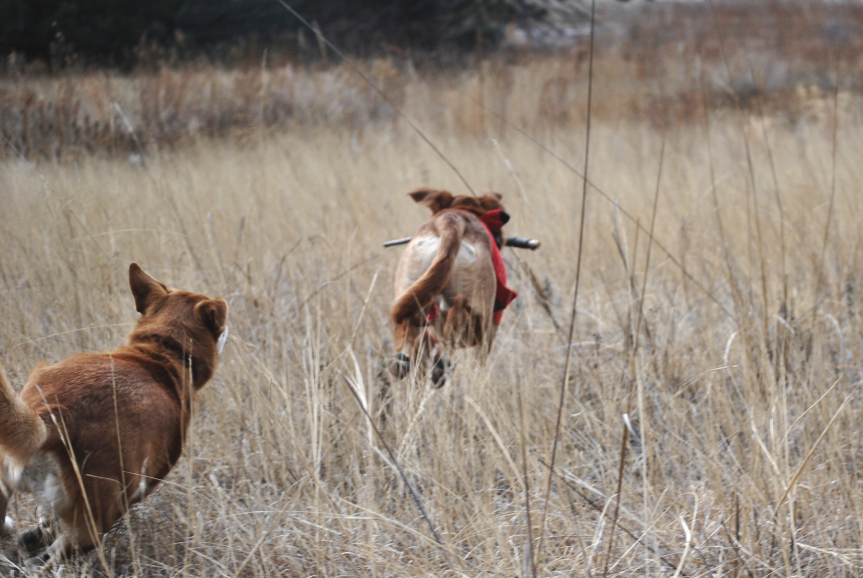
Progressive challenge is what builds reliability. Here’s a practical ladder to climb:
| Stage | Environment | Distraction Level | Goal |
|---|---|---|---|
| 1 | Inside your home | None | Instant response from a few feet |
| 2 | Inside your home | Light (family moving around) | Response from across the room |
| 3 | Backyard on long line | Light outdoor sights and smells | Response with mild distraction |
| 4 | Backyard on long line | Moderate (squirrels visible, kids playing nearby) | Response while engaged in something else |
| 5 | Quiet park on long line | Moderate (people walking by) | Response in unfamiliar environment |
| 6 | Busier park on long line | High (other dogs at distance) | Response near significant distractions |
| 7 | Trail or wooded area on long line | High (wildlife smells, varied terrain) | Response with strong environmental pull |
| 8 | Enclosed fenced area, off-leash | Variable | Off-leash reliability with safety net |
Most owners try to jump from stage 2 to stage 7 and wonder why their dog “just doesn’t listen.” The dog hasn’t been trained for that level. Take the time to climb the ladder properly.
Recall Games That Actually Build Reliability
Repetitive drilling gets old fast. These games keep recall practice fun for both of you and make the cue stronger.
- Hot Potato Recall. Two or more people stand 10–20 feet apart. Take turns calling the dog. Each person rewards generously. Builds enthusiasm and speed.
- Hide-and-Seek. Have someone hold your dog (or use a stay) while you hide somewhere in the house. Call them. When they find you, throw a party with treats and praise. Builds the “search and find” instinct.
- Restrained Recall. Have someone hold your dog gently by the chest. Walk away calling and acting excited. When the helper releases the dog, they should explode toward you. Mark and reward heavily on arrival.
- Premack Recall. Use the “fun thing” as the reward. Call your dog away from sniffing, mark the recall, then release them back to sniff. Teaches that recall doesn’t end the fun.
- Random Yard Recalls. When your dog is in the yard doing their own thing, call them once, reward generously, and release them back. Practice this multiple times a day so the cue stays fresh.
- The Name Game (Daily Maintenance). Multiple times a day, say their name. When they look, mark and reward. Keeps name recognition sharp, which feeds the recall.
Common Recall Training Mistakes Bossier City Owners Make
A handful of mistakes destroy recall reliability faster than anything else. Avoid these:
- Repeating the cue when your dog ignores it. “Come, come, come, COME!” teaches your dog that the cue is optional. Say it once. If they don’t respond, go get them and start training at a lower level.
- Calling your dog only for things they don’t like. Bath, nail trim, leaving the park, going in the crate. If “come” predicts negative things, your dog will stop coming.
- Punishing your dog when they finally arrive. If you’ve been calling for five minutes and your dog finally shows up, do not scold them. The last thing they did was come to you. That’s what you’re reinforcing. Reward warmly, even if they took forever.
- Calling when you can’t enforce. If your dog is off-leash in a field and there’s a deer 30 yards away, don’t burn your recall cue. Either get closer first or skip the recall and walk over.
- Skipping the long line phase. Going from “comes in the yard” to “off-leash at the park” without long-line work is the most common cause of failed recalls.
- Using a poisoned cue. If “come” already has bad associations, switch to a new word like “here” or “to me” and start fresh.
- Underrewarding. A piece of kibble for coming back from a squirrel chase doesn’t cut it. The reward has to be worth the cost of giving up what they were doing.
If your dog has a history of ignoring commands more broadly, our post on dog ignores commands covers the broader fix.
Where to Practice Recall in Bossier City
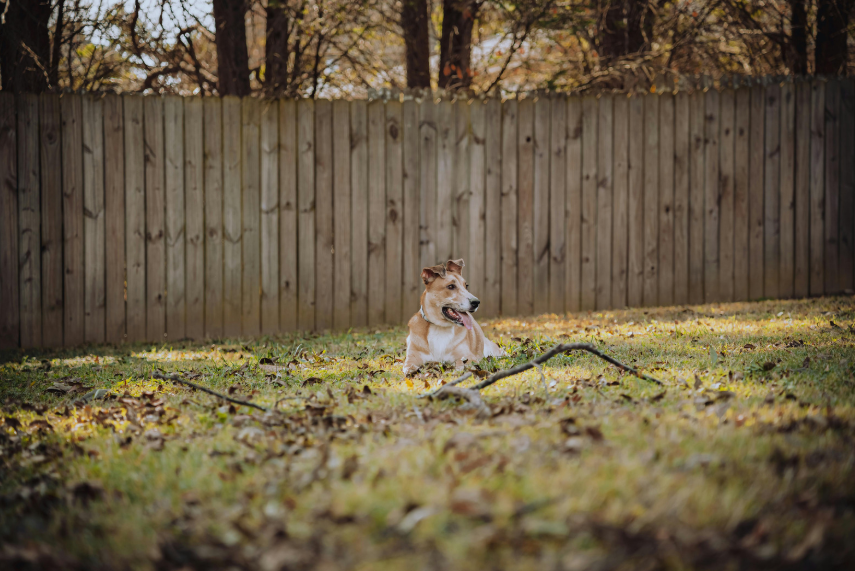
The right environments make a huge difference in training progression. Here are some local options:
- Your own backyard. The starting point for outdoor work. Familiar enough to keep distractions manageable, real enough to count as outdoor training.
- Mike Wood Memorial Park. Wide trails and open fields. Good for long-line work once your dog is solid in the backyard. Always keep your dog on the line per leash laws.
- Walker Place Park. Open fields and varied terrain. Useful for adding moderate distraction once early stages are solid.
- Red River National Wildlife Refuge. Three easy trails with rich scent environments. Excellent for advanced long-line work where you’re testing recall against significant scent distractions.
- Empty parking lots (early morning or evening). Sounds odd, but quiet, low-distraction outdoor spaces are perfect for early outdoor recall work.
- Quiet residential streets. Useful for moderate-distraction work on the long line when local parks are too busy.
Important: Bossier City and surrounding parks all require dogs to be leashed. The long line technically counts as a leash, which is what makes this kind of training possible without breaking local ordinances. Off-leash testing should be restricted to fully enclosed, private areas until your dog has truly proven their reliability.
For dogs working toward off-leash freedom specifically, our posts on can my dog be trained to walk off-leash and how to train your dog to walk off-leash cover the broader off-leash training framework.
Troubleshooting: Why Your Dog Isn’t Coming When Called
If recall isn’t working, the cause is usually one of these:
| Problem | Likely Cause | Fix |
|---|---|---|
| Dog comes 80% of the time | Inconsistent reinforcement | Reward every recall during training; don’t take any for granted |
| Dog ignores cue with distractions | Trained too fast to high-distraction environments | Drop back to a lower distraction level and rebuild |
| Dog only comes for treats | Dependent on visible rewards | Use intermittent rewards once trained; surprise them |
| Dog hesitates before coming | Cue may be partially poisoned | Switch to a new cue word and start fresh |
| Dog comes slowly, not enthusiastically | Reward isn’t valuable enough | Upgrade to higher-value treats or play |
| Dog comes most of the way and stops | Hasn’t been taught to come all the way to you | Train “all the way to me,” reward only when they reach you |
| Dog ignores recall outdoors but not indoors | Hasn’t generalized to new environments | Build the cue from scratch in each new environment |
| Dog runs away when called | Recall has been associated with negative outcomes | Switch cues, never call for unpleasant things |
When to Get Professional Help
Recall is a long project. Most owners benefit from professional support somewhere along the way, especially if:
- Your dog has a history of running off and ignoring you
- You’ve tried recall training for months with no real progress
- Your dog has a strong prey drive that’s overriding the cue
- You’re working toward serious off-leash time and want it bulletproof
- Your dog has anxiety or fear-based issues that complicate training
- You feel stuck and aren’t sure what stage your dog actually needs
Our dog training programs include recall as a foundation skill, taught in graduated stages with the right environment for each. In-home dog training works well for owners who want to build the skill in their actual environment, while board and train provides intensive structured time for dogs who need a full reset.
Frequently Asked Questions
How long does it take to train a reliable recall?
For most dogs, plan on 3 to 6 months of consistent work to build a solid foundation, with ongoing maintenance for life. Some dogs progress faster; high-prey-drive breeds and adolescent dogs typically take longer. Reliability comes from consistency over time, not from any single training session.
Can older dogs learn a reliable recall?
Yes, although they may take a bit longer than a young puppy. Older dogs often have more associations with the recall cue (some positive, some not), so you may need to switch to a fresh cue word and build from there. The principles are identical, just expect a slower ramp.
Should I use a whistle for recall?
Whistles can be excellent for recall, especially over distance. They cut through environmental noise, sound the same regardless of your tone (no risk of sounding angry), and travel further than your voice. If you decide to use one, train it from scratch as a separate cue. Pet stores in Bossier City carry standard recall whistles.
Do I have to use treats forever?
No. Once recall is solid, switch to intermittent rewards. Treat sometimes, praise other times, occasionally release back to play as the reward. Variable rewards actually maintain recall reliability better than constant rewards. Continue to use high-value treats periodically, especially in challenging environments.
My dog only comes when I have treats. What’s wrong?
This usually means treats have become a visible cue rather than a reward. Stop showing the treat before calling. Call first, then mark and reward when they arrive. Also vary the rewards between treats, praise, play, and release back to fun.
Can I train recall in a yard without a fence?
Only with a long line. Never train off-leash recall in an unfenced space. Dogs who fail a recall in an unfenced area can take off after wildlife, run into traffic, or simply disappear. The long line gives you the safety backup that allows progress without disaster.
About All Dogs Unleashed
All Dogs Unleashed is a professional dog training facility serving Bossier City, Shreveport, and the surrounding communities. Located at 4500 Benton Rd, Suite 200, Bossier City, LA 71111, our team builds reliable recall from the ground up as part of every comprehensive training program. All Dogs Unleashed helps families turn dogs that “kind of” come when called into dogs that respond every time, in every environment.
Ready for a Dog That Actually Comes When Called?
A reliable recall changes everything: trail freedom, peace of mind, safer outings, a stronger relationship. If you’re stuck somewhere in the recall progression or you want to build a recall you can actually trust, the right professional support gets you there faster.
Call us at (318) 562-6536 or visit our contact page to schedule a consultation. Let’s give your dog the kind of recall that opens up a different kind of life together.